
17201 Lahey Street, Granada Hills, CA 91344
For more information about senior living options: (866) 208-4318
Overall Review of Granada Golden Years
Cons
 The reviewer thinks the place sucks.
- It alleges they hire people who barely speak English.
- It claims customers aren’t allowed to leave, though they’re legally supposed to be.
- It says the food is a joke.
- It describes an incident where a staff member made soup and gave only two tiny pieces of meat after being begged, and refused more.
- It notes the reviewer is supposed to be on a high-protein diet.
- It states they’re tired of places scamming the health care system.
- It asserts there is massive corruption in the system.
Review
This Granada Hills community is best suited for seniors who can tolerate limited autonomy, uneven staff communication, and meal quality that may not meet standard expectations. The account provided describes a living environment where residents might feel restricted, and where language barriers among staff appear to undermine daily help and safety. For families seeking a straightforward, consistently responsive experience with clear meals and transparent operations, this community should be approached with caution rather than as a default choice.
Those families should also consider alternatives. Any care recipient who depends on reliable English-speaking staff, clear rules about leaving the facility, and meals that align with specific dietary targets should look elsewhere. The review implies that autonomy and freedom of movement are not well supported in this setting, and that food service may fall short of what many families expect for high-protein or medically guided diets. In short, if autonomy, communication clarity, and nutrition oversight are non-negotiables, this is not the option to take seriously.
There are virtually no clearly documented positives in the account to offset the significant concerns. With a single negative review, the lack of described strengths becomes a deciding factor. The absence of highlighted advantages, such as exceptional staff training, consistent language access, engaging activities, or transparent meal planning, means the reported issues carry more weight. In decision terms, the balance sheet is heavily lopsided toward risk, leaving little practical upside to anchor a favorable move.
The core cons are concrete and actionable: staff who barely speak English, a sense of being unable to leave despite supposed resident rights, and meals described as inadequate and inconsistent with dietary needs. These problems touch on essential dimensions of quality of life and care: clear communication, autonomy, and nutrition. When residents cannot reliably communicate needs, and there is perceived coercive restraint, safety and dignity are compromised. The subpar food, with specific mentions of insufficient protein and insufficient portions, undermines health management and daily satisfaction. Add in the impression of broader systemic corruption and the situation escalates from concerning to unacceptably risky for long-term care.
If a family still pursues an evaluation, a disciplined due-diligence plan is essential. Request a full tour at mealtimes to observe kitchen practices and portion sizes; insist on meeting the administrator and the director of nursing; ask for written policies on resident rights, meal plans, and dietary accommodations; verify the availability of English-speaking staff across shifts; and demand copies of recent state inspections or licensing findings. Speak with current residents and family members about communication responsiveness and freedom of movement. Compare these findings against nearby communities with strong track records in autonomy, language access, and nutrition management before making a final decision.
Bottom line: based on the available testimony, Granada Golden Years presents a high-risk profile for families that prioritize autonomy, clear communication, and reliable nutrition. It is not a default recommendation for seniors who require consistent care standards or transparent operations. Alternatives with proven staff communication, resident rights protections, and meals aligned to dietary needs should be given serious consideration. For families with tighter tolerance for potential friction and closer oversight, a careful, structured visit may reveal nuances, but the decision should tilt toward communities with stronger, demonstrable strengths in everyday care and resident empowerment.
 6 resident community capacity
 Assisted Living
 Board and Care Home
 Cable or satellite TV
 Dining room
 Fully furnished
 Garden
 Housekeeping services
 Move-in coordination
 Outdoor space
 Telephone
 Wi-Fi/high-speed internet available
 Burbank-Glendale-Pasadena (10 miles away)
 24-hour supervision
 Activities of daily living assistance
 Assistance with bathing
 Assistance with dressing
 Assistance with transfers
 Diabetes diet
 Meal preparation and service
 Medication management
 Special dietary restrictions
 Transportation arrangement (medical)
 Transportation to doctors appointments
 Compassionate, personalized memory care with attentive staff in a clean, welcoming environment.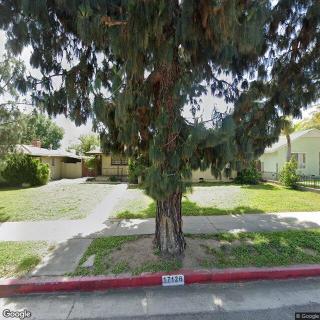





 When to Transition from Assisted Living to Memory Care: Key Indicators, Steps, and Finding the Right Community
 Assisted Living and Memory Care: Understanding Their Core Differences
 Beyond the Bingo Hall: 50+ Enriching Activities for Seniors in Assisted Living