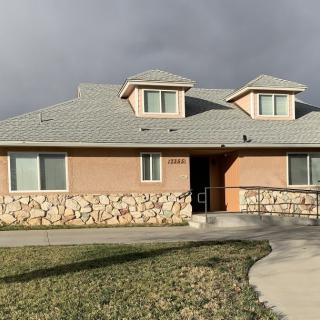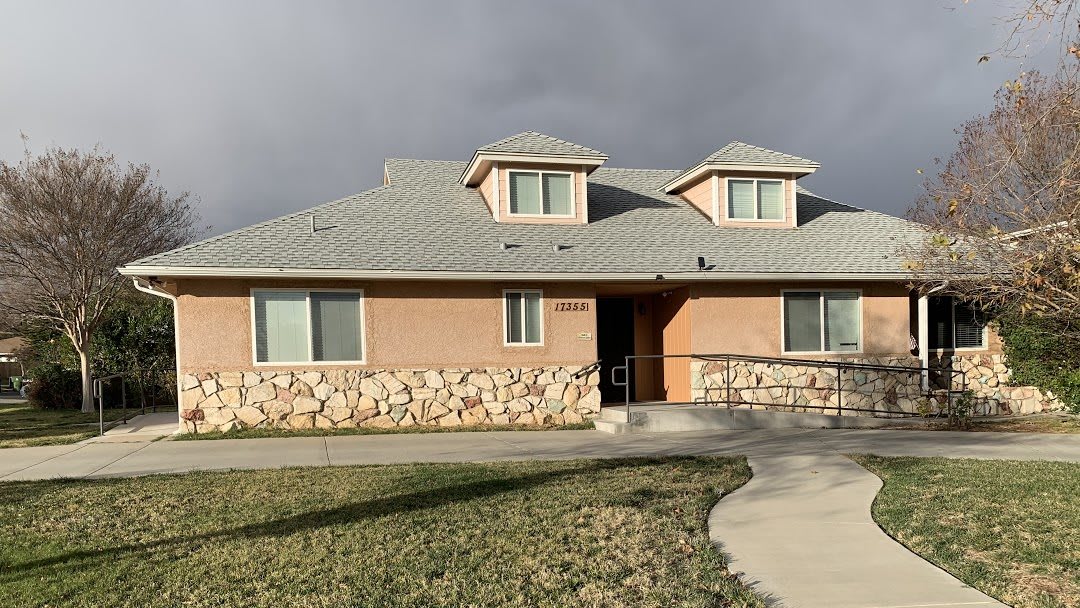
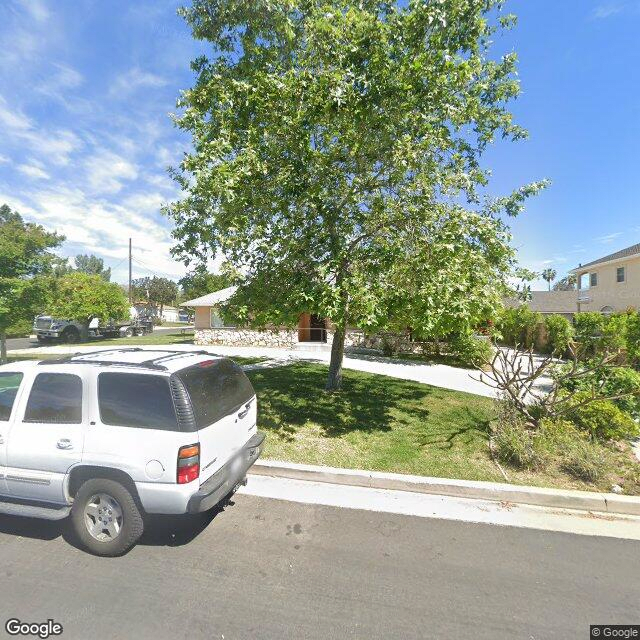
17355 Horace Street, Granada Hills, CA 91344
For more information about senior living options: (866) 208-4318
Horace Assisted Living Costs & Pricing
Horace Assisted Living offers competitive pricing for its residents, especially when compared to the broader market in Los Angeles County and the state of California. For a semi-private room, Horace charges $2,800 per month, which is significantly lower than the county average of $3,349 and slightly below the state average of $3,333. This represents a notable cost-saving option for families seeking quality care. In terms of private rooms, Horace's rate of $4,000 aligns closely with Los Angeles County's $4,197 but is slightly more than California's overall average of $3,939. Despite this discrepancy in private room pricing, the overall affordability and value offered by Horace Assisted Living make it an attractive choice for those looking for quality assisted living solutions.
| Floor plans | Horace Assisted Living | Los Angeles County | California |
|---|---|---|---|
| Semi-Private | $2,800 | $3,349 | $3,333 |
| Private | $4,000 | $4,197 | $3,939 |
Assisted Living communities with a similar price nearby
-
About the same
Dignity Care Home 1
$2,750 to $4,150 / month3.1 miles away -
from +$200 / mo
Thousand Oaks Home Care IV
$3,000 to $4,000 / month21.0 miles away -
from +$200 / mo
Thousand Oaks Home Care II
$3,000 to $4,000 / month21.1 miles away -
from -$300 / mo
Eleanor's Residential Home
$2,500 to $6,000 / month20.5 miles away -
from +$400 / mo
Charnock East
$3,200 to $4,000 / month18.4 miles away
Overall Review of Horace Assisted Living
Pros
 The grandparents love the facility and find it to be a great place.
- The staff are friendly and understanding.
- The facility feels safe and cares about residents’ health.
- Fresh home-cooked meals are served all day long.
- The environment is friendly and feels like a big family.
- The place is very clean and highly recommended.
Cons
 The facility does not follow the law.
- The staff could not provide the grandmother's medical history or current medications to paramedics.
- The grandmother's condition deteriorated from coherent to altered mental status during her stay.
- The reviewer warns others not to put their family in this facility, describing it as a law-violating operation.
Review
Horace Assisted Living in Granada Hills is best suited for seniors who want a warm, home-like setting where staff feel genuinely approachable, meals are regular and comforting, and daily life has a reassuring rhythm. This community tends to appeal to families seeking a place where residents are treated with kindness, safety is visibly prioritized, and there is a sense of daily normalcy. For someone who prizes a friendly, close-knit atmosphere, where staff familiarity and a clean, lived-in environment contribute to peace of mind, Horace makes a compelling case.
That strength, however, comes with important caveats. Those with significant cognitive impairment, complex medical needs, or heavy reliance on precise medical documentation should consider alternatives. A concerning account alleges failure to follow the law by not providing essential medical history or current medications to emergency responders, a lapse that goes beyond a rough patch and into the realm of critical safety and regulatory risk. For families requiring meticulous record-keeping, transparent EMS communication, and ironclad documentation, this facility warrants rigorous scrutiny before commitment.
Prospective residents will hear repeatedly that the staff are incredibly friendly, patient, and responsive. The environment is described as very family-like, with volunteers echoing the sentiment and a culture that feels welcoming rather than clinical. The emphasis on fresh, home-cooked meals served throughout the day and a high standard of cleanliness further reinforces the impression of a warm, comfortable home for daily living. In practice, these elements translate into meaningful quality-of-life benefits: reliable companionship, approachable caregivers, and routines that support independence in a hospitable setting.
Yet the most consequential con is the question of regulatory compliance and information sharing. The claim that crucial medical information was not readily available to EMS is not an abstract criticism; it directly affects safety and the ability to deliver timely, appropriate care in emergencies. Even if this account reflects a single incident or an isolated lapse, it signals a potential vulnerability in the facility’s systems. The combination of strong interpersonal care with a reported gap in documentation processes creates a tension that must be resolved through direct, structured conversations with leadership and a thorough review of current emergency protocols, record-keeping practices, and staff training.
When weighing the positives against the red flag, Horace’s warmth and daily-life amenities can offset many concerns for families prioritizing companionship and a comfortable routine. However, the risk surrounding medical documentation and EMS readiness cannot be brushed aside. Families should push for concrete assurances: up-to-date care plans, explicit policies on sharing medical information with outside responders, and a clear chain of command for medical questions. A proactive visit should include meetings with the administrator and the head nurse to review how records are stored, who has access, and how emergencies are managed in real time.
In the end, Horace Assisted Living offers a compelling, human-centered option for seniors who want companionship, straightforward daily structure, and good meals, backed by a staff culture that feels genuinely caring. For those who require stringent legal compliance, flawless medical-record continuity, and demonstrable EMS readiness, this community warrants serious comparison with facilities known for stronger regulatory performance. The decision hinges on tolerance for potential compliance risk versus the undeniable value of a welcoming, homey environment, and on whether leadership can demonstrate robust, verifiable safeguards that align care with essential safety standards.
 6 resident community capacity
 Assisted Living
 Board and Care Home
 Activities off-site
 Air-conditioning
 Cable or satellite TV
 Devotional services off-site
 Dining room
 Fully furnished
 Garden
 Handicap accessible
 Housekeeping services
 Indoor common areas
 Move-in coordination
 Outdoor common areas
 Private
 Private bathrooms
 Respite or short term stays offered
 Telephone
 Wheelchair accessible showers
 Wi-Fi/high-speed internet available
 Burbank-Glendale-Pasadena (10 miles away)
 24-hour supervision
 Assistance with bathing
 Assistance with dressing
 Assistance with transfers
 Diabetes diet
 Diabetic care
 High acuity care
 Incontinence care
 Meal preparation and service
 Medication management
 Special dietary restrictions
 Transportation arrangement (medical)
 Transportation to doctors appointments
 Art classes
 Cooking classes
 Forever fit
 Live dance or theater performances
 Live musical performances
 Trivia games
 Visiting Rabbi
 Visiting chaplain or priest
 Yoga / chair yoga


 Understanding the Distinctions: Assisted Living and Memory Care Explained
 Guiding Elderly Parents Who Refuse Assisted Living: 6 Practical Steps
 Your Comprehensive Guide to Luxury Assisted Living: Elevated Facilities, Amenities, and Costs