
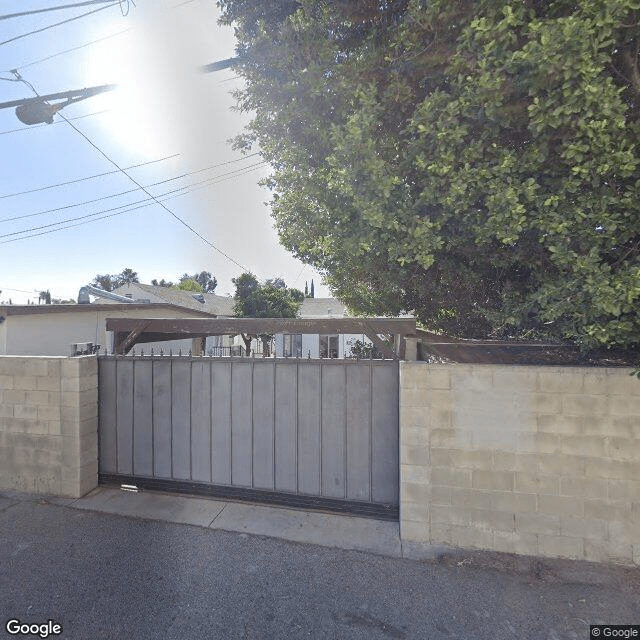
17409 1/2 Kingsbury St., Granada Hills, CA 91344
To contact a resident: (818) 370-7629
For more information about senior living options: (866) 208-4318
Nina's Angel Care Homes Inc. Costs & Pricing
Nina's Angel Care Homes Inc. offers competitive pricing for their room options, particularly when compared to both Los Angeles County and the broader California market. The monthly cost for a semi-private room at Nina's facility is $2,500, significantly lower than the county average of $3,349 and the state average of $3,333. Similarly, for private rooms, Nina's rate of $3,500 also undercuts both local and state averages - $4,197 in Los Angeles County and $3,939 statewide. These pricing advantages highlight Nina's commitment to providing accessible care without compromising quality.
| Floor plans | Nina's Angel Care Homes Inc. | Los Angeles County | California |
|---|---|---|---|
| Semi-Private | $2,500 | $3,349 | $3,333 |
| Private | $3,500 | $4,197 | $3,939 |
Senior living communities with a similar price nearby
-
from -$300 / mo
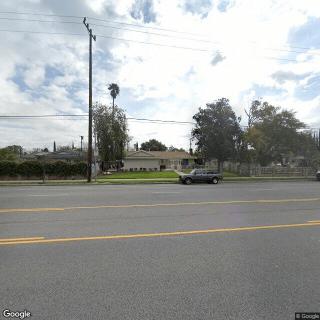
Precious Someone Homecare
$2,200 to $3,300 / month7.2 miles away -
from +$250 / mo
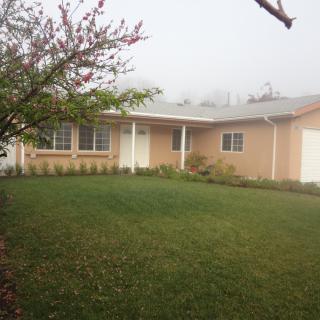
Dignity Care Home 1
$2,750 to $4,150 / month2.7 miles away -
About the same
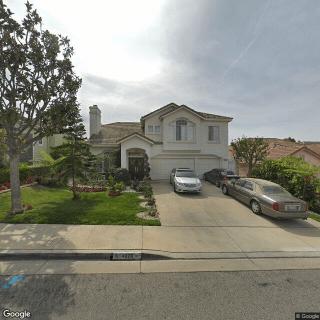
Eleanor's Residential Home
$2,500 to $6,000 / month20.1 miles away -
from -$300 / mo
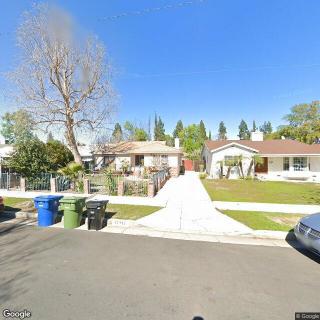
Granada Hills Gardens
$2,200 to $3,500 / month0.4 miles away -
About the same
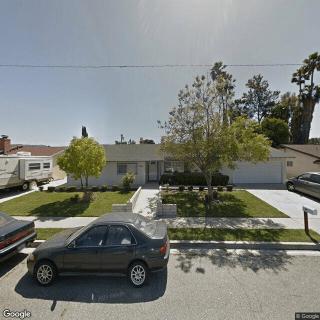
Our Home
$2,500 to $3,000 / month15.0 miles away
Overall Review of Nina's Angel Care Homes Inc.
Pros
 Angie is an exceptional caregiver whose dedication, kindness, and professionalism have made a significant difference in the mother’s quality of life.
- Angie is attentive, compassionate, and treats her with the utmost respect and dignity.
- Angie has the highest recommendation as a caregiver.
- The caregiver was very nice.
- The mother’s environment is comfortable and suits her needs.
- The mother is smiling during visits, with no concerns observed.
- The home is clean and well maintained.
- The care is provided by a dedicated husband-and-wife team.
Cons
 The home was very small and lacked the cheerful element they were looking for.
- The reviewer did not like anything about the place and felt it seemed to be for the desperate, not for them.
Review
This community is best suited for families seeking an intimate, caregiver-driven setting where highly personalized attention can be delivered by a small team or a single dedicated operator. Granada Hills residents benefit from a home-like atmosphere, where care feels hands-on and relationships can form quickly. When a loved one thrives on routine, direct medication oversight, and frequent personal contact, Nina’s Angel Care Homes can be a strong match. The standout element is the emphasis on one-on-one care, with caregivers who establish rapport and demonstrate genuine respect and dignity in daily interactions.
Those who should consider alternatives are families looking for a larger, more socialized milieu with structured programming, abundant activities, and broad-staff coverage across shifts. If a resident requires constant, varied engagement, or if there is a need for a robust activity calendar and predictable staffing, another option may better fit. The strongest warning signs come from feedback that the setting can feel sparse or lacking in cheerful energy, and from perceptions that the home’s size translates to limited ambience or stimulation. For individuals who prize a bustling community or more extensive amenities, alternatives deserve serious exploration.
On the plus side, the most consistent pros revolve around care quality and attentiveness. A caregiver named Angie is repeatedly praised for exceptional dedication, kindness, and professionalism, delivering a level of companionship that meaningfully improves quality of life. The owner’s direct involvement in managing medications adds a layer of reliability and reduces the burden on the family to supervise treatment plans. The home itself is described as clean and well-maintained, with residents who appear comfortable and smiling during visits. A husband-and-wife team offering hands-on care further reinforces the sense that residents receive stable, familiar coverage rather than shifting, high-rotation staff.
Yet, the principal drawbacks temper those strengths. The size of the home, small and intimate, limits social opportunities and the breadth of amenities, which can leave some residents feeling closed-in or under-stimulated. At least one reviewer found the environment to be insufficiently cheerful, and another painted a harsher picture, suggesting it felt like a place for the desperate rather than a desirable option. Inconsistent experiences across reviews signal that what one family encounters as “excellent” care may not be universal; care quality may hinge on who is present and when, not just the setting itself. The variability creates a meaningful risk for families seeking predictable outcomes.
The key pros offset some cons when a loved one benefits from direct caregiver continuity and a home setting that emphasizes dignity and routine. The combination of meticulous medication management, attentive turning and positioning, and visible caregiver commitment can produce meaningful stability for residents who prefer a quiet, predictable day-to-day. However, the same strengths strain against the inherent limits of a small home when social needs or stimulating activities are a priority. In practice, families should anticipate that staff availability and energy are deeply influenced by the day-to-day schedule and turnover, factors that can shift the resident experience more than in larger facilities.
For families making a decision, proceed with a structured, two-pronged assessment. First, confirm the exact caregiver coverage pattern: who is in charge on typical days, who steps in when the principal caregiver is unavailable, and what the plan is for evenings or weekends. Second, probe the resident’s social and cognitive needs: will a small home provide enough engagement, or is a more active community required to prevent isolation? It is equally important to visit multiple times, speak with the owner directly about how medications are managed in practice, and request current references. When the priority is intimate, highly personalized care in a clean, respectful environment, Nina’s Angel Care Homes earns consideration as a viable option.
In the end, Nina’s Angel Care Homes is a strong fit for families prioritizing one-on-one attention, hands-on caregiver involvement, and a stable, home-like environment. It is best for those who value dignity, routine, and the reassurance that a dedicated caregiver is watching daily needs closely. For families seeking vibrant programming, broad social opportunities, and large-scale staffing, there are legitimate reasons to explore alternatives. The decision should hinge on the resident’s social needs and the importance of consistent, personalized care versus a more dynamic community experience.
 Board and Care Home
 Bath tubs
 Private
 Wheelchair accessible showers
 Burbank-Glendale-Pasadena (10 miles away)
 Diabetic care
 Incontinence care

 Nurturing Our Loved Ones: A Daughter's Journey in Caring for Her Mother
 Nurturing Our Elders: Linda's Journey of Supporting Her Mother
 A Comprehensive Exploration of Common Misunderstandings about Powers of Attorney