
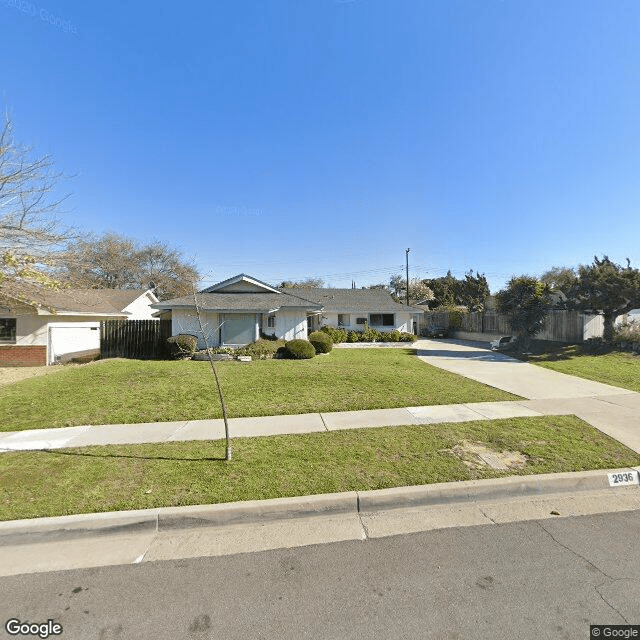
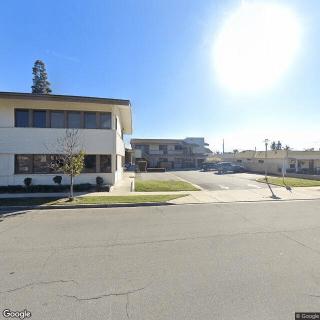
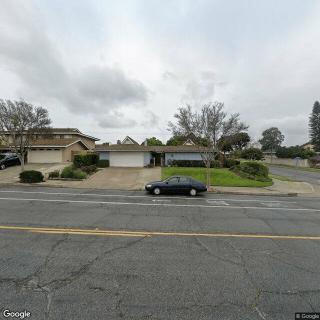
2936 Hemlock, Fullerton, CA 92835
To contact a resident: (714) 321-2216
For more information about senior living options: (866) 208-4318
A1 Residential Care Facility Costs & Pricing
A1 Residential Care Facility offers competitive pricing compared to both Orange County and the broader California market, making it an attractive option for those seeking residential care. For semi-private accommodations, A1's monthly fee of $1,800 significantly undercuts the average costs in Orange County at $3,431 and California at $3,333. Similarly, their private rooms are priced at $2,500, which is substantially lower than Orange County's average of $4,104 and California's average of $3,939. Even studio apartments at A1 are competitively priced at $2,600 versus $4,313 in Orange County and $4,145 statewide. These figures highlight A1's commitment to providing quality care while ensuring affordability for families navigating the complexities of long-term residential options.
| Floor plans | A1 Residential Care Facility | Orange County | California |
|---|---|---|---|
| Semi-Private | $1,800 | $3,431 | $3,333 |
| Private | $2,500 | $4,104 | $3,939 |
| Studio | $2,600 | $4,313 | $4,145 |
Memory care communities with a similar price nearby
-
from +$200 / mo
John Villa's Home Care
$2,000 to $3,000 / month16.4 miles away -
from +$200 / mo
House Of Grace
$2,000 to $4,200 / month17.5 miles away -
from +$150 / mo
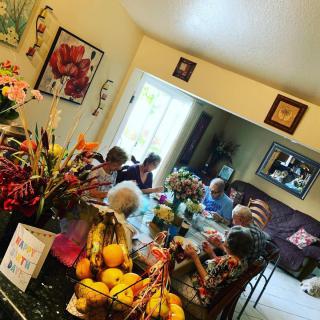
Select Senior Care, LLC
$1,950 to $6,200 / month7.7 miles away -
from -$300 / mo
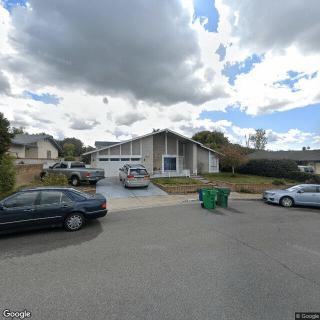
Azar Residential Care Facility
$1,500 to $2,500 / month24.5 miles away -
About the same
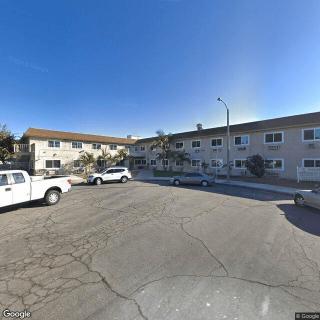
Palms Retirement Center
$1,800 to $3,495 / month3.0 miles away
Overall Review of A1 Residential Care Facility
Pros
 The team is warm, reliable, and incredibly attentive.
- They treat every client with dignity and respect.
- They go above and beyond daily.
- They deliver exceptional care with a personal touch.
- They feel like an extension of the family.
- Loved ones feel safe, cared for, and genuinely valued.
Review
A1 Residential Care Facility in Fullerton is best suited for seniors who want a truly personal, home-like care environment and for families seeking hands-on, reliable support without a large institutional footprint. The core appeal is a warm, respectful approach that treats elders as individuals with history, preferences, and dignity. This community stands out when daily routines are carried out with a personal touch, and caregivers take time to build genuine connections rather than perform tasks at arm’s length. The resulting experience feels like safety through familiarity, with caregivers who come across as part of the family and deliver a steady, calm day-to-day environment for residents and their relatives.
Who may want to consider alternatives? If medical complexity requires constant on-site nursing, immediate access to advanced therapies, or a structured memory-care program, a larger or more clinically oriented setting could be a better fit. Families needing a robust social calendar with formal programming or around-the-clock supervision may find a different model more aligned with expectations. Location and cost are practical determinants as well; if travel to appointments is burdensome or the price point stretches budget, exploring other providers with different care tiers or locations is prudent.
The strongest advantages are warmth, reliability, attentiveness, dignity, and a personal touch. These traits directly address common risks in home-based or small-residence care, namely turnover, impersonal interactions, and uneven assistance. When staff consistently show up with patience and good humor, families gain peace of mind knowing the person is cared for with respect and kindness. Practical help with daily tasks supports longer independence, while companionship reduces loneliness and fosters engagement. The care feels relational and trustworthy, not transactional, which profoundly reduces family stress. Still, the absence of formal medical oversight or expansive amenities can leave gaps for residents with evolving clinical needs.
Caution is warranted because the current evidence comes from a single glowing testimonial and a perfect rating. That narrow data set should prompt thorough vetting: request current caregiver-to-resident ratios, inquire about turnover, and ask for written care plans, emergency procedures, and escalation paths. Arrange an in-person visit to observe how interactions unfold, noting whether staff respond consistently across shifts. Confirm what services are included in the fee and what would incur additional charges, since even a highly praised personal approach can be undermined by hidden costs or limited coverage during evenings and weekends.
A practical decision framework focuses on delivery, not promises. Prospective families should assess how the intimate, family-like vibe translates during evenings and weekends when staffing patterns shift, and verify capabilities for medications, mobility support, and crisis response. Compare this option against alternatives by evaluating safety features, accessibility, proximity to medical providers, and the breadth of social opportunities. A strong, personal connection with caregivers matters, but continuity and reliability across the care team are essential to sustain that trust over time. The aim is to ensure the warmth described remains consistent, not a one-off.
Bottom line: for families prioritizing a highly personalized, compassionate, “extension-of-family” approach, A1 Residential Care Facility presents a compelling fit in Fullerton. The pros create a meaningful cushion against the uncertainties of at-home care and small residential settings, delivering care that feels individualized and dependable. Yet the evidence remains limited to one perspective, so the prudent course is to corroborate experiences, request references, and schedule a firsthand visit to verify consistency. If those checks align, this community becomes a strong candidate; if not, it is wise to compare against options with broader medical capabilities and more formal programming.
 Board and Care Home
 Memory Care
 Private
 Long Beach (Daugherty) (15 miles away)
 Dementia Behaviors: In-Depth Understanding and Effective Coping Strategies
 5 Early Indicators of Dementia and What You Can Do
 8 Important Indicators That Memory Care May Be Necessary