

1950 Sunnycrest Dr, #1400, Fullerton, CA 92835
To contact a resident: (714) 706-4253
For more information about senior living options: (866) 208-4318
Overall Review of The Memory Spa
Pros
 The Memory Spa provides fantastic service to families needing special care and attention for loved ones with memory issues.
- The staff are patient, kind, and genuinely caring, greeting residents by name and offering compliments.
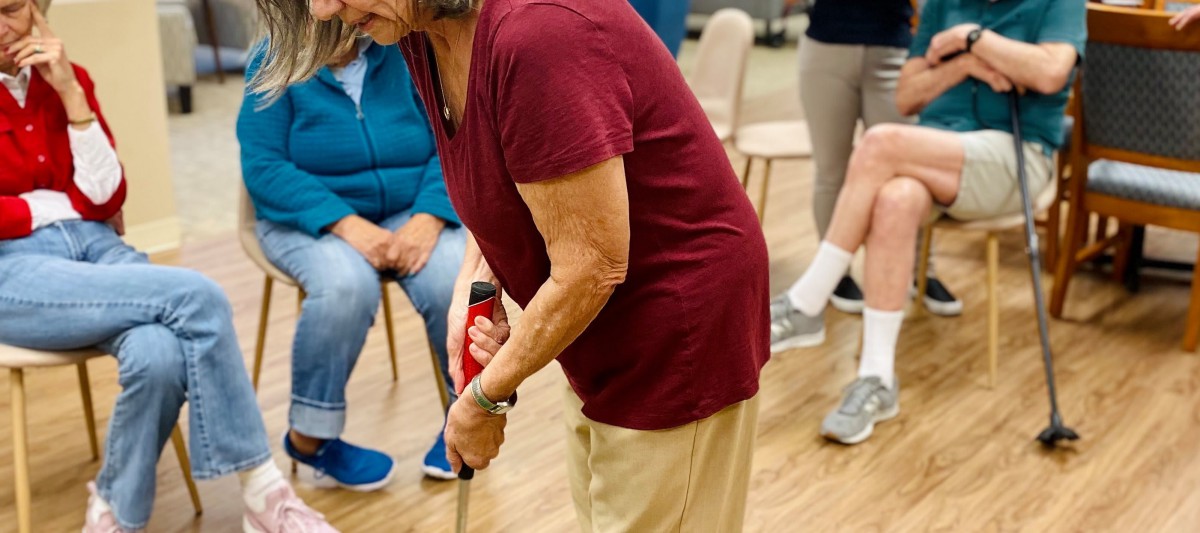
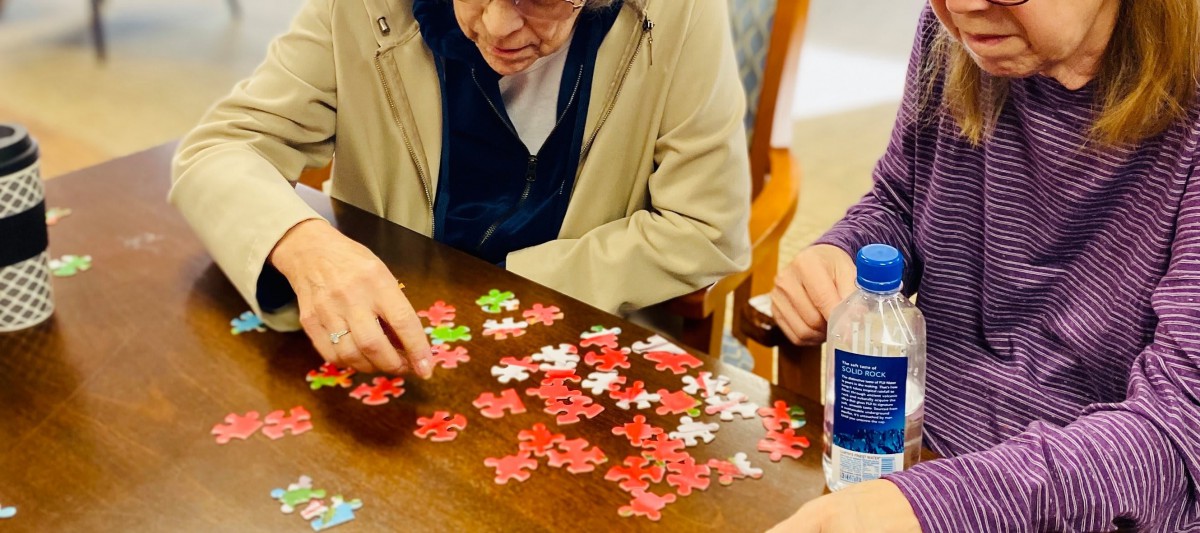
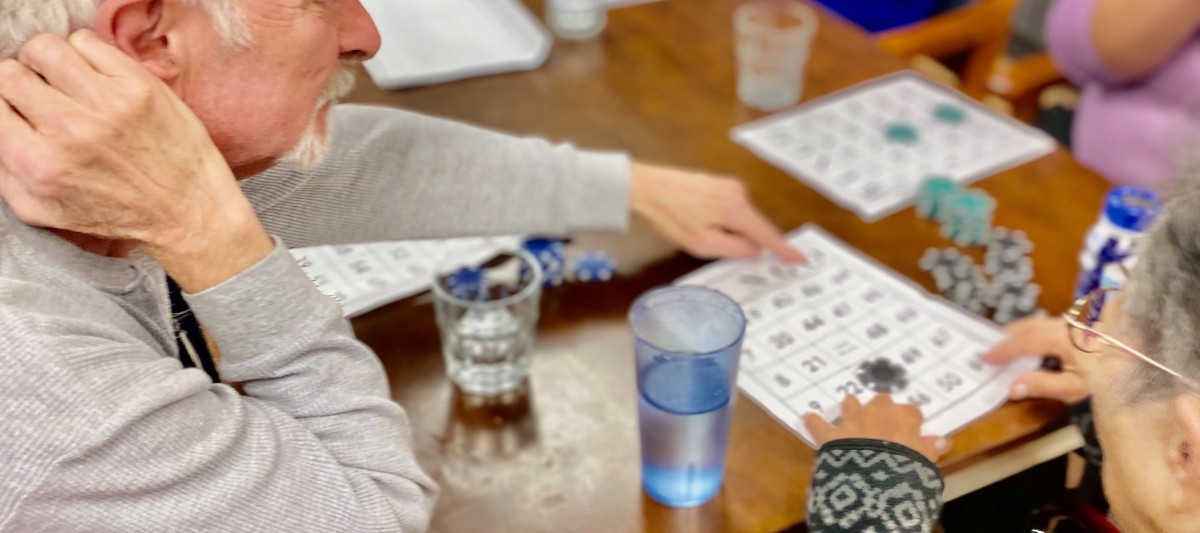
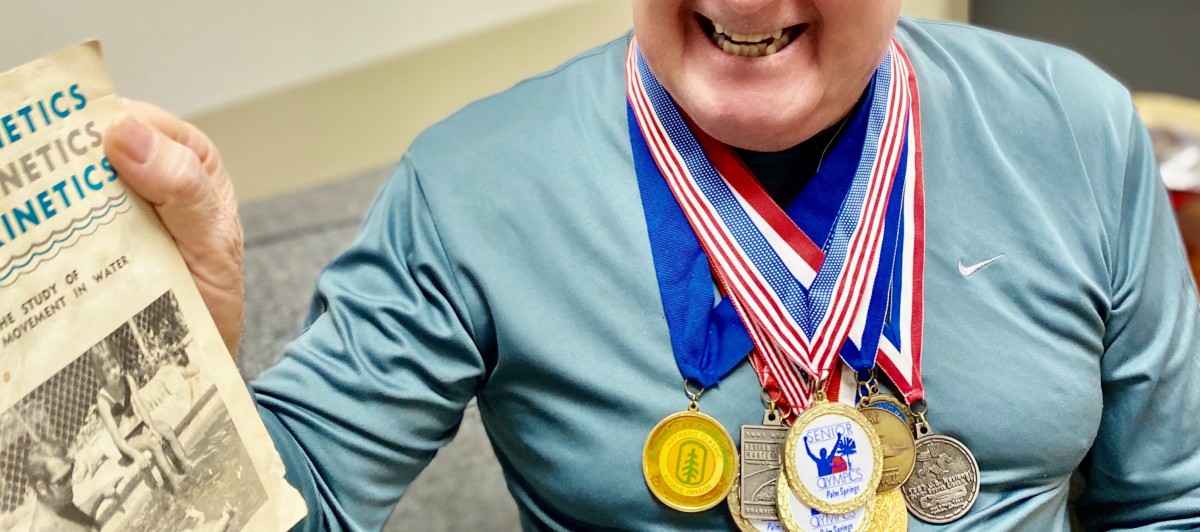
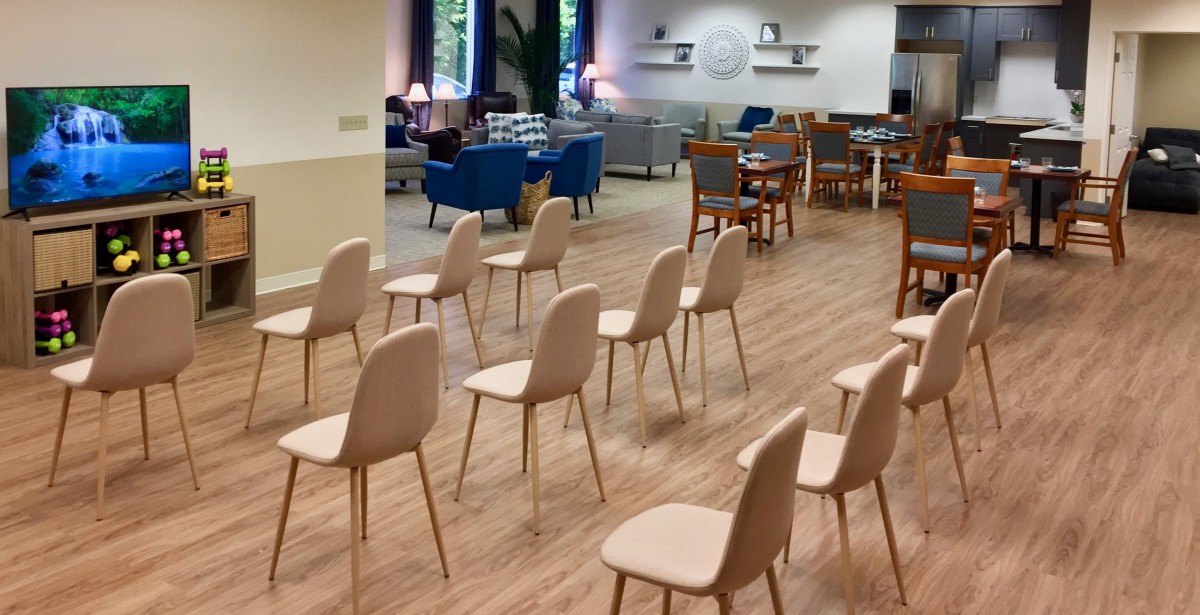
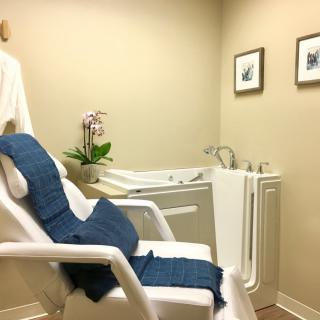
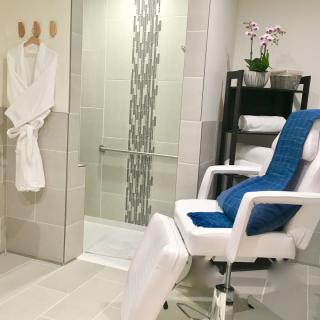
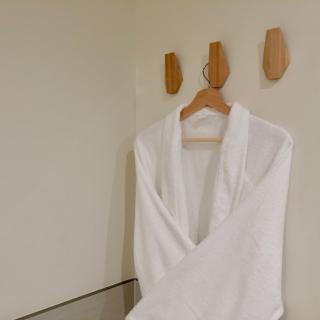
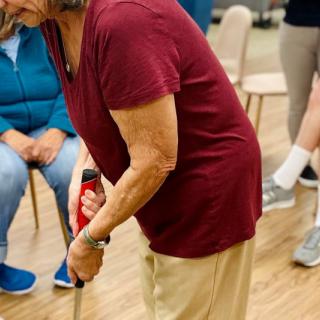
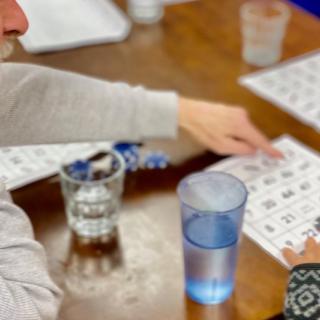
- Residents engage in meaningful activities, including mental and physical exercises, as well as spa services.
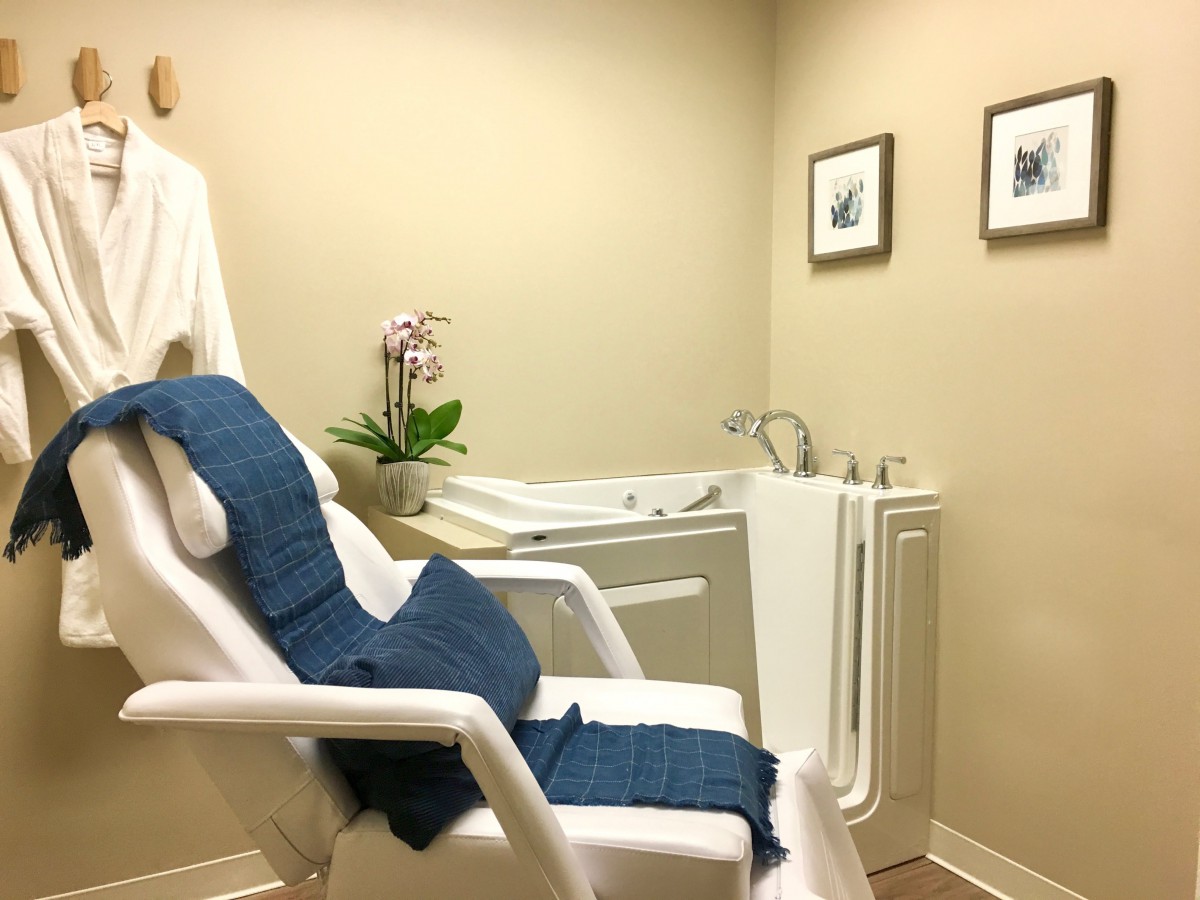
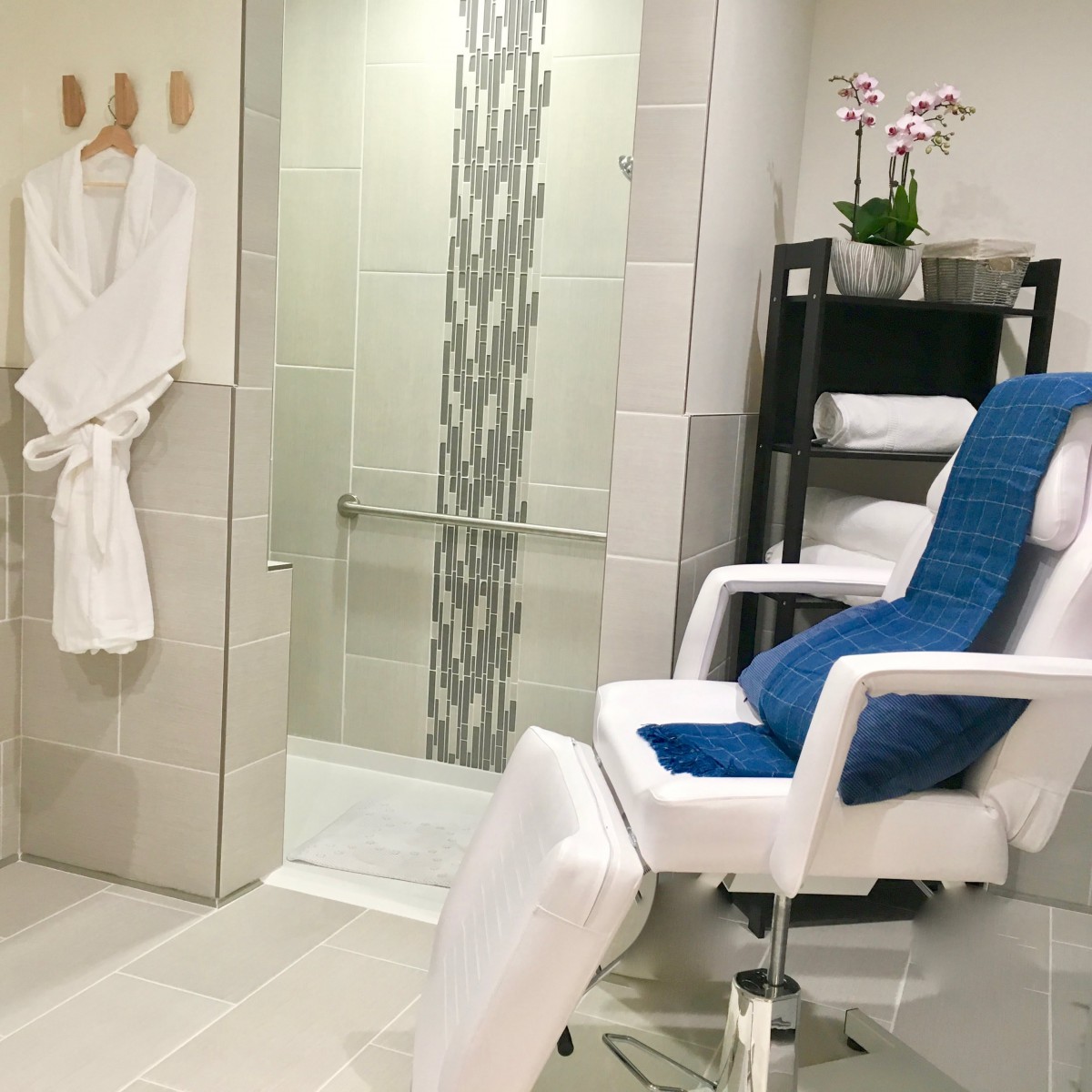
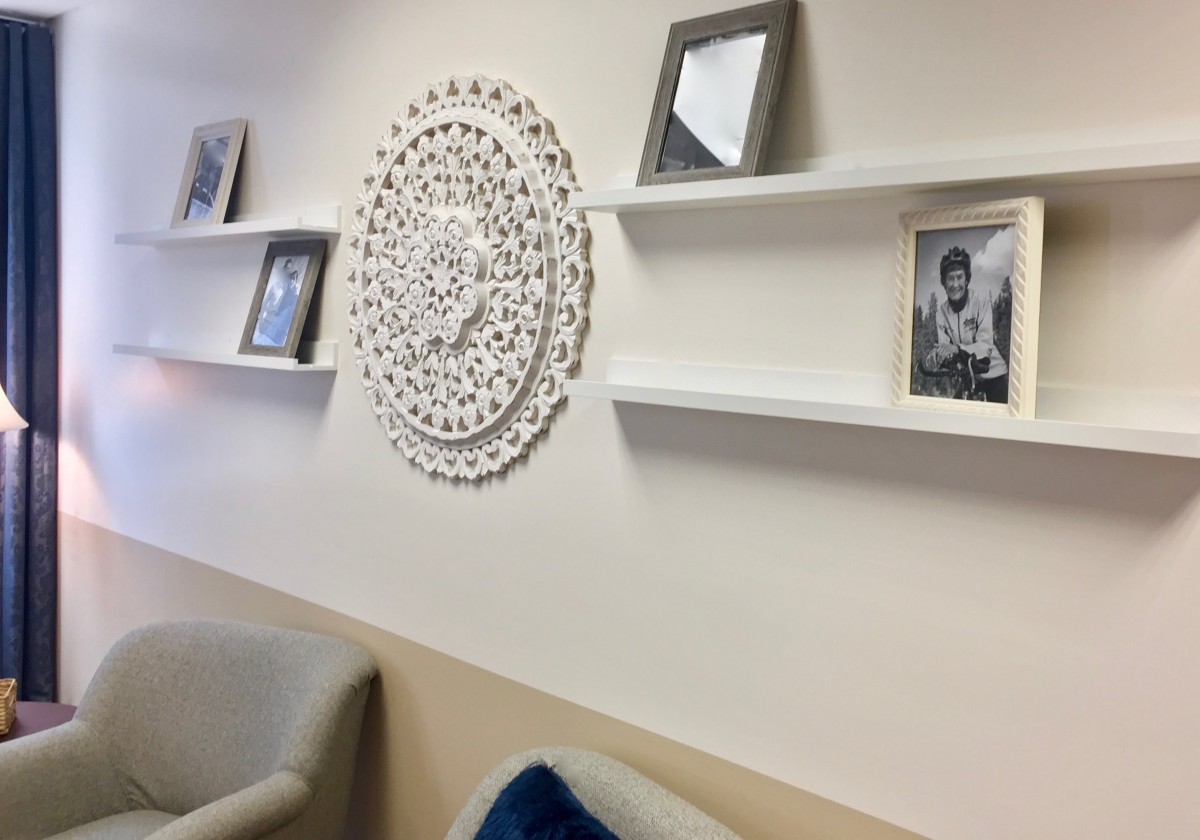
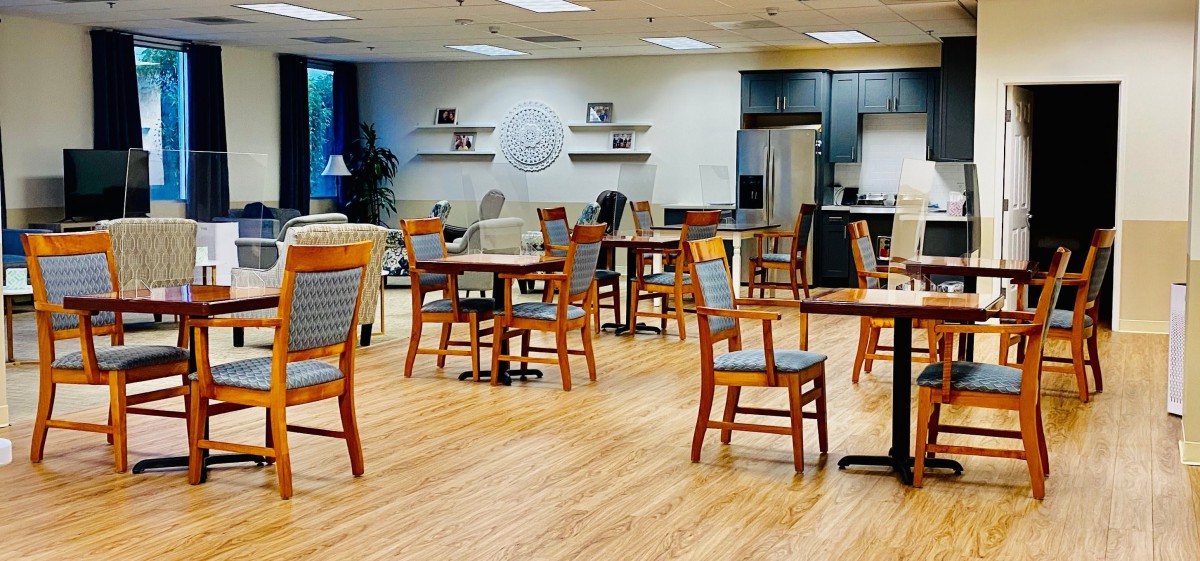
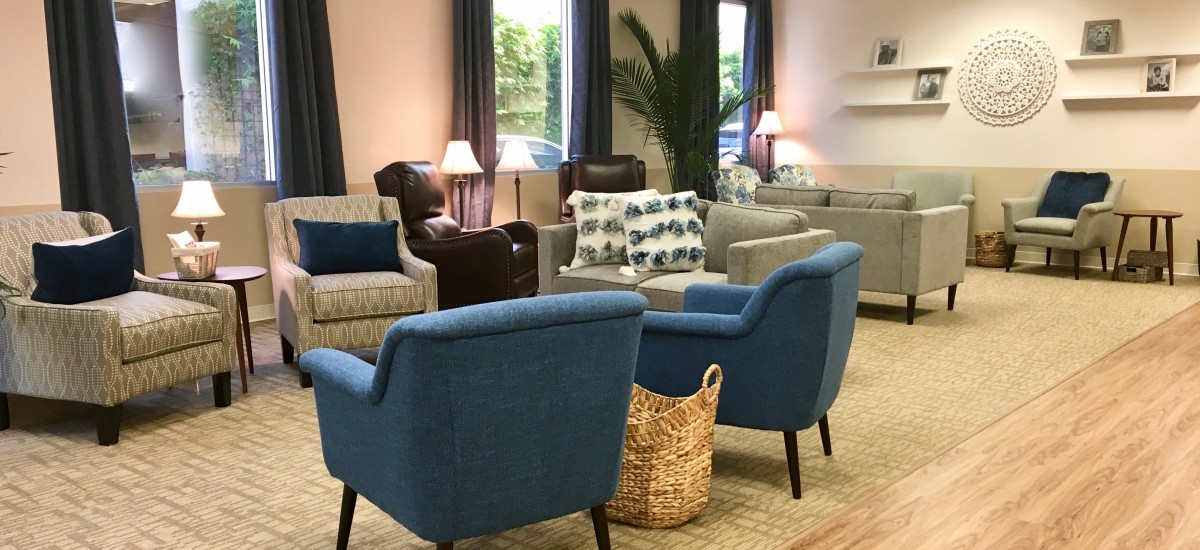
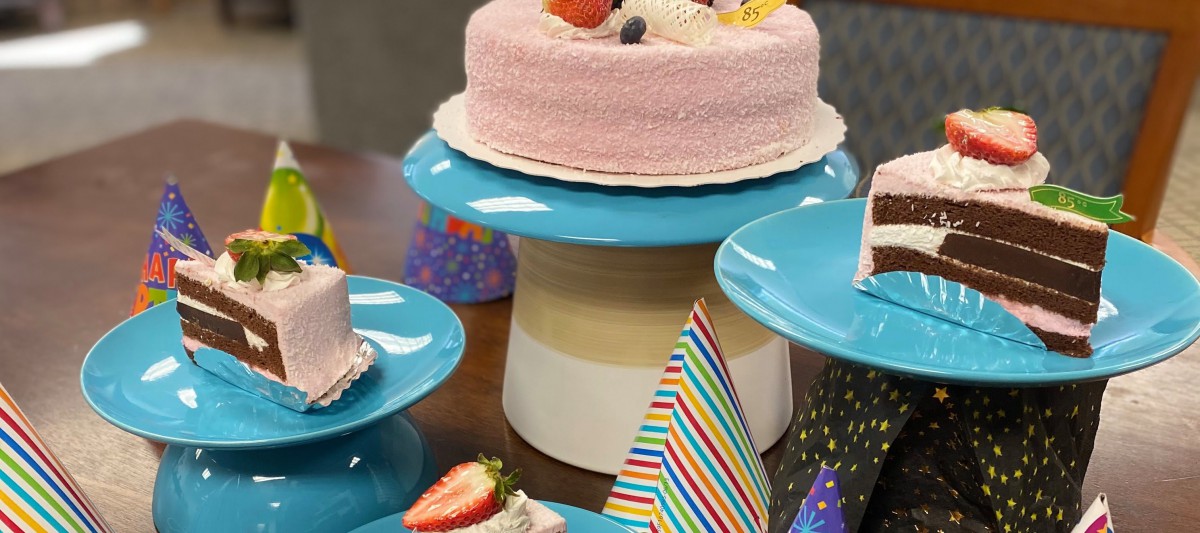
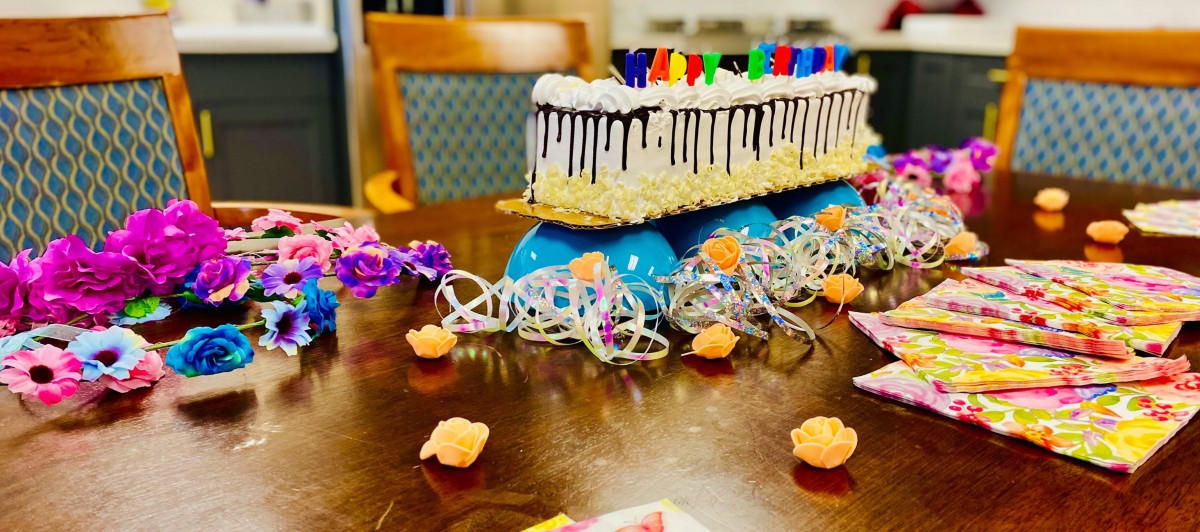
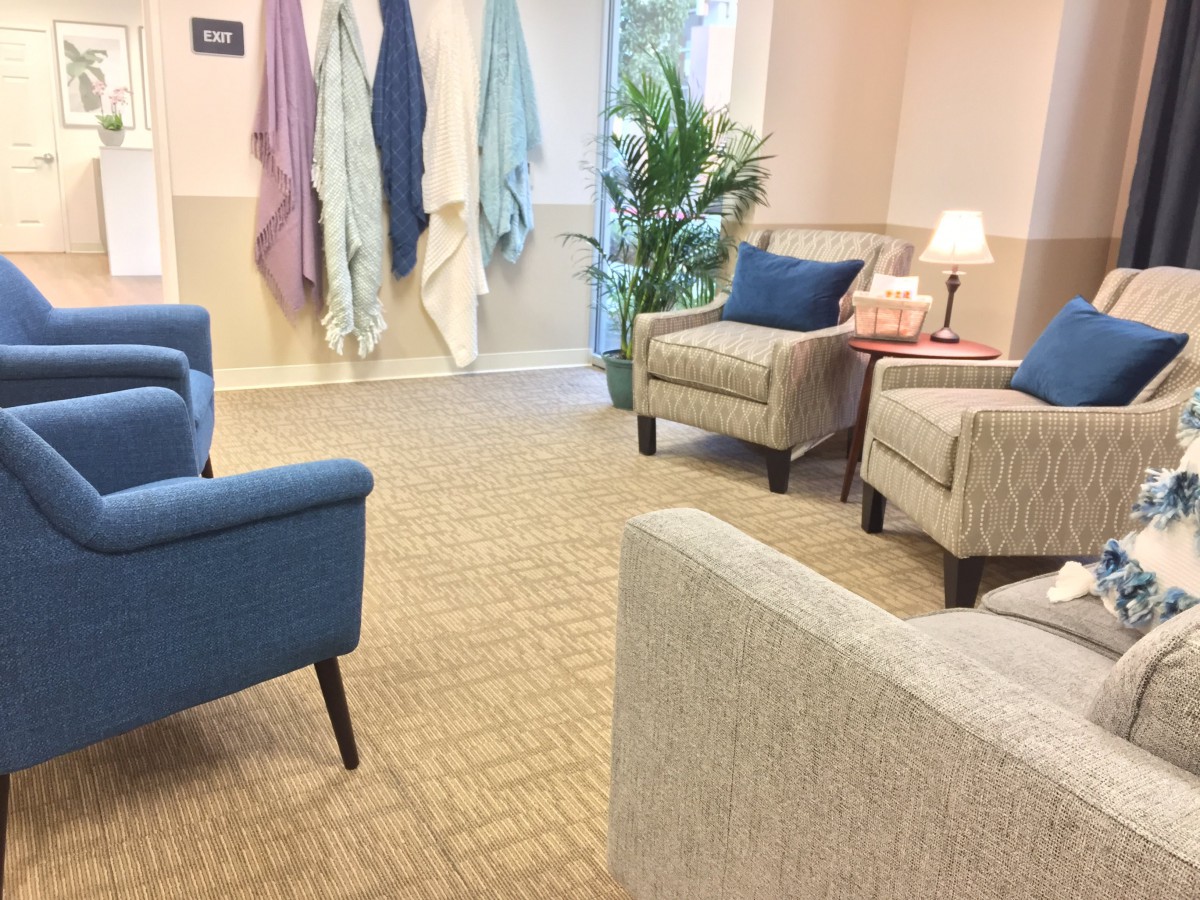
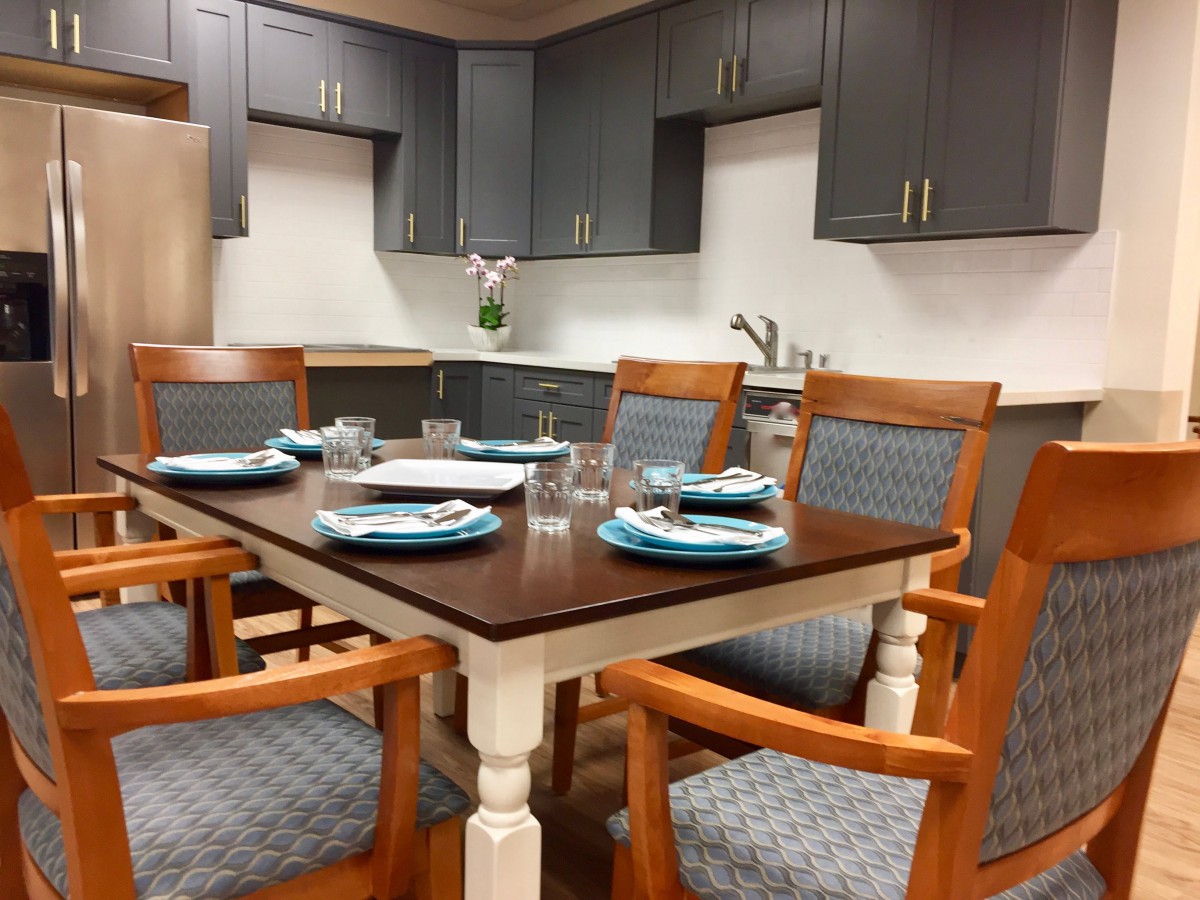
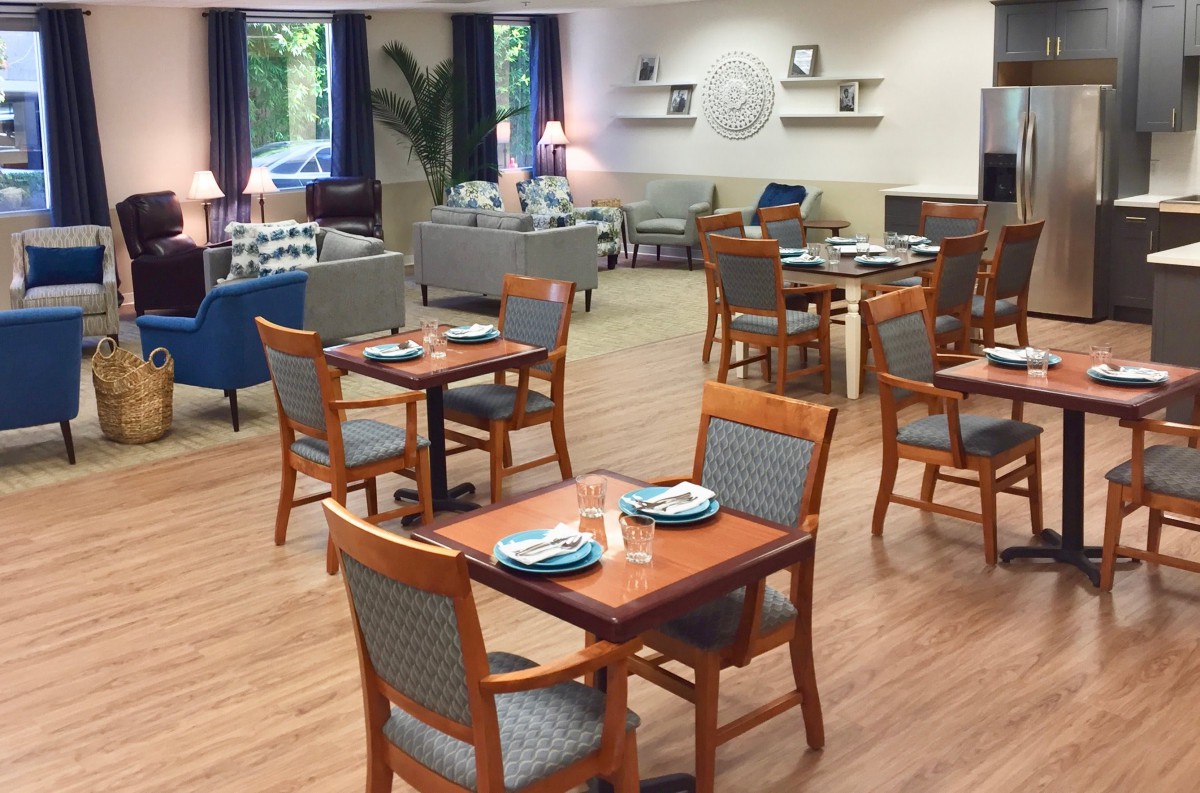
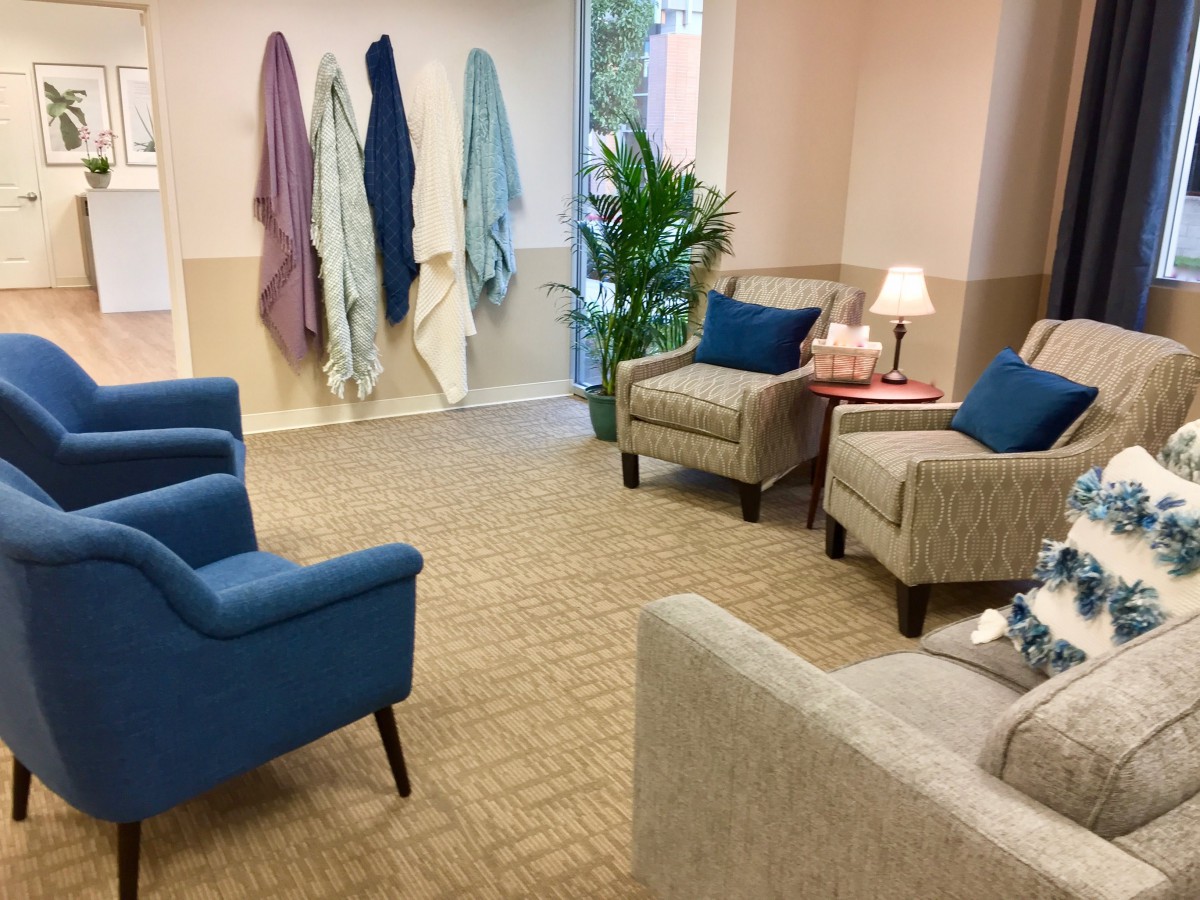
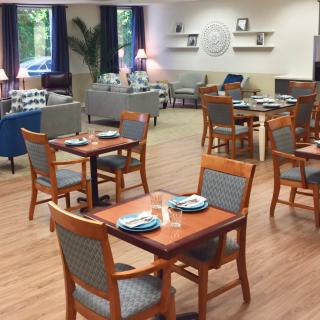
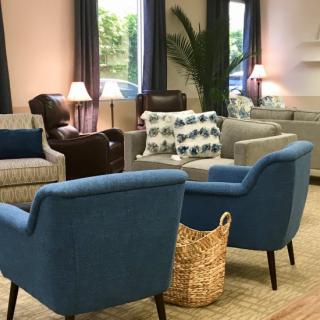
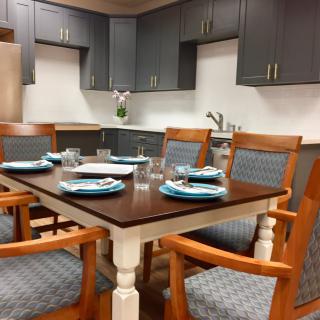
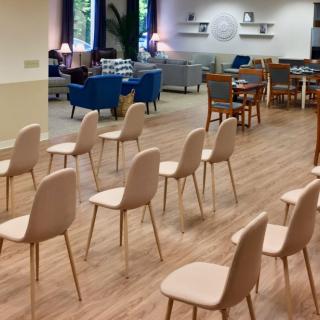
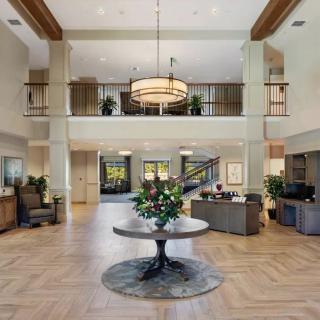
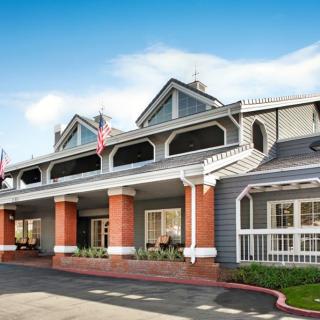
- The environment is bright, clean, inviting, and cozy, creating a comfortable atmosphere.
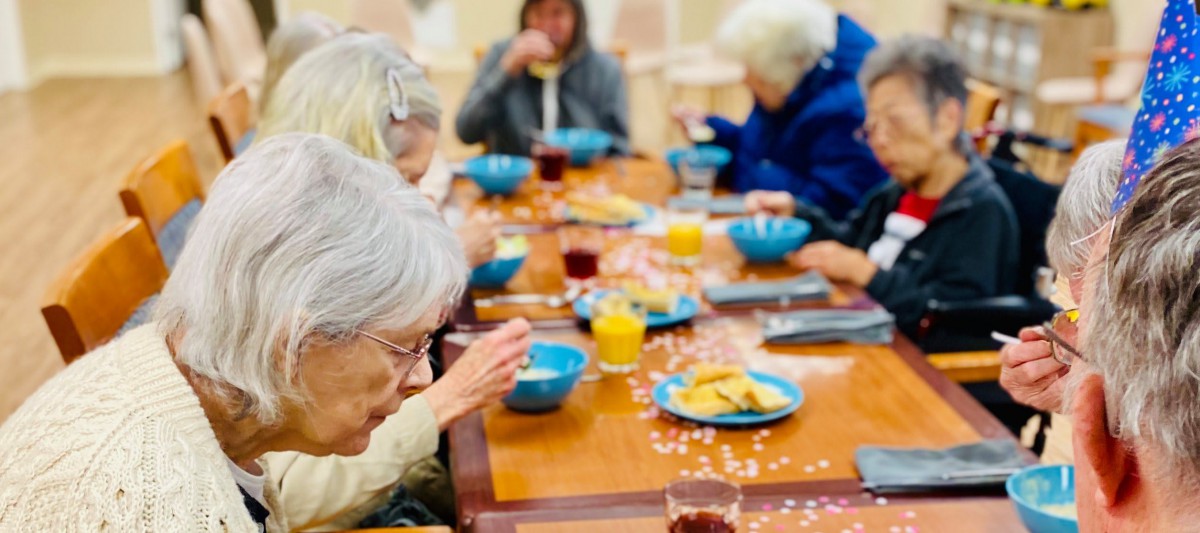
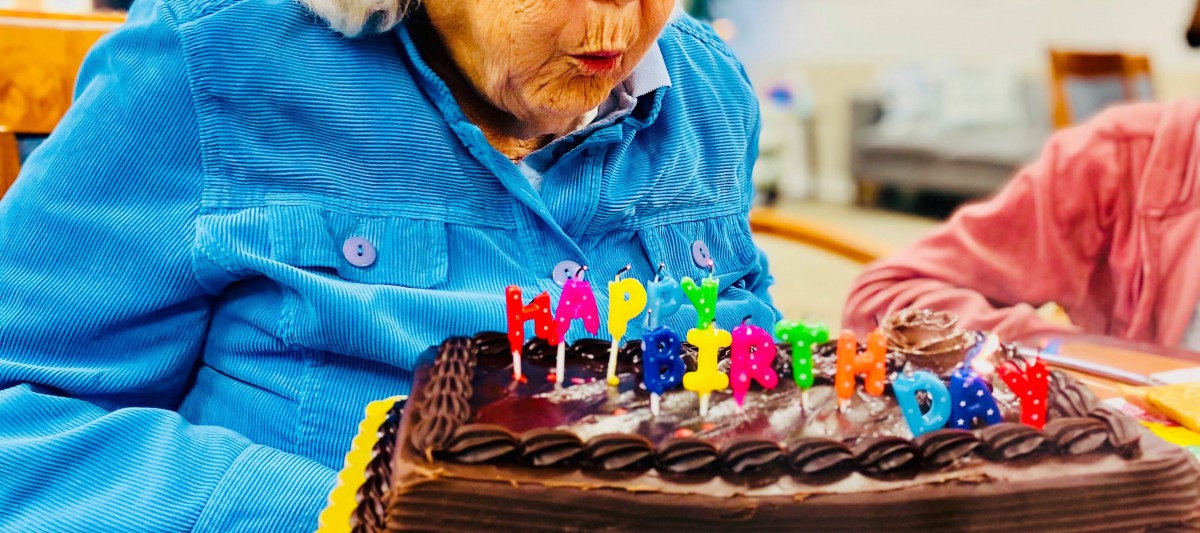
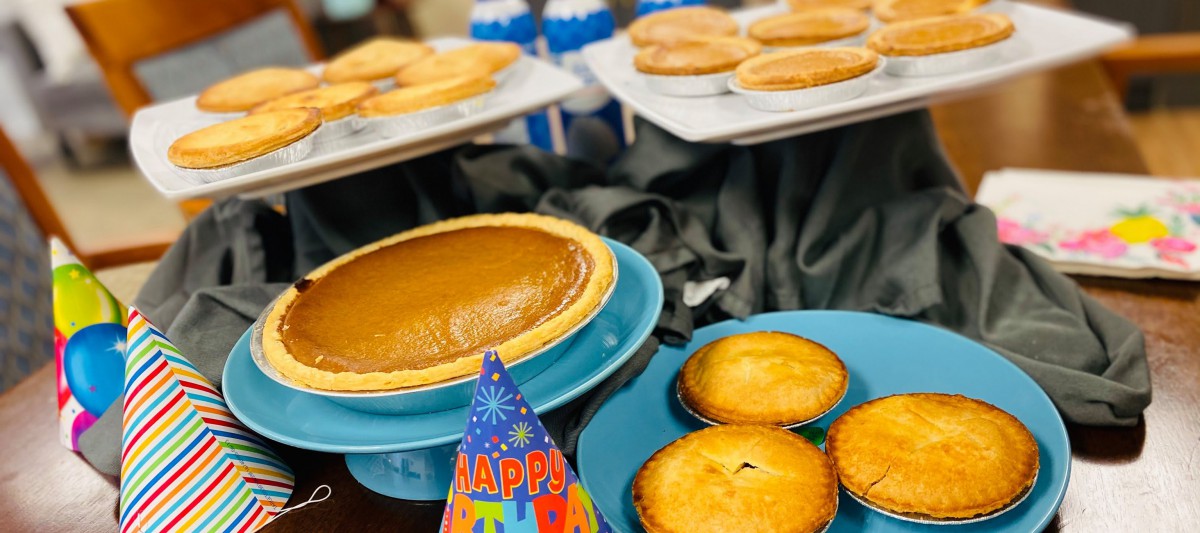
- The meals and programs are enjoyable, with catered lunches that residents love.
- The Memory Spa is a unique facility with a compassionate approach to dementia care.
- It offers a safe, structured day program with trained staff and thoughtful monitoring.
Cons
 They were frustrated by COVID restrictions that limited visits to only the lobby.
- The pandemic shutdown took a toll on the reviewer and their mother, who had no meaningful activities during that time.
- The period of closure left them worried about their loved one’s engagement and well-being.
Review
The Memory Spa in Fullerton is best suited for families seeking a warm, intimate, dementia-focused daytime program that keeps a loved one engaged, socially connected, and well cared-for during the day. This is a small, home-like setting where staff know residents by name, track preferences, and tailor daily routines to individual strengths and dislikes. It is not a residential campus with overnight supervision or a broad continuum of care; it functions as a focused day program that provides structure, meaningful activity, and personal attention for memory-impaired seniors.
Those weighing alternatives should recognize that this is not the right fit for anyone needing round-the-clock care or medical oversight. If 24/7 supervision, hospital-style support, or a larger community with more clinical staffing is required, traditional assisted living or dedicated memory-care campuses should be explored. For families preferring to remain at home but desiring a structured, engaging daytime program, a memory-focused day service like this can be a bridge; for longer-term needs or rapid changes in health status, more comprehensive options will be necessary.
The core strengths lie in the staff’s genuine warmth and the program’s tight-knit structure. Residents are greeted personally, spoken to with kindness, and encouraged through activities that combine mental and physical engagement. The programming is clearly designed around memory care: memory-stimulating exercises, social games, and purposeful routines that reinforce orientation and mood. The addition of spa services, catered lunches, and a calm, inviting environment enhances comfort and dignity, making each visit something residents look forward to rather than endure. A small enrollment cap, roughly 25 people, supports attentive monitoring, consistent caregiver-resident interactions, and a sense of belonging that larger centers struggle to replicate.
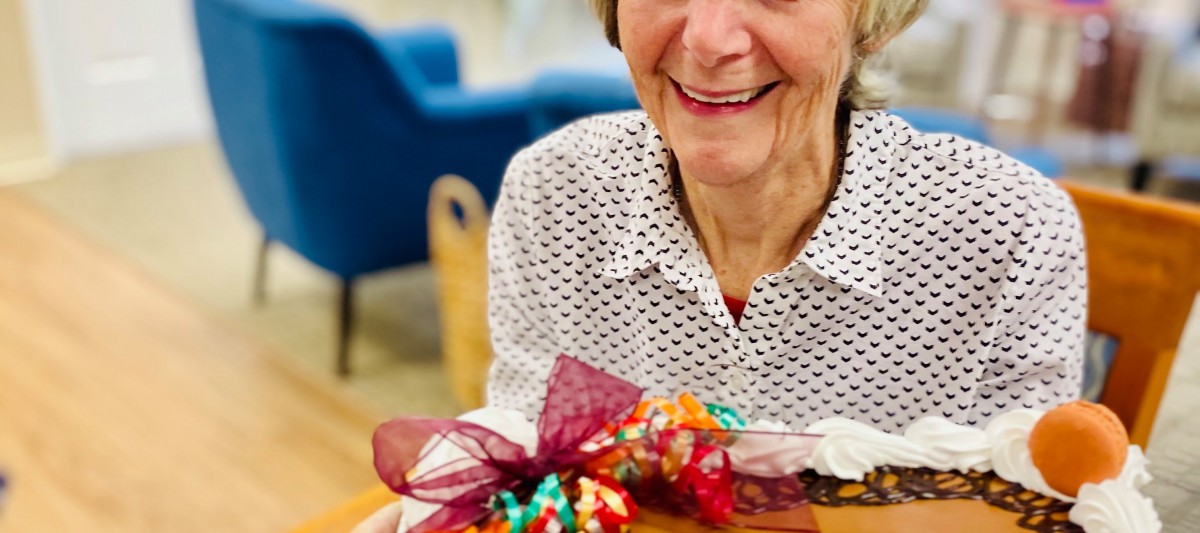
Families consistently note tangible benefits: increased happiness and engagement for the loved one, improved mood upon returning home, and a perception that daily life is richer when the Memory Spa is involved. The environment is described as bright, clean, and modern, with opportunities for daily walks, meaningful conversation, and routines that feel predictable yet adaptable. The staff’s patience and the program’s emphasis on personalized care translate into practical outcomes: residents stay socially active, participate in meaningful activities, and receive grooming and personal care in a respectful, unobtrusive manner. For caregivers, the respite and reassurance of a trustworthy day program can be a decisive factor.
The main tradeoffs center on the program’s scope and schedule. The Memory Spa excels at daytime engagement and a family-style atmosphere, but it does not replace the need for a full-time residence or around-the-clock supervision. Those seeking a comprehensive, clinical model with overnight care or a broader campus experience will want to explore larger memory-care communities or hybrid models. Admission limits, while beneficial for quality, also constrain availability and continuity of care if demand grows or if a family needs more flexible scheduling. Finally, while the facility reports strong safety and cleanliness, the modest size naturally limits on-site medical resources and the depth of therapeutic offerings compared to larger operators.
Decision-making guidance centers on alignment with care goals and practical logistics. For families prioritizing meaningful daytime engagement, consistent staffing, and a nurturing, family-like setting, The Memory Spa stands out as a top option in the Fullerton area. Prospective clients should request a trial day or observed session to gauge how the resident responds to the routine, staff interactions, and activity mix. Inquire about staffing ratios during peak hours, how care plans are created and updated, what happens if a resident’s needs escalate, and how flexible scheduling can accommodate hospital visits or family commitments. Cost comparisons should factor in the value of individualized attention and the potential caregiver relief gained from a reliable daytime program. When the goal is to maximize quality of life and personal dignity for a loved one with dementia in a compact, empathetic setting, this Memory Spa delivers a compelling, well-structured option, and a clear path for families to move forward confidently.
 Day Program
 Air-conditioning
 Bath tubs
 Cable or satellite TV
 Devotional services off-site
 Indoor common areas
 Private bathrooms
 Wi-Fi/high-speed internet available
 Long Beach (Daugherty) (15 miles away)
 High acuity care
 Incontinence care
 Medication management
 Gluten-free
 Art classes
 Day trips and outings
 Forever fit
 Happy hour
 Karaoke
 Live dance or theater performances
 Live musical performances
 Live well programs
 Wine tasting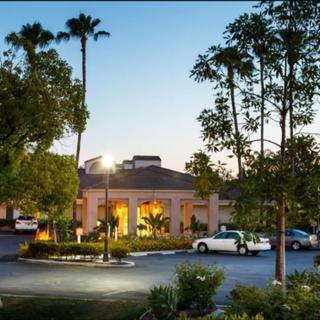
 Navigating the Tax Landscape of Caregiving: Credits, Deductions, and Beyond
 Highly Beneficial Low-Impact Exercises for Senior Living Residents
 Is In-Home Healthcare Tax Deductible? Your Comprehensive Guide