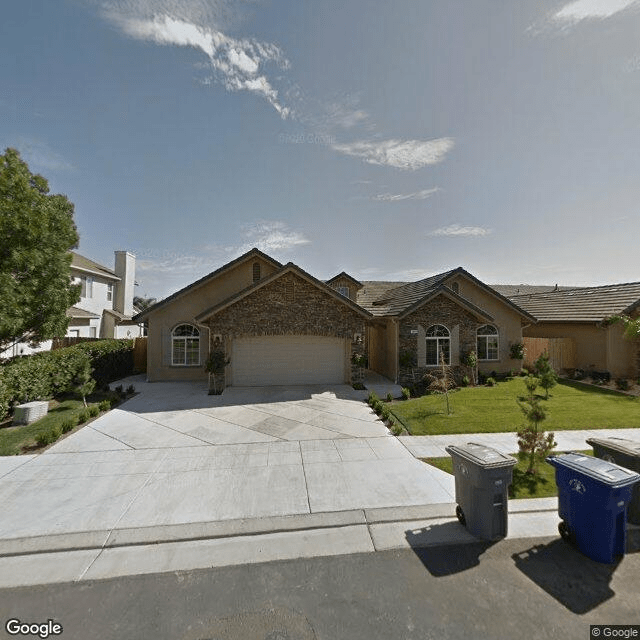
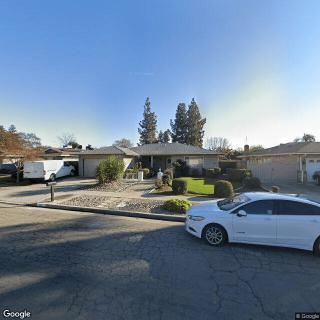
2842 Calimyrna Avenue, Clovis, CA 93611
To contact a resident: (559) 326-0953
For more information about senior living options: (866) 208-4318
A Place Called Home Residential Care #4 Costs & Pricing
At A Place Called Home Residential Care #4, the monthly cost for a private room is set at $5,100. This rate exceeds both the average costs in Fresno County, which stands at $3,589, and the broader state average of $3,939 for similar accommodations. Such a pricing structure reflects the specialized care and unique amenities offered by this facility, which may cater to residents seeking personalized attention and a higher quality of life. While it is situated above local and state averages, families considering this option may find that the exceptional services provided justify the investment in their loved one's well-being.
| Floor plans | A Place Called Home Residential Care #4 | Fresno County | California |
|---|---|---|---|
| Private | $5,100 | $3,589 | $3,939 |
Memory care communities with a similar price nearby
-
About the same
A Place Called Home Residential Care #3
$5,100 / month0.0 miles away -
About the same
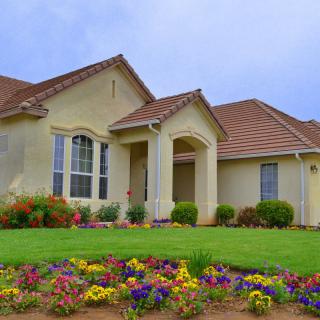
A Place Called Home Residential Care
$5,100 / month0.0 miles away -
from +$510 / mo
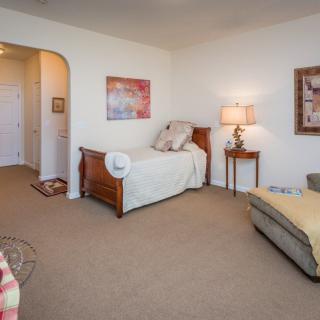
Sunrise of Fresno
$5,610 to $6,210 / month5.6 miles away -
from -$575 / mo
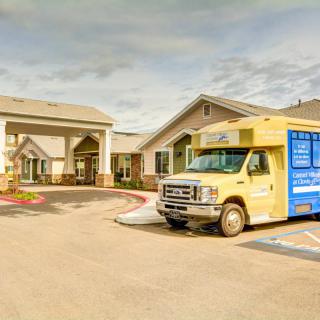
Carmel Village Memory Care & Villas
$4,525 to $5,350 / month1.9 miles away -
About the same
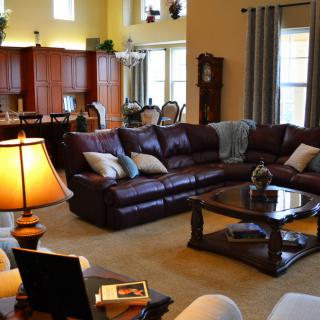
A Place Called Home Residential Care 2
$5,100 / month3.9 miles away
Overall Review of A Place Called Home Residential Care #4
Pros
 The services from David and his team are consistently top notch, with immaculately kept homes and caring, competent, and attentive staff.
- The care is phenomenal and provides peace of mind that loved ones are well cared for, the closest thing to being in their own home.
- The staff are wonderful and accommodating, providing attentive care for elderly relatives.
- Families feel at home and are very satisfied thanks to exceptionally caring staff.
- The staff are friendly and helpful, assisting with transitions such as helping residents into cars.
- Residents enjoy being in a home with other veterans and feel truly at home due to the care.
- The facility is clean and home-like, with good food, excellent communication, and an engaged, on-site caregiving team.
Review
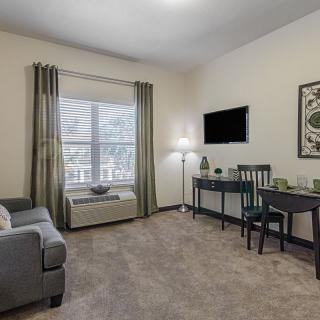
This community is best suited for families seeking a true home-like environment where an elderly loved one receives highly attentive, individualized care from caregivers who live on site. It works especially well for residents with cognitive impairment who benefit from consistent, personal attention and a small, intimate setting that feels like family more than a facility. Veterans and couples who value companionship and continuity, where staff know residents by name and daily routines resemble those at home, will find this place particularly comforting. The combination of a cheery, bright atmosphere and close-knit staff makes it a compelling choice for those prioritizing warmth, dignity, and meaningful daily engagement over formalized programming.
Those who should consider alternatives are those who want a more structured activity calendar or who require a higher degree of medical oversight and therapy options on site. Several reviews note a lack of specific activities, which can leave some residents with less scheduled stimulation than might be available elsewhere. Families needing robust on-site nursing, regular therapy sessions, or more formalized memory-care programming may find the level of medical oversight here insufficient. For seniors who thrive on highly organized routines or advanced clinical support, exploring larger communities with dedicated memory-care wings or health-care teams may be prudent.
The strongest pros, immaculate, home-like living spaces; exceptionally caring, competent staff; and near-constant family communication, more than offset the modest con of limited structured activities. The on-site presence of main caregivers translates into a remarkably stable, low-stress experience for families: when caregivers live where residents reside, the daily care is attentive, consistent, and deeply relational. Comments about the owner’s hands-on, in-tune approach reinforce a sense of trust and safety: staff are not merely performing tasks; they are part of a cohesive family-like ecosystem. The outcome is a notable reassurance for families worried about neglect or impersonal care, as evidenced by remarks that the care feels like being in one’s own home, with routines and warmth tailored to individual needs.
Another key advantage is the tangible quality of life signals observed in reviews: residents interacting with staff and each other in a relaxed, respectful atmosphere; meals and daily life that feel normal and satisfying; and optional extras such as haircuts, massages, and manicures included in the care plan. The high staff-to-resident engagement, described as “3.5 to one caregiver to resident”, enables frequent check-ins, quick response times, and meaningful conversations, all of which support cognitive well-being and emotional comfort. When families hear that communication with the family is “wonderful” and that the environment is clean and well-maintained, the overall confidence in the decision grows, especially for loved ones living with or without specific medical complexities.
In practice, this community excels for families who want an affordable, low-key, deeply personal setting where the goal is steady, compassionate caregiving rather than an on-site hospital model. Prospective movers should verify that the resident’s needs align with the home’s strengths: high-touch, relationship-driven care, everyday engagement, and a resident-centered routine in a bright, homelike residence. Tours are a smart next step, paying particular attention to how staff interact with residents, how the owner describes the daily life, and whether the resident’s preferred activities can be naturally integrated into the day-to-day rhythm. If the resident’s needs include more formal programming or frequent clinical interventions, bring those questions to the table and assess whether additional arrangements or a different setting would better meet those requirements.
The bottom-line verdict is clear: A Place Called Home Residential Care #4 stands out for families prioritizing a warm, intimate, home-like setting with exceptionally caring caregivers and strong family communication. It is ideally suited for residents who thrive on personal attention, enjoy small-group interaction, and value a living environment that feels more like home than a conventional facility. The primary caveat is the lighter emphasis on structured activities and on-site medical programming; for those seeking robust activity schedules or frequent professional therapies, alternatives should be evaluated. For families ready to embrace a setting where caregivers become a trusted, constant presence and where the resident’s dignity, comfort, and everyday happiness guide decisions, this Clovis residence earns its strong endorsement.
 Board and Care Home
 Memory Care
 Activities off-site
 Beautician on-site
 Devotional services off-site
 Indoor common areas
 Outdoor common areas
 Private
 Respite or short term stays offered
 Wheelchair accessible showers
 Fresno Yosemite International (5 miles away)
 Ambulatory care
 High acuity care
 Incontinence care
 Kosher
 Birthday parties
 Live dance or theater performances
 Live musical performances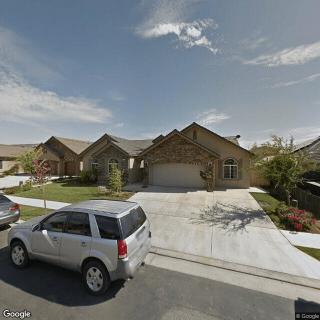

 An In-Depth Look at Reminiscence Therapy in Dementia Care
 Dementia-Related Hallucinations: Causes, Experiences, and Practical Approaches
 Illuminating Insights About Alzheimer's Disease: Ten Crucial Realities