
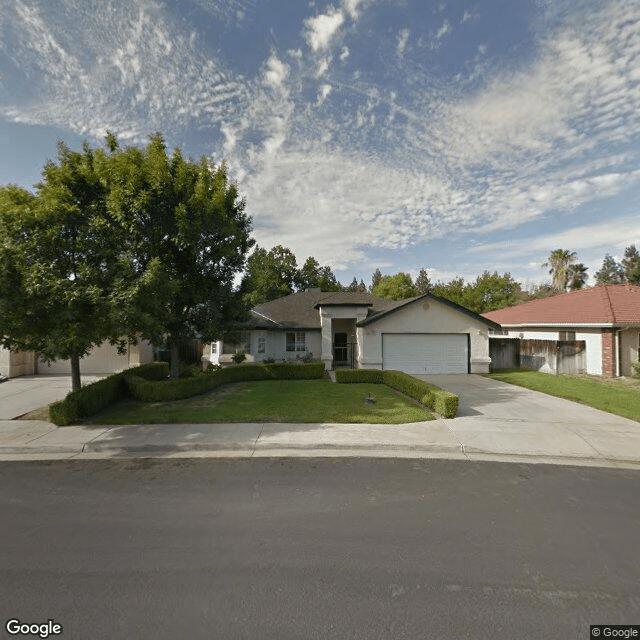
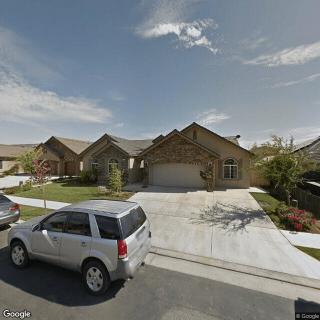
2551 Mesa Avenue, Clovis, CA 93611
For more information about senior living options: (866) 208-4318
Christina's Care Home Costs & Pricing
Christina's Care Home offers competitive pricing for its residents, showcasing affordability within the context of both Fresno County and the broader California market. For semi-private rooms, Christina's Care Home charges $2,000 per month, which is substantially lower than the average costs in Fresno County at $2,991 and the state average of $3,333. Similarly, private rooms are priced at $2,500 a month - again more economical compared to Fresno County's $3,589 and California's statewide figure of $3,939. This positioning not only highlights Christina's Care Home as an attractive option for families seeking quality care but also underscores its commitment to providing cost-effective solutions in comparison to prevailing rates in the region.
| Floor plans | Christina's Care Home | Fresno County | California |
|---|---|---|---|
| Semi-Private | $2,000 | $2,991 | $3,333 |
| Private | $2,500 | $3,589 | $3,939 |
Memory care communities with a similar price nearby
-
from +$200 / mo
Gettysburg Christian Home
$2,200 to $3,600 / month4.2 miles away -
from +$100 / mo
Sierra Palace II
$2,100 to $3,300 / month10.0 miles away -
About the same
Valley Christian Home I
$2,000 to $2,500 / month7.5 miles away -
About the same
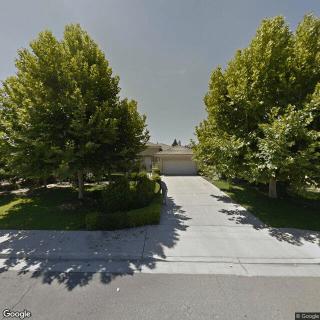
Marian Home #4
$2,000 to $3,000 / month1.5 miles away -
About the same
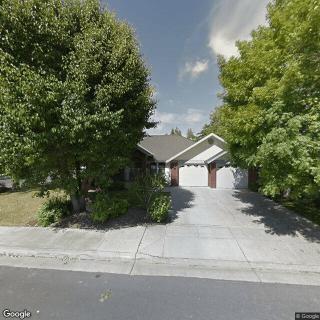
Marian Homes #3
$2,000 to $2,200 / month2.2 miles away
Overall Review of Christina's Care Home
Pros
 The owner is friendly and informative.
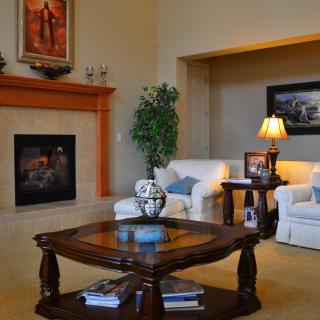
- The home is clean and comfortable.
- The staff-to-resident ratio is favorable, with two caregivers for six residents.
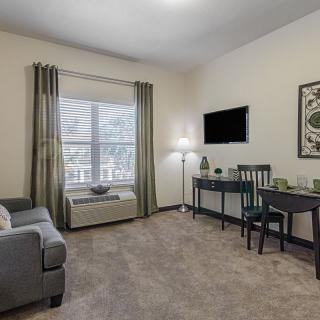
- The facility provides amenities such as TVs in residents' bedrooms.
- The staff are caring and loving toward residents.
- Staff sing to residents, which brings comfort to families and residents.
- The home is licensed for hospice care, allowing end-of-life care to stay in a familiar place.
Cons
 It wasn't what the reviewer was looking for.
- The residents were older, so it wasn't a fit for the reviewer’s husband.
- The reviewer believed a family member would not be happy there because he likes to talk to people.
- It was just out of the reviewer’s price range.
Review
Christina’s Care Home in Clovis, CA, is best suited for seniors who want a tightly run, home-like setting where care is extremely personalized. With capacity for six residents and 24/7 staff coverage, the environment feels intimate, and caregivers form consistent, meaningful relationships with residents. Families seeking a non-institutional vibe, where the owner and caregiving team communicate clearly and openly, will find a strong match here. The home emphasizes safety, cleanliness, and a comforting routine, qualities that resonate for residents who thrive on predictability and direct attention from a small caregiving team. It is especially appropriate for planning end-of-life care, because the home is licensed to provide Hospice care and can support staying in place as needs evolve.
This is not the pick for every senior, however. Those who crave robust social activity, extensive programming, or higher levels of medical oversight may be disappointed by the small scale. The resident population tends to be older and quieter, and while staff can deliver one-on-one care, the setting offers limited opportunities for socializing or structured activities that larger communities routinely provide. Affordability is another practical concern: multiple reviewers flagged price as a barrier, so families on tighter budgets should compare options or consider facilities with different pricing structures or bundled services.
The greatest strengths lie in the intimate size and attentive staffing. A six-resident home allows extraordinarily hands-on supervision, with notes of two aides for six residents at times and around-the-clock coverage that translates into prompt help with daily tasks and a sustained sense of security. Cleanliness and comfort come through consistently, and caregivers seem to know residents well, sometimes for many years. Small enhancements, such as the ability to place a TV in a resident’s bedroom, reflect a willingness to tailor the environment to personal routines and preferences.
Caregiving staff are repeatedly described as caring, patient, and devoted, with anecdotes of staff going the extra mile, singing to a resident, staying with a mom during extended care, and creating a warm, familial atmosphere. The on-site Hospice care capability is repeatedly highlighted as a major plus, allowing a loved one to stay in a familiar setting during the end-of-life phase and reducing stressful moves. The owner is seen as approachable and informative, reinforcing a sense of partnership with families, while long-tenured caregivers contribute to a stable, low-turnover environment that minimizes disruption for residents.
In balancing pros and cons, the intimate care model largely offsets the primary drawback for many families: price. For those able to absorb a higher monthly cost, the payoff is compelling, consistent caregivers, strong relational depth, a home-like routine, and the option to remain with hospice in place. For others, the same attributes can amplify affordability concerns, nudging the decision toward a larger community that offers broader services or more expansive programming at a lower price point. The choice hinges on what matters most: individualized attention and a tranquil setting, or a broader social calendar and a wider array of activities at a different cost.
Decision guidance: Christina’s Care Home is a practical, well-suited choice for seniors who prize security, personal attention, and a small-team vibe over breadth of services. It shines as a calm, compassionate place for transitional care, long-term residence for residents who prefer quiet surroundings, and for families planning hospice in place. Alternatives to consider include larger assisted-living campuses with expanded activity calendars, more social opportunities, and lower monthly price points, especially for residents who require meaningful engagement and a wider range of programming. Prospective families should visit, meet the owner and staff, observe interactions, inquire about staff turnover, review the exact care plan options, and discuss the hospice pathway to ensure alignment with the resident’s needs and the family’s expectations.
 6 resident community capacity
 Assisted Living
 Board and Care Home
 Memory Care
 Respite Care
 Cable or satellite TV
 Dining room
 Fully furnished
 Garden
 Housekeeping services
 Move-in coordination
 Outdoor space
 Private
 Telephone
 Wi-Fi/high-speed internet available
 Fresno Yosemite International (4 miles away)
 24-hour supervision
 Activities of daily living assistance
 Ambulatory care
 Assistance with bathing
 Assistance with dressing
 Assistance with transfers
 Diabetes diet
 Meal preparation and service
 Medication management
 Special dietary restrictions
 Transportation arrangement (medical)
 Transportation to doctors appointments


 Estimating the Expenses of At-Home Dementia Care: A Detailed Exploration
 Comprehensive Insights on the Late Stages of Dementia: What to Expect and How to Provide Care
 Medications Associated with Dementia Risk: A Comprehensive Overview