
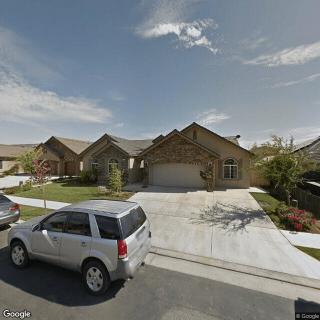
2768 Purvis Avenue, Clovis, CA 93611
For more information about senior living options: (866) 208-4318
Overall Review of Royal Care
Pros
 It seemed that everything went well during the first week.
Cons
 The owner claimed she was never paid, despite proof that she cashed the checks.
- The facility demanded an extra $600 per month for dementia care, which the family could not afford.
- The owner refused to pay the prorated amount for the month, blaming the family for breaking the contract.
- On moving day, the father was found soaked with urine and feces, and the staff said they did not need to handle it because he was moving.
- Hospice visits were given a hard time by staff who did not welcome them into the facility.
- The owner is described as a loon and is said to cause nothing but stress once she thinks she has someone locked in.
- The reviewer would never recommend this place.
Review
Royal Care in Clovis, CA is best suited for families who can actively police a facility that has demonstrated volatile billing and inconsistent day-to-day care. The community appears workable only for residents whose needs are minimal and who have a strong, hands-on family presence to oversee every step of the arrangement. For a loved one with even modest dementia-related challenges or a need for predictable, compassionate hygiene support, this setting quickly reveals itself as a poor fit. The danger signal is clear: a first impression of smooth onboarding can quickly give way to disputes, sudden cost increases, and questions about basic caregiving.
Those considering alternatives should note who should walk away: anyone dependent on reliable dementia care, stable incontinence management, or consistent partnerships with external care teams such as Hospice. Families that prize transparent pricing, straightforward contracts, and steady governance across staff and ownership will find Royal Care especially unsuitable. If the priority is a facility with verifiable billing practices, proactive care planning, and a predictable care culture, it is prudent to look elsewhere and avoid the risk of being drawn into contentious financial negotiations and care lapses.
The limited positives do not meaningfully offset the core downsides. What begins as a superficially acceptable onboarding experience becomes a pattern of problematic management and brittle policy enforcement. The initial impression, that things were satisfactory in the first week, collides with repeated, material misalignments: claims of unpaid fees despite proof of payment, shifting promises about care requirements, and sudden demands for a sizable monthly surcharge tied to dementia-related incidents. These dynamics undermine trust and raise questions about the facility’s financial integrity and their willingness to support families when needs become real and ongoing.
The most troubling cons are concrete and avoidable with proper governance. A pattern emerges of disputed payments, prorated charges ambiguously handled, and resistance to honoring agreed-upon terms as life circumstances change. Care episodes, such as a resident arriving drenched and unattended, with handlers deflecting responsibility because a move is underway, signal a failure to meet basic standards of hygiene, supervision, and timely response. Friction with external care teams, notably Hospice providers, further erodes the quality of care and creates a hostile environment for coordinating essential services. The combination of financial instability, inconsistent caregiving, and poor communication forms a credible case against continued placement.
To navigate this decision, adopt a disciplined, evidence-driven approach. Demand complete, written transparency on current ownership, management structure, and a detailed, itemized monthly cost with contingencies. Obtain a clear, enforceable contract that addresses prorations, move-out terms, and what constitutes “additional” charges, with documented consent from all parties. Request to meet the on-site administrator and frontline caregivers, and review the facility’s written policies on dementia care, incontinence management, and emergency response. If exploring placement, request a short-term, clearly defined trial with an exit plan and a guaranteed transition path to another provider if benchmarks are not met.
In sum, Royal Care should be approached with extreme caution. It is not advisable for families seeking dependable dementia care, consistent hygiene support, or transparent, dispute-free billing. The prudent path is to treat this community as a last resort, reserved for cases where families can maintain rigorous oversight and prepared contingencies. Begin with a thorough due-diligence process: verify ownership stability, obtain independent care assessments, and compare alternatives that demonstrate stable governance, predictable pricing, and a track record of reliable, compassionate care. If those assurances cannot be secured, steer decisively toward other options.
 6 resident community capacity
 Assisted Living
 Board and Care Home
 Cable or satellite TV
 Dining room
 Fully furnished
 Garden
 Housekeeping services
 Move-in coordination
 Outdoor space
 Telephone
 Wi-Fi/high-speed internet available
 Fresno Yosemite International (4 miles away)
 24-hour supervision
 Activities of daily living assistance
 Assistance with bathing
 Assistance with dressing
 Assistance with transfers
 Diabetes diet
 Meal preparation and service
 Medication management
 Special dietary restrictions
 Transportation arrangement (medical)
 Transportation to doctors appointments







 Comprehensive Residential Support and Assisted Living Solutions for Individuals with Disabilities
 Comprehensive Supportive Living Arrangements for Adults with Disabilities
 Funding and Affording Assisted Living: A Thorough Overview