
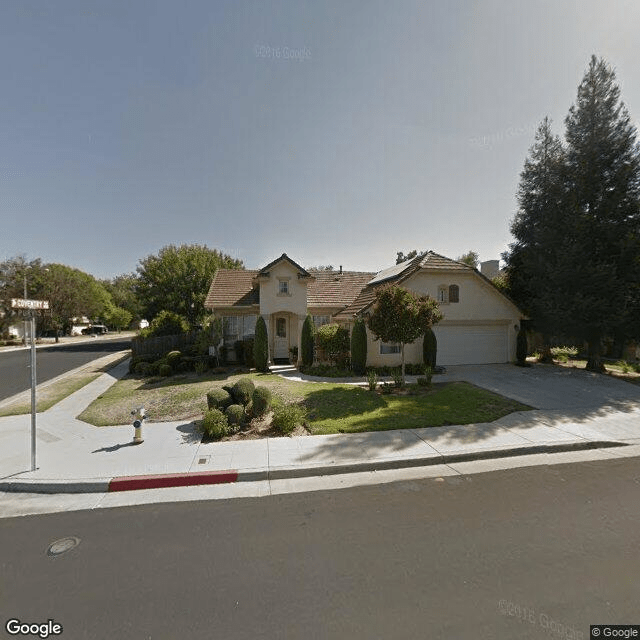
2768 Purvis Barstow/Temperance, Clovis, CA 93611
To contact a resident: (559) 903-2401
For more information about senior living options: (866) 208-4318
Royal Care Guest Home Costs & Pricing
Royal Care Guest Home offers a competitive pricing structure for its residents, emphasizing affordability while maintaining quality care. For semi-private rooms, the cost is $2,200 per month, significantly lower than the Fresno County average of $2,991 and the statewide figure of $3,333. Studio accommodations at Royal Care are priced at $3,200, which also presents a more economical option compared to both local and state averages of $3,349 and $4,145 respectively. Additionally, private rooms at Royal Care are available for the same rate as studios at $3,200; this is notably less than Fresno County's average of $3,589 and California's average of $3,939. Overall, Royal Care stands out as an attractive option for those seeking personalized care in a welcoming environment without the overwhelming financial burden typical in many other facilities across the region.
| Floor plans | Royal Care Guest Home | Fresno County | California |
|---|---|---|---|
| Semi-Private | $2,200 | $2,991 | $3,333 |
| Studio | $3,200 | $3,349 | $4,145 |
| Private | $3,200 | $3,589 | $3,939 |
Memory care communities with a similar price nearby
-
from +$400 / mo
Northwest Villa
$2,600 / month7.9 miles away -
from +$392 / mo
The Terraces at San Joaquin Gardens a CCRC
$2,592 to $3,516 / month6.7 miles away -
from +$400 / mo
Truewood by Merrill, Clovis
$2,600 to $4,300 / month4.2 miles away -
from +$400 / mo
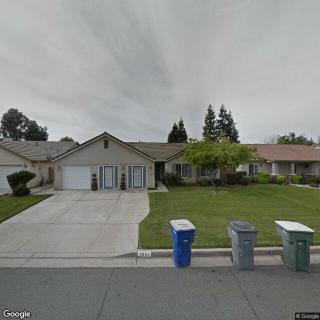
Bedford Care Group - Skyview
$2,600 to $2,900 / month5.6 miles away -
About the same
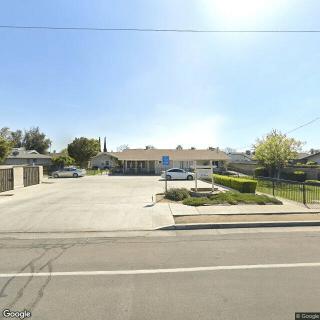
Gettysburg Christian Home
$2,200 to $3,600 / month4.2 miles away
Overall Review of Royal Care Guest Home
Pros
 Everything seemed good in the first week.
- The resident was clean inside and outside.
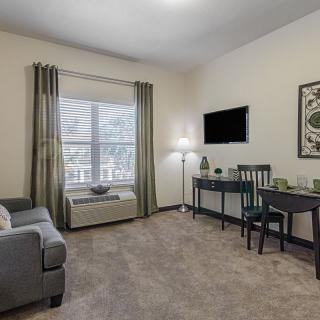
- Rooms were big with room to move around.
- The mother is doing ok there and is comfortable.
Cons
 The facility allegedly overmedicates clients and won’t take them to doctors’ appointments or outings; residents only watch the news with no activities.
- They do not feed clients enough.
- They do not spend money appropriately and do not communicate with family; they are dishonest.
- The reviewer cautions others not to send a loved one there.
- The owner claimed she was never paid, despite proof that checks were cashed.
- Before admission, the facility obtained the client’s medical information and said it would be fine.
- They demanded an additional $600 per month to handle dementia incidents, which they could not afford, forcing alternate care plans.
- They refused to prorate the month when the resident moved out.
- On move-out day, the resident was left soaked with urine and feces, with staff claiming they didn’t need to handle that because the move was occurring.
- They gave Hospice staff a hard time during visits.
- The owner is described as a loon and as causing stress once she thinks she’s got families locked in.
- A private-room price was quoted, but the resident was moved to a shared room for the same price.
- The cleanliness is poor, with cobwebs and dust noted.
- The facility appears to be understaffed.
- There are no real activities beyond TV watching; activities are lacking.
- The costs are high (about 3,800 to 4,200) and the overall experience is not satisfactory.
Review
This community in Clovis is best suited for families that must tightly control cost and want a basic residential setting, but are prepared to supervise care closely. The reviews depict a facility where medical oversight, consistent staffing, and transparent communication are not reliably delivered. A resident whose needs are predictable and low-stress, without significant dementia symptoms or complex medical requirements, might be bearable here only if a dedicated family member or trusted surrogate is willing to stay heavily engaged. In short, it is not a fit for those counting on dependable medical management or robust daily programming.
Those considering alternatives should note whom this place may not serve well. Families with loved ones who require regular doctor visits, scheduled outings, meaningful activities, or dementia-specific supervision will likely be disappointed. The pattern in the feedback points to inconsistent care decisions, billing disputes, and a lack of proactive family communication. For seniors needing clear accountability, transparent pricing, and steady oversight, other options in the area are a safer, more predictable path.
The most tangible positives are modest but real when they appear. Some residents reported sufficiently large rooms with space to move around, and an impression of cleanliness at times. However, these positives are overshadowed by the frequent concerns about safety, routines, and ongoing maintenance. In practice, room size or a momentary sense of tidiness does not compensate for gaps in daily care, supervision, and the ability to keep residents engaged or properly nourished.
The core drawbacks are repeated and weighty. Reviewers allege overmedication and a reluctance to accompany residents to medical appointments or outings, coupled with insufficient feeding and poor communication with families. Billing and contractual disputes emerged with claims of unpaid funds and sudden changes to payment expectations. Instances of a resident being left soaked and the facility’s reported resistance to outside hospice support highlight serious quality-of-care risks. The combination of alleged dishonesty, inconsistent staffing, and a lack of routine activities compounds the danger for anyone relying on a steady, respectful care environment.
Understaffing and minimal programming seem to be systemic, not incidental. With few meaningful activities beyond television, residents may become sedentary or disengaged, which amplifies concerns about cognitive and physical well-being. The price point, reported around 3,800 to 4,200 per month, marks this facility as costly given the level of risk described. Families should treat price as a red flag unless every key area of care is demonstrably improved: staffing consistency, transparent billing, robust medical oversight, and a clear plan for dementia or medical complexities.
The practical conclusion is clear: proceed here only with rigorous, front-loaded verification. Before any commitment, demand a current, written care plan with explicit staffing ratios and supervision expectations; insist on direct contact channels with the owner and a appointed administrator; verify the facility’s licensing status and recent state inspections; obtain a transparent, itemized billing practice with documented fee triggers; and speak with current residents’ families about ongoing concerns and improvements. If those assurances cannot be reliably documented and sustained, the better path is to explore other communities that provide proven medical oversight, dependable communication, and a more engaging, safer daily routine.
 Board and Care Home
 Memory Care
 Private
 Private bathrooms
 Fresno Yosemite International (4 miles away)
 High acuity care

 Understanding the Distinctions: Assisted Living and Memory Care Explained
 How to Communicate with a Loved One Living with Dementia: 10 Supportive Strategies
 Comprehensive Guide to VA Nursing Homes: A Crucial Long-Term Care Resource for Veterans