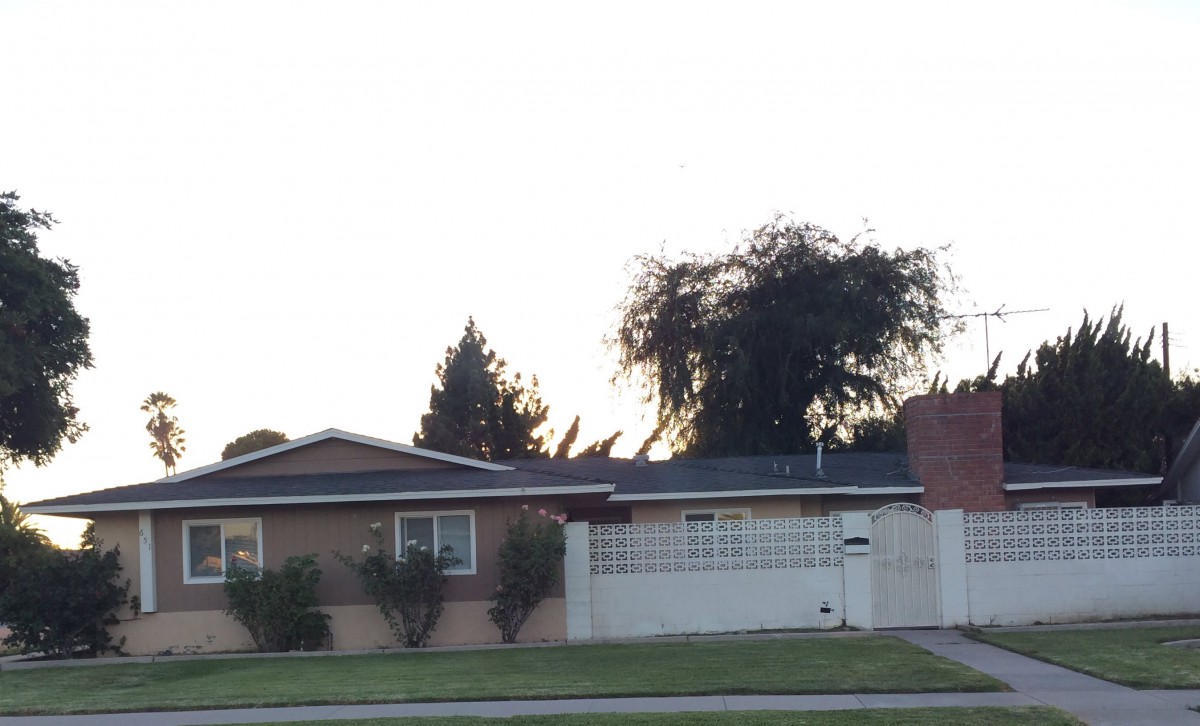
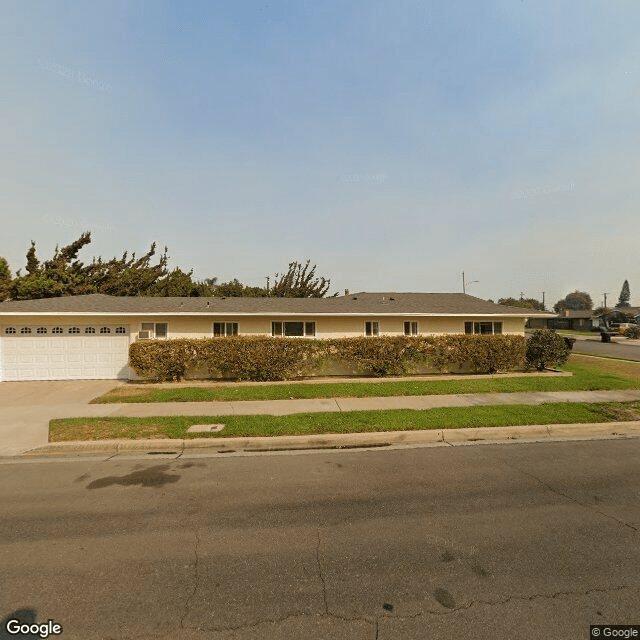
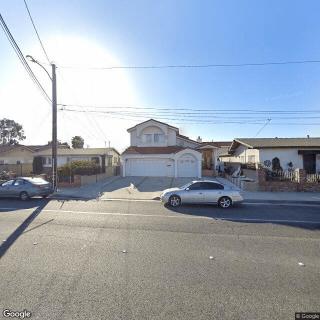
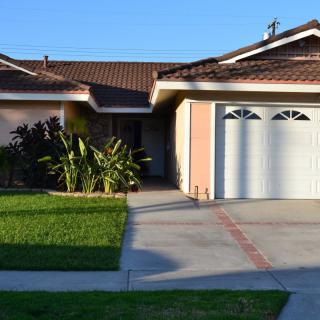
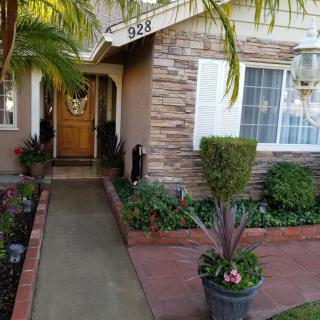
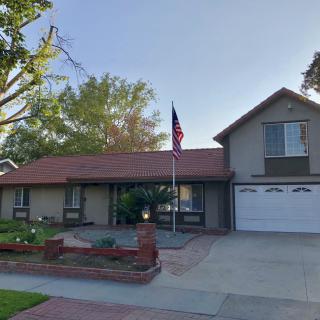
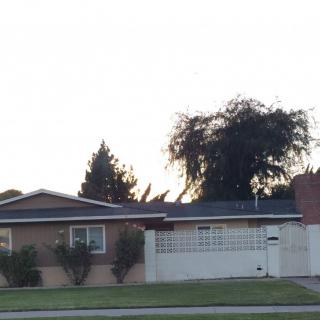
Primrose Residential Care in Anaheim, CA

Save

Primrose Residential Care in Anaheim, CA

651 S. Primrose St, Anaheim, CA 92804

For more information about senior living options: (844) 490-3973

4.8 from 41 reviews
5 stars
38
4 stars
1
3 stars
0
2 stars
0
1 stars
2

Board and Care Home Memory Care

Primrose Residential Care Costs & Pricing

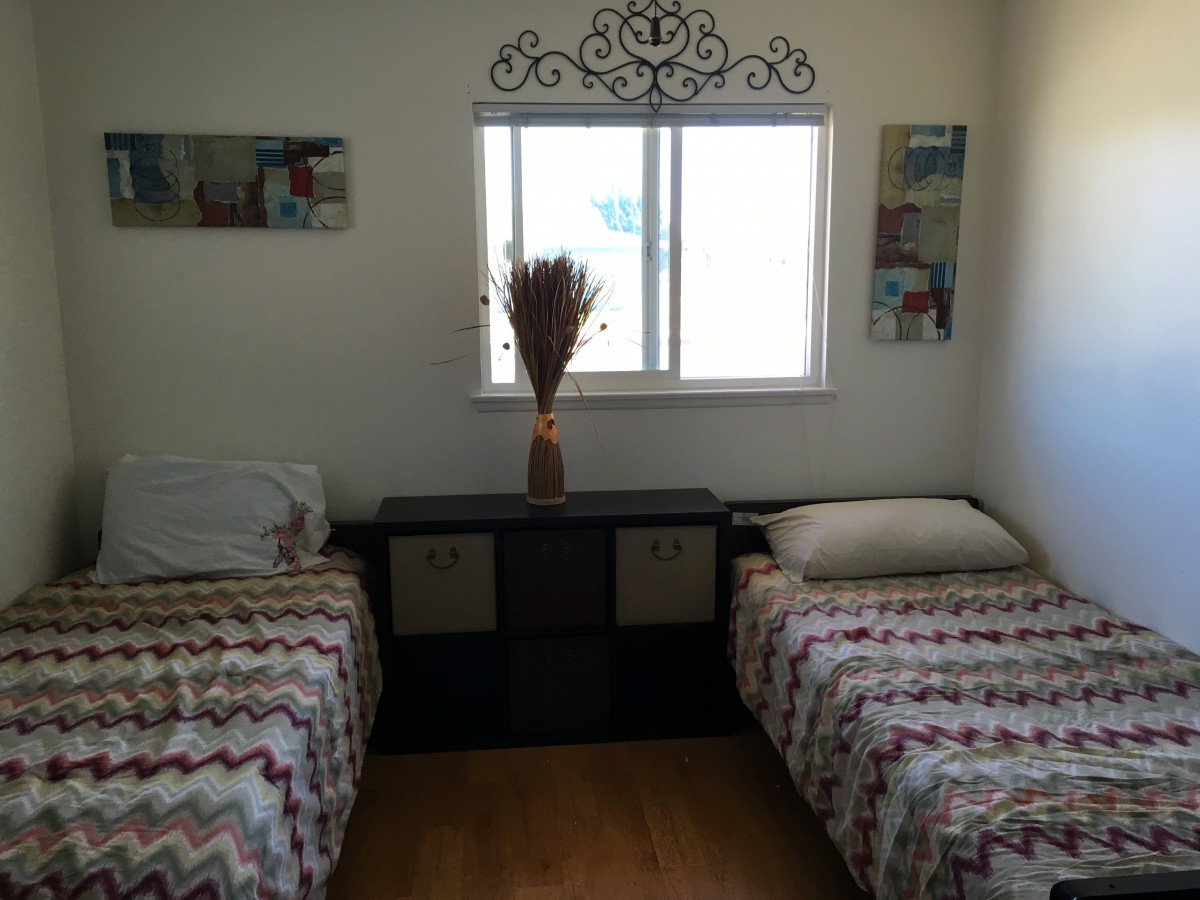
Primrose Residential Care offers competitive pricing for its residential services, particularly when compared to average costs in Orange County and the broader state of California. For instance, a semi-private room at Primrose is priced at $3,000 per month, which is notably lower than the county average of $3,431 and the state average of $3,333. Similarly, the cost for a private room at Primrose is set at $3,500, again more affordable than both the county's average of $4,104 and California's overall average of $3,939. This positioning not only provides residents with quality care but also ensures that their financial investment goes further in an increasingly costly market.

Floor plansPrimrose Residential CareOrange CountyCalifornia
Semi-Private$3,000$3,431$3,333
Private$3,500$4,104$3,939

Overall Review of Primrose Residential Care

Pros

  • pro The care at Primrose Senior Care Home is nothing short of amazing.
  • pro The staff are lovely and take great care of their residents.
  • pro The home is spotless and the grounds are beautiful.
  • pro Mo and his team are compassionate, attentive, and go above and beyond to meet residents' needs.
  • pro Families feel secure because communication is open and residents are kept safe and well cared for.
  • pro Primrose provides 24-hour alert staff and treats residents with dignity and respect.
  • pro Residents are treated like family, with personalized attention and meals customized to their tastes.
  • pro The facility is clean, well maintained, and has a warm, inviting atmosphere.

Review

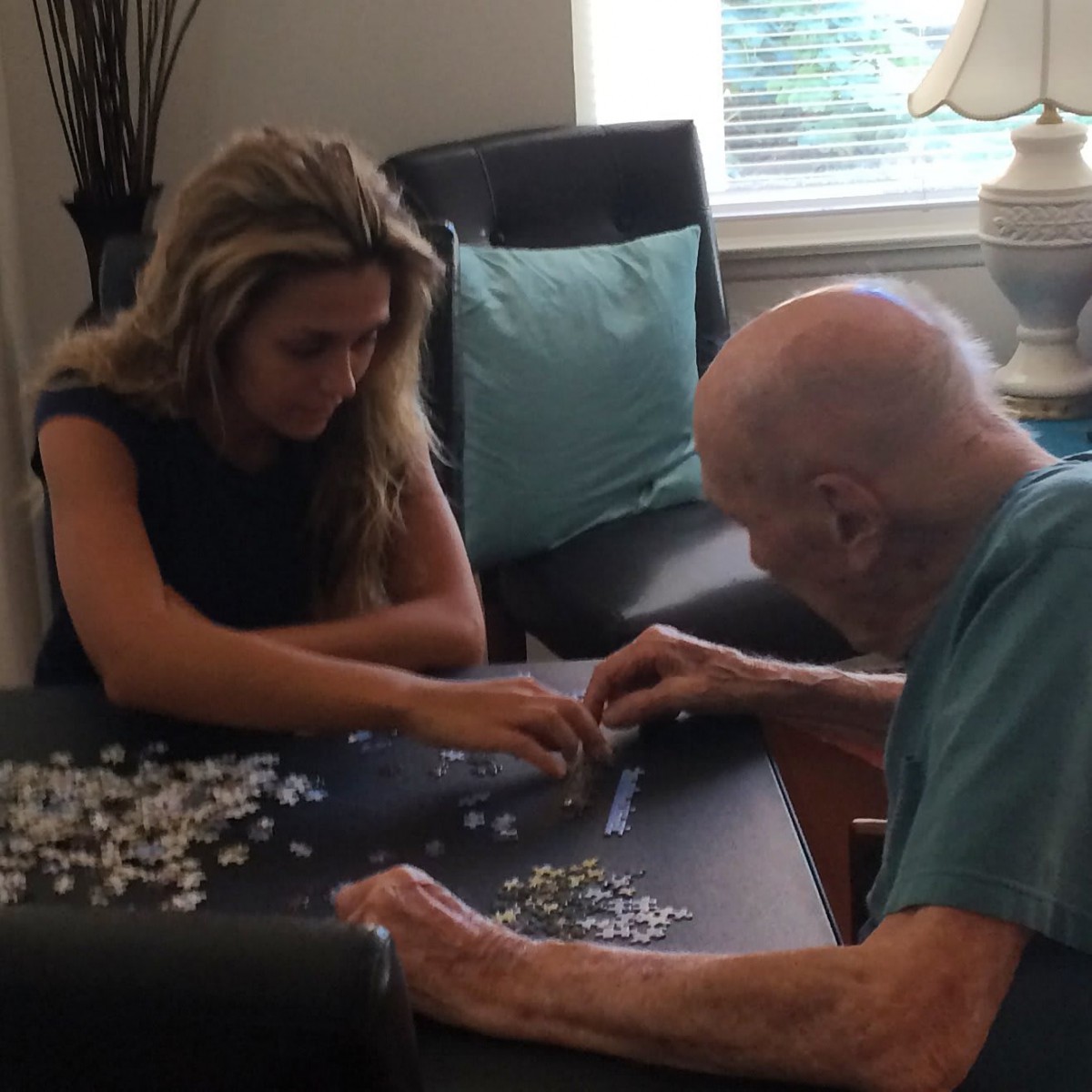
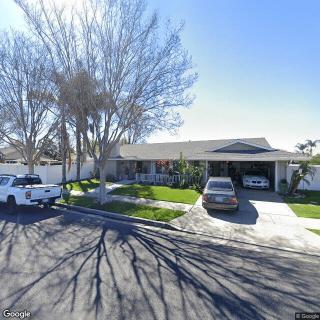
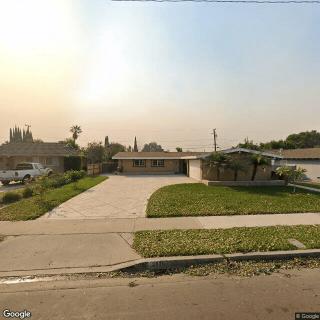
Primrose Residential Care in Anaheim is best suited for families seeking a small, home-like setting where caregivers know residents well, daily routines are personalized, and family involvement is welcomed. The two neighboring six-bed homes cultivate a warm, non-institutional atmosphere with a shared backyard that encourages social time and a sense of belonging. The staff are praised for warmth, patience, and steady, hands-on care, with Mo Naim and his team delivering a level of attentiveness that makes residents feel seen and valued. For families, this is not a place for board-and-care by checklist; it is a place where daily life is shaped around preferences, meals are tailored, and little comforts - home-cooked food, a responsive schedule, even a comfort dog - make a tangible difference in mood and dignity.

Those who may want alternatives are those whose loved ones require hospital-grade nursing or highly structured memory-care programs, or who crave the breadth of amenities and formal programming found in larger campuses. If a resident's needs include constant, on-site registered nursing, intensive wound care, aggressive medical monitoring, or a robust schedule of specialized therapies and activities across multiple wings, a bigger facility with dedicated clinical teams and wider resource networks is likely a better fit. Primrose shines in caregiving-first environments; for medical complexity that exceeds what a small home can reliably manage, it's prudent to compare options with more formal clinical infrastructure and larger teams.

The core advantages - uncompromising cleanliness, genuine warmth from a tight-knit caregiving team, and highly flexible daily living - offset the lack of a large-scale, clinical footprint. Families repeatedly cite staff who know residents' tastes, habits, and milestones; meals customized to preference; and proactive communication when plans change or health needs shift. The intimate staff-to-resident dynamic means concerns are addressed quickly, and hospice or rehabilitative efforts can be integrated smoothly without bureaucratic delays. The trade-off is real: fewer on-site specialists, a more limited social calendar, and a fixed capacity that can constrain escalation if medical needs suddenly intensify. Yet for many seniors, that intimate, responsive care model is precisely what sustains dignity and joy in daily life.

Decision-makers should probe practical details that influence daily comfort. Look for consistent, transparent communication from Mo and the team, clear care plans, and how specialists - when involved - coordinate with family. The atmosphere is frequently described as immaculate and welcoming, with staff who treat residents like family and who go beyond routine care to nurture feeding, activity, and social connection. Ask about the routine, dietary flexibility, and how physical therapy or hospice is scheduled and supervised. The two adjacent homes with a shared yard can be a social boon, but confirm that this arrangement aligns with the resident's independence, safety needs, and desire for privacy.

For residents navigating recovery from surgery, stroke, or chronic conditions where personal attention and a positive, comforting environment matter most, Primrose often delivers remarkable outcomes. Reports emphasize improved appetite, steadier mood, and a sense of security that comes from knowing caregivers anticipate needs and respond with competence. The team - names frequently mentioned in praise - extends care beyond basic tasks to support emotional well-being, engagement, and meaningful daily routines. The overall package - the cleanliness, the intimate setting, the family-like culture - creates a realistic, humane pathway through challenging health phases.

Overall, Primrose Residential Care stands out as a compelling option for families prioritizing individualized, compassionate care in a small, home-oriented setting. It is especially strong for residents who thrive on personal attention, flexible meals, social engagement, and a sense of belonging that feels like a family away from home. Alternatives should be seriously considered only when medical acuity, rehabilitation intensity, or the need for campus-wide amenities surpass what a private home setting can provide. When the goal is a dignified, comfortable next chapter backed by a devoted staff and a nurturing environment, Primrose merits prioritization on the short list.

Features

Types of Care

  • Board and Care Home Board and Care HomeBoard and care homes provide a smaller, more intimate setting for seniors who require assistance with daily tasks but do not need the level of care offered by a nursing home. They offer personalized care, meals, and social activities in a homelike environment, ensuring that seniors receive individualized attention and support in their golden years.
  • Memory Care Memory CareMemory care is crucial for seniors as it provides specialized support and services for individuals with dementia or Alzheimer's disease. These programs offer a safe and secure environment where residents receive personalized care, cognitive stimulation, and help with daily activities. Memory care helps seniors maintain their independence, quality of life, and dignity while also providing peace of mind for their families.

Pets

  • Dogs allowed Dogs allowed"Pet friendly" senior living communities are important for seniors because pets provide companionship, reduce feelings of loneliness and depression, promote physical activity and mental stimulation, and offer a sense of purpose and responsibility. Pets can improve overall well-being and quality of life for seniors in many ways.

Amenities

  • Activities off-site Activities off-siteEngaging in off-site activities is crucial for seniors to maintain social connections, stay active, and stimulate their minds. It promotes overall well-being and helps combat feelings of isolation and loneliness.
  • Activities on-site Activities on-siteActivities on-site are important for seniors because they provide opportunities for socialization, mental stimulation, physical activity, and overall well-being. Engaging in activities can help seniors stay active, maintain their independence, and improve their quality of life.
  • Air-conditioning Air-conditioningAir conditioning is important for seniors as they are more vulnerable to heat-related illnesses and may have underlying health conditions that make it difficult for them to regulate their body temperature. It helps to keep them comfortable, safe, and healthy in hot weather.
  • Bath tubs Bath tubsBath tubs are important for seniors because they provide a safe and relaxing way to bathe, helping to prevent slips and falls while promoting independence and overall well-being.
  • Beautician on-site Beautician on-siteHaving a beautician on-site at a senior living community is important for seniors as it allows them to easily access grooming and personal care services, boosting their self-esteem and overall well-being. It also provides convenience and helps seniors maintain their sense of independence and personal style.
  • Devotional services off-site Devotional services off-siteDevotional services off-site are important for seniors as they provide spiritual nourishment, social engagement, and a sense of community outside of the senior living facility. This can enhance overall well-being and help combat feelings of isolation and loneliness often experienced by older adults.
  • Devotional services on-site Devotional services on-siteDevotional services on-site provide seniors with spiritual support and a sense of community, as well as an opportunity for reflection and guidance during their senior living experience. This can promote emotional well-being and connection to others, leading to a more fulfilling and enriching lifestyle in their later years.
  • Indoor common areas Indoor common areasIndoor common areas are crucial for seniors as they provide a space for socialization, recreation, and community engagement, promoting overall well-being and reducing feelings of isolation and loneliness.
  • Outdoor common areas Outdoor common areasOutdoor common areas are important for seniors as they provide a space for socialization, physical activity, and relaxation. Being outside in nature can improve mood and overall well-being, while also encouraging movement and engagement with others. These spaces can help combat feelings of isolation and promote a sense of community among residents.
  • Private PrivatePrivacy is important for seniors as it allows them to maintain their independence, dignity, and sense of control over their own lives. It also gives them the space and freedom to relax, reflect, and engage in activities that bring them joy and fulfillment. Creating private spaces within senior living facilities is crucial for promoting overall well-being and quality of life.
  • Private bathrooms Private bathroomsPrivate bathrooms are important for seniors in senior living communities because they provide independence, dignity, and comfort. Having a private bathroom allows seniors to maintain their personal hygiene routines without the need for assistance, promoting a sense of autonomy and privacy. Additionally, private bathrooms help prevent the spread of infections and provide a safe and clean environment for seniors to navigate safely.
  • Respite or short term stays offered Respite or short term stays offeredRespite or short term stays provide seniors with a temporary solution when their regular caregiver is unavailable, offering them the opportunity to receive additional care and support during times of need, while also giving caregivers a chance to rest and recharge.
  • Wheelchair accessible showers Wheelchair accessible showersWheelchair accessible showers are crucial for seniors as they provide a safe and independent bathing option for those with mobility challenges. These showers help prevent falls and allow seniors to maintain their dignity and autonomy while ensuring they can bathe comfortably.
  • Wi-Fi/high-speed internet available Wi-Fi/high-speed internet availableWi-Fi/high-speed internet is important for seniors to stay connected with loved ones, access online resources, and participate in virtual activities to combat feelings of loneliness and isolation. It also allows them to easily manage healthcare needs, access entertainment, and engage in lifelong learning opportunities.

Transportation

  • John Wayne Orange Co (11 miles away) John Wayne Orange Co (11 miles away)
  • Long Beach (Daugherty) (11 miles away) Long Beach (Daugherty) (11 miles away)

Care Services

  • Diabetic care Diabetic careDiabetic care is crucial for seniors as they are more susceptible to developing diabetes due to aging and other health conditions. Proper management of diabetes can help prevent complications such as heart disease, vision loss, and nerve damage, improving the overall quality of life for seniors in senior living communities.
  • High acuity care High acuity careHigh acuity care is important for seniors because it provides specialized medical attention and support for individuals with complex medical needs. This level of care ensures that seniors receive the appropriate treatment and assistance to maintain their health and quality of life as they age.
  • Incontinence care Incontinence careIncontinence care is essential for seniors to maintain their dignity, hygiene, and overall quality of life. By addressing incontinence issues promptly and effectively, seniors can enjoy a sense of independence and comfort in their daily activities.
  • Medication management Medication managementMedication management is crucial for seniors to ensure they are taking the right medications at the correct dosages and times. This helps prevent adverse drug interactions, reduces the risk of medication errors, and promotes overall health and well-being. Proactive management also allows for adjustments as needed based on changing health conditions or new prescriptions.

Dining

  • Kosher KosherKosher options are important for seniors because they adhere to dietary laws that are significant to many Jewish individuals, providing them with peace of mind and an opportunity to maintain their cultural traditions and beliefs while living in a senior living community.
  • Meals provided Meals provided"Meals provided" are crucial for seniors in assisted living communities as it ensures they have access to nutritious, balanced meals without the stress of meal planning and preparation. This can help promote overall health and well-being for seniors who may have limited mobility or cognitive abilities.
  • Vegetarian VegetarianA vegetarian diet is important for seniors because it can help lower the risk of chronic diseases, maintain a healthy weight, and provide essential nutrients needed for aging bodies. Additionally, plant-based diets are often easier on digestive systems and can contribute to overall well-being in older adults.

Activities

  • Activities off-site Activities off-siteEngaging in off-site activities is crucial for seniors to maintain social connections, stay active, and stimulate their minds. It promotes overall well-being and helps combat feelings of isolation and loneliness.
  • Activities on-site Activities on-siteActivities on-site are important for seniors because they provide opportunities for socialization, mental stimulation, physical activity, and overall well-being. Engaging in activities can help seniors stay active, maintain their independence, and improve their quality of life.
  • BBQs or picnics BBQs or picnicsBBQs or picnics provide seniors with social interaction, enjoyment of the outdoors, and a sense of community, contributing to their overall well-being and quality of life.
  • Birthday parties Birthday partiesBirthday parties are important for seniors as they provide an opportunity for celebration, socialization, and joy. They allow seniors to feel special and appreciated, boosting their mood and overall well-being. Additionally, birthday parties can help combat feelings of isolation and loneliness by fostering connections with friends, family, and community members.
  • Day trips and outings Day trips and outingsDay trips and outings are important for seniors as they provide opportunities for socialization, mental stimulation, physical activity, and a break from daily routines. These experiences can enhance overall well-being and quality of life for older adults living in senior communities.
  • Devotional activities offsite Devotional activities offsiteDevotional activities offsite are important for seniors because they provide social engagement, spiritual growth, and a sense of community outside of their living environment. This can improve overall well-being, mental health, and combat feelings of isolation or loneliness.
  • Devotional activities on-site Devotional activities on-siteDevotional activities on-site provide seniors with a sense of community, spiritual fulfillment, and emotional support, promoting overall well-being and a positive sense of purpose in their lives.
  • Holiday parties Holiday partiesHoliday parties are important for seniors because they provide opportunities for socialization, community involvement, and mental stimulation. These festive events offer a sense of belonging and connection during a time that can be lonely for many older adults. Additionally, participating in holiday celebrations can boost mood and overall well-being for seniors living in senior living communities.
  • Light therapy programs Light therapy programsLight therapy programs are important for seniors because they can help improve mood, regulate sleep patterns, and reduce symptoms of depression and anxiety. Exposure to natural light can also have positive effects on cognitive function and overall well-being in older adults.
  • Stretching classes Stretching classesStretching classes are important for seniors because they help improve flexibility, reduce the risk of injury, and promote overall health and well-being. Regular stretching can also help alleviate joint pain and stiffness, enhance balance and coordination, and increase range of motion.
  • Trivia games Trivia gamesTrivia games are important for seniors because they provide mental stimulation, social interaction, and a fun way to keep the mind sharp. They can help improve memory, cognitive function, and overall well-being in older adults.

Description

Primrose Residential Care in Anaheim, CA is a memory care community that provides exceptional care and support for individuals with Alzheimer's disease and other forms of dementia. With a focus on promoting the independence and well-being of each resident, our community offers a range of amenities and services to ensure their comfort and satisfaction.

Our residents can enjoy a variety of activities right within our community, including engaging in stimulating group activities, participating in light therapy programs, or joining in fun games such as trivia. For those who prefer outdoor activities, we offer BBQs and picnics as well as day trips and outings to nearby attractions. Additionally, devotional activities are available both on-site and off-site to cater to the spiritual needs of our residents.

At Primrose Residential Care, we understand the importance of maintaining a comfortable living environment. Our indoor common areas provide ample space for socializing with fellow residents or simply relaxing with a book. Outdoor common areas allow our residents to enjoy fresh air and beautiful surroundings. Each private room is equipped with air conditioning to ensure optimum comfort throughout the year. Private bathrooms are also available for added convenience.

We prioritize the health and safety of our residents by offering high acuity care as well as specialized services for those needing assistance with incontinence management. Our dedicated staff is trained in medication management to ensure that residents receive their medications promptly and accurately.

Nutritious meals are provided daily, with options available for vegetarians. Residents can indulge in delicious cuisine without worrying about cooking or cleanup.

The surrounding neighborhood boasts numerous amenities that are easily accessible from our community. With eight cafes, two parks, 18 pharmacies, two physicians' offices, 34 restaurants, seven transportation options, one place of worship nearby, three theaters nearby, and two hospitals nearby – there is never a shortage of things to do or places to visit.

At Primrose Residential Care in Anaheim, CA, we strive to create a warm and inviting environment where our residents can feel secure, cared for, and engaged. With our comprehensive care services and array of amenities, we provide the ideal setting for individuals with memory care needs to thrive and enjoy a fulfilling life.

Nearby Places of Interest

This part of Anaheim, California, offers a convenient and diverse range of amenities for seniors looking to live in the area. With various dining options such as In-N-Out Burger, Nubia Cafe, and Raising Cane's Chicken Fingers nearby, residents can enjoy a variety of cuisines without having to travel far. The presence of multiple pharmacies like Walgreens and CVS Pharmacy ensures easy access to essential medications and healthcare needs. Additionally, there are several parks like Willow Park and Faylane Park for seniors to enjoy outdoor activities and leisurely walks. For transportation, the Disneyland Monorail and Hertz Rent A Car provide convenient options for getting around the city. Nearby physicians at facilities like Kaiser Permanente are easily accessible for medical care. Residents can also find solace in places of worship such as the Chinese Baptist Church and Cottonwood Church in the community. Overall, this part of Anaheim offers a well-rounded living environment with various amenities catering to senior residents' needs.

Restaurants

  • In-N-Out Burger (0.3 miles)
  • Nubia Cafe (0.8 miles)
  • Raising Cane's Chicken Fingers (0.9 miles)
  • Trader Sam's Enchanted Tiki Bar (1.8 miles)
  • Hungry Bear Restaurant (1.9 miles)
  • Oga's Cantina (2 miles)
  • Red Rose Taverne (2.1 miles)

Pharmacies

  • Walgreens (0.4 miles)
  • CVS Pharmacy (2.3 miles)
  • CVS Pharmacy (2.4 miles)
  • Walgreens (2.5 miles)
  • Walgreens (2.5 miles)
  • Walmart Pharmacy (2.5 miles)
  • CVS/pharmacy (2.6 miles)

Parks

  • Willow Park (0.9 miles)
  • Faylane Park (2.1 miles)
  • Central Park / La Palma Recreation & Community Services (5.1 miles)
  • Steve Ambriz Memorial Park (5.8 miles)
  • Shadow Park Hoa (6.3 miles)
  • Cerritos Regional County Park (6.4 miles)

Transportation

  • Disneyland Monorail - Downtown Disney District Station (1.9 miles)
  • DLRR New Orleans Station (2 miles)
  • Drr Toontown Station (2.1 miles)
  • Disneyland Monorail (2.2 miles)
  • Drr Tomorrowland Station (2.3 miles)
  • Hertz Rent A Car (2.9 miles)
  • Artic (4.6 miles)

Physicians

  • Kaiser Permanente, Euclid & Romneya (2 miles)
  • The 200 Building (4.2 miles)
  • Dostzada, Ghulam Dr - Los Alamitos Cardiovascular (5.2 miles)
  • St Jude Medical Center (5.2 miles)

Cafes

  • New Orleans Square (2 miles)
  • Starbucks (2.1 miles)
  • Jolly Holiday Bakery Cafe (2.1 miles)
  • La Brea Bakery Express (2.2 miles)
  • Hollywood Land (2.3 miles)
  • Anaheim Packing District (2.5 miles)
  • Starbucks (3.3 miles)

Hospitals

  • Anaheim Regional Medical Center (2.1 miles)
  • Kindred Hospital Westminster (4.8 miles)
  • Choc (5.8 miles)

Places of Worship

  • Chinese Baptist Church (2.7 miles)
  • Cottonwood Church (5.8 miles)

Theaters

  • AMC DINE-IN Fullerton 2 (3.3 miles)
  • AMC Movie Theater (4.5 miles)
  • Century Theatres (4.9 miles)

Frequently Asked Questions

How much does it cost to live at Primrose Residential Care in Anaheim, CA?
Where is Primrose Residential Care?
Does Primrose Residential Care provide care for residents with dementia or Alzheimer's disease?
Does Primrose Residential Care allow residents to have pets?
What photos are available for Primrose Residential Care in Anaheim, California?

Nearby Communities

  • Primrose Residental Care

    Primrose Residental Care

    Anaheim, CA

    4.8 from 41 reviews
    $3,015 to $4,635 / month

    pro Small, home-like setting with affordable pricing and comprehensive care.
  • Serenity Springs Senior Living

    Serenity Springs Senior Living

    Anaheim, CA

     
    $3,599 / month

    pro Prime Anaheim location with abundant nearby amenities (cafes, restaurants, parks, pharmacies, hospitals, theaters) and multiple transport options.

  • Back to Eden Care Home

    Back to Eden Care Home

    Anaheim, CA

     
    $2,500 to $4,000 / month

    pro Specialized memory care with private rooms and on-site services.

  • Mother Marcy Home Care Chateau

    Mother Marcy Home Care Chateau

    Anaheim, CA


    pro Small, personalized board-and-care with 24/7 supervision, diabetes-friendly meals, and care coordination.

  • Genuinecare Residential Care Facility

    Genuinecare Residential Care Facility

    Anaheim, CA


    pro Small, intimate 6-bed facility with personalized care and comprehensive services.

  • Silver Lining Manor

    Silver Lining Manor

    Anaheim, CA

     
    $3,000 / month

    pro Affordable memory care with 24/7 supervision in a small 6-bed home.

  • Walnut Village,  a CCRC

    Walnut Village, a CCRC

    Anaheim, CA

    4.2 from 57 reviews
    $4,790 to $9,755 / month

    pro Beautiful campus with attentive staff, engaging activities, and strong community involvement.

  • Coventry Court Health Center

    Coventry Court Health Center

    Anaheim, CA

    4.2 from 101 reviews
     

    pro High-quality care with compassionate staff, a clean, hotel-like environment, and robust amenities.

  • Harbor Villa Care Center

    Harbor Villa Care Center

    Anaheim, CA

    3.4 from 51 reviews
     

    pro COVID-free environment with appealing meals and some staff committed to care.

Related Resources

  • list of drugs linked to dementiaA Thorough Discussion of Medications Potentially Linked to Dementia Risk

    Dementia, influenced by aging and certain medications, may be exacerbated by drug classes such as anticholinergics, benzodiazepines, and antipsychotics, which are associated with cognitive impairment. Regular medication reviews by healthcare professionals are crucial for older adults to manage risks and optimize cognitive health.

  • do dementia patients sleep a lotWhy Do Dementia Patients Sleep So Much? Understanding Oversleeping, Stages, and Care Approaches

    Dementia often results in disrupted sleep patterns, leading to excessive daytime sleeping due to factors like brain damage affecting circadian rhythms, medication side effects, and lack of structure in daily activities. Caregivers must monitor these changes closely, as oversleeping can increase risks such as malnutrition or dehydration, and provide necessary support and routines to enhance patient engagement and well-being.

  • when to move from assisted living to nursing home8 Key Indicators That Suggest It May Be Time to Transition from Assisted Living to Skilled Nursing Care
    The transition from assisted living to skilled nursing care is often prompted by complex medical needs that assisted living cannot meet, with key indicators including frequent health declines, increased falls, severe memory issues, and caregiver burnout. Families should recognize these signs early to discuss options with healthcare providers and prepare for the emotional and logistical aspects of moving to a facility that offers comprehensive medical support.