For more information about senior living options: (866) 208-4318
2.7 from 42 reviews
5 stars
17
4 stars
0
3 stars
2
2 stars
1
1 stars
22
Back to Eden Care Home Costs & Pricing
Back to Eden Care Home offers competitive pricing for its residents, particularly when compared to the averages in Orange County and California as a whole. For a semi-private room, the cost at Back to Eden is $2,500 per month, significantly lower than the county average of $3,431 and the state average of $3,333. Private rooms are also priced favorably at $3,500, while the county and state figures stand at $4,104 and $3,939 respectively. Furthermore, their one-bedroom accommodations are available for $4,000 per month - again below the local average of $4,380 and slightly above the state average of $4,340. These rates reflect Back to Eden's commitment to providing affordable care options without compromising on quality or comfort for its residents.
Floor plans
Back to Eden Care Home
Orange County
California
Semi-Private
$2,500
$3,431
$3,333
Private
$3,500
$4,104
$3,939
1 Bedroom
$4,000
$4,380
$4,340
Memory care communities with a similar price nearby
Many residents’ families describe staff who treat people with care and attentiveness.
Multiple reviews highlight caring interactions from nurses and the broader care team, with families saying communication was handled well and that loved ones were treated with respect. Several also name specific team members and describe responsive help during a difficult transition from the hospital. A few reviewers connect the care experience to better day-to-day comfort and recovery support during short-term stays.
common3 reviews mention this
Rehab support and activities
Residents mention rehab-focused support and structured activities during their stay.
Reviews describe therapy and a rehab team that families found compassionate and supportive. Others mention planned activities during the stay, including bingo and music presentations, as part of the overall experience. A reviewer also notes there can be challenges getting certain equipment or supplies, which affects how smoothly support services start.
caveat20 reviews mention this
Care lapses and delays are cited
Several reviews raise concerns about staff attention, responsiveness, and follow-through.
A recurring concern in the reviews is that residents are ignored or not helped in a timely way, including situations where families report needing to call repeatedly for assistance. Some reviewers describe missed needs or problems with basic care routines, while others say complaints were not taken seriously. There are also accounts of neglect-related outcomes, including medication errors and untreated needs that led to hospital-level escalation.
caveat4 reviews mention this
Medication management is questioned
Some residents and families describe medication errors or difficulty following orders.
Several reviews specifically mention medication problems, including being given the wrong medication and not following doctor’s orders. Others describe medication-related issues tied to diabetes care, including concerns with glucose testing and insulin administration. Even in reviews that are otherwise positive, the most serious complaints focus on day-to-day medication handling and accuracy.
caveat4 reviews mention this
Food satisfaction is mixed
Dining quality is inconsistent across reviews, with both praise and strong criticism.
Some residents describe the food as “pretty good,” naming specific meals they liked. Others report meals being wrong for dietary needs, inedible food, or food that does not match what is expected for diabetes-friendly eating. A few reviews link these dining issues to ongoing hunger or skipped meals, which affects comfort during the stay.
caveat2 reviews mention this
Lost clothing happens
At least a couple of reviews report missing or not-recovered personal clothing.
Two reviews describe trouble with laundry items going missing, including shirts that were not returned promptly. One reviewer also advises labeling clothing before bringing it to the facility. The other describes delayed replacement and a lack of demonstrated effort to locate missing items.
How we summarize
Counts show how many written reviews mention each theme; a review can touch several themes, and only frequently mentioned themes are displayed.
Features
Types of Care
Board and Care Home
Memory Care
Amenities
Activities off-site
Activities on-site
Beautician on-site
Devotional services off-site
Indoor common areas
Outdoor common areas
Private
Private bathrooms
Respite or short term stays offered
Wheelchair accessible showers
Transportation
John Wayne Orange Co (11 miles away)
Long Beach (Daugherty) (11 miles away)
Care Services
Ambulatory care
Diabetic care
Incontinence care
Medication management
Dining
Kosher
Meals provided
Vegetarian
Activities
Activities off-site
Activities on-site
Devotional activities offsite
Nearby Places of Interest
This part of Anaheim, California offers a convenient and diverse range of amenities for seniors looking to settle in the area. With multiple pharmacies located within a short distance, accessing necessary medications and health supplies is easy. There are also various dining options nearby, including popular fast-food chains and cozy cafes. For those who enjoy spending time outdoors, several parks provide opportunities for relaxation and recreation. Additionally, transportation options such as the Disneyland Monorail and Hertz Rent A Car make it convenient to get around the area. Medical care is easily accessible with nearby physicians' offices and hospitals. Places of worship are also close by for spiritual fulfillment. Overall, this part of Anaheim provides a well-rounded living environment for seniors seeking convenience, entertainment, and healthcare access in their daily lives.
Pharmacies
Walgreens (0.5 miles)
Walgreens (2.3 miles)
CVS Pharmacy (2.4 miles)
CVS Pharmacy (2.4 miles)
CVS/pharmacy (2.4 miles)
Walgreens (2.5 miles)
Walgreens (2.6 miles)
Restaurants
In-N-Out Burger (0.5 miles)
Raising Cane's Chicken Fingers (0.9 miles)
Nubia Cafe (0.9 miles)
Trader Sam's Enchanted Tiki Bar (1.6 miles)
Hungry Bear Restaurant (1.8 miles)
Oga's Cantina (1.8 miles)
Red Rose Taverne (1.9 miles)
Parks
Willow Park (0.8 miles)
Faylane Park (2 miles)
Central Park / La Palma Recreation & Community Services (5.3 miles)
Steve Ambriz Memorial Park (5.7 miles)
Shadow Park Hoa (6.4 miles)
Transportation
Disneyland Monorail - Downtown Disney District Station (1.8 miles)
DLRR New Orleans Station (1.8 miles)
Drr Toontown Station (1.9 miles)
Disneyland Monorail (2.1 miles)
Drr Tomorrowland Station (2.1 miles)
Hertz Rent A Car (2.7 miles)
Artic (4.4 miles)
Cafes
New Orleans Square (1.9 miles)
Starbucks (1.9 miles)
Jolly Holiday Bakery Cafe (2 miles)
La Brea Bakery Express (2 miles)
Hollywood Land (2.2 miles)
Anaheim Packing District (2.4 miles)
Starbucks (3.3 miles)
Physicians
Kaiser Permanente, Euclid & Romneya (2.1 miles)
The 200 Building (4 miles)
St Jude Medical Center (5.2 miles)
Dostzada, Ghulam Dr - Los Alamitos Cardiovascular (5.3 miles)
Back to Eden Care Home offers competitive pricing for its residents, particularly when compared to the averages in Orange County and California as a whole. For a semi-private room, the cost at Back to Eden is $2,500 per month, significantly lower than the county average of $3,431 and the state average of $3,333. Private rooms are also priced favorably at $3,500, while the county and state figures stand at $4,104 and $3,939 respectively. Furthermore, their one-bedroom accommodations are available for $4,000 per month - again below the local average of $4,380 and slightly above the state average of $4,340. These rates reflect Back to Eden's commitment to providing affordable care options without compromising on quality or comfort for its residents.
Medication management is crucial in a memory care setting, as residents with dementia or Alzheimer's often struggle with forgetfulness or confusion regarding their medication schedules. By providing structured and supervised administration of medications, Back to Eden Care Home ensures that residents receive the appropriate doses at the right times, reducing the risk of missed or incorrect medications that could exacerbate their conditions. Incontinence care further supports the dignity and comfort of residents by addressing a common challenge faced by individuals with cognitive impairments. Consistent and compassionate assistance helps alleviate anxiety associated with incontinence, fostering an environment where residents feel secure and respected. Together, these features contribute to a holistic approach that enhances the quality of life for individuals living with memory loss.
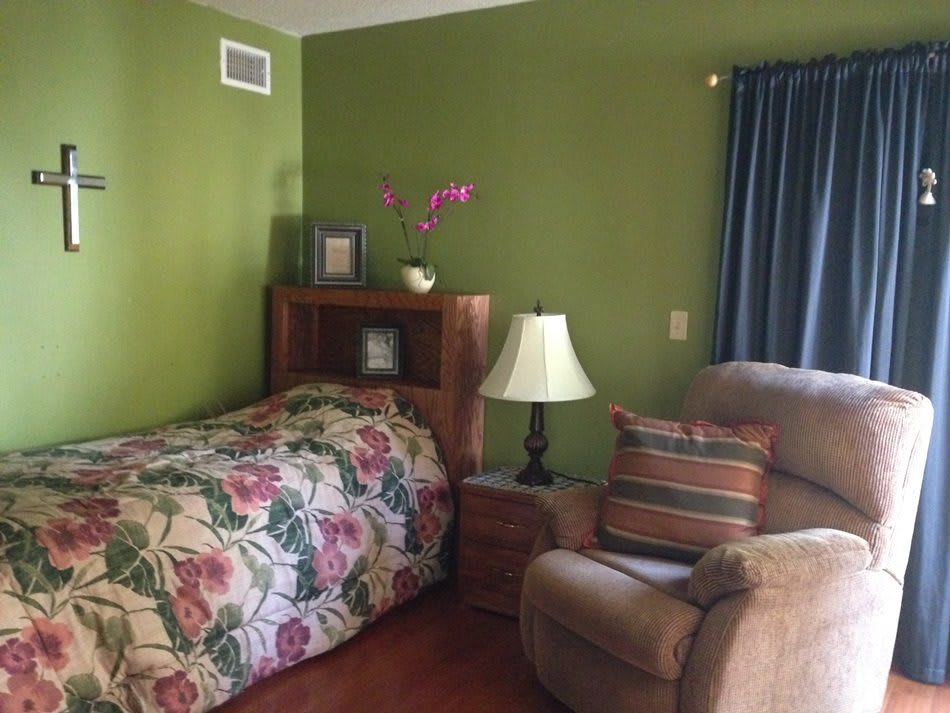
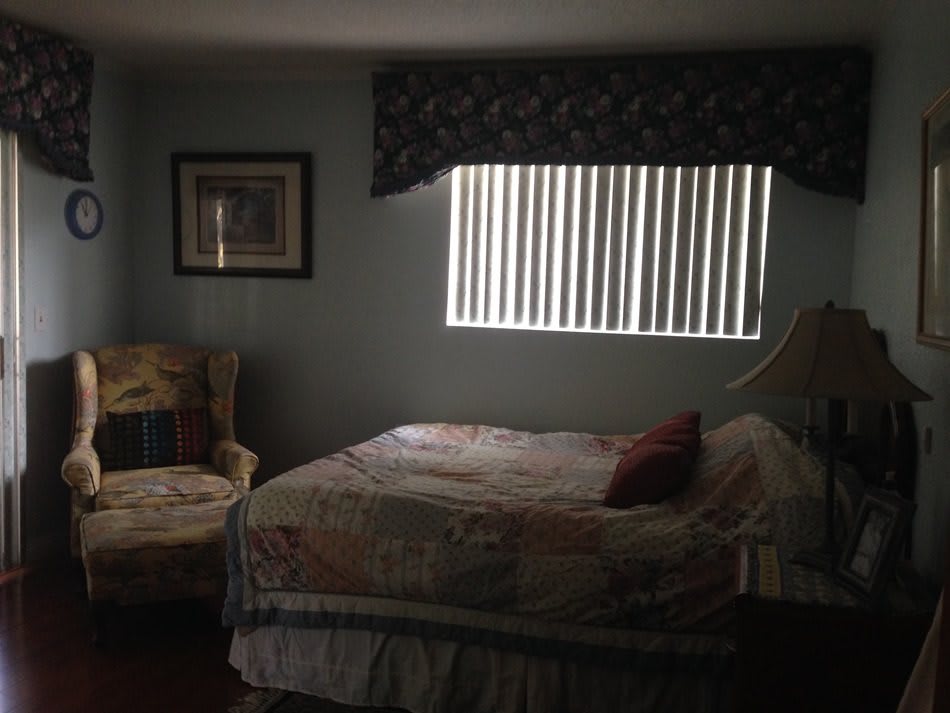
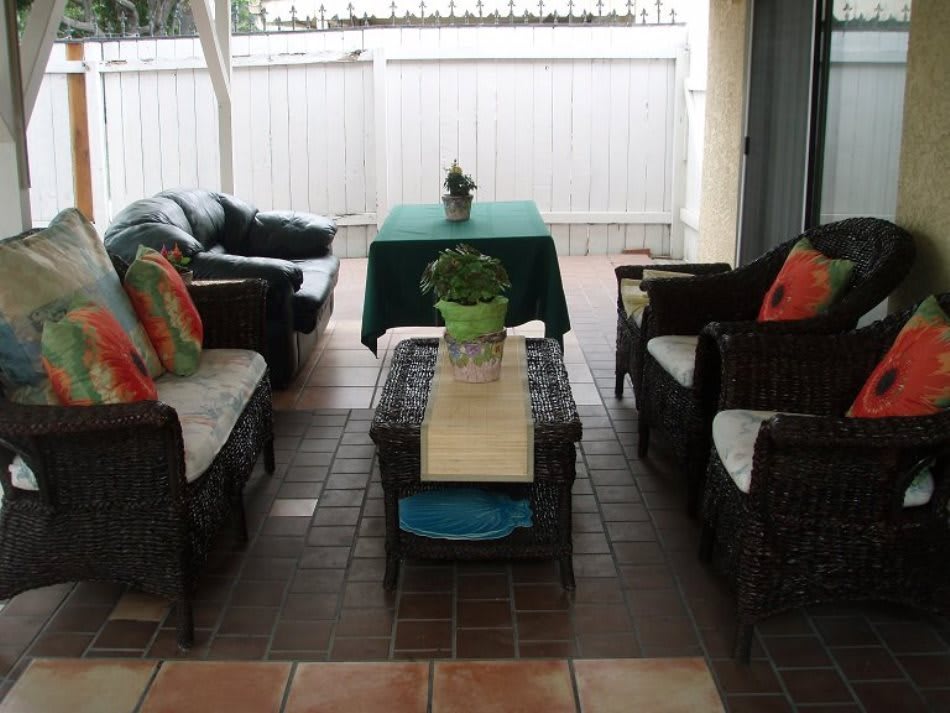
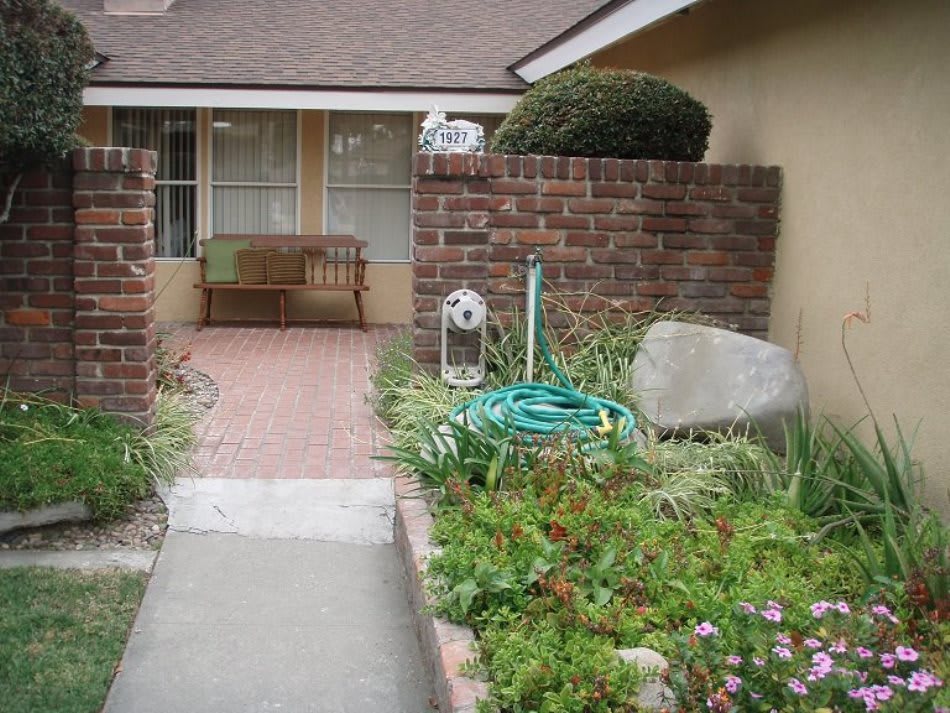
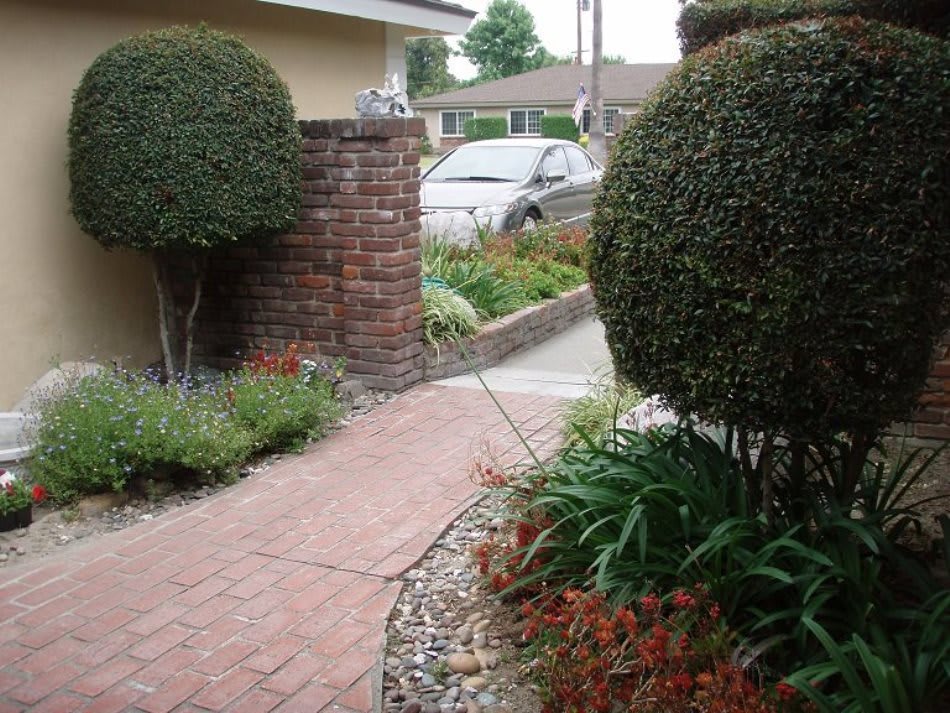
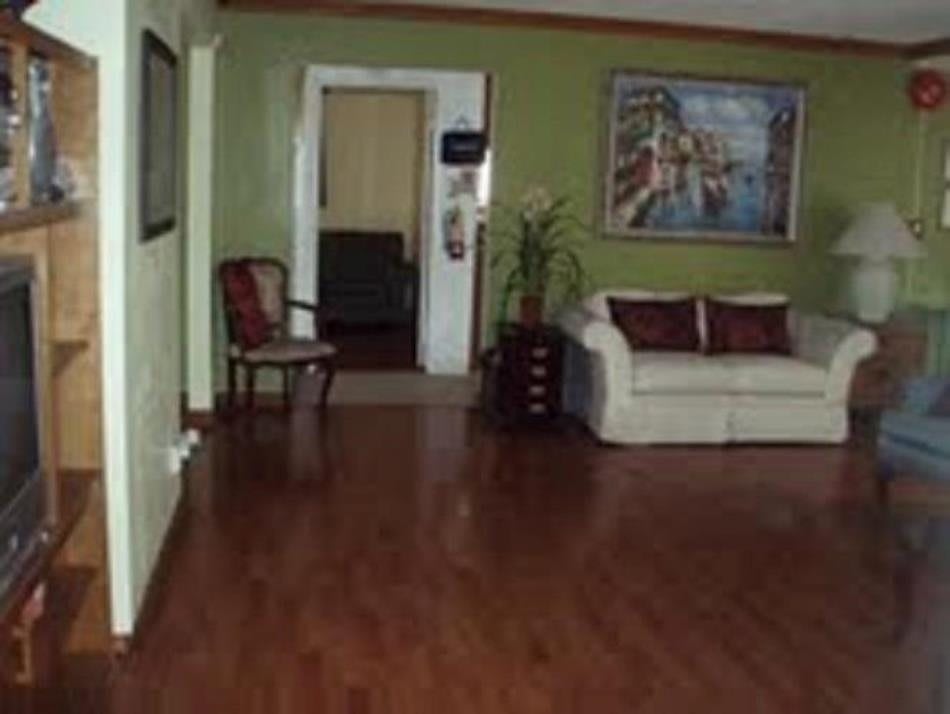
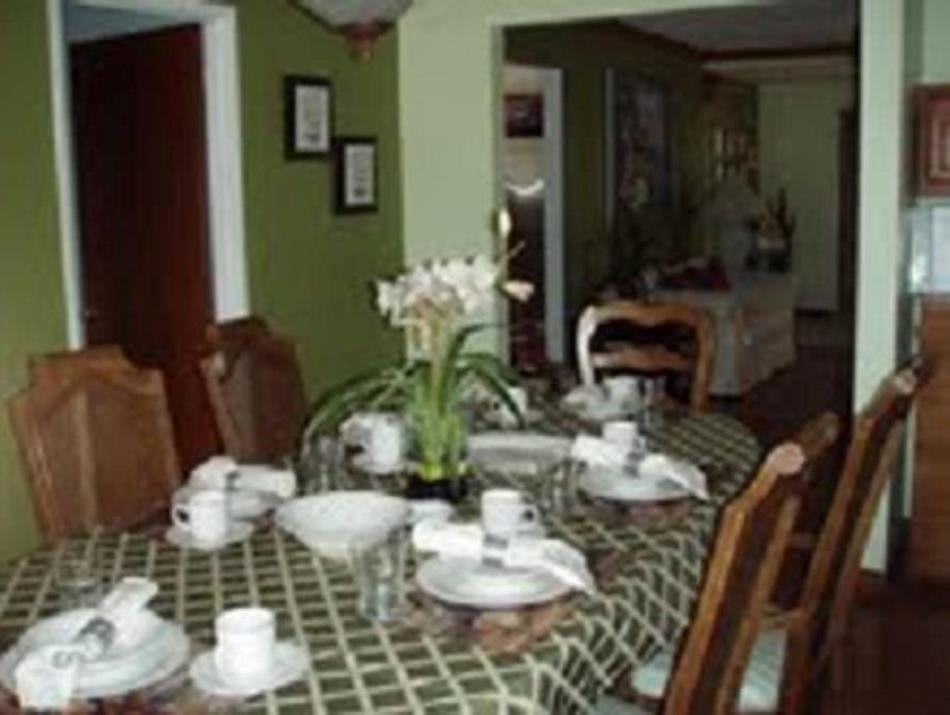
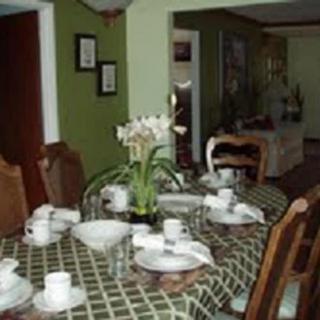
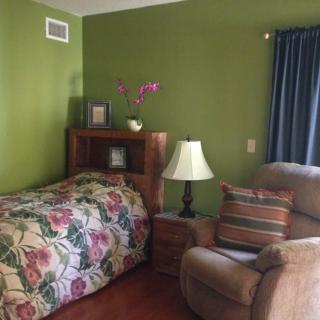
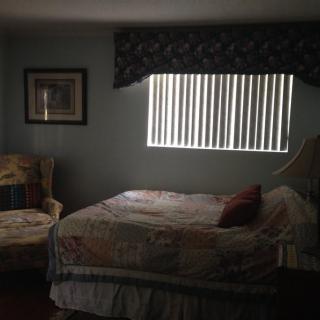
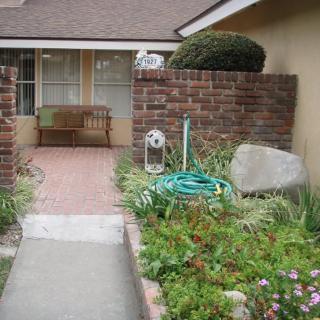
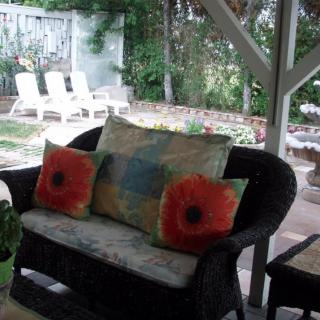
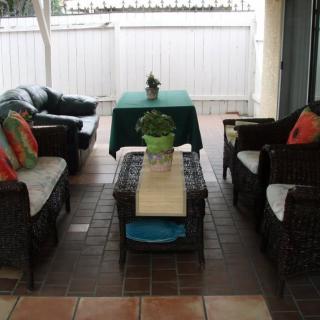
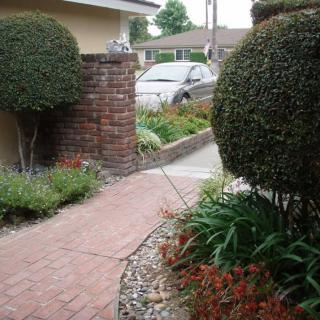
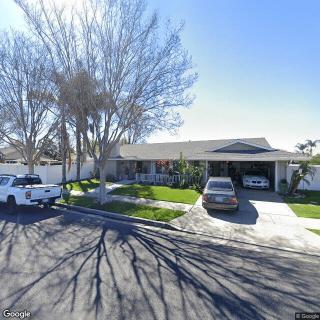
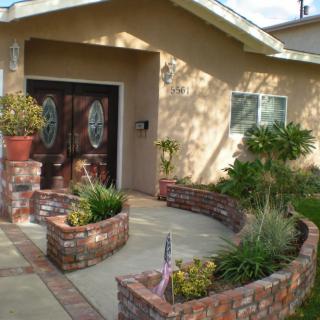
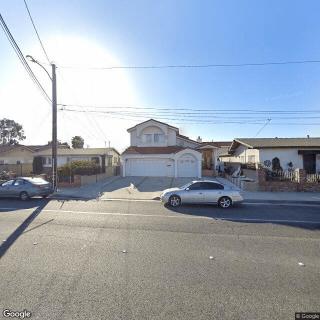
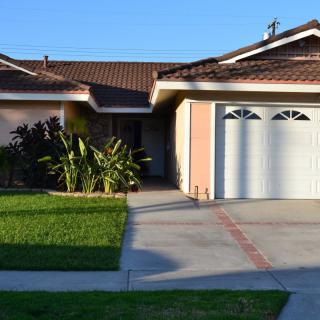
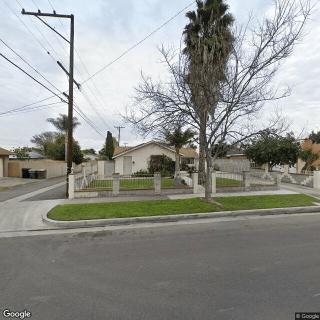
Back to Eden Care Home on seniors.fyi includes 9 photos including images showing landscaping, interior, bedroom, decor, outdoor, patio, garden, pathway, and more.
Nearby Communities
Mother Marcy Home Care Chateau
Anaheim, CA
Small, personalized board-and-care with 24/7 supervision, diabetes-friendly meals, and care coordination.
Primrose Residental Care
Anaheim, CA
4.8 from 43 reviews
$3,015 to $4,635 / month
Small, home-like setting with affordable pricing and comprehensive care.
Primrose Residential Care
Anaheim, CA
4.8 from 41 reviews
$3,000 to $3,500 / month
Affordable memory care with comprehensive services.
Genuinecare Residential Care Facility
Anaheim, CA
5 from 1 review
Small, intimate 6-bed facility with personalized care and comprehensive services.
Serenity Springs Senior Living
Anaheim, CA
$3,599 / month
Prime Anaheim location with abundant nearby amenities (cafes, restaurants, parks, pharmacies, hospitals, theaters) and multiple transport options.
Silver Lining Manor
Anaheim, CA
5 from 3 reviews
$3,000 / month
Affordable memory care with 24/7 supervision in a small 6-bed home.
Walnut Village, a CCRC
Anaheim, CA
4.2 from 57 reviews
$4,790 to $9,755 / month
Beautiful campus with attentive staff, engaging activities, and strong community involvement.
Coventry Court Health Center
Anaheim, CA
4.2 from 114 reviews
High-quality care with compassionate staff, a clean, hotel-like environment, and robust amenities.
Harbor Villa Care Center
Anaheim, CA
3.4 from 57 reviews
COVID-free environment with appealing meals and some staff committed to care.
Sundown syndrome, or sundowning, is a phenomenon in dementia patients characterized by increased confusion and agitation during late afternoon and evening, influenced by factors like disrupted circadian rhythms and fatigue. Effective caregiver strategies include establishing routines and managing environmental light while addressing caregiver stress through support services.
Delirium is a rapidly onset, reversible cognitive disturbance often caused by acute medical issues, while dementia is a gradual and irreversible decline due to chronic neurodegenerative diseases. Accurate differentiation between the two is essential for appropriate treatment and management in older adults.
Dementia, including Alzheimer’s disease, is often mischaracterized in terms of lethality as it leads to complications that can be fatal rather than being a direct cause of death; it causes a progressive decline in cognitive and physical health, making patients vulnerable to infections and other health crises. Effective management of nutrition, hydration, and communication is crucial in patient care, with palliative care becoming vital in advanced stages to enhance comfort and quality of life while caregivers play a key role amidst the challenges posed by the disease.
Get PricingAsk A QuestionSchedule A TourContact Senior Advisor
By clicking submit, you agree to our Partner's Terms of Use. You
also consent to receive calls and texts, which may be autodialed, from our Partner. Your consent is not a condition to
using our Partner's service. Please visit our Partner's Privacy Policy for information about their privacy practices.


 Board and Care Home
 Memory Care
 Activities off-site
 Beautician on-site
 Devotional services off-site
 Indoor common areas
 Outdoor common areas
 Private
 Private bathrooms
 Respite or short term stays offered
 Wheelchair accessible showers
 John Wayne Orange Co (11 miles away)
 Ambulatory care
 Diabetic care
 Incontinence care
 Medication management
 Kosher
 Small, personalized board-and-care with 24/7 supervision, diabetes-friendly meals, and care coordination.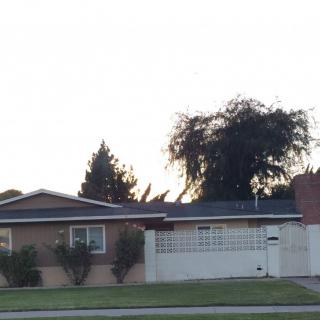



 Comprehending Evening Confusion in Dementia: Causes, Manifestations, and Support
 Delirium and Dementia: Unraveling the Key Differences
 Are Dementia and Alzheimer's Disease Lethal? A Comprehensive Exploration