
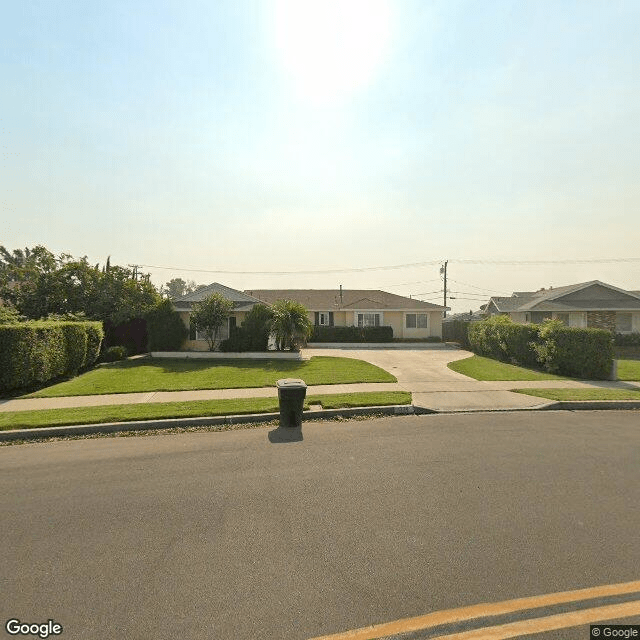
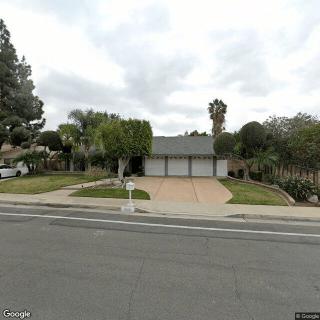
1774 W Chalet Ave, Anaheim, CA 92804
To contact a resident: (714) 496-0618
For more information about senior living options: (866) 208-4318
Milky Way Guest Home II Costs & Pricing
Milky Way Guest Home II offers competitive pricing for its 1-bedroom accommodations, with a monthly cost of $3,500. This rate is notably lower than the average costs found in Orange County, which stand at approximately $4,380, and also below the state average for California at around $4,340. Such pricing positions Milky Way Guest Home II as an attractive option for those seeking quality living arrangements while benefitting from significant savings compared to neighboring areas. The balance of affordability and care provided sets this guest home apart as a viable choice for residents looking for a welcoming environment without compromising on value.
| Floor plans | Milky Way Guest Home II | Orange County | California |
|---|---|---|---|
| 1 Bedroom | $3,500 | $4,380 | $4,340 |
Memory care communities with a similar price nearby
-
from +$495 / mo

Cadence Brea
$3,995 to $5,500 / month7.6 miles away -
About the same
Kind Heart Home Care VI
$3,500 to $5,000 / month20.9 miles away -
About the same
Comfort Keepers Home Care
$3,500 to $6,500 / month8.6 miles away -
from -$650 / mo
Alternative Senior Care - Freshwater
$2,850 to $3,250 / month8.9 miles away -
from -$500 / mo
Best Elderly Care I
$3,000 to $3,500 / month7.2 miles away
Overall Review of Milky Way Guest Home II
Pros
 The staff engage well with residents.
- The home appears nicer than their other location.
- Milky Way Guest Home takes really good care of its residents.
- The owner, who serves as the registered nurse, is knowledgeable, manages medications well, and does a great job.
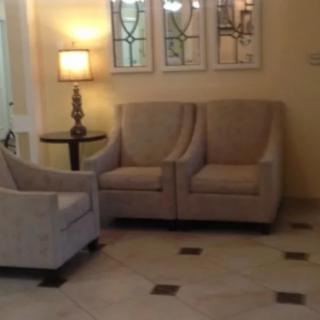
- The facility is very nice and offers comfortable private rooms.
- The staff are efficient and helpful.
- They are highly recommended by reviewers.
- The owner is very nice.
Cons
 They found it too far to reach and there was no freeway to get there.
- The home was older, which could be viewed as a drawback.
Review
Milky Way Guest Home II in Anaheim is best suited for seniors who want a small, home-like setting where care is hands-on and medically informed by a on-site professional. The strongest signal from these reviews is that staff engage residents in meaningful ways and that the owner, who is also a registered nurse, provides clear clinical oversight, especially around medications and care coordination. A private room and a generally pleasant, well-kept environment reinforce the sense of a personal, intimate place rather than a sprawling campus. This combination makes it a practical fit for families prioritizing consistent supervision and personal attention over flashy amenities or institutional scale.
Those who should consider alternatives have clear reasons to look elsewhere. The most common caution is location and access: one reviewer highlighted that the home is farther away and lacks easy freeway access, which can complicate visits or medical trips. Families that need straightforward, quick commuting routes or frequent, convenient family involvement may find other communities with better transit links more suitable. Similarly, those seeking a newer facility with more expansive programming or a broader range of on-site services may prefer a larger, more modern community with abundant activities and social opportunities.
On the upside, the core advantages provide real leverage against the drawbacks. The staff’s proactive engagement with residents, from routine interactions to visible personal touches like hair styling, demonstrates a nurturing, attentive culture. The owner-operator’s nursing experience translates into reliable medication management and clinical responsiveness, which is a critical offset for an older, more modest space. Residents report a private room and a tidy, pleasant setting, suggesting dignity and comfort are preserved, even when the building itself isn’t the newest or largest. In short, the hands-on care and the clinical backbone can make up for modest amenities.
A pattern emerges in the reviews: multiple sources echo similar positives, with praise for staff interactions and the nurse-owner’s competence. Several say the facility feels like a step up from the provider’s other location, implying a track record of steady, improving performance rather than sporadic excellence. That consistency matters for families weighing risk: dependable medication handling, efficient service, and a generally nice atmosphere reduce the worry that a smaller, older home can’t meet evolving needs. Yet the repeated note about the location’s characteristics signals a real trade-off between quality of care and geographic convenience.
Decision-making for families should center on visit timing and questions about clinical capacity. If choosing Milky Way Guest Home II, prioritize confirming the exact scope of nursing coverage (is there 24/7 on-site RN or enhanced on-call support?), how medications are managed and reconciled, and how hospital-to-home transitions are handled when hospital stays occur. Inquire about room options, daily routines, meals, and activity levels to ensure alignment with the resident’s preferences. Also map out travel plans to ensure weekly or biweekly visits are realistic, and assess whether the home’s neighborhood and traffic patterns will fit the family’s real-life logistics.
Overall, Milky Way Guest Home II provides a practical, caregiver-focused option for seniors who value personalized attention and reliable medication oversight in a smaller, homelike setting. It excels where intimate staff-resident relationships and clinical competence matter most, and the strength of the owner-operator’s nursing background serves as a meaningful assurance for families managing ongoing health needs. The primary caveat is location and the inherent limitations of an older, less expansive facility. For families prioritizing proximity and a busier social calendar, alternatives closer to home or with newer construction may be worth a closer look, but for those who can work around travel and desire steady, hands-on care, this community stands up well against its peers.
 Board and Care Home
 Memory Care
 John Wayne Orange Co (11 miles away)
 Ambulatory care
 Diabetic care
 High acuity care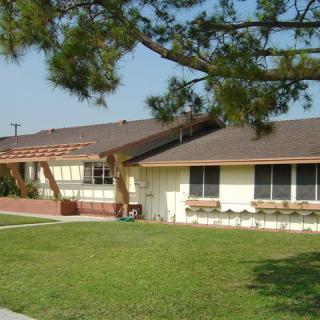




 When to Transition from Assisted Living to Memory Care: Key Indicators, Steps, and Finding the Right Community
 Understanding the Distinctions: Assisted Living and Memory Care Explained
 How to Communicate with a Loved One Living with Dementia: 10 Supportive Strategies