

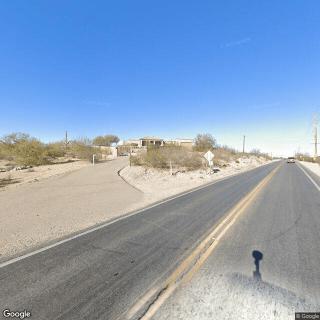
6493 N. Silverbell Road, Tucson, AZ 85743
To contact a resident: (520) 579-3710
For more information about senior living options: (866) 208-4318
Silverbell Manor LLC Costs & Pricing
Silverbell Manor LLC offers competitive monthly rates for its residents, positioned favorably against both Pima County and the broader Arizona state averages. For semi-private rooms, Silverbell Manor's pricing at $2,700 is notably lower than Pima County's $2,805 and Arizona's average of $2,820. The cost for private rooms stands at $3,400, aligning well with Pima County's rate of $3,332 while remaining slightly below the state average of $3,345. Similarly, their one-bedroom options mirror this trend at $3,400 - again undercutting Pima County's average of $3,660 and offering a better value compared to the state's overall figure of $3,532. Overall, Silverbell Manor LLC exemplifies an attractive choice for prospective residents seeking quality care without straining their budgets.
| Floor plans | Silverbell Manor LLC | Pima County | Arizona |
|---|---|---|---|
| Semi-Private | $2,700 | $2,805 | $2,820 |
| 1 Bedroom | $3,400 | $3,660 | $3,532 |
| Private | $3,400 | $3,332 | $3,345 |
Memory care communities with a similar price nearby
-
from +$300 / mo
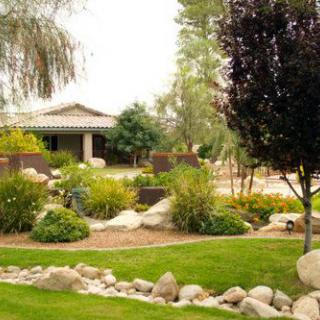
Crossroads Adult Care Homes
$3,000 to $3,600 / month5.9 miles away -
About the same

Casa De Los Abuelos Dos
$2,700 to $3,200 / month3.7 miles away -
from -$200 / mo
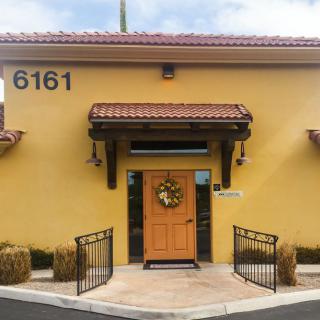
Fairmount Assisted Living
$2,500 to $3,500 / month13.6 miles away -
from +$445 / mo

The Watermark at Oro Valley
$3,145 to $4,995 / month6.8 miles away -
from +$250 / mo

La Sonora at Dove Mountain
$2,950 to $5,270 / month7.2 miles away
Overall Review of Silverbell Manor LLC
Pros
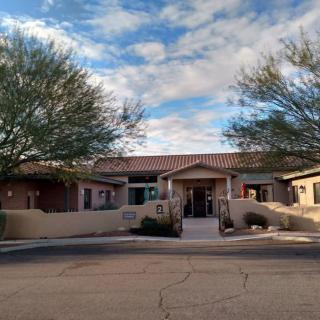
 The home is beautiful.
- The caregivers are nice and friendly.
- The facility is clean and friendly.
Cons
 It offers no medical, activity, or dietary support.
- It is clean and friendly but provides no stimulation.
- It is a beautiful home with friendly caregivers, yet the shared rooms would not be acceptable to her mom.
Review
Silverbell Manor LLC in Tucson is best suited for seniors who want a small, home-like setting with a friendly, clean environment and are comfortable sharing living space while not requiring ongoing medical oversight, structured daily activities, or dietary management. This community appeals to those who place a premium on a reassuring caregiver presence and a tidy, easy-to-navigate home atmosphere, rather than a facility with robust programming or on-site health services. For couples or individuals who don’t insist on private rooms and who can tolerate limited social stimulation, Silverbell Manor can feel like a calm, uncomplicated next step.
Potential residents or families should consider alternatives if medical support, daily activities, or dietary planning are essential. Those needing regular medication management, on-site therapy, coordinated meals, or purposeful programming will likely find Silverbell Manor insufficient. Similarly, seniors who require privacy and personal space, or who seek more varied social opportunities and structured engagement, should evaluate other assisted living options with dedicated activity schedules, more comprehensive care plans, and private-room configurations. In short, this community answers a very specific niche: comfort and warmth with minimal care overhead.
The visible strengths are real and meaningful. A beautiful home environment, paired with clean conditions and caregivers who come across as approachable and friendly, creates an atmosphere of everyday ease. For residents who can manage with limited external support, these factors translate into lower stress and predictable daily routines. The physical setting matters in reducing anxiety about new surroundings, and the perceived attentiveness of the caregiving staff can foster trust in basic day-to-day care. These pros matter when the priority is settling into a familiar-feeling space without a loud, busy environment.
However, the core drawbacks cannot be ignored. The absence of medical, activity, or dietary assistance means oversight on health needs is limited, and residents may miss timely reminders for medications, meals, and personal care. The lack of stimulation and programming translates into a risk of social isolation and cognitive or functional stagnation over time. Shared rooms compound privacy concerns and can undermine comfort for residents who value quiet spaces or personal routines. For families seeking a vibrant, engaging daily life with consistent opportunities to socialize and stay active, these gaps quickly become critical.
The key question is whether the comfort and caregiver warmth offset the substantial gaps in care and engagement. For some, the answer is yes, if independence is the overarching goal and external supports can be layered on (outside meal services, home health aides, or community-based activity options) to fill the programming gap. For most long-term planning, however, the missing elements, regular health oversight, structured activities, and private accommodations, make Silverbell Manor a less ideal fit. Prosustainability hinges on whether external services can be reliably arranged and whether the resident can tolerate shared accommodations without privacy or stimulation.
In final terms, Silverbell Manor is a careful fit for families prioritizing comfort, a welcoming staff, and a clean, home-like feel over medical or programmatic assurances. It is not the choice for someone who requires daily medical support, tailored meals, active engagement, or private space. Prospective residents should enter with clear expectations: plan for supplemental health and activity services if needed, and inquire specifically about room configurations, any available private options, and the feasibility of arranging external care to complement the existing staffing. This community serves as a practical, low-stress bridge for a specific subset of seniors, but it is not a comprehensive solution for those demanding ongoing care, stimulation, or privacy.
 Board and Care Home
 Memory Care
 Private
 Respite or short term stays offered
 Tucson International (16 miles away)
 Ambulatory care
 Diabetic care
 High acuity care
 Incontinence care
 Medication management
 Christian services

 A Detailed Exploration of Assisted Living Medicaid Waivers Across the United States
 Exploring the Contrasts Between Assisted Living and Skilled Nursing
 Vibrant Senior Living: A Comprehensive Guide for Active Older Adults