
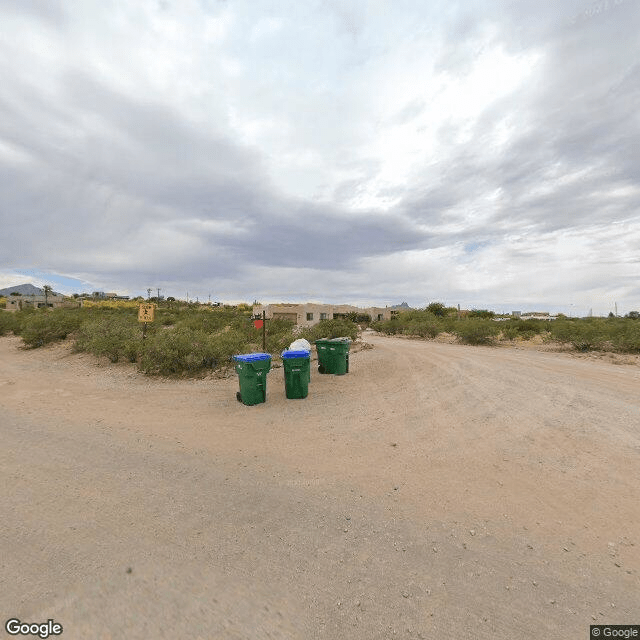
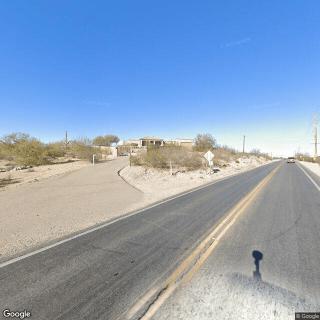
6445 North Desert Foothills Drive, Tucson, AZ 85743
For more information about senior living options: (866) 208-4318
Sakuta's Loving Heart Assisted Living Home Costs & Pricing
Sakuta's Loving Heart Assisted Living Home offers competitive pricing for its services, especially when compared to the broader market in Pima County and across Arizona. For a semi-private room, residents can expect to pay $2,300 per month at Sakuta's, which is notably lower than the county average of $2,805 and the state average of $2,820. Similarly, for those seeking a private room, Sakuta's rates stand at $2,600 - considerably more affordable than the Pima County average of $3,332 and well below the state average of $3,345. This makes Sakuta's not only a nurturing environment for its residents but also an economically sound choice for families looking for quality assisted living options.
| Floor plans | Sakuta's Loving Heart Assisted Living Home | Pima County | Arizona |
|---|---|---|---|
| Semi-Private | $2,300 | $2,805 | $2,820 |
| Private | $2,600 | $3,332 | $3,345 |
Assisted Living communities with a similar price nearby
-
from -$450 / mo
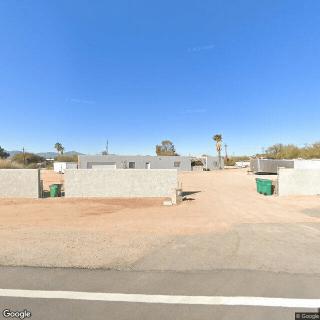
Connie's Manor Home
$1,850 to $2,300 / month3.2 miles away -
from -$100 / mo
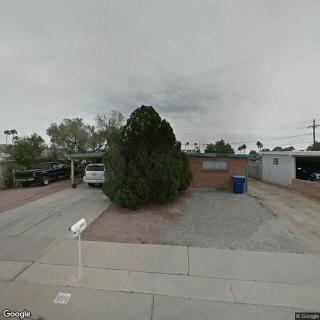
Gentlemen's Inn I
$2,200 / month16.4 miles away -
from +$400 / mo

Casa De Los Abuelos Dos
$2,700 to $3,200 / month3.8 miles away -
from +$200 / mo
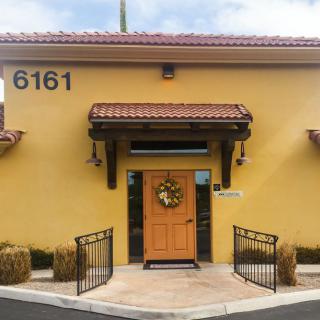
Fairmount Assisted Living
$2,500 to $3,500 / month13.7 miles away -
About the same
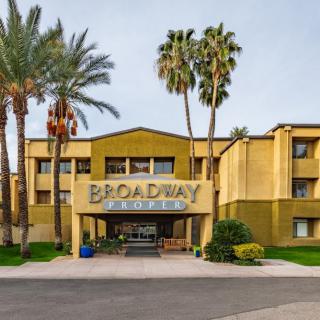
Broadway Proper Senior Living
$2,275 to $3,075 / month16.0 miles away
Overall Review of Sakuta's Loving Heart Assisted Living Home
Pros
 Nathan is easy to talk to and very attentive to his residents.
- His homes are neat, clean, and the food smells delicious.
- Residents are very happy there.
- Nathan and his homes come highly recommended.
- The home is beautiful with nice, friendly caregivers.
Cons
 The home has shared rooms, which the reviewer says her mother wouldn’t like.
- Shared rooms are a drawback for residents who value privacy.
Review
Sakuta's Loving Heart Assisted Living Home in Tucson is best suited for seniors who want a warm, intimate, home-like environment and who value hands-on, consistent attention from a small, owner-operated team. The community suits residents who thrive on daily interaction with caregivers and neighbors in a closely knit setting, where the atmosphere is personal and the kitchen consistently produces appetizing scents. This is not a campus with sprawling amenities; it is a true home-like operation that emphasizes direct oversight and a curious sense of neighborhood stability.
However, this model may not fit every situation. Those who insist on private accommodations or who are comparing options for a spouse or parent who must stay together should consider alternatives. The clearest drawback in the available feedback is the shared-room setup, which can compromise privacy and comfort for residents who prize quiet, personal space or who are accustomed to private bedrooms. Families seeking a facility with a broader care continuum, more extensive medical oversight, or larger programming should look at larger communities that can better match those needs.
On the upside, the standout strengths center on the human element and the day-to-day environment. Nathan is described as easy to talk to and highly attentive to residents, with friendly caregivers who keep the home feeling welcoming. The spaces are noted as neat and clean, and the kitchen environment, hearty smells of home-cooked meals, signals pride in nourishment and hospitality. Residents’ reported happiness matters most in assisted living, and those impressions align with a setting where trust and consistency appear built into the routine.
The primary con, the shared rooms, remains a real limitation for privacy-focused families. For couples or individuals who prioritize private sleeping quarters, this arrangement can be a decisive obstacle. While the home excels in warmth, attentiveness, and comfort in daily life, the lack of private rooms may constrain social privacy and personal ritual. The small scale that nurtures a family feel can also cap the breadth of activities and the ability to customize care for more complex or specialized needs. In short, the model shines for companionship and dependable day-to-day care, but it isn’t ideal for everyone.
Nevertheless, the benefits can decisively offset the drawbacks for the right resident mix. The owner-driven model nurtures rapid responsiveness and a straightforward, transparent care approach that larger facilities often struggle to replicate. A clean, well-maintained home paired with consistently attentive staff builds a dependable, low-stress daily rhythm, and the positive resident sentiment reinforces the sense that care is personal and reliable. For families prioritizing a neighborly, trust-forward environment, this setting earns strong credibility, even with the caveat of shared living spaces.
Decision guidance should be clear: this community warrants a serious look for families seeking an intimate, home-like assisted living experience with accessible leadership and a friendly, dependable staff. It is a strong fit for seniors who can tolerate shared sleeping arrangements and who do not require an expansive medical or activity continuum on-site. Those who insist on private rooms, private space for a spouse, or a more robust calendar of programs should systematically evaluate alternatives that offer private accommodations and larger care teams. To move forward, arrange a tour, meet the caregiving team, inspect room options, and confirm what services exist beyond meals. If privacy and a more developed clinical continuum matter, continue the search; if warmth, trust, and consistent daily life are the priorities, Sakuta’s Loving Heart stands out as a credible, comfortable option.
 10 resident community capacity
 Assisted Living
 Board and Care Home
 Cats allowed
 Dogs allowed
 Cable or satellite TV
 Dining room
 Fully furnished
 Garden
 Housekeeping services
 Move-in coordination
 Outdoor space
 Private
 Telephone
 Wi-Fi/high-speed internet available
 Tucson International (16 miles away)
 24-hour supervision
 Activities of daily living assistance
 Ambulatory care
 Assistance with bathing
 Assistance with dressing
 Assistance with transfers
 Diabetes diet
 Diabetic care
 Incontinence care
 Meal preparation and service
 Medication management
 Special dietary restrictions
 Transportation arrangement (medical)
 Transportation to doctors appointments



 Comprehensive Insights into Activities of Daily Living (ADLs) and Their Assessment
 Medicare Coverage for Assisted Living: An In-Depth Exploration
 Choosing the Right Senior Care: A Detailed Exploration of Assisted Living and Nursing Homes