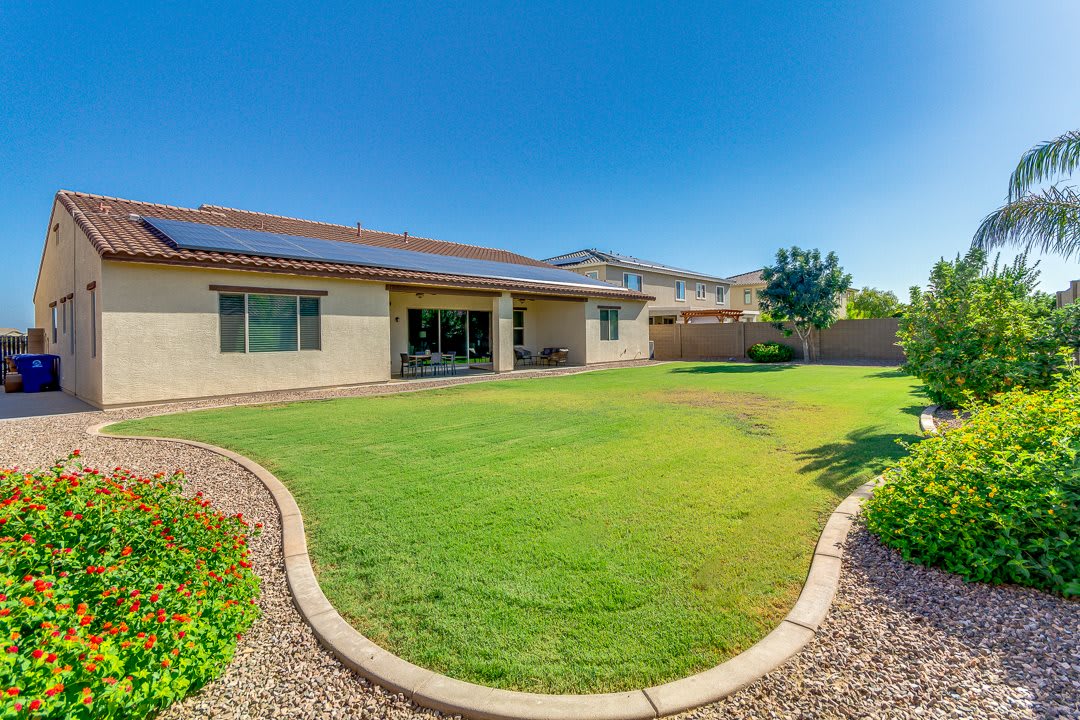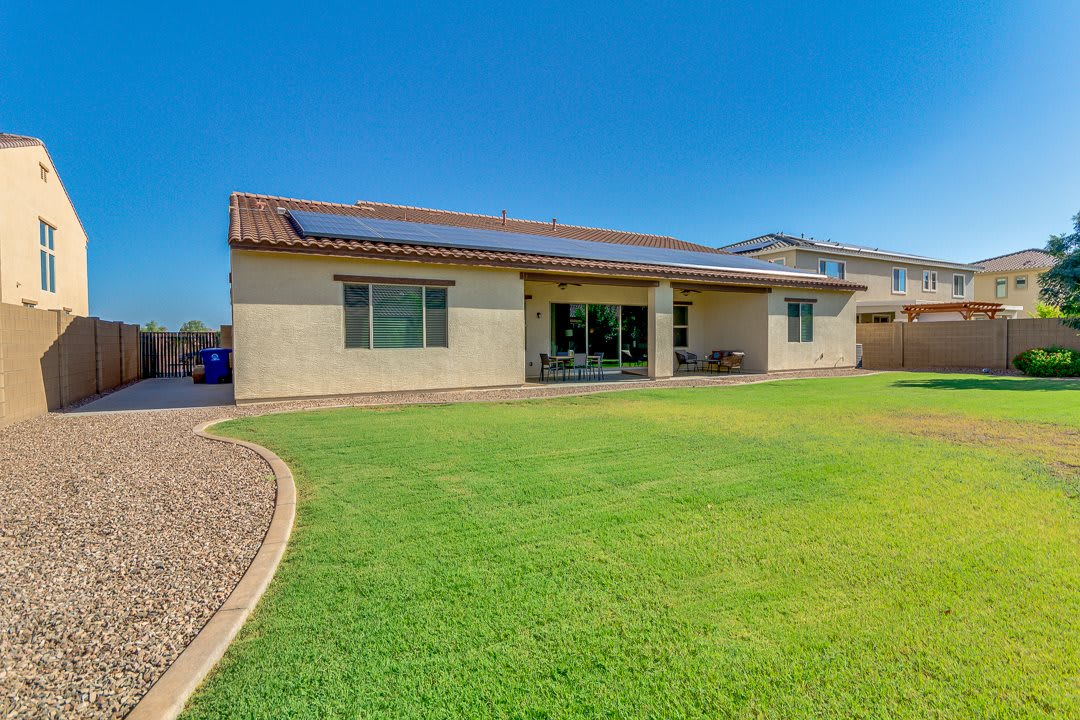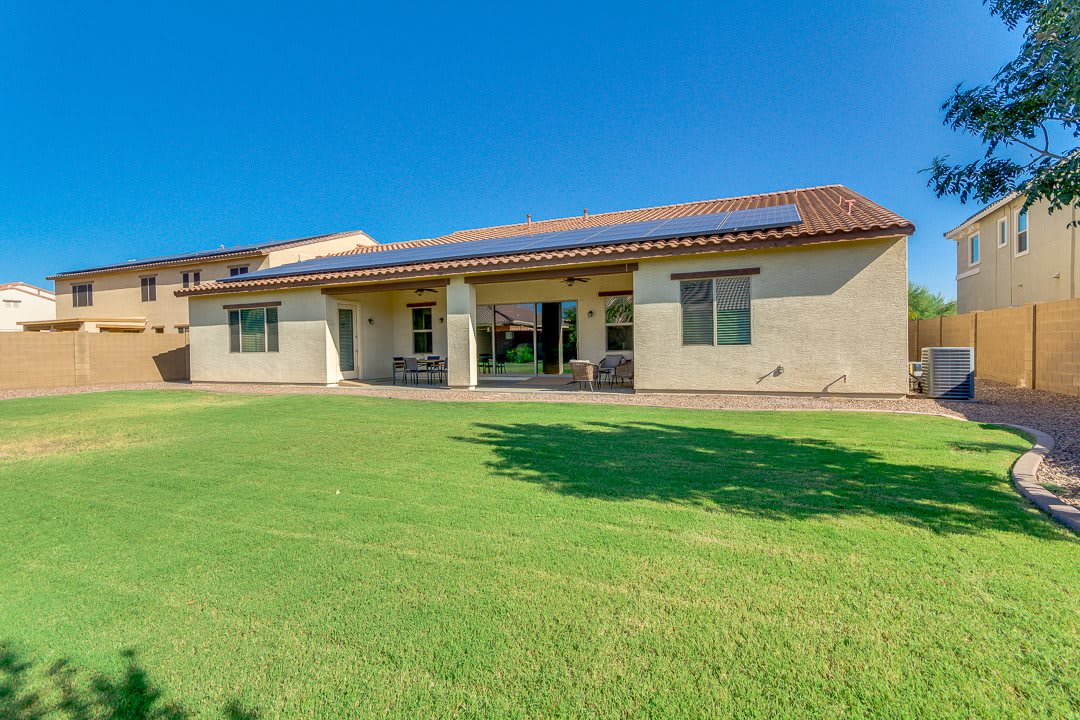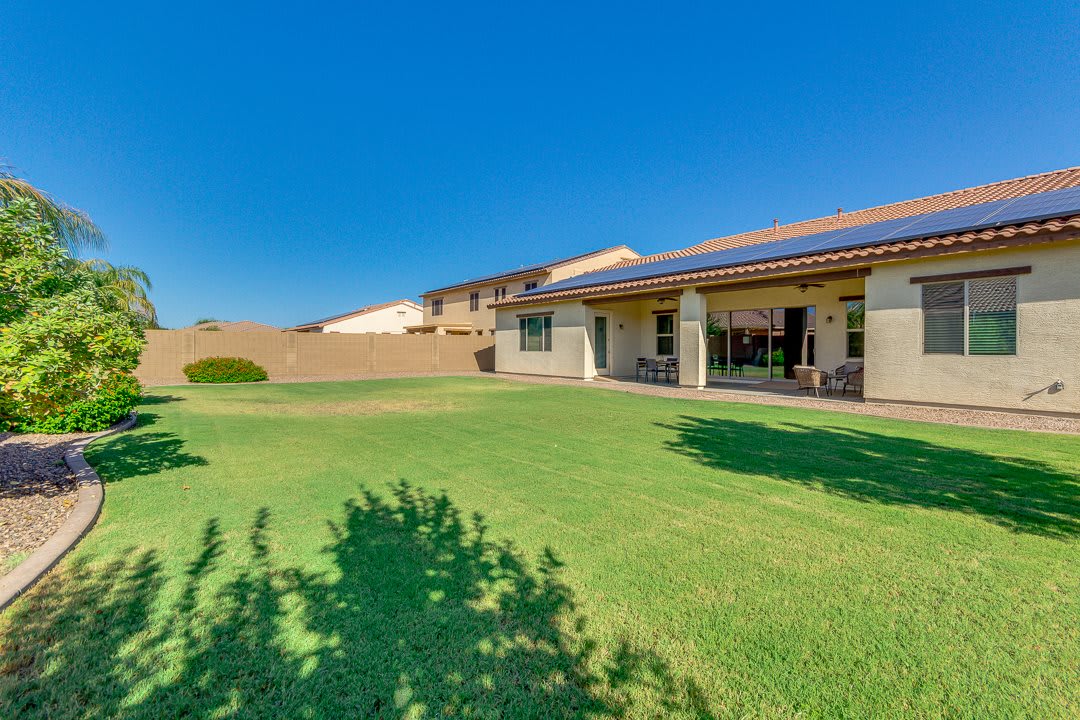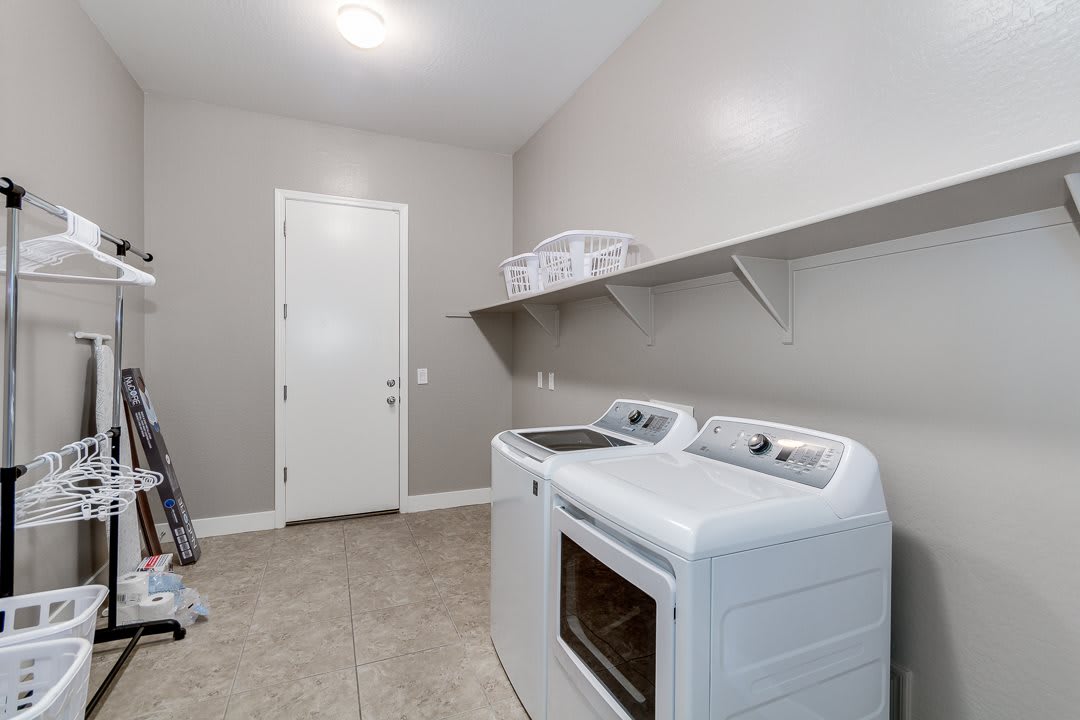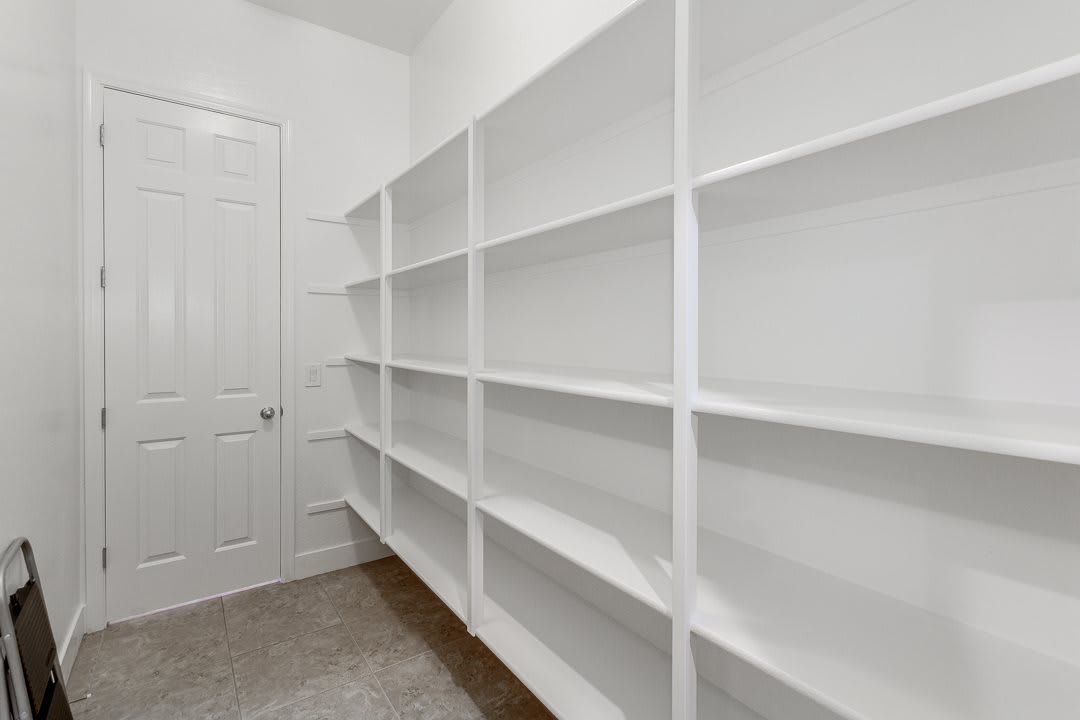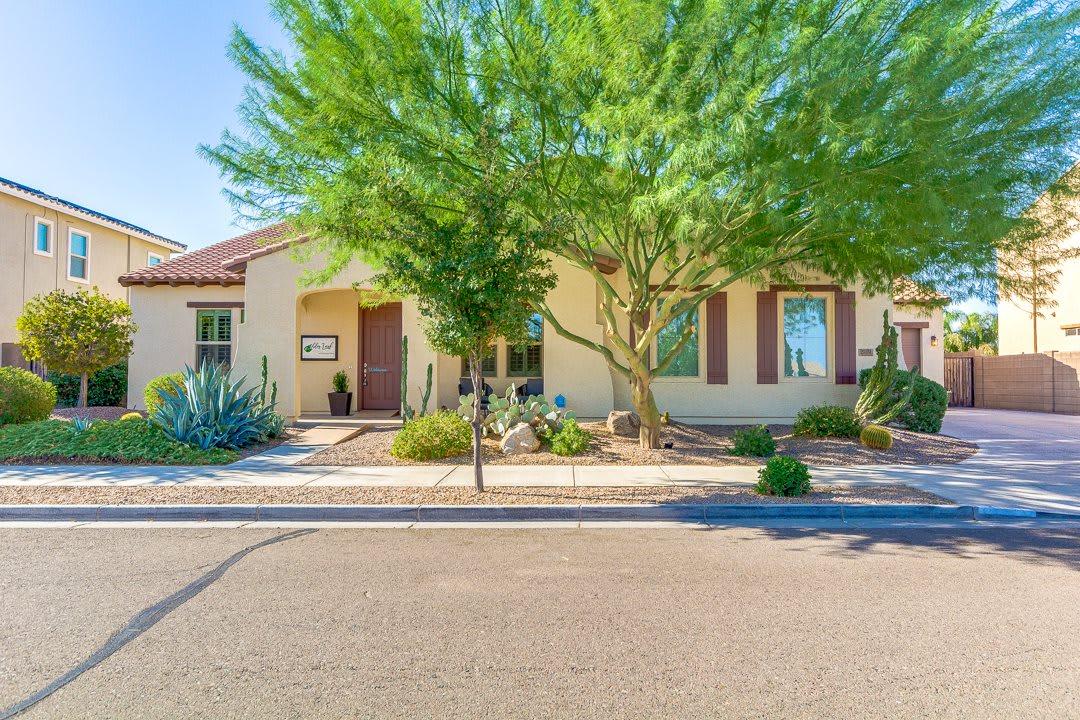
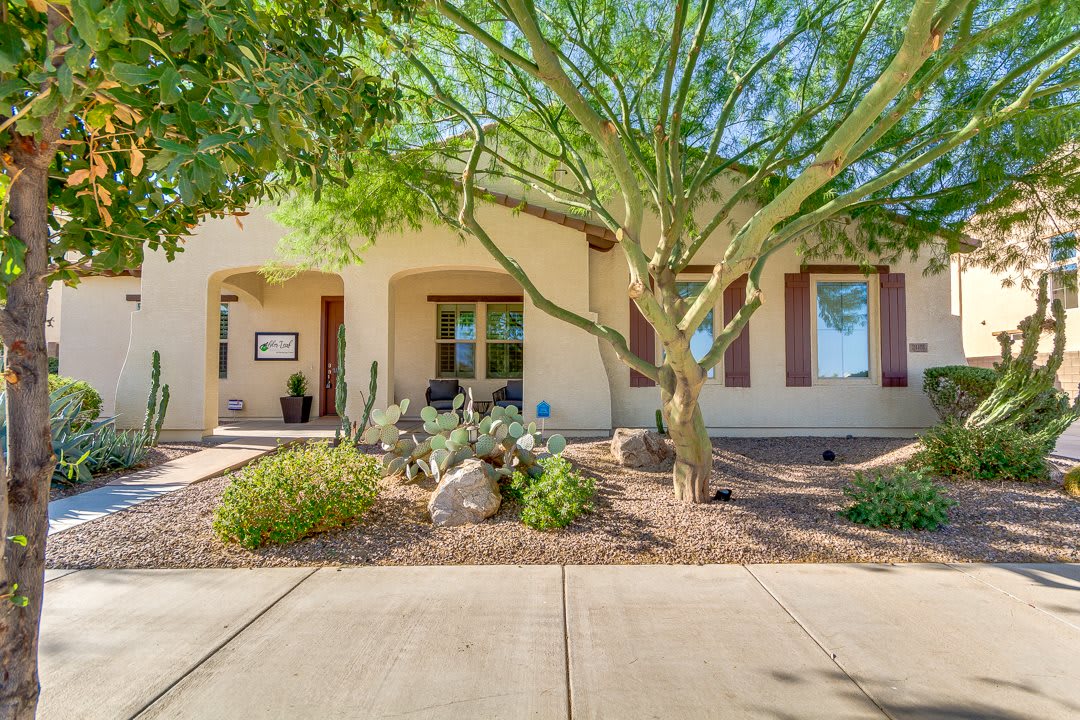
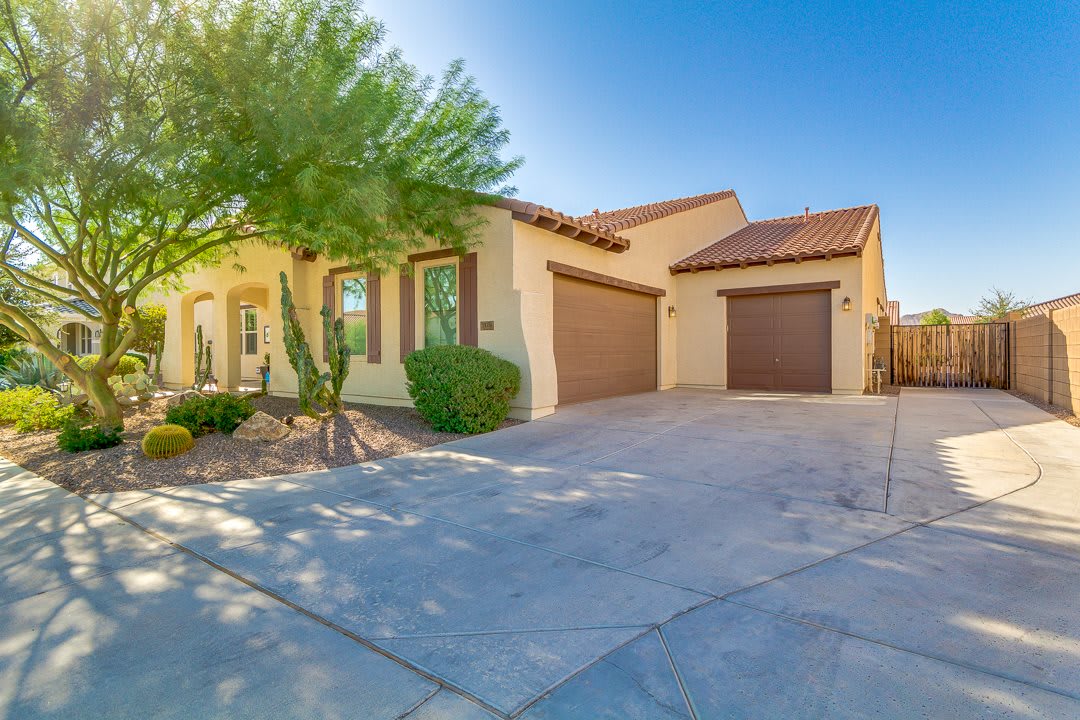
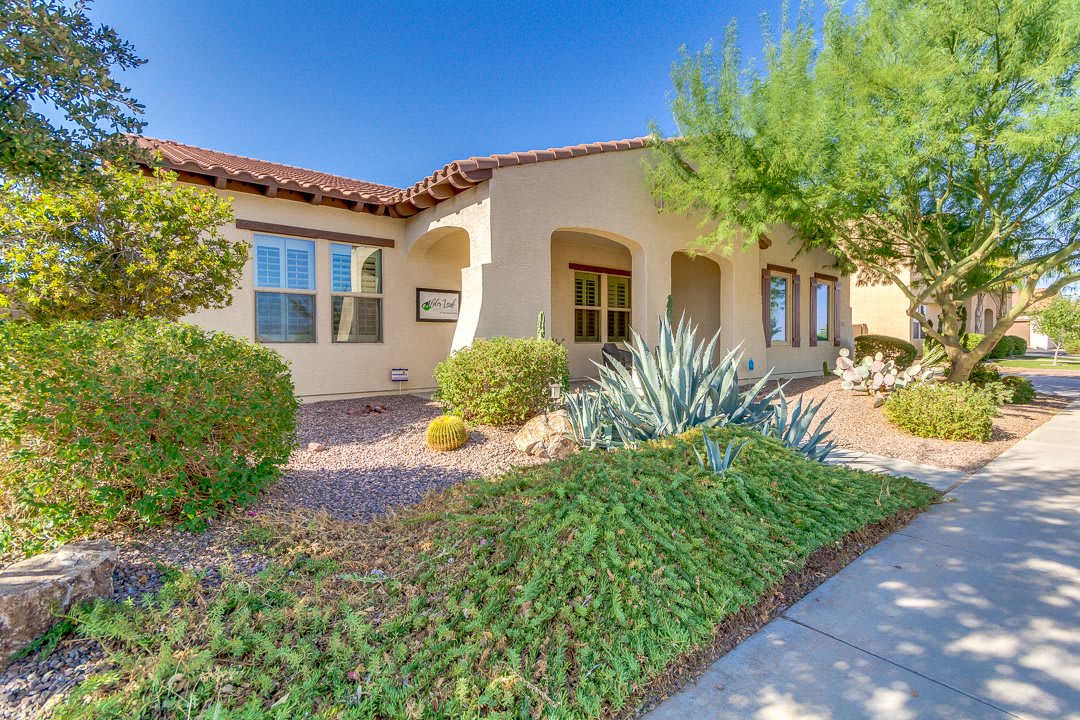



21151 E Via De Arboles, Queen Creek, AZ 85142
To contact a resident: (480) 591-2273
For more information about senior living options: (866) 208-4318
Alder Leaf at Hasting Farms Costs & Pricing
Alder Leaf at Hasting Farms presents a range of living options with pricing that reflects its premium services and amenities. Monthly costs for a semi-private room are set at $3,800, significantly higher than the averages in Pinal County at $2,798 and Arizona at $2,820. For those seeking more privacy, the private room option is priced at $4,800, again surpassing both county and state averages of $3,209 and $3,345 respectively. Lastly, the one-bedroom accommodation is offered at $6,500, which stands out against local and state benchmarks of $3,659 and $3,532. While Alder Leaf's pricing exceeds regional norms, it likely correlates with enhanced care options and community offerings that cater to residents' diverse needs.
| Floor plans | Alder Leaf at Hasting Farms | Pinal County | Arizona |
|---|---|---|---|
| Semi-Private | $3,800 | $2,798 | $2,820 |
| Private | $4,800 | $3,209 | $3,345 |
| 1 Bedroom | $6,500 | $3,659 | $3,532 |
Memory care communities with a similar price nearby
-
from -$300 / mo
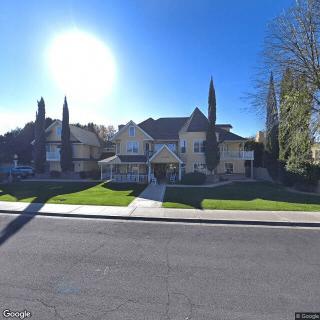
Jim & Patti Jones II
$3,500 to $4,500 / month18.1 miles away -
About the same

Hazelwood Manor
$3,700 / month24.4 miles away -
from +$290 / mo

Clarendale of Chandler
$4,090 to $6,220 / month8.8 miles away -
from -$250 / mo
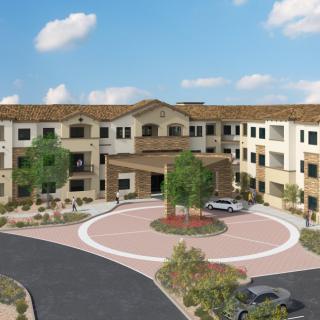
Cadence Chandler
$3,550 to $5,200 / month15.3 miles away -
About the same

Savanna House
$3,700 to $5,200 / month11.2 miles away
Overall Review of Alder Leaf at Hasting Farms
Pros
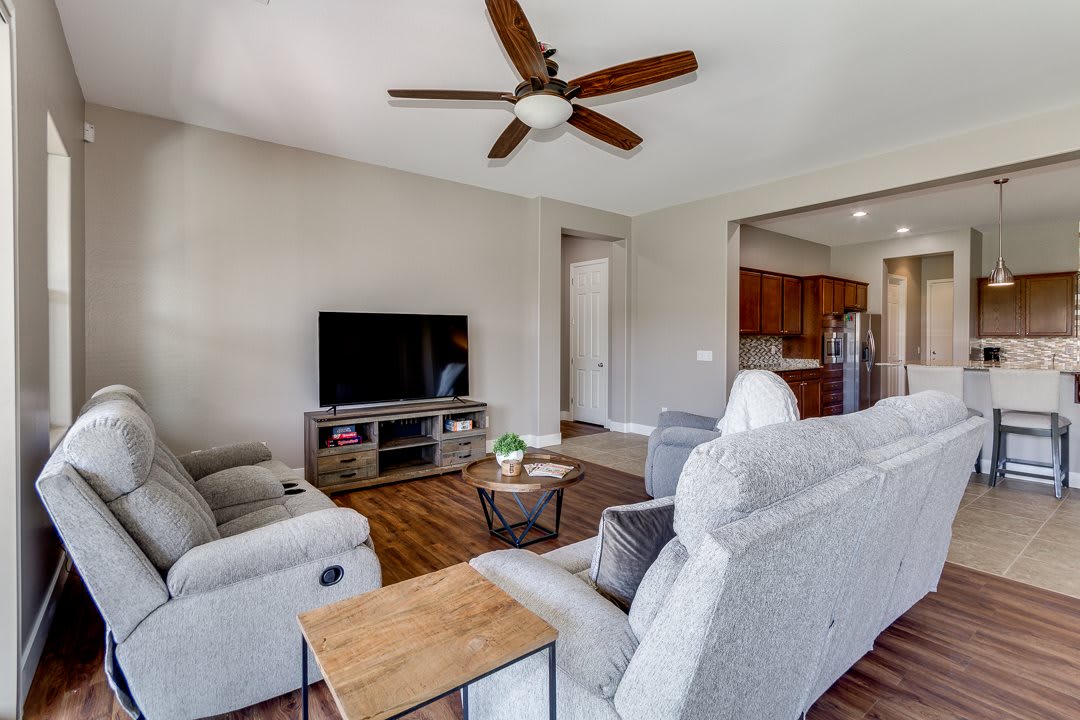
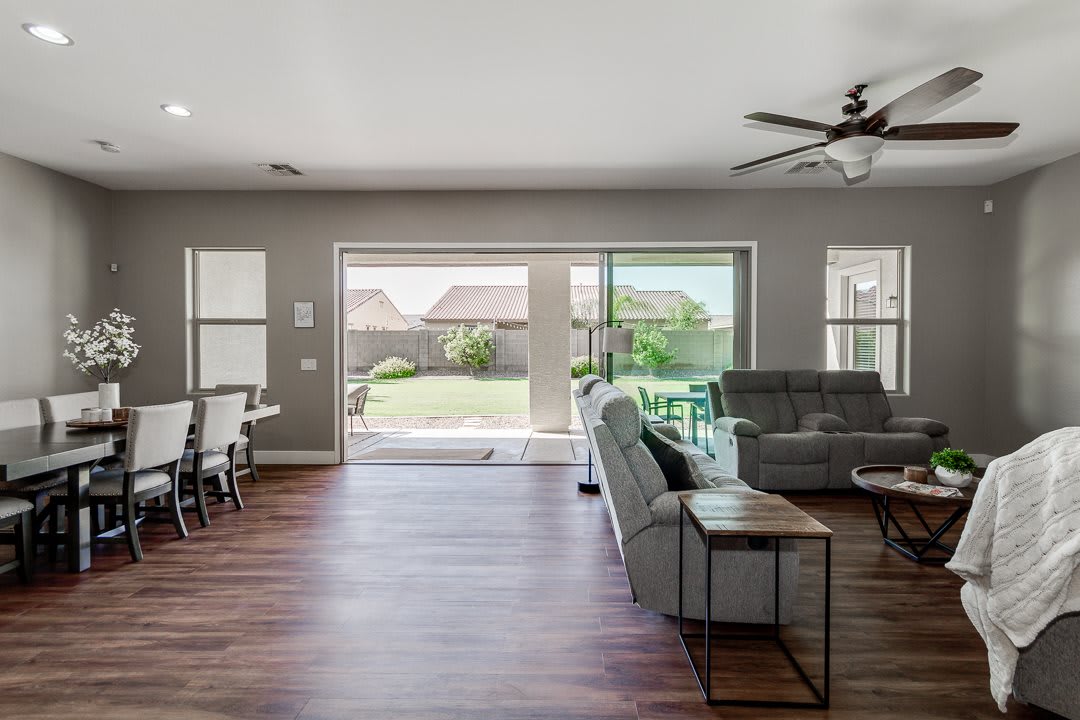
 Alder Leaf offers an intimate home-like atmosphere that is superior to other places.
- It has a family setting, is well connected to resources, and its collaborative approach to care is stellar.
- Alder Leaf was a godsend to their family and their Dad.
- The care at Alder Leaf Hastings Farms is highly regarded; the staff and residents are friendly, and the food and activities are wonderful for the residents.
- The care services were good and the manager was excellent.
- The staff and the manager were loving and caring.
- Alder Leaf is the best place for a loved one; staff treat residents with dignity and respect.
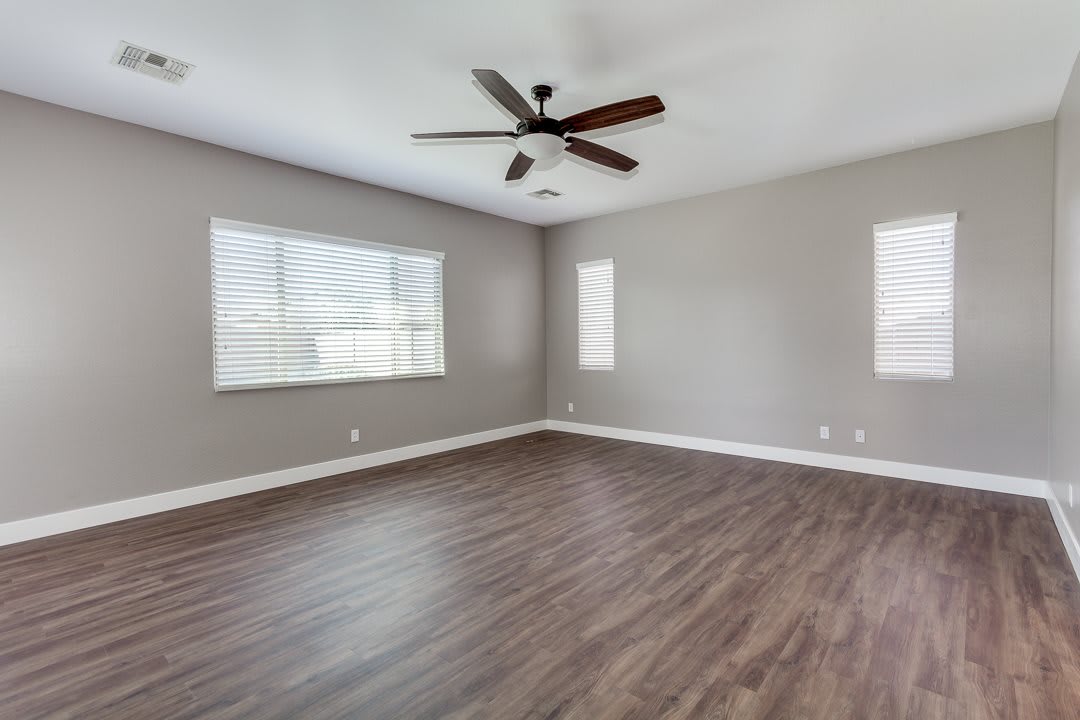
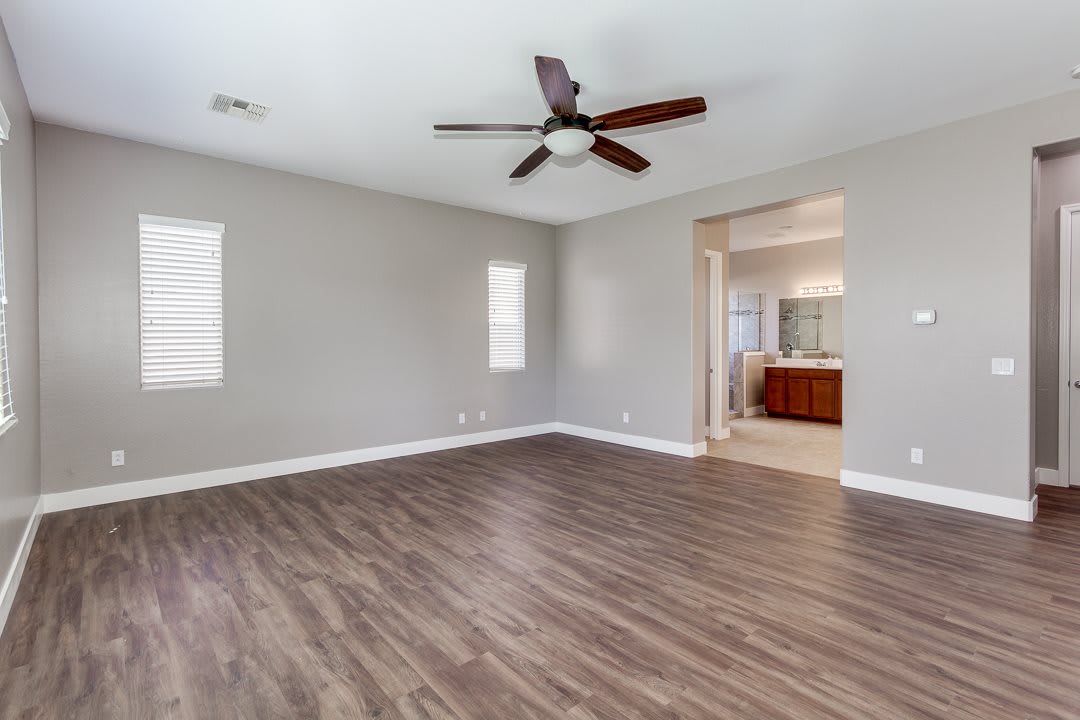
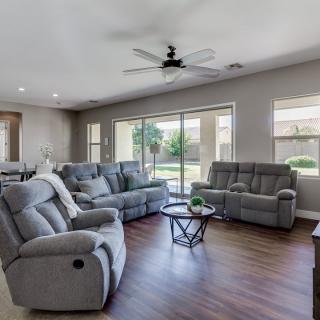
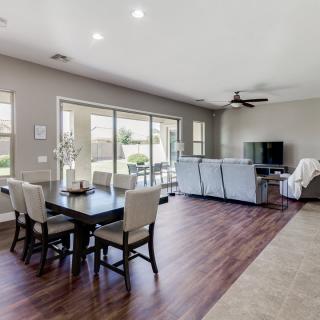
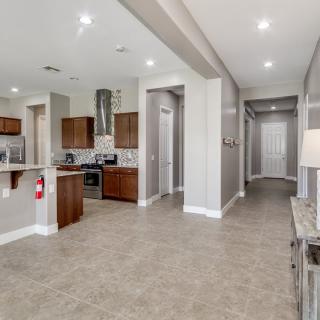
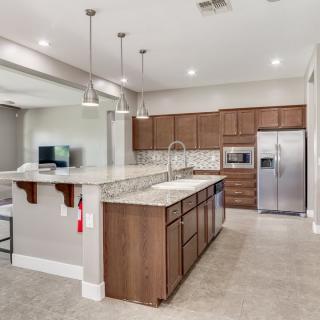
- The home is clean and beautifully furnished, with private rooms and reasonable prices, and meals are yummy.
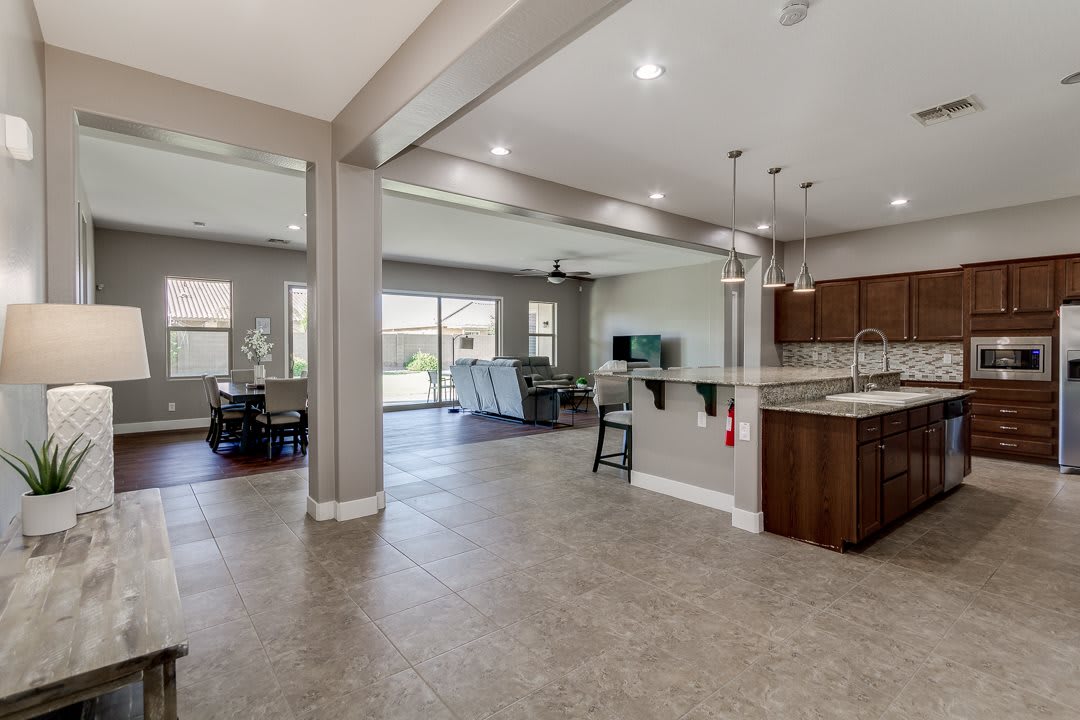
- The house is beautiful, brand new and large, yet homey, with wonderful staff.
Cons
 The staff is not trained to perform memory-care related care or to provide at the level they claim.
 - If a loved one has normal memory-related issues, they will ship them off to the hospital and lie about the reasons for needing it.
- When pressed for information, their claims don’t add up, they backtrack and the truth comes out.
- The turnover rate is pretty high at this sham of a facility, with vacancies explained as resident deaths that later are found to be alive in a suitable home.
- The staff claims residents break furnishings, which never actually occurred.
- The only shining light is the night nurse; the rest of the staff including the manager and owner are garbage.
- Bottom line, this is a terrible place to send a loved one, and one should look for somewhere else that is equipped to provide care.
Review
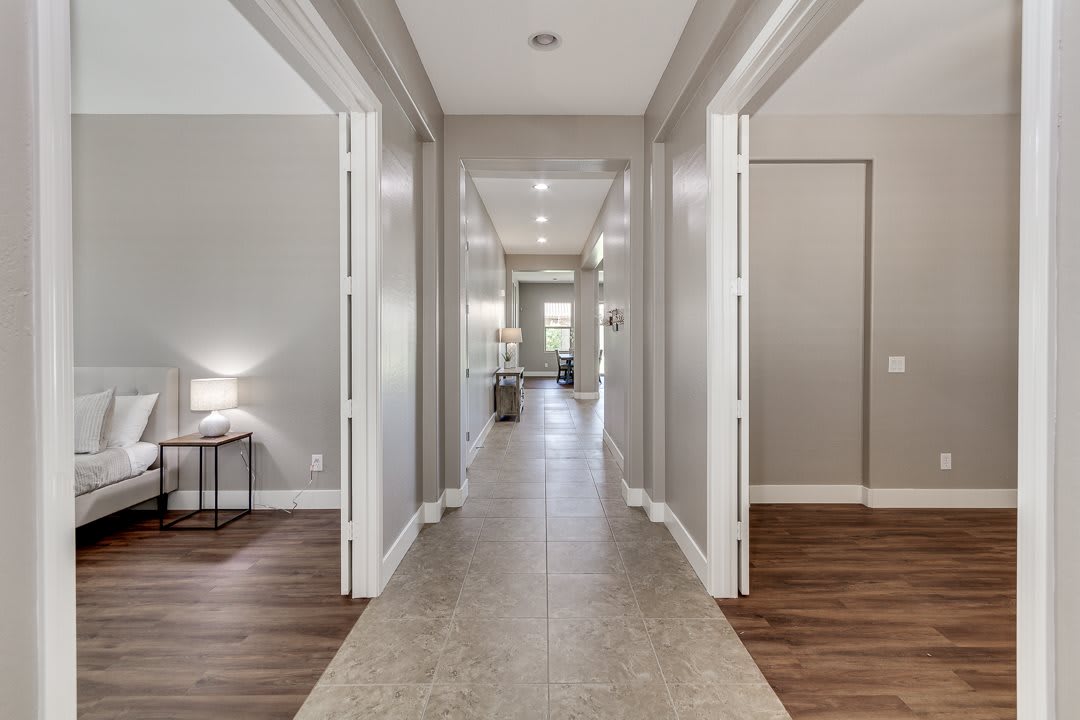
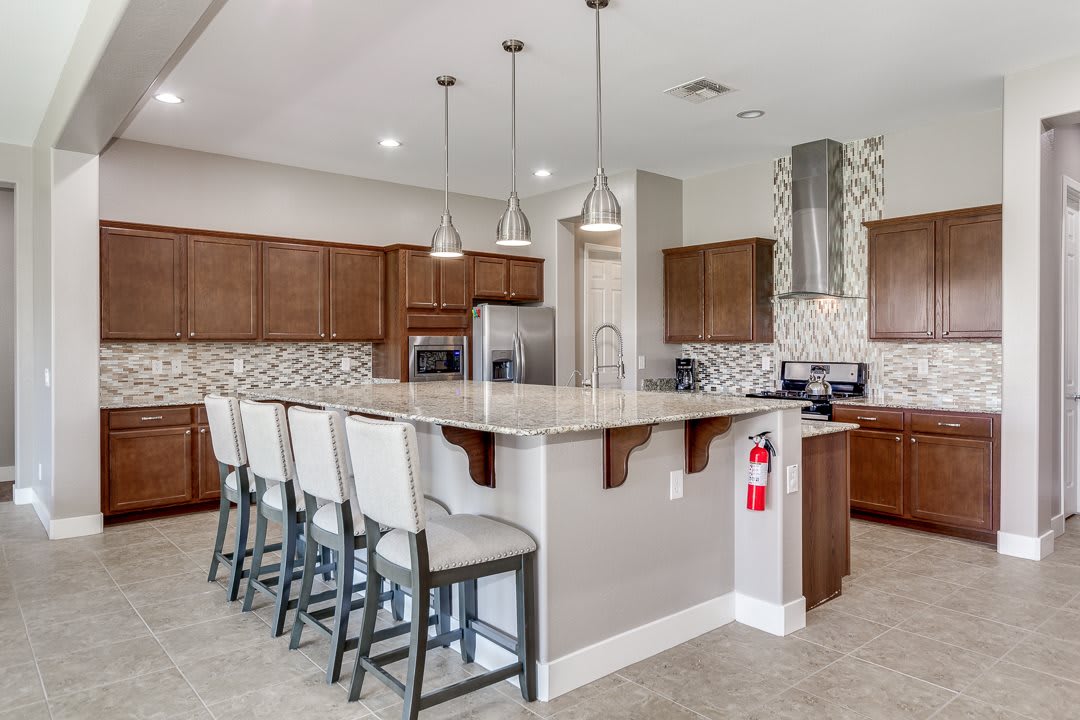
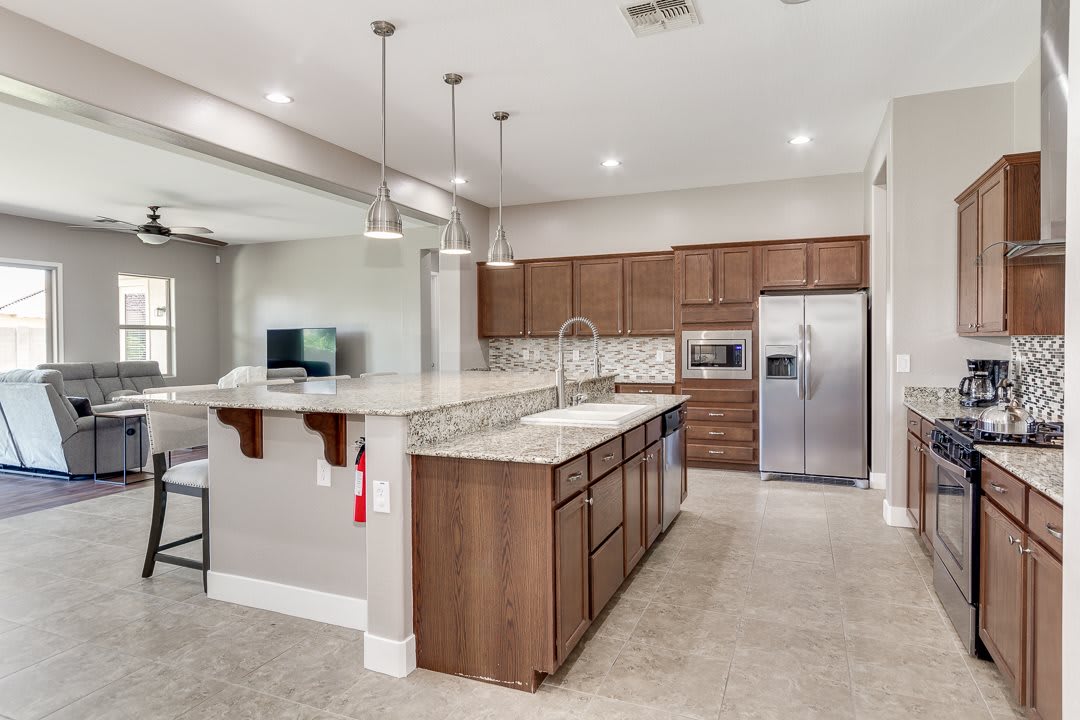
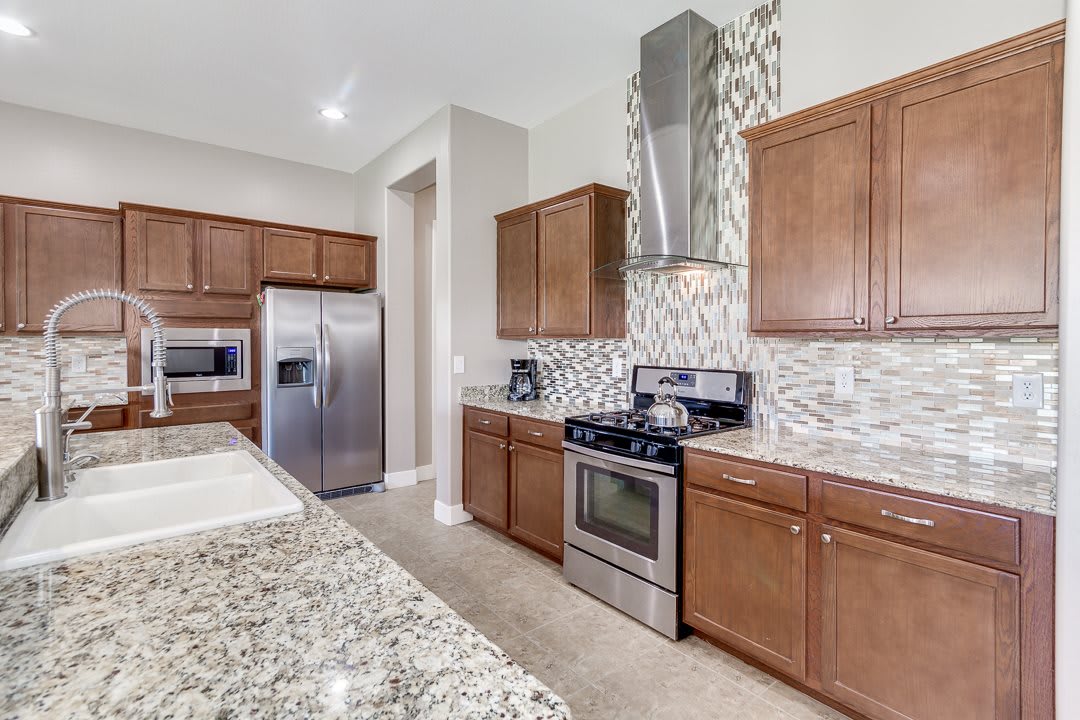
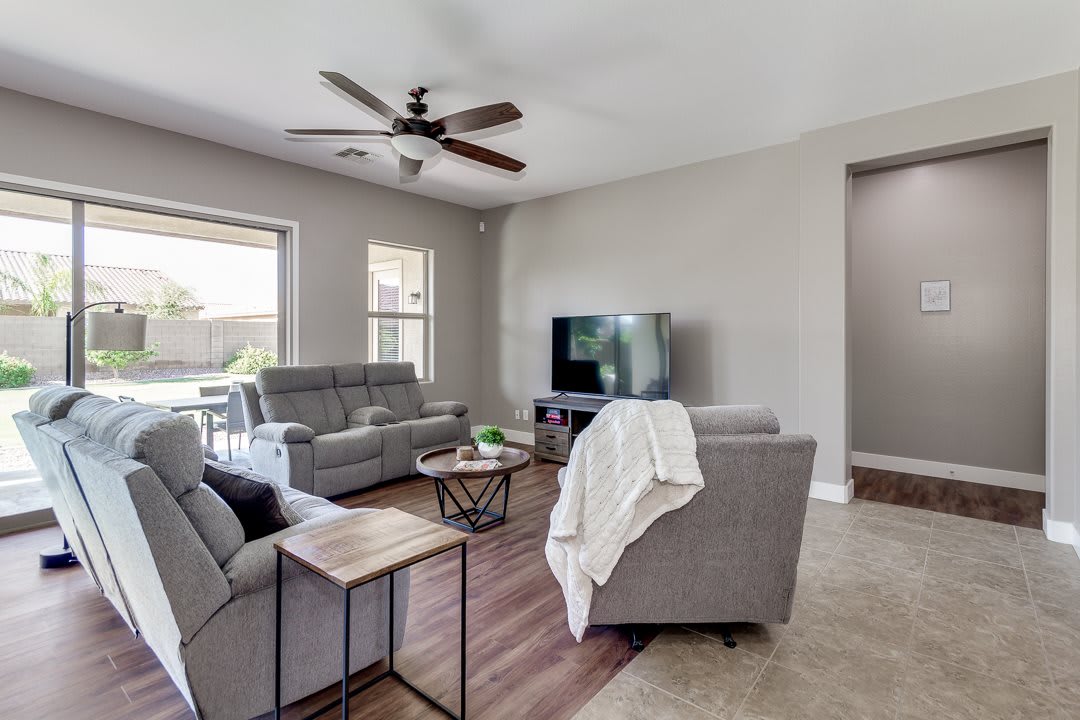
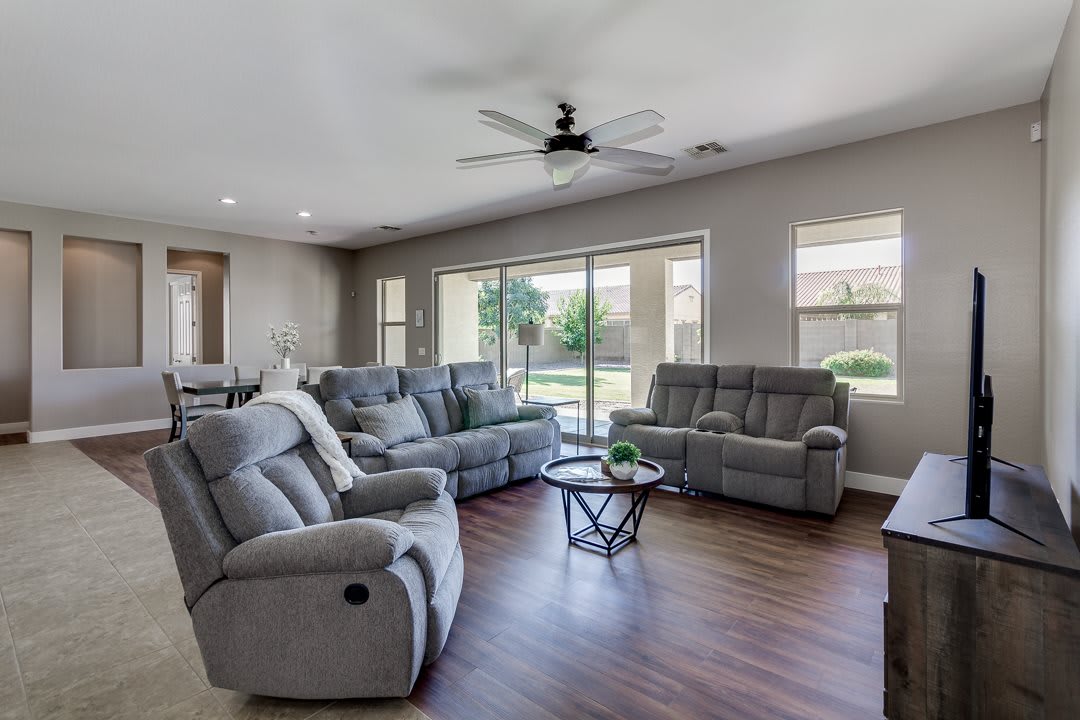
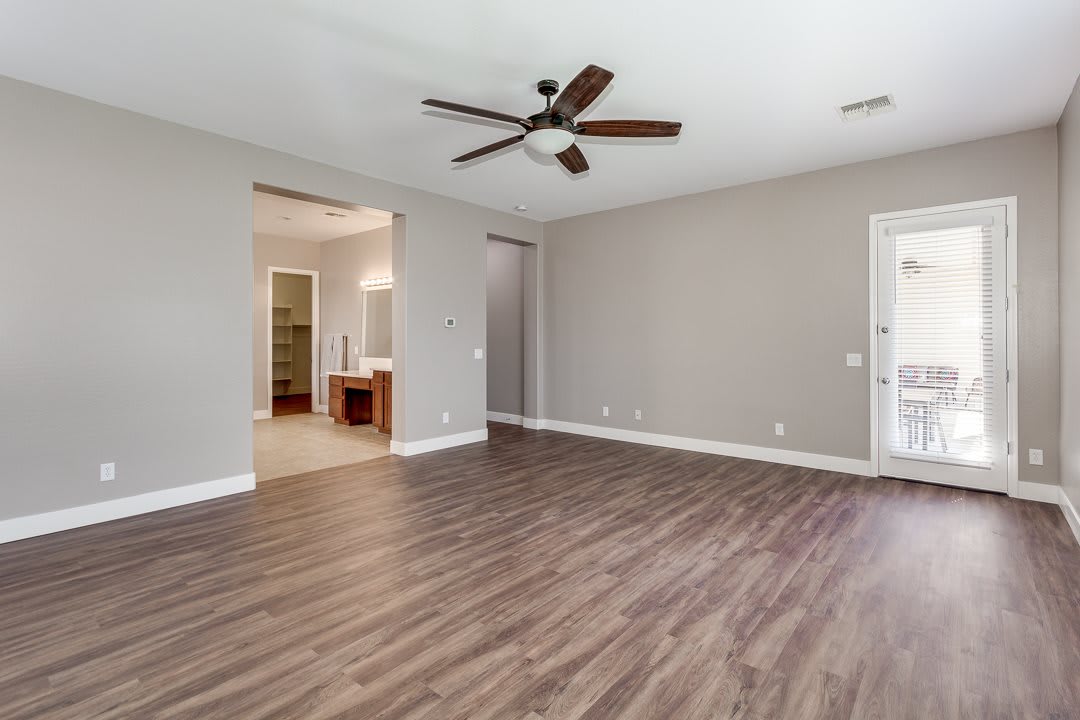
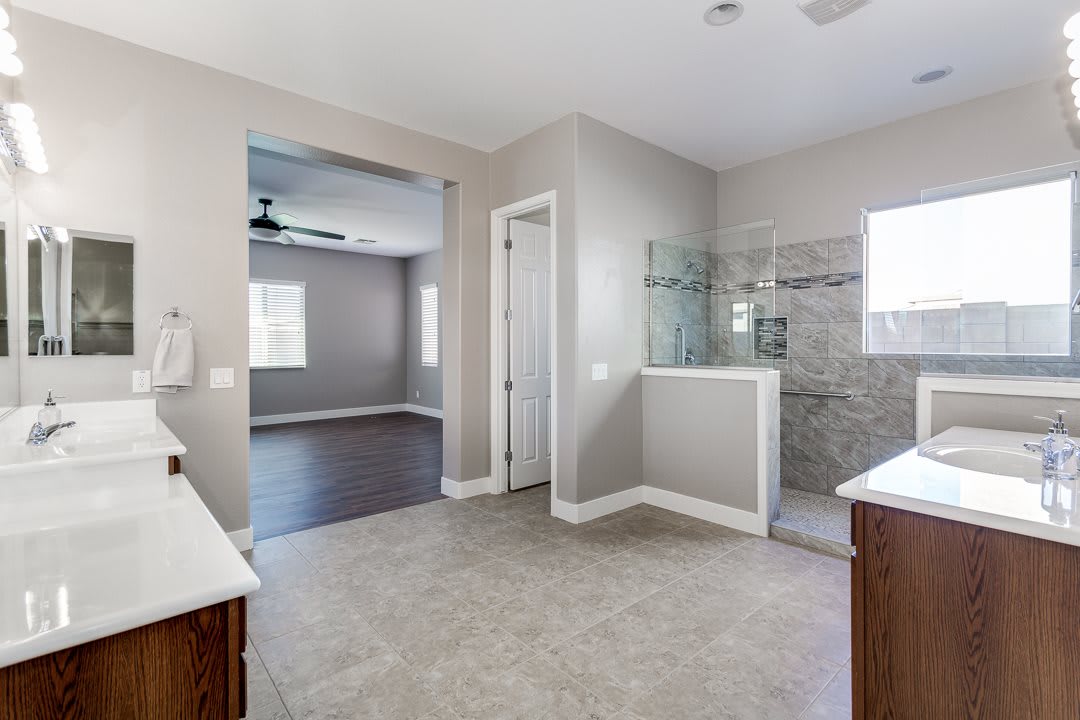
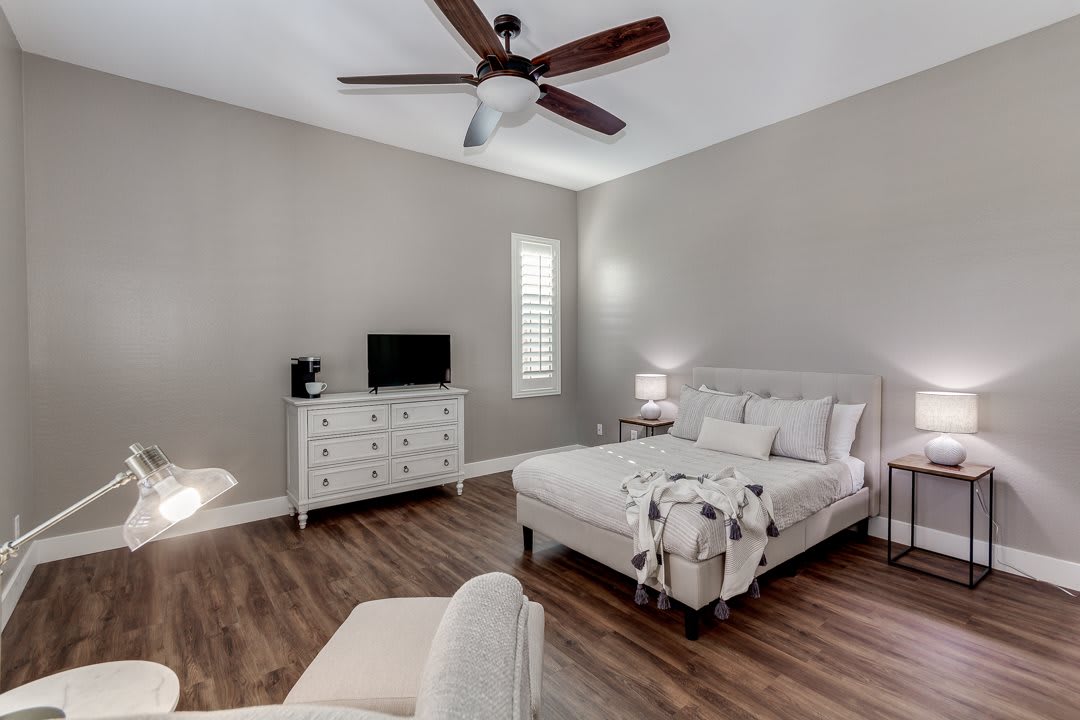
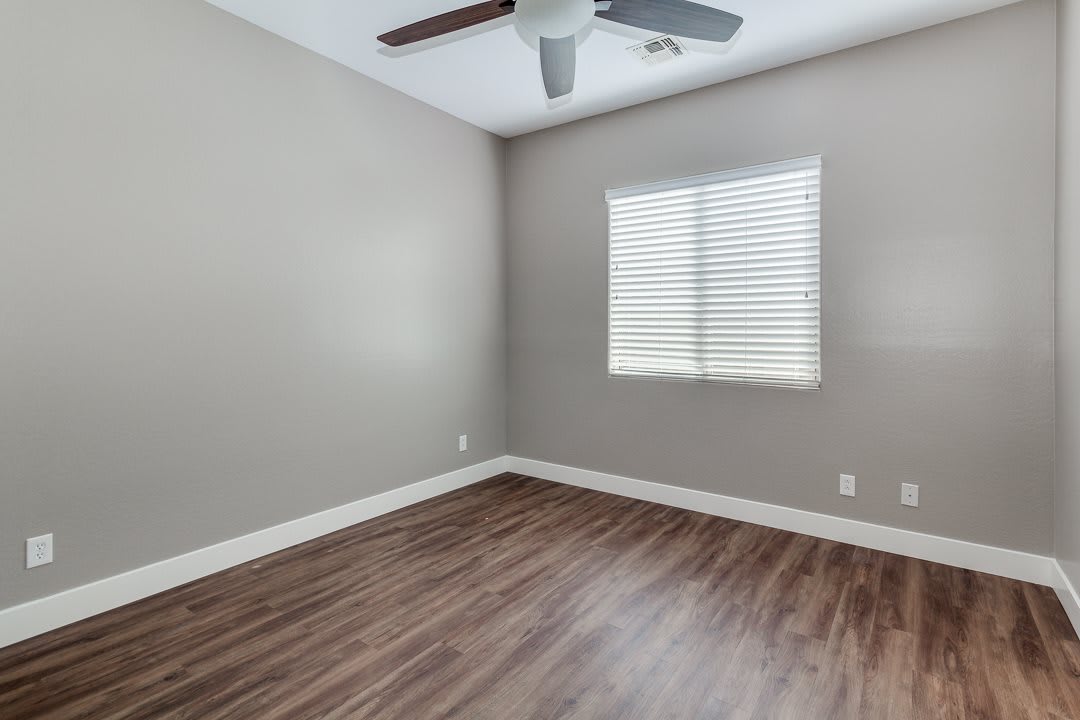
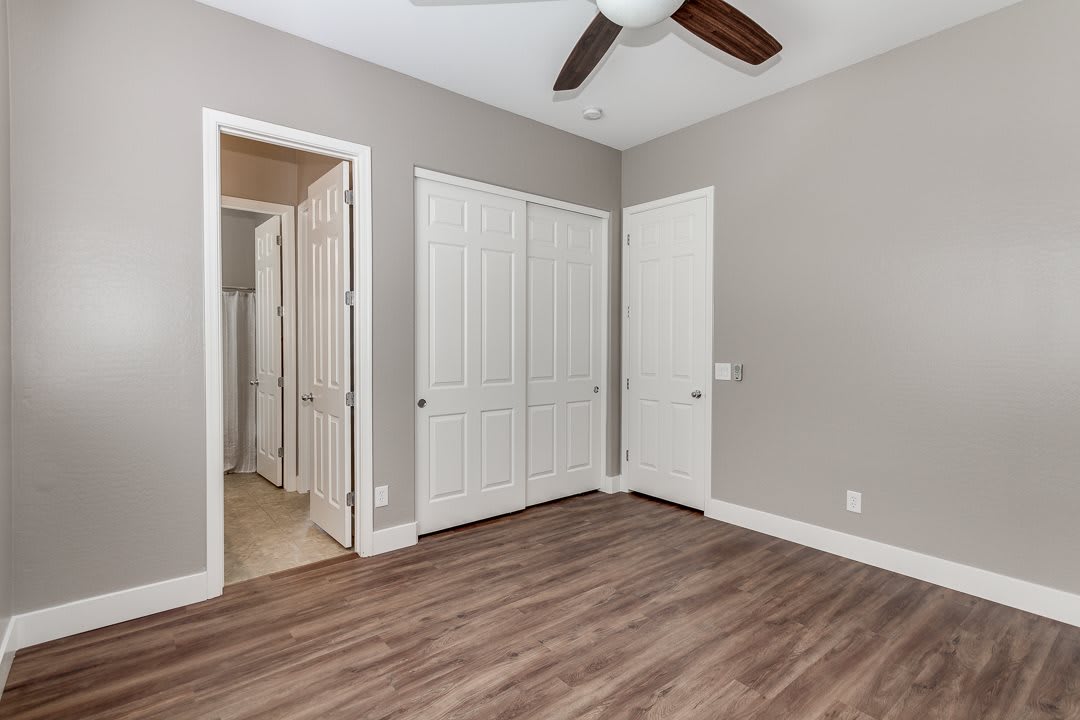
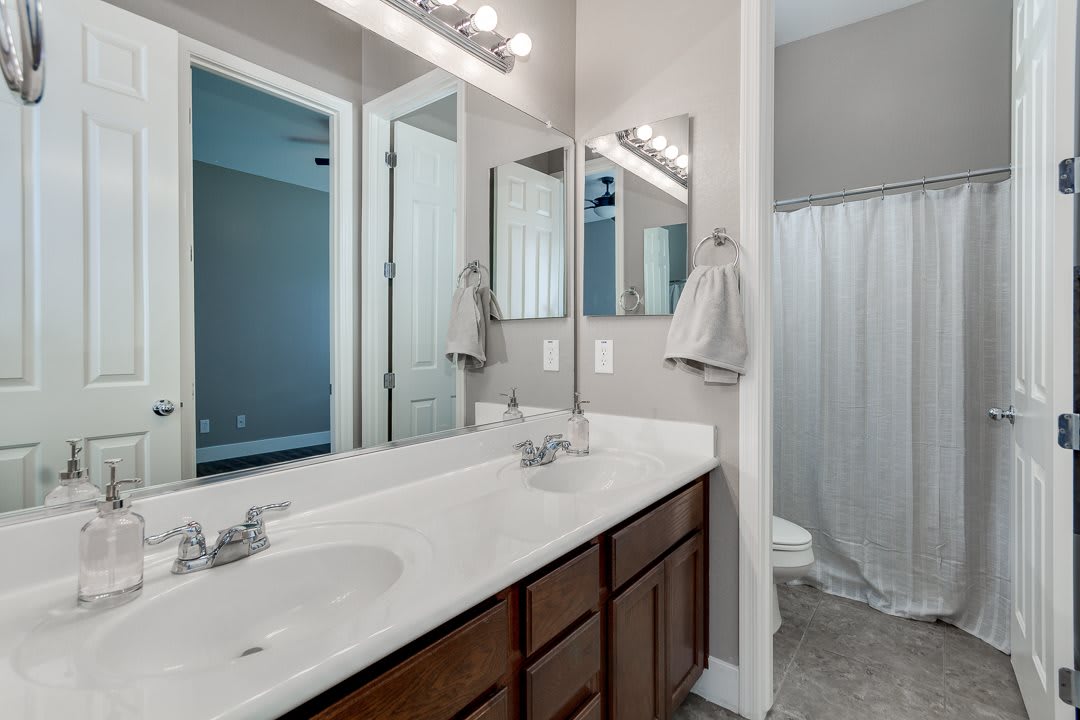
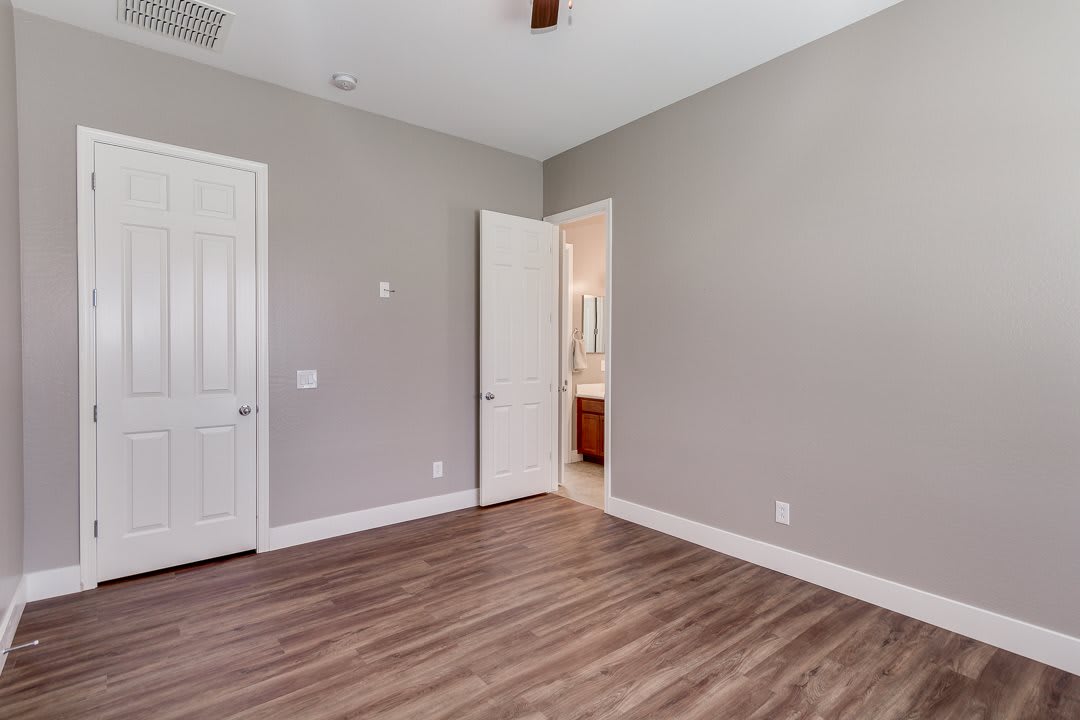
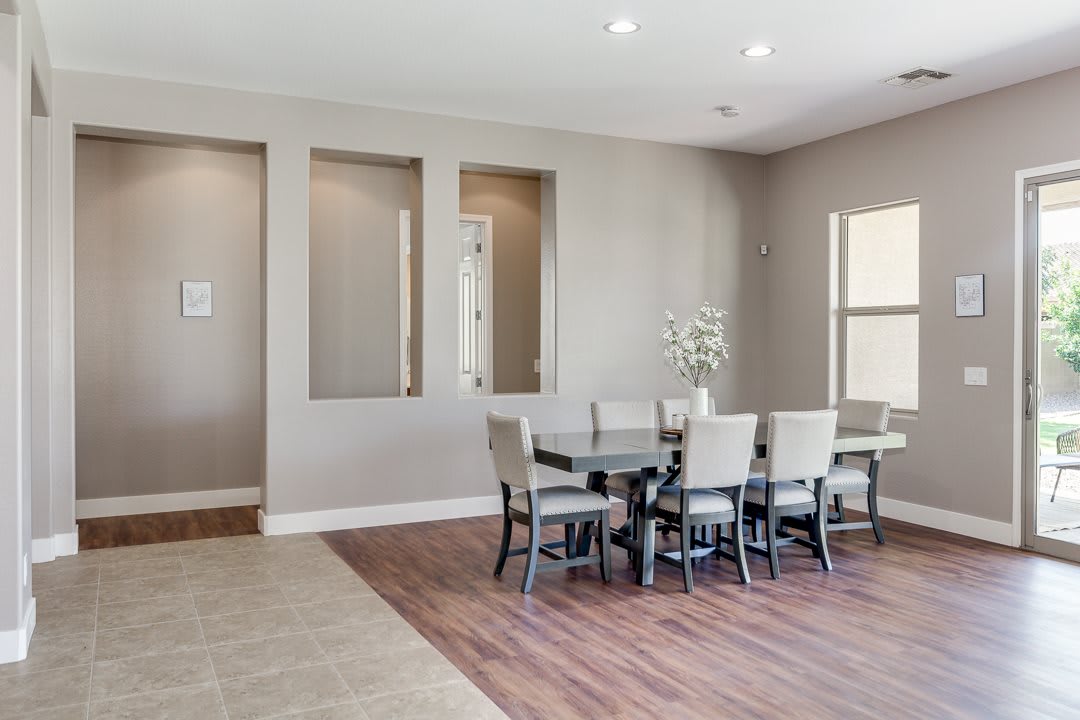
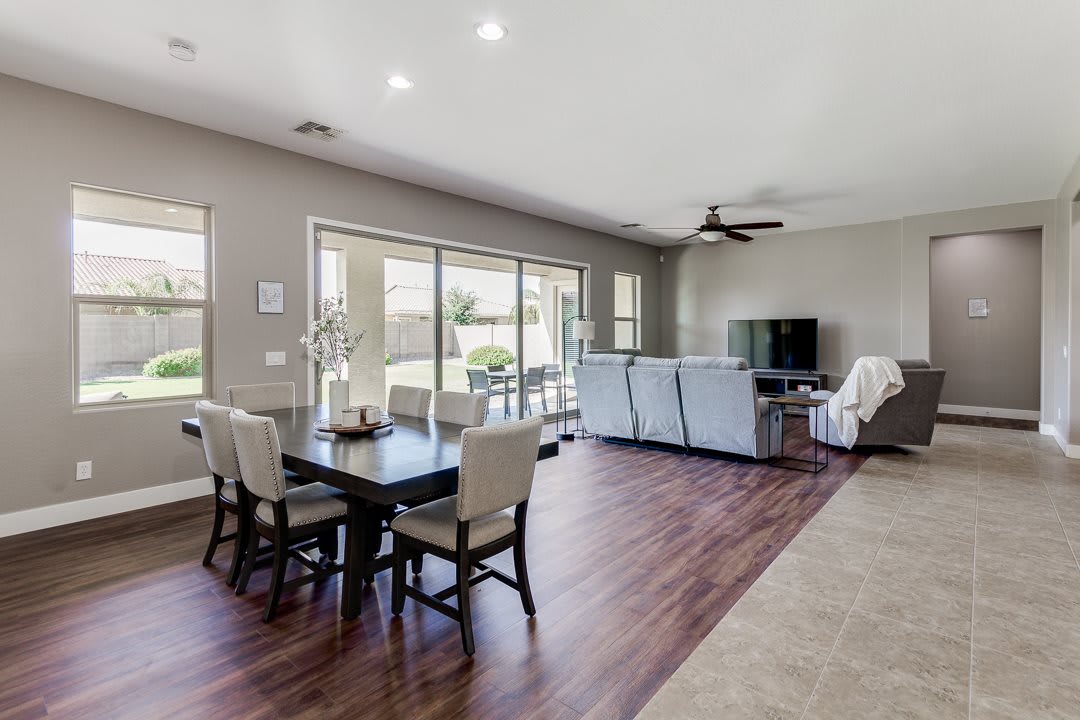
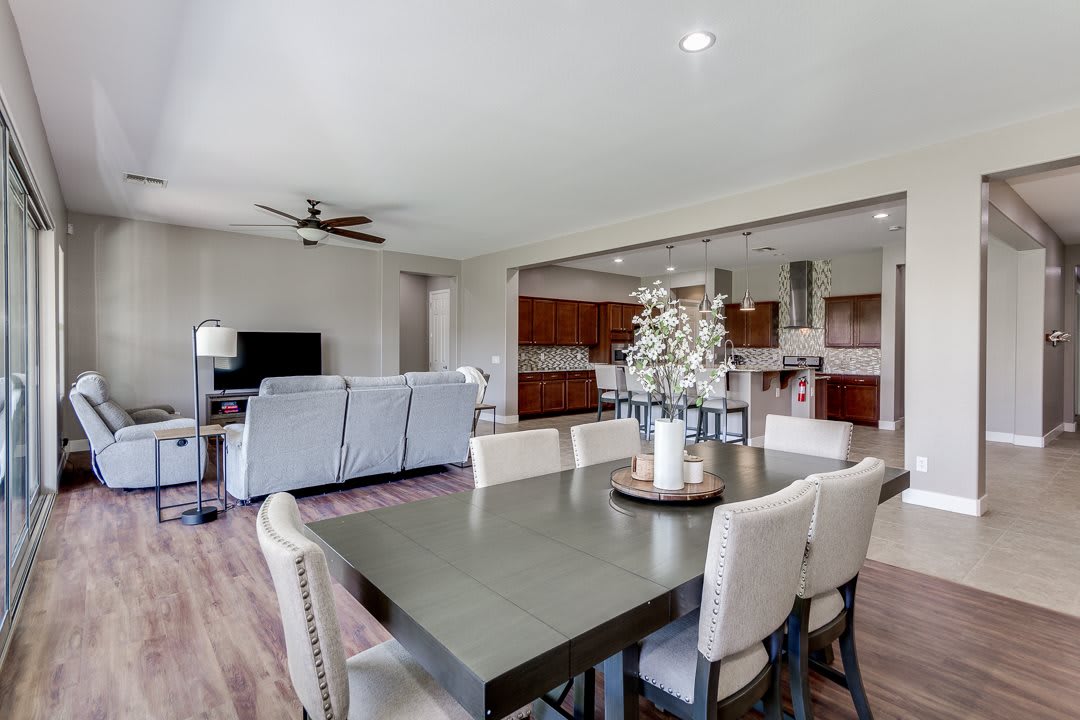
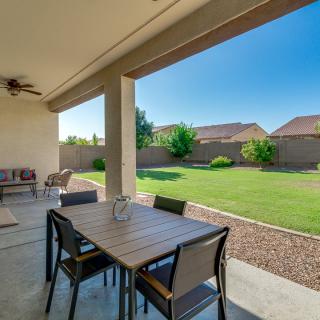
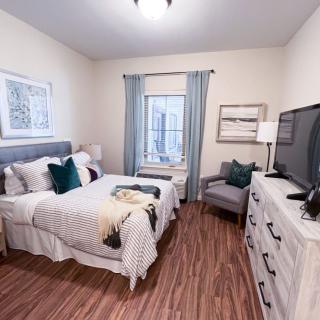
This community is best suited for families seeking a warm, intimate living environment where care feels personal and truly homelike. Alder Leaf at Hastings Farms in Queen Creek, AZ, appeals to households that want a small-house atmosphere, close-knit staff, and a collaborative approach to daily care. The setting emphasizes private rooms, clean spaces, and a sense of family rather than a clinical, impersonal facility. For residents who thrive on predictable routines, meaningful activities, and steady relationships with caregivers, the model here delivers a level of continuity that eases transitions for seniors and their clans. The experience praised most often centers on comfort, dignity, and respectful interactions, anchored by a manager who is actively involved and accessible to loved ones.
Those who should consider alternatives are families whose loved ones require robust memory-care specialization, hospital-level monitoring, or rapid escalation of concerns. Several reviews raise questions about memory-care capabilities and training, suggesting that some situations were not handled as described. A few accounts point to turnover and inconsistent staffing, which can disrupt continuity of care. For residents with advanced dementia or behaviors requiring highly trained memory-care staff, a facility with proven memory-program metrics and transparent reporting on care decisions may be a better match. In short, warmth and personalized attention define Alder Leaf, but memory-care expectations and staffing consistency may be where alternatives shine.
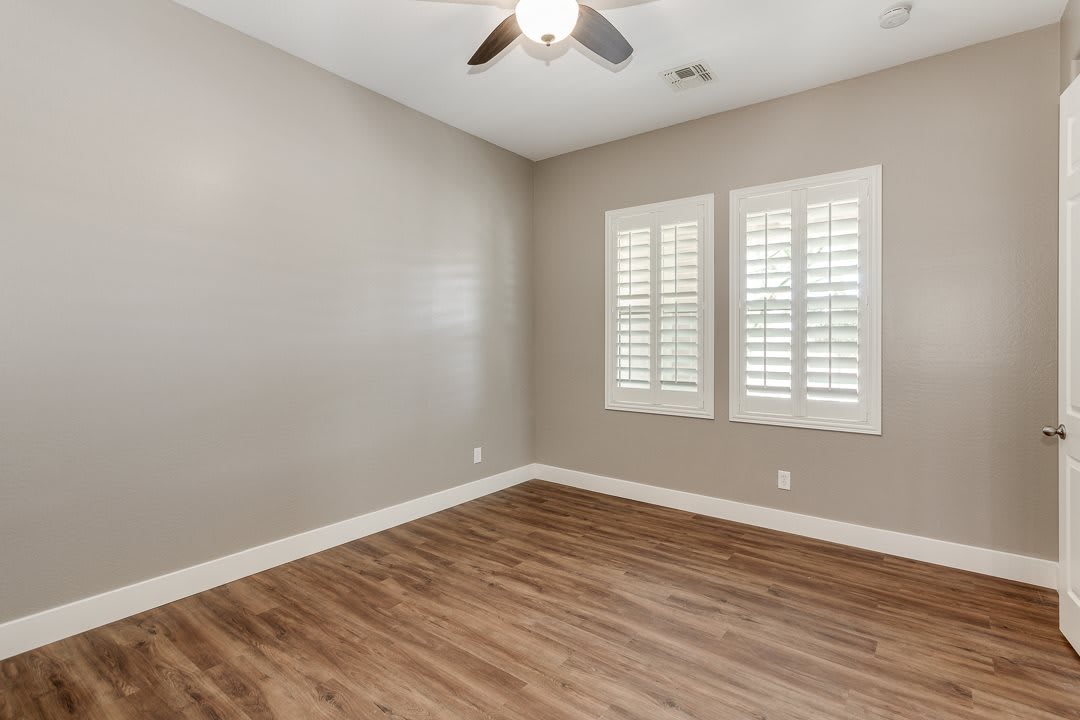
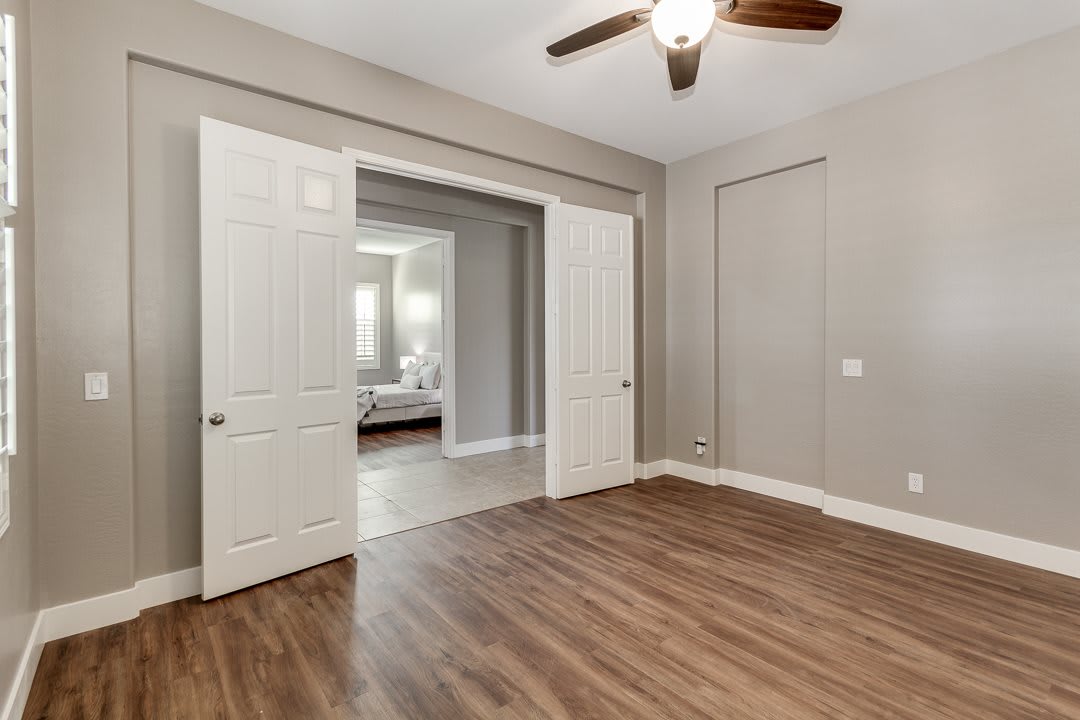
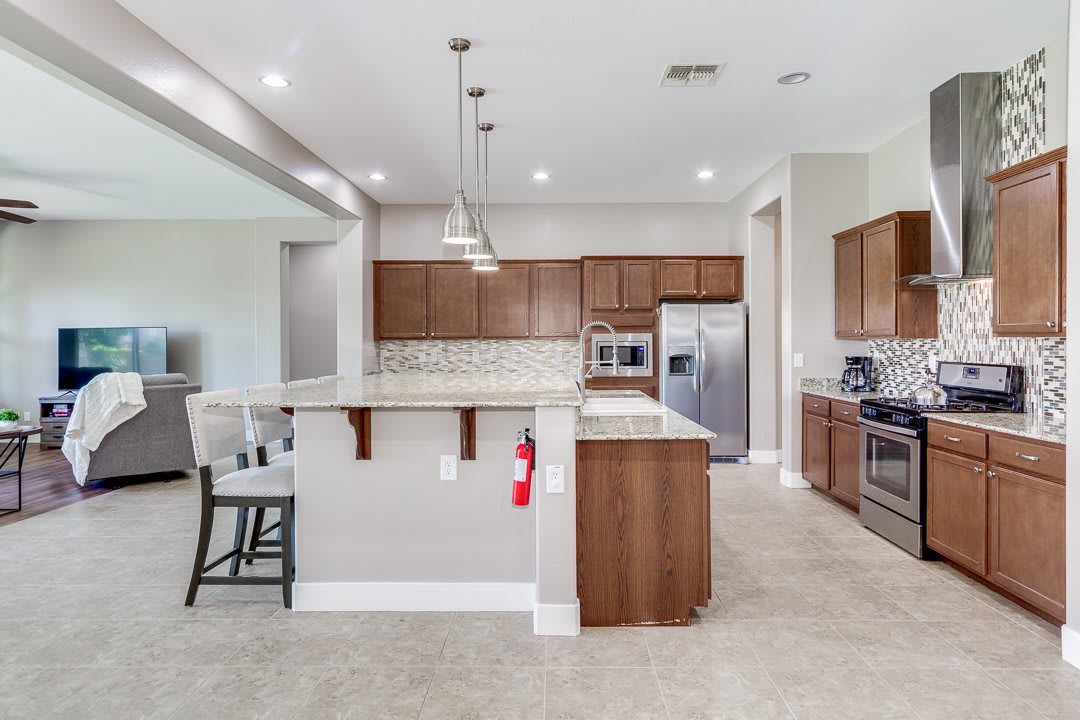
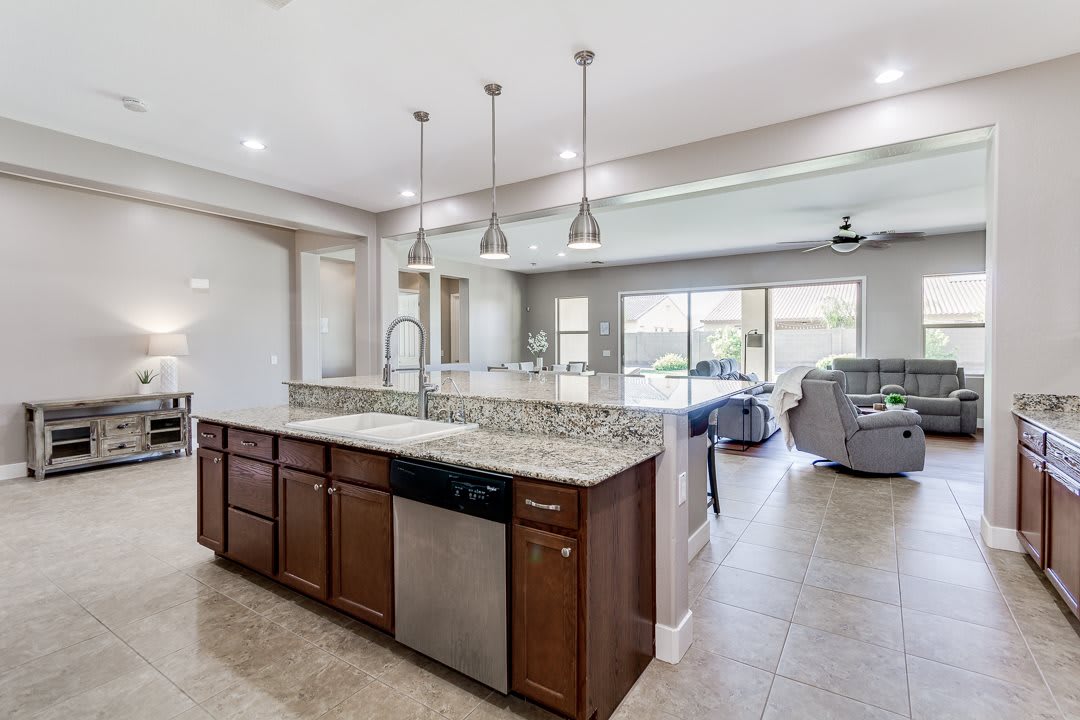
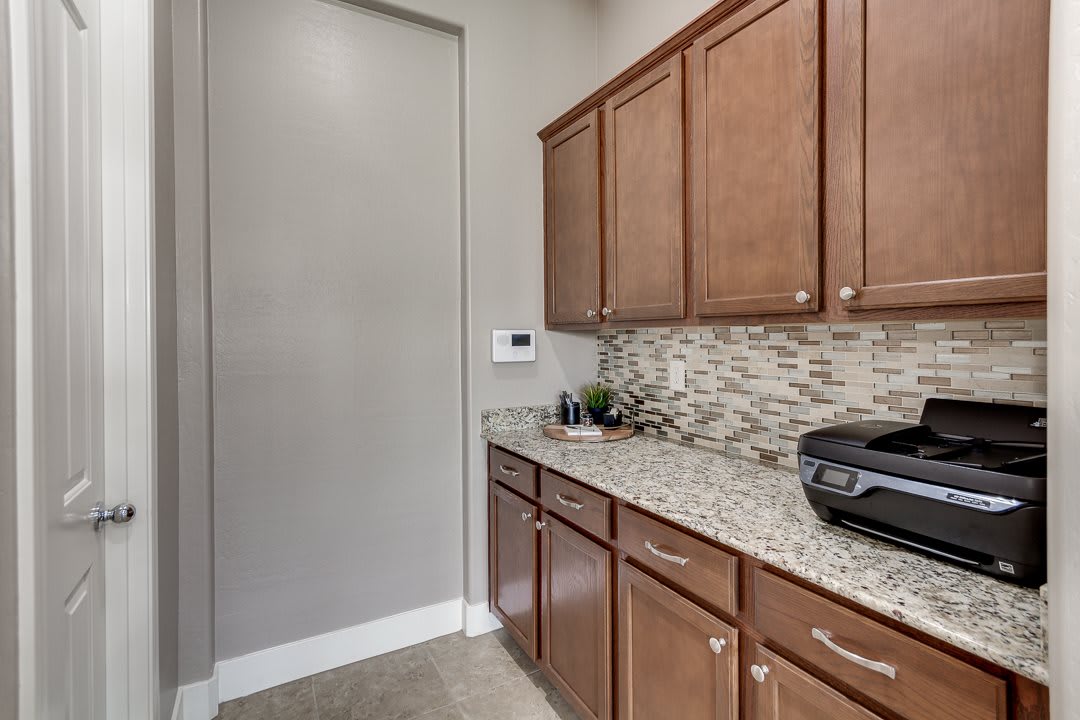
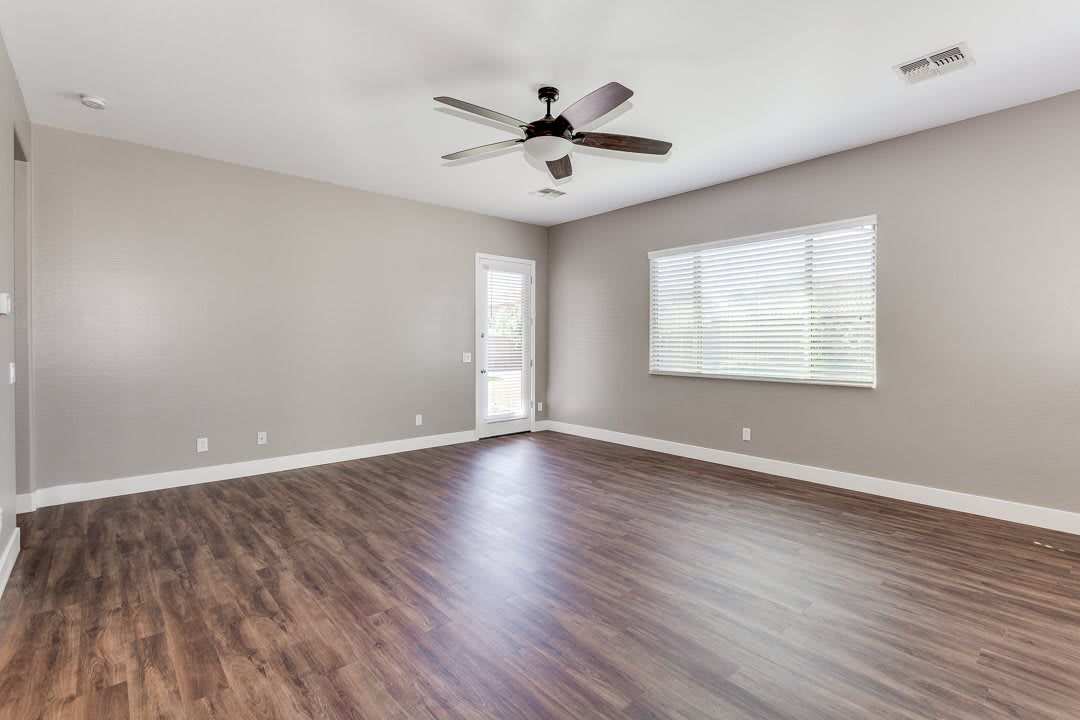
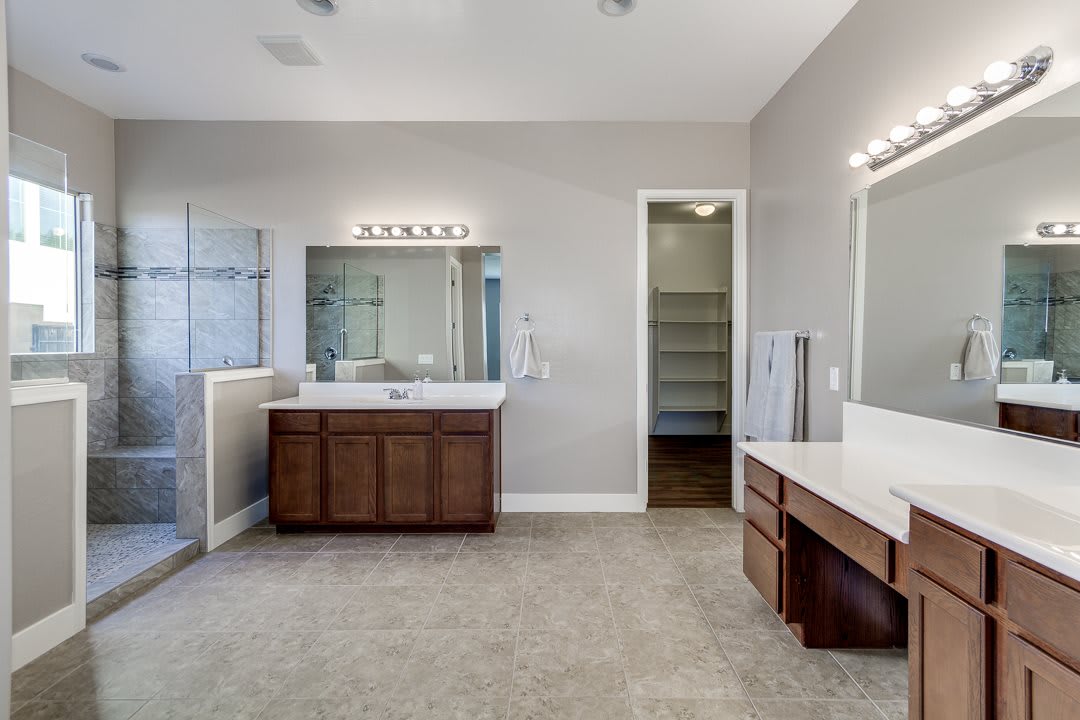
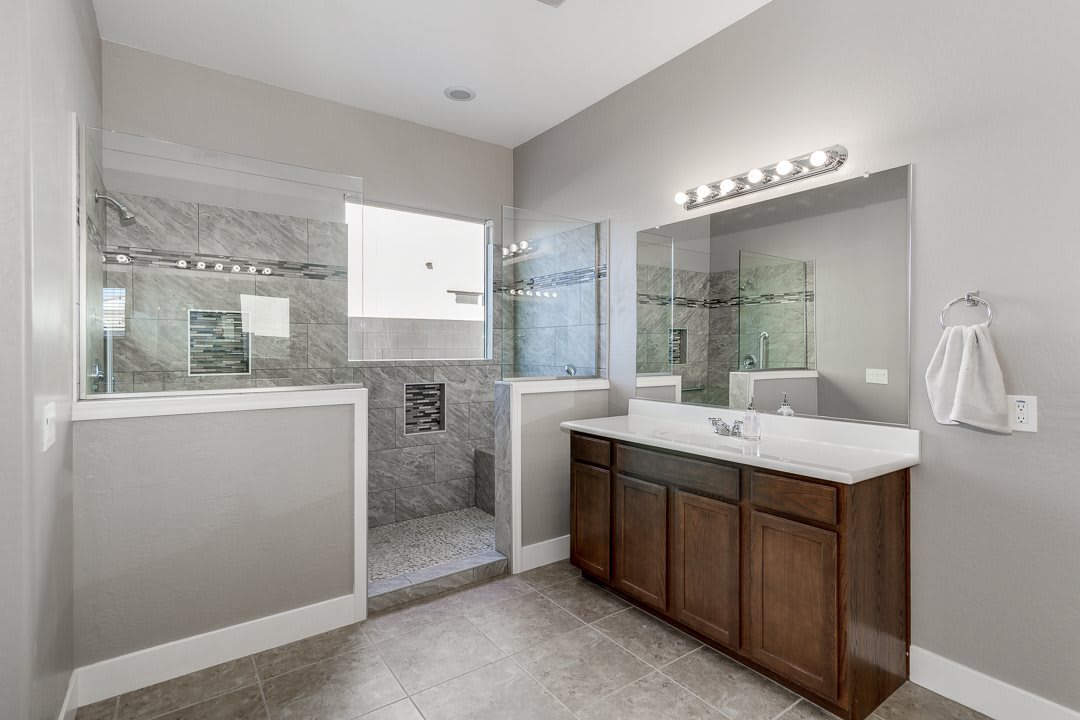
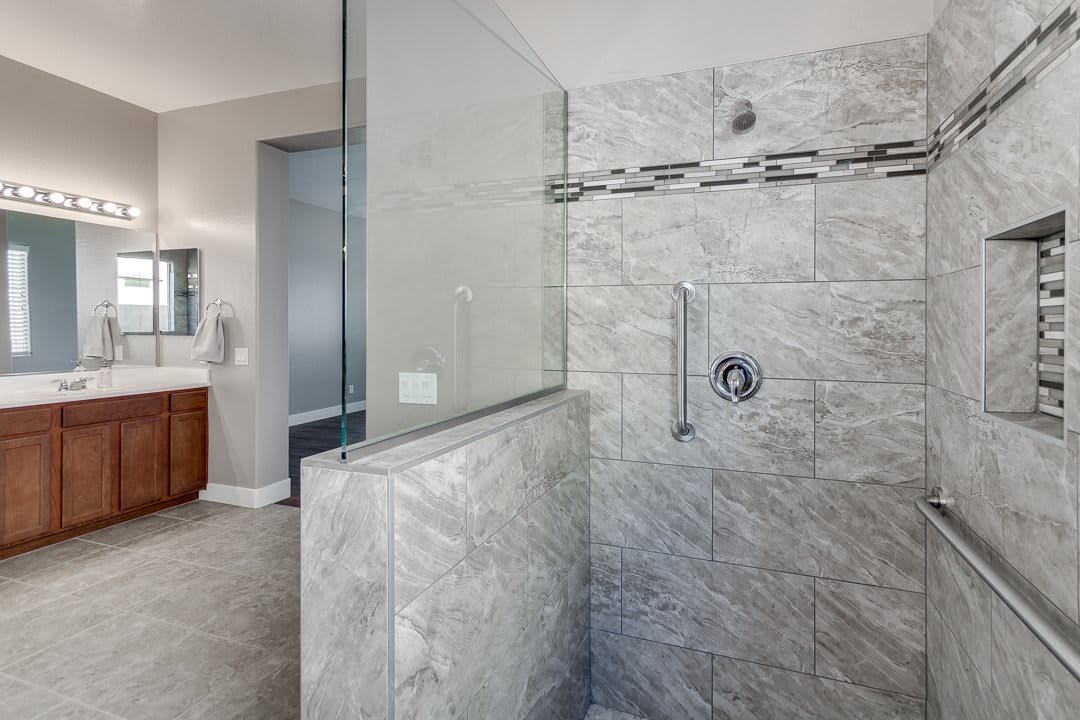
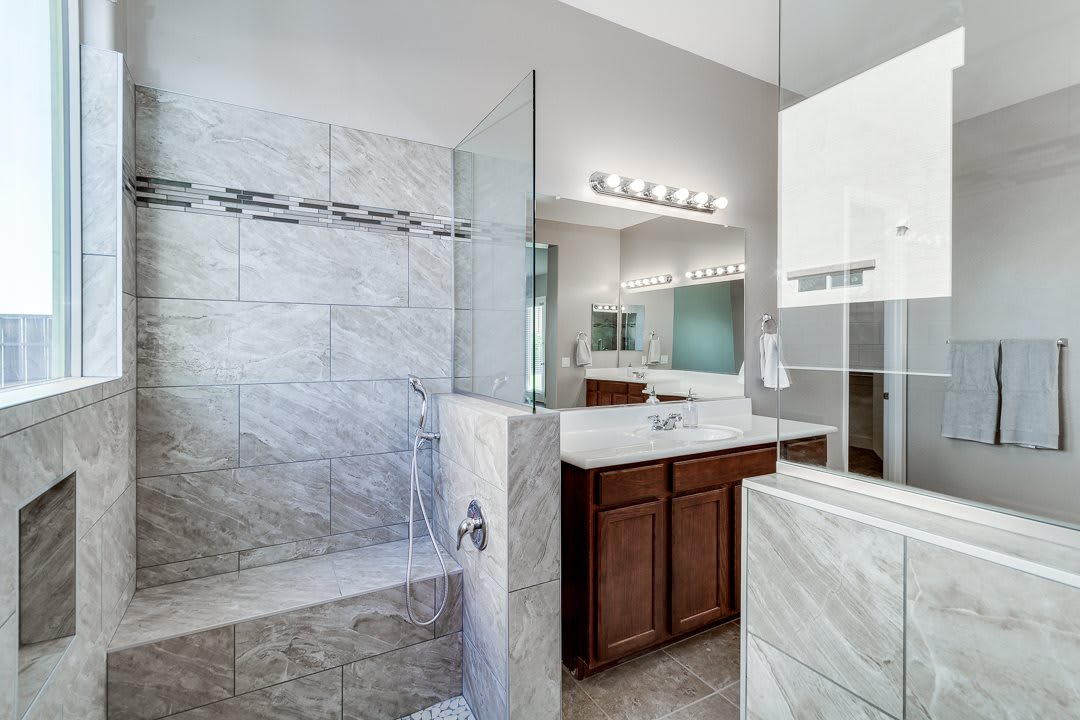
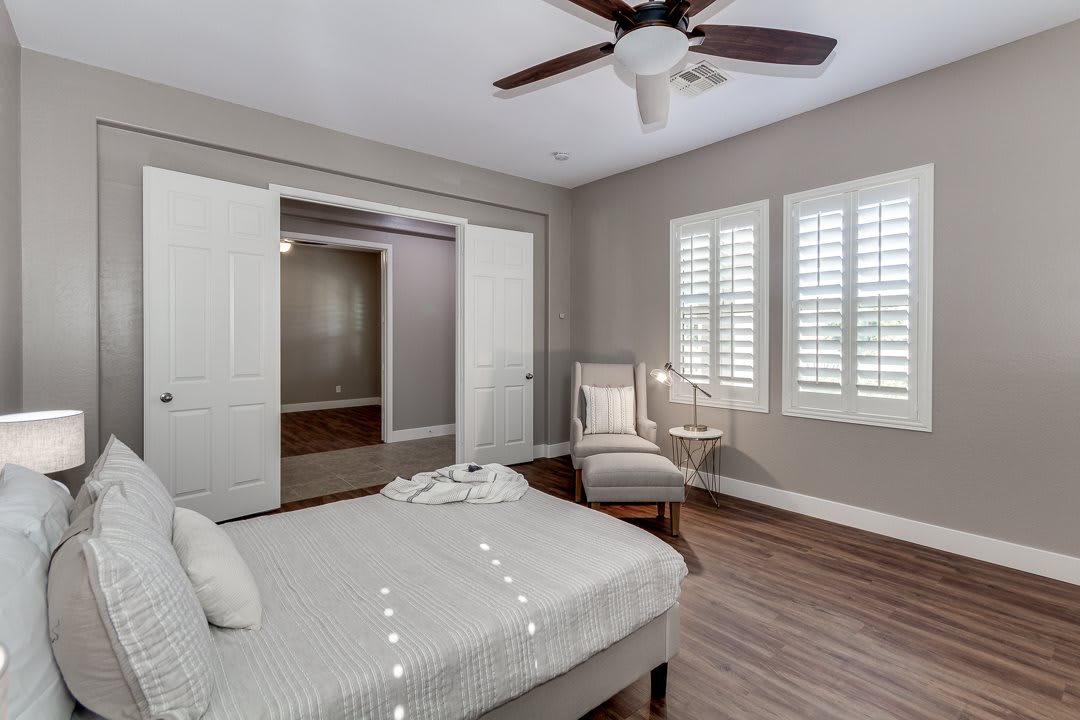
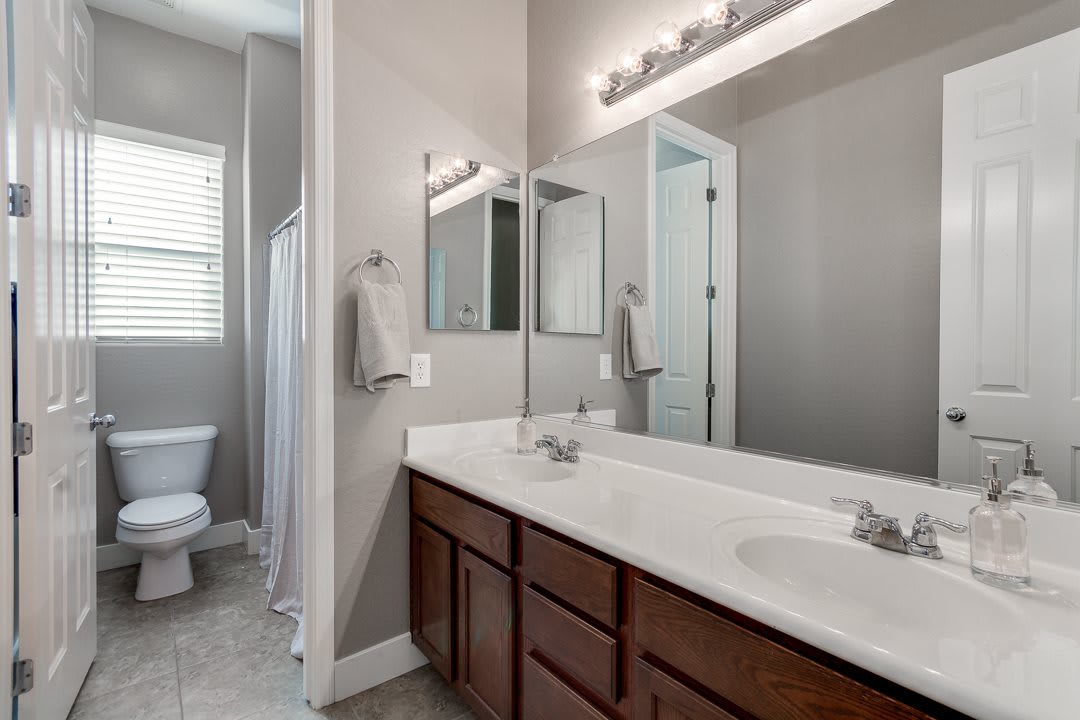
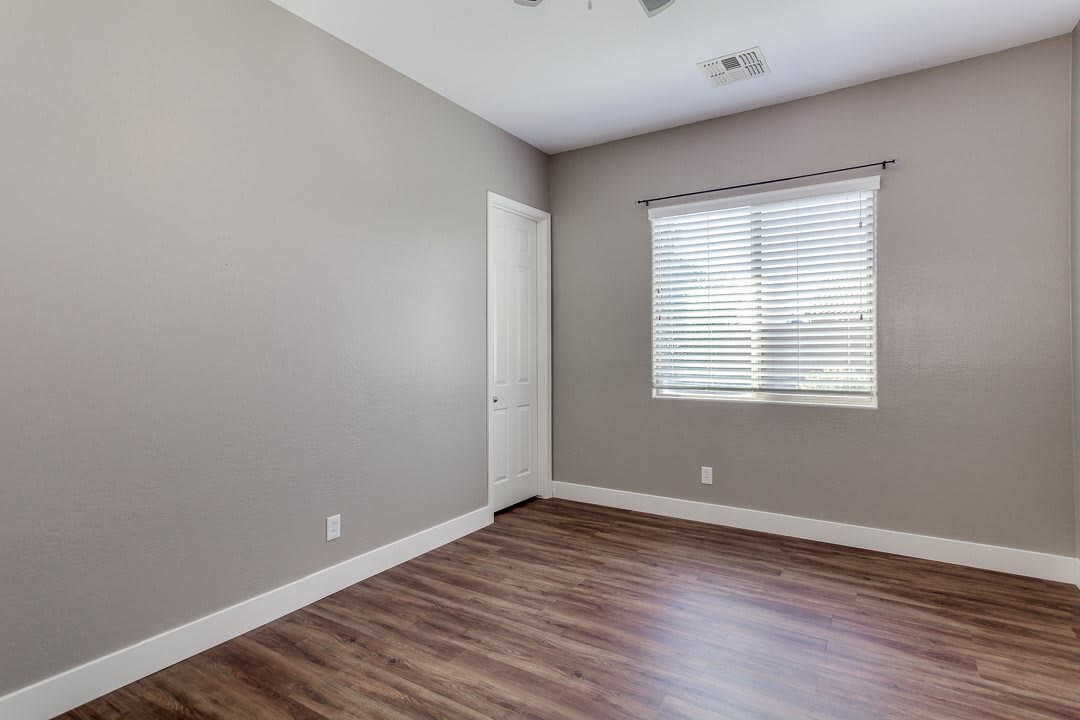
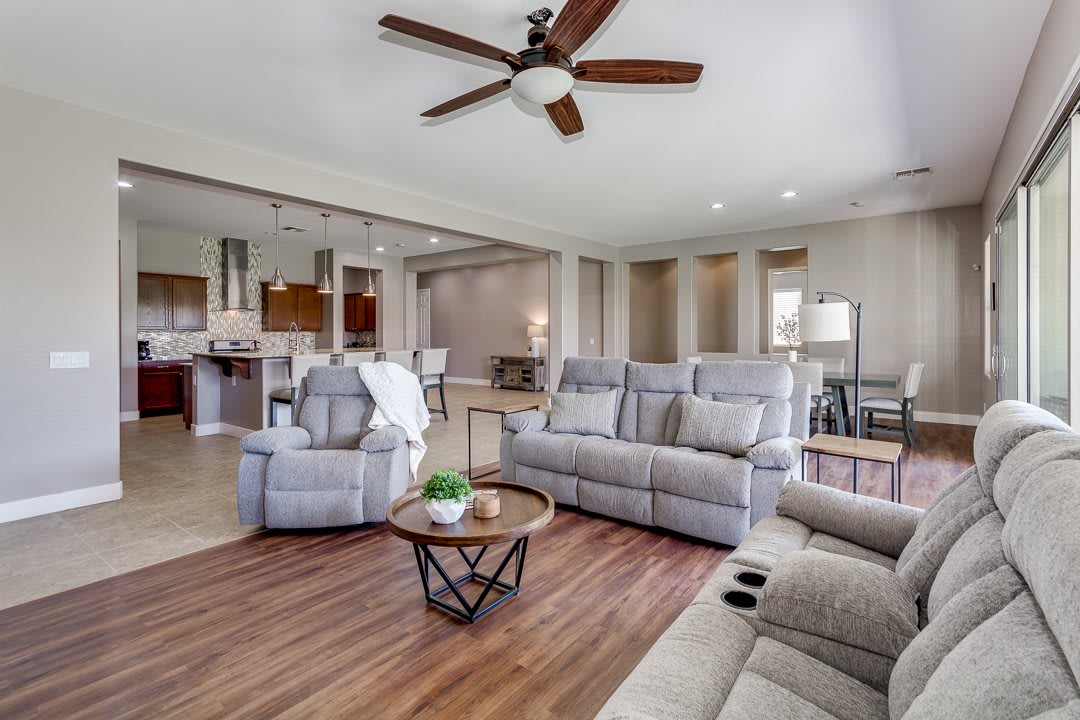
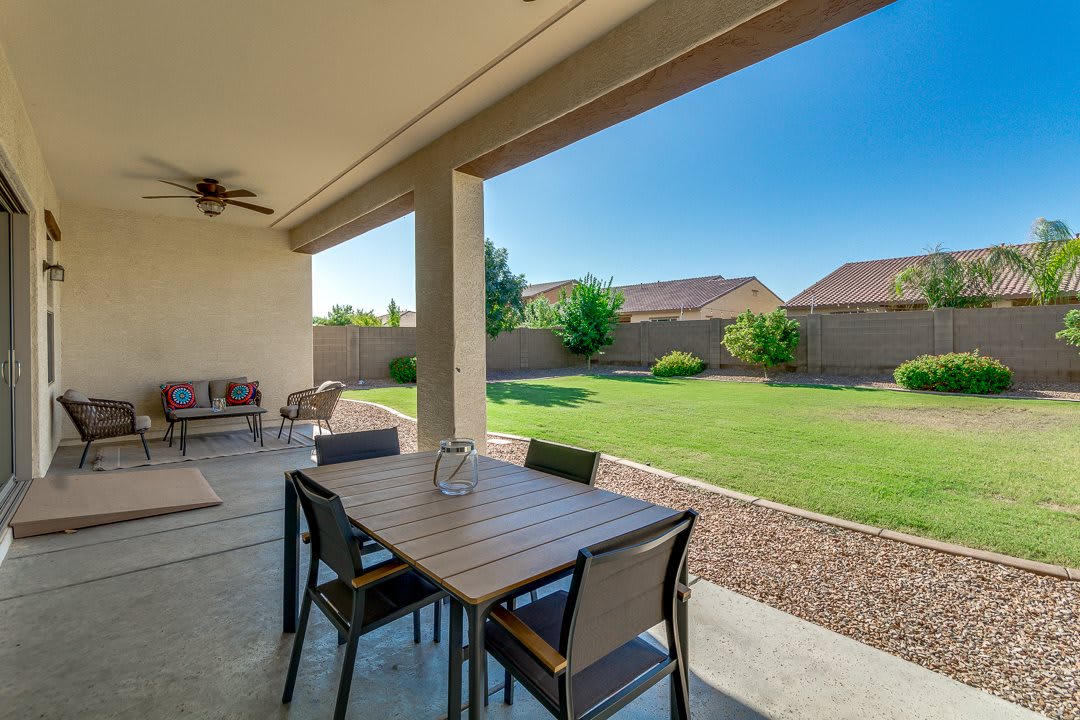
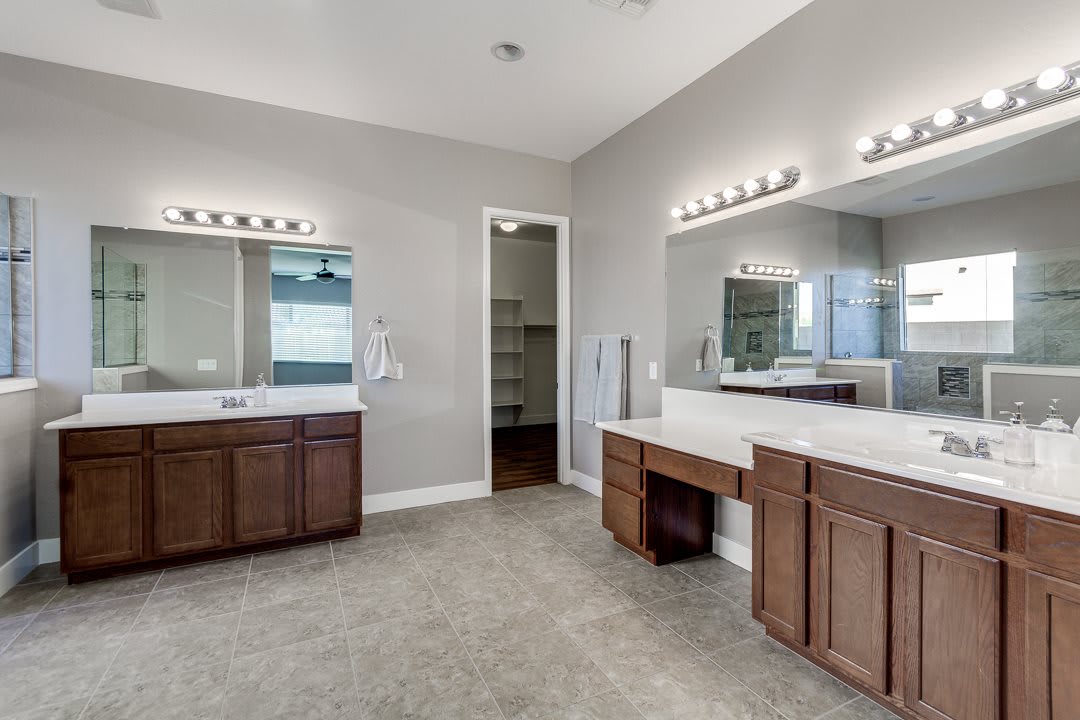
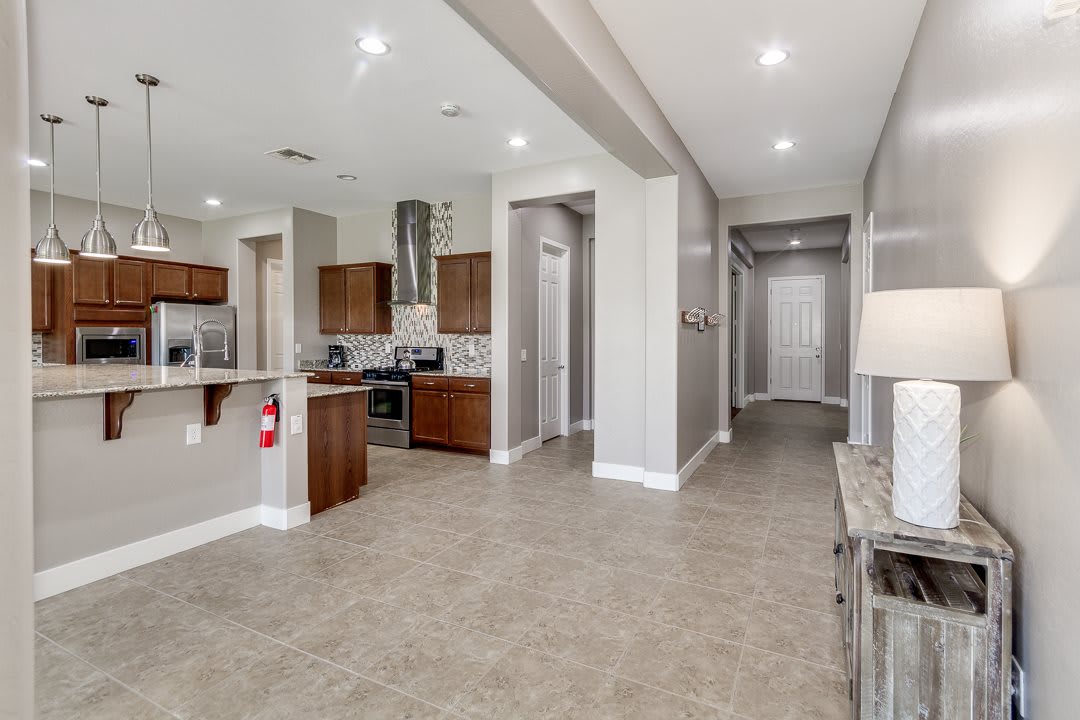
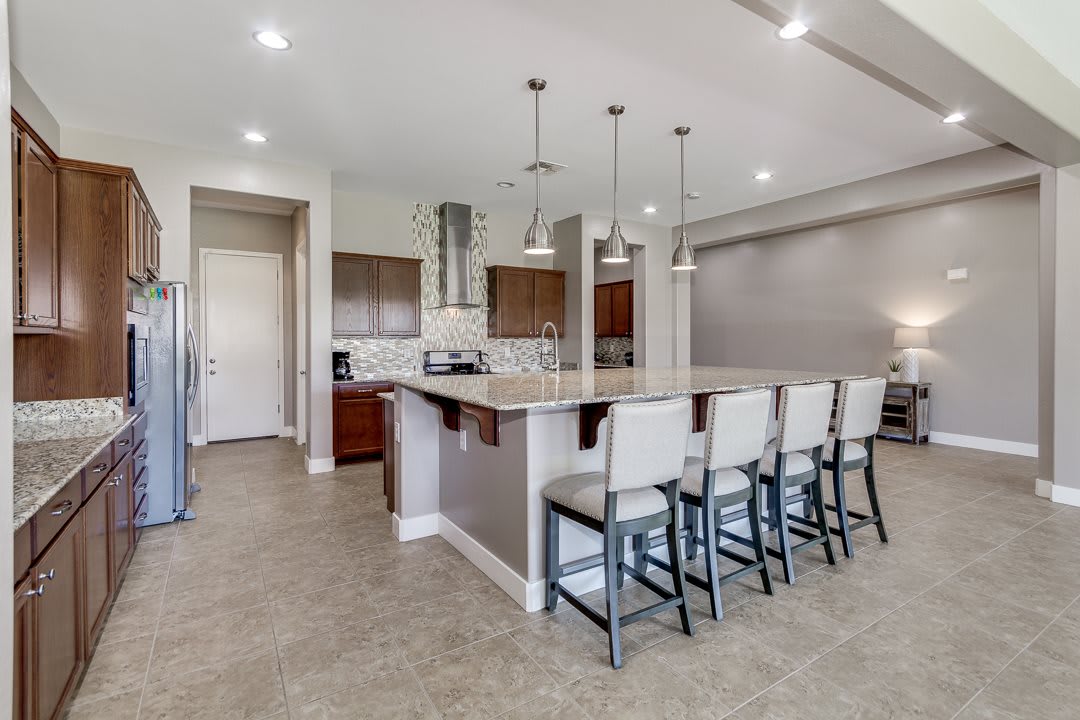
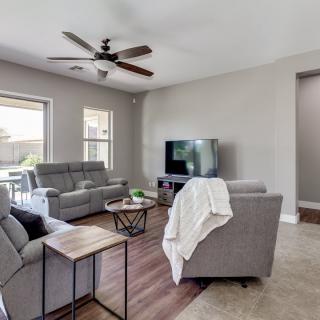
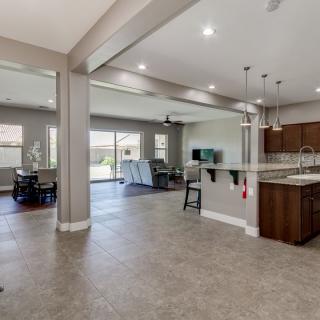
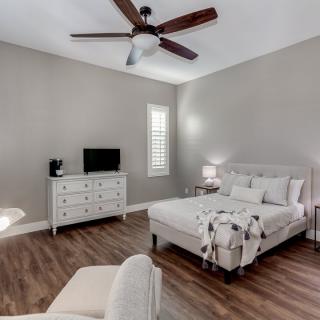
On the plus side, the upside is compelling. The atmosphere is consistently described as friendly, with staff and residents engaging in one-on-one interactions, and meals, desserts, and activities that feel thoughtfully curated. The house itself is clean, well-furnished, and designed to feel like a private home, not a medical setting, complete with private rooms and comfortable common spaces. Families repeatedly highlight the kindness and dedication of the manager and caregivers, with care feeling more like being part of a loving family than a commercial operation. The combination of a small, connected community and a willingness to bring in additional resources when needed creates a sense of security for families seeking hands-on oversight and visible, ongoing attention to daily needs.
However, the experience is not uniform, and a subset of reviewers reports troubling gaps. Claims about memory-care training and the accuracy of stated capabilities surface in several accounts, alongside assertions of high staff turnover and, sometimes, miscommunication around medical decisions. One review characterizes the operation as a “sham” with misleading explanations; another notes that meaningful care often came from a night nurse while other staff appeared less consistently prepared. These cautions deserve careful consideration, especially for families weighing options against a backdrop of mixed reliability. They imply that the home-like charm and personal touch might not automatically translate into dependable memory support or enduring staff stability in every situation.
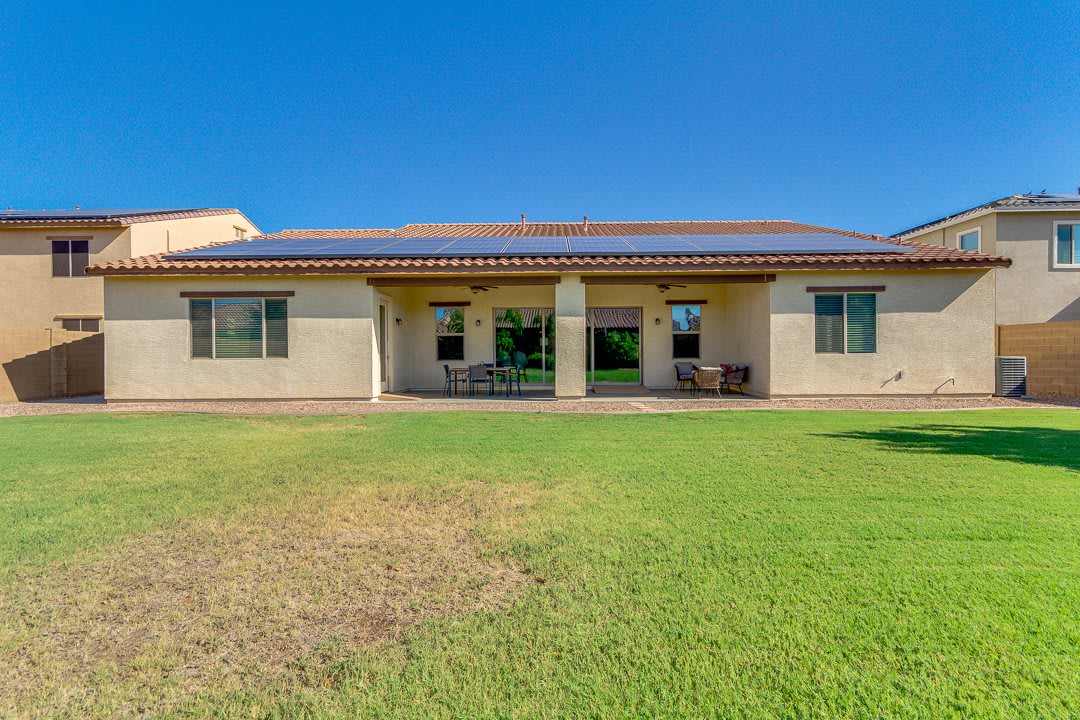
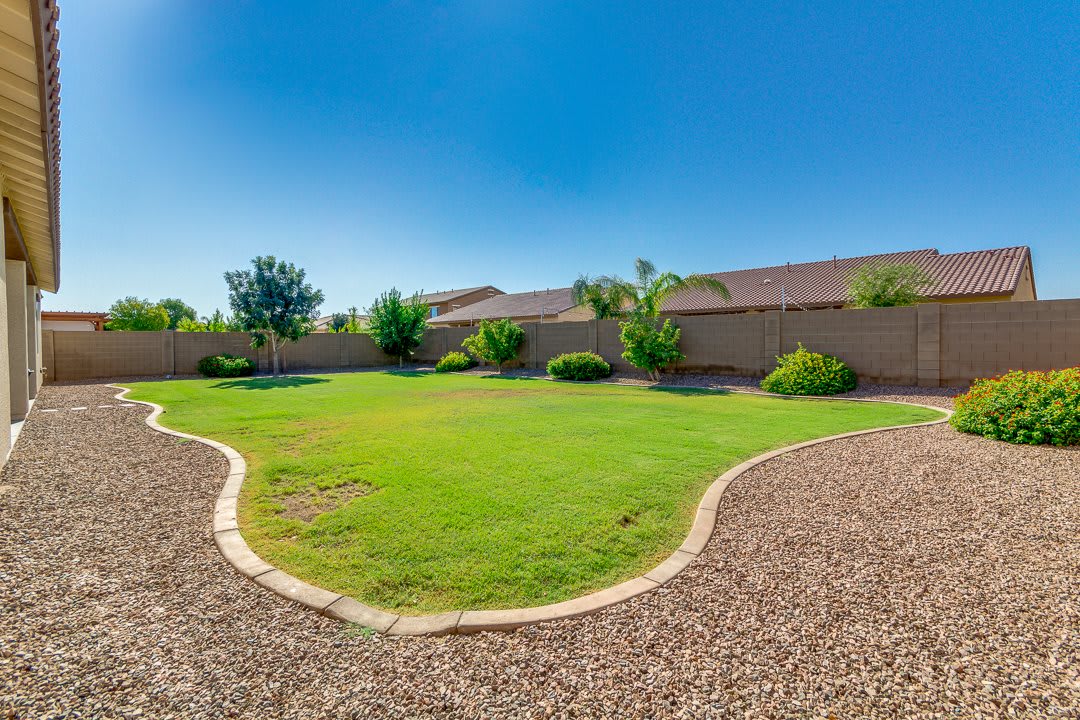
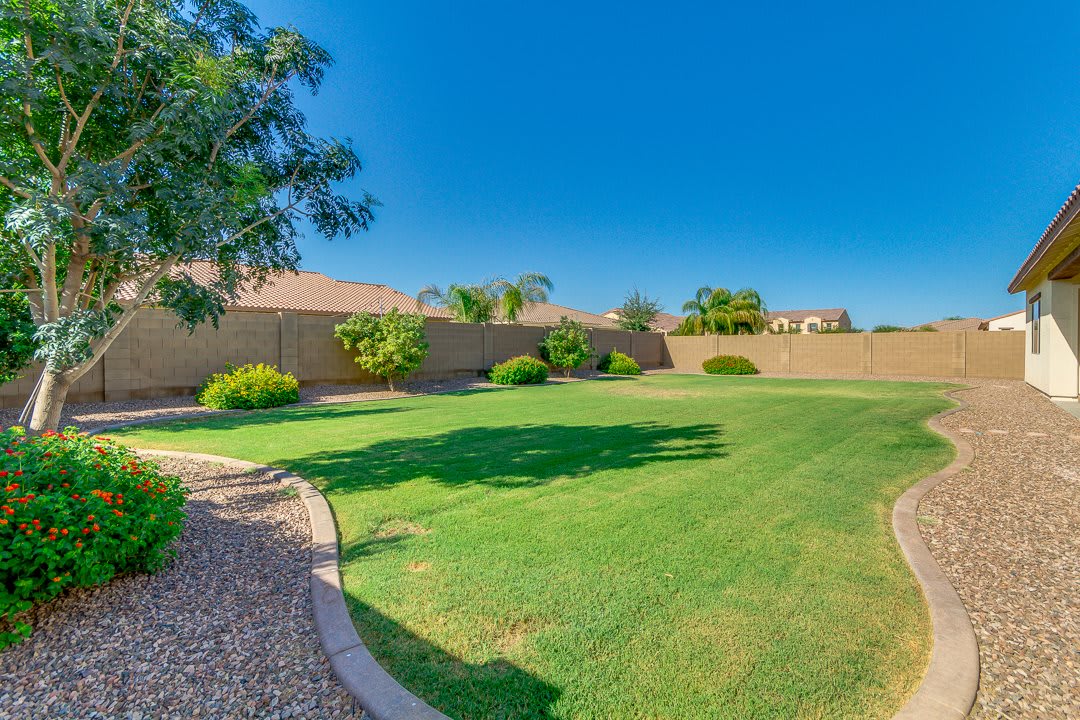
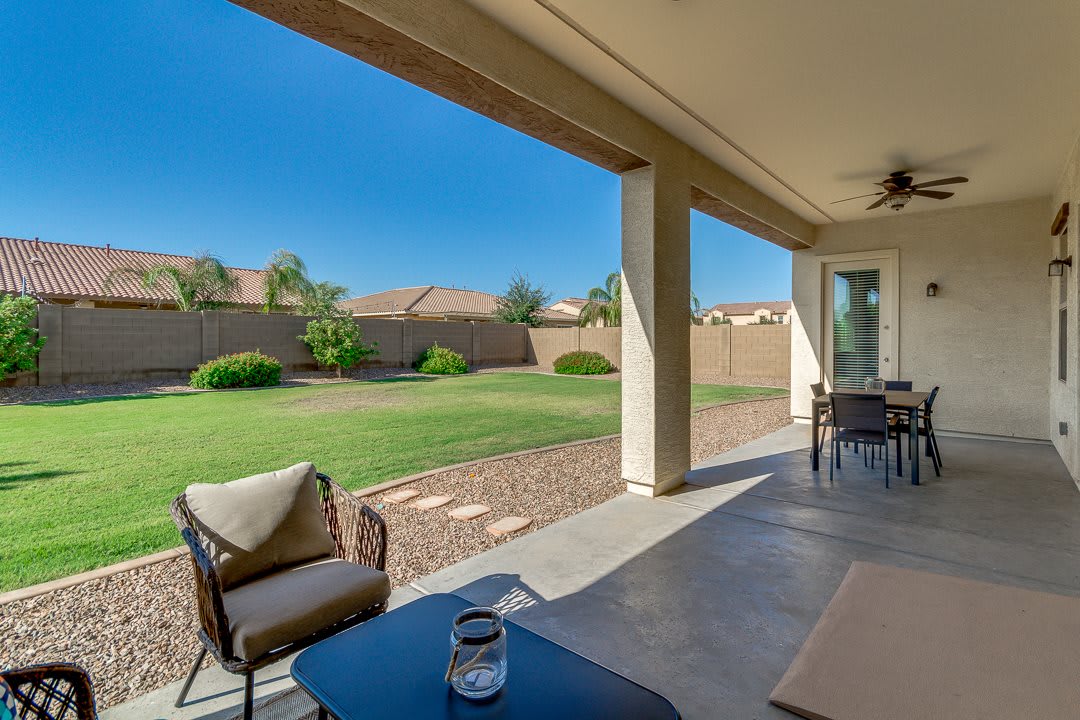
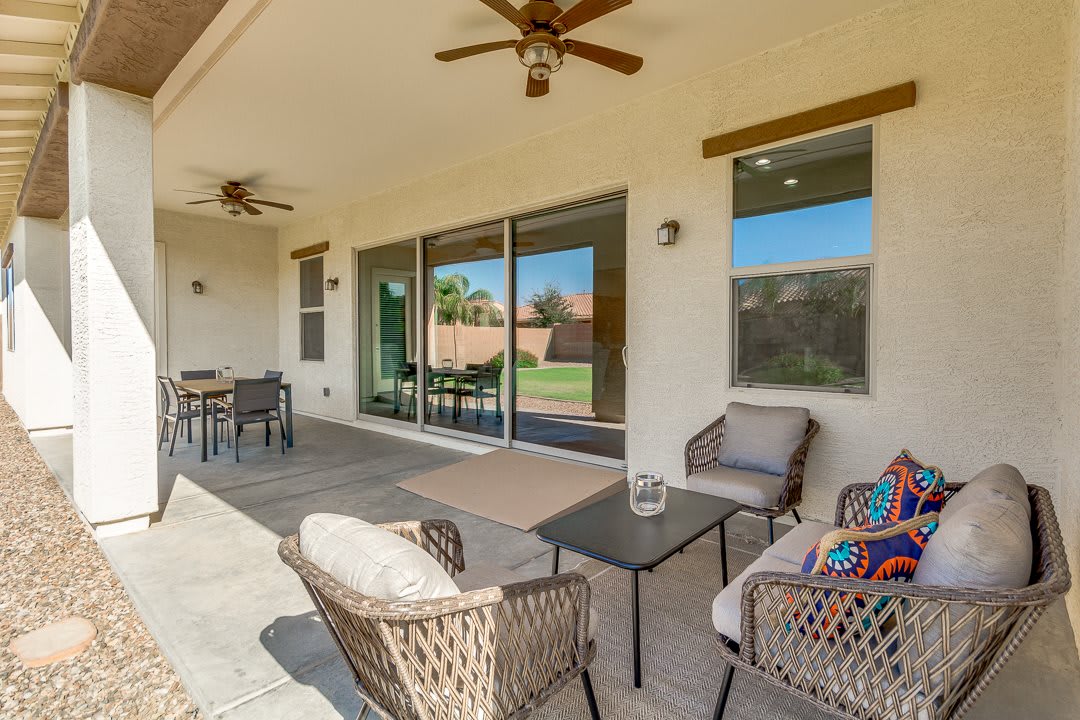
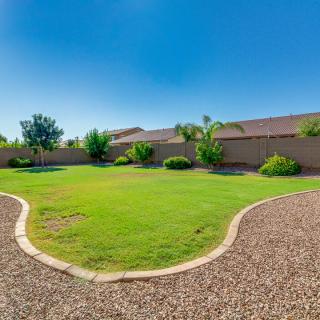
Yet the positive elements frequently outweigh these concerns for residents without heavy memory-care needs. The personal attention, one-on-one time with aides, the hands-on involvement of the manager, and a consistently caring posture, can substantially offset the absence of an institutional memory program. A clean, well-maintained house with private rooms and solid meals reduces stress and supports dignity. Outdoor spaces and engaging activities provide meaningful daily structure, while a rhythm that respects individuality reinforces autonomy. For families prioritizing a warm, respectful environment and willing to stay actively involved, Alder Leaf offers a compelling option backed by visible leadership and a culture of genuine care.
Bottom line: Alder Leaf at Hastings Farms is best for families seeking a homey, people-centered assisted living where care feels personal and staff are genuinely engaged. It is less ideal for those needing strong, transparent memory-care programming or expecting uniformly experienced teams and stable staffing across all shifts. Prospective residents should visit, ask direct questions about memory-care capabilities, turnover, and escalation procedures, and seek conversations with current families and staff. If memory impairment is not the central concern and the aim is a nurturing, dignified environment with small-house charm, this community can deliver. For those prioritizing memory-specific expertise or a more uniform care protocol, exploring other options in the area is prudent.
 Board and Care Home
 Memory Care
 Activities off-site
 Private
 Respite or short term stays offered
 Diabetic care
 High acuity care
 Incontinence care
 Medication management
 Light therapy programs
 Montessori programs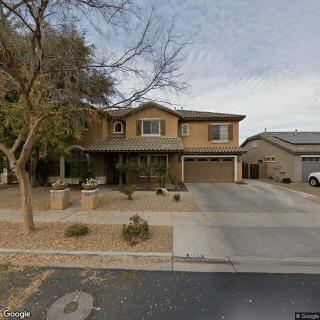




 Dementia Behaviors: In-Depth Understanding and Effective Coping Strategies
 5 Early Indicators of Dementia and What You Can Do
 8 Important Indicators That Memory Care May Be Necessary