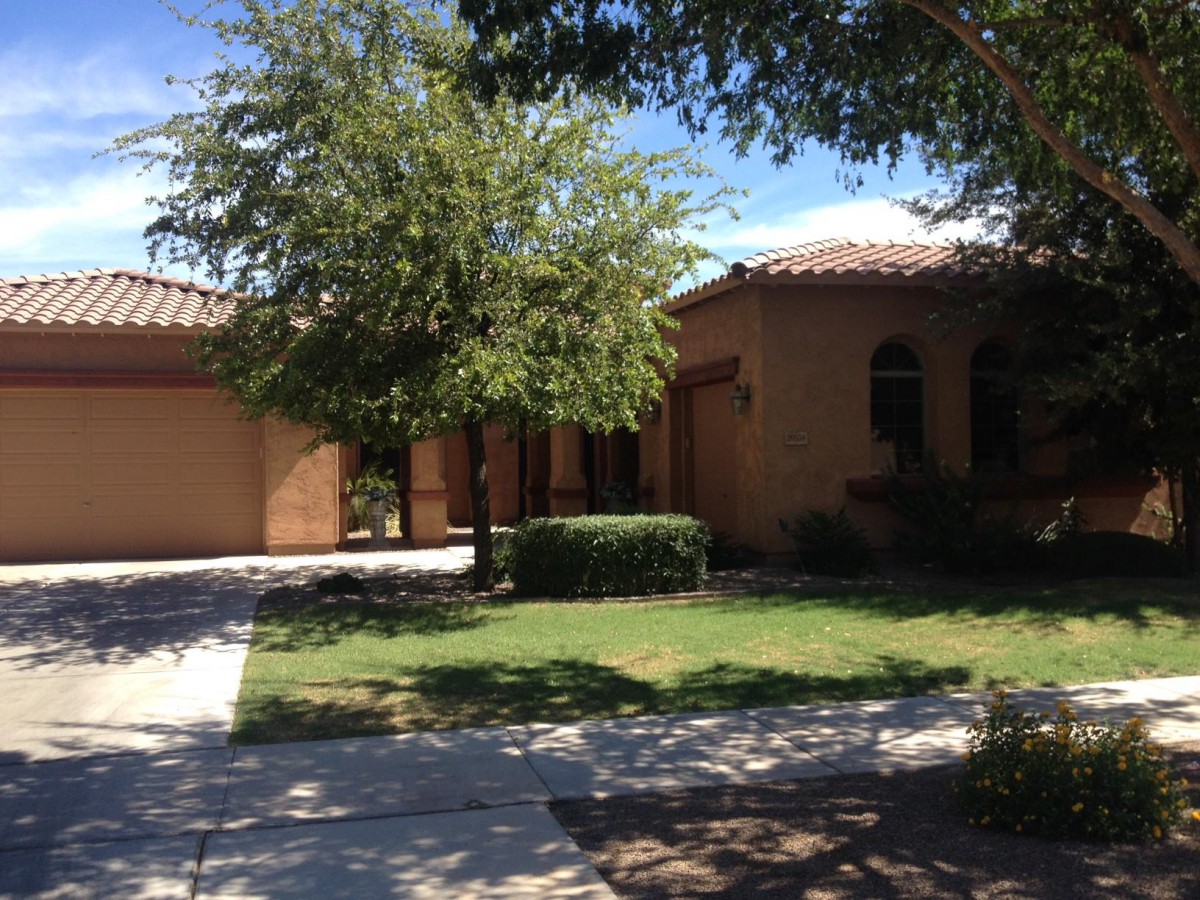
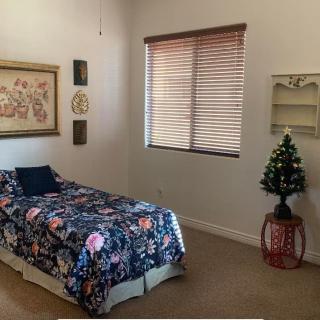
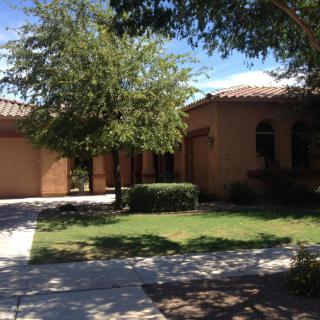
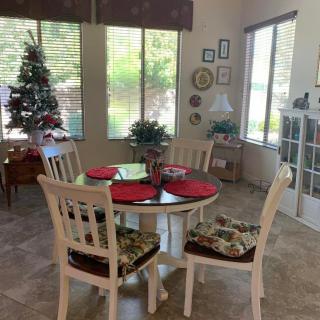
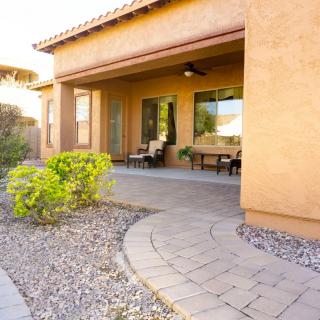
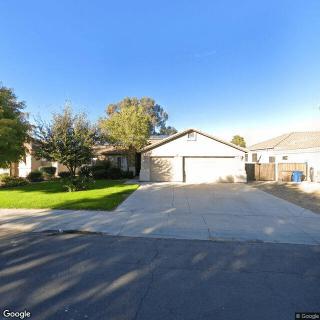
20338 East Via Del Oro, Chandler Heights, AZ 85142
For more information about senior living options: (866) 208-4318
A Caring Manor I Costs & Pricing
At A Caring Manor I, residents can enjoy the comfort of a private room or one-bedroom suite at a cost of $2,800 per month. This rate stands in stark contrast to the average costs within Pinal County, where similar private accommodations typically run around $3,209, and even higher at the state level in Arizona, where averages reach approximately $3,345. When considering one-bedroom options, A Caring Manor I maintains its competitive edge, charging the same monthly fee of $2,800 compared to Pinal County's average of $3,659 and Arizona's overall figure of $3,532. These pricing structures not only reflect A Caring Manor I's commitment to providing affordable care but also highlight its value proposition for families looking for quality assisted living solutions without overstretching their budgets.
| Floor plans | A Caring Manor I | Pinal County | Arizona |
|---|---|---|---|
| Private | $2,800 | $3,209 | $3,345 |
| 1 Bedroom | $2,800 | $3,659 | $3,532 |
Memory care communities with a similar price nearby
-
from -$300 / mo
La Bella Vita ALH
$2,500 to $7,000 / month11.0 miles away -
from -$400 / mo
Golden Touch One Adult Care Home
$2,400 to $5,800 / month13.0 miles away -
from +$200 / mo
Desert Winds I
$3,000 to $3,800 / month17.3 miles away -
from +$200 / mo
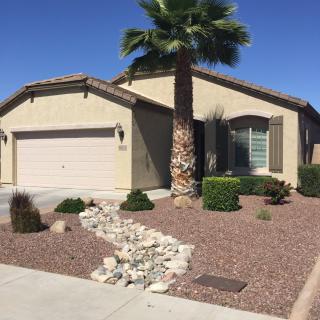
Altercare Assisted Living Home
$3,000 to $3,500 / month6.7 miles away -
from -$300 / mo
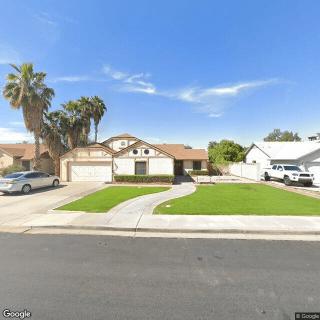
Villa Jean
$2,500 to $3,000 / month14.1 miles away
Overall Review of A Caring Manor I
Pros
 The environment is amazing.
- The independent care provided by Caring Manor is praised by families for their loved ones.
- The staff are one of a kind, like true friends to visitors.
- It feels unlike any other care home.
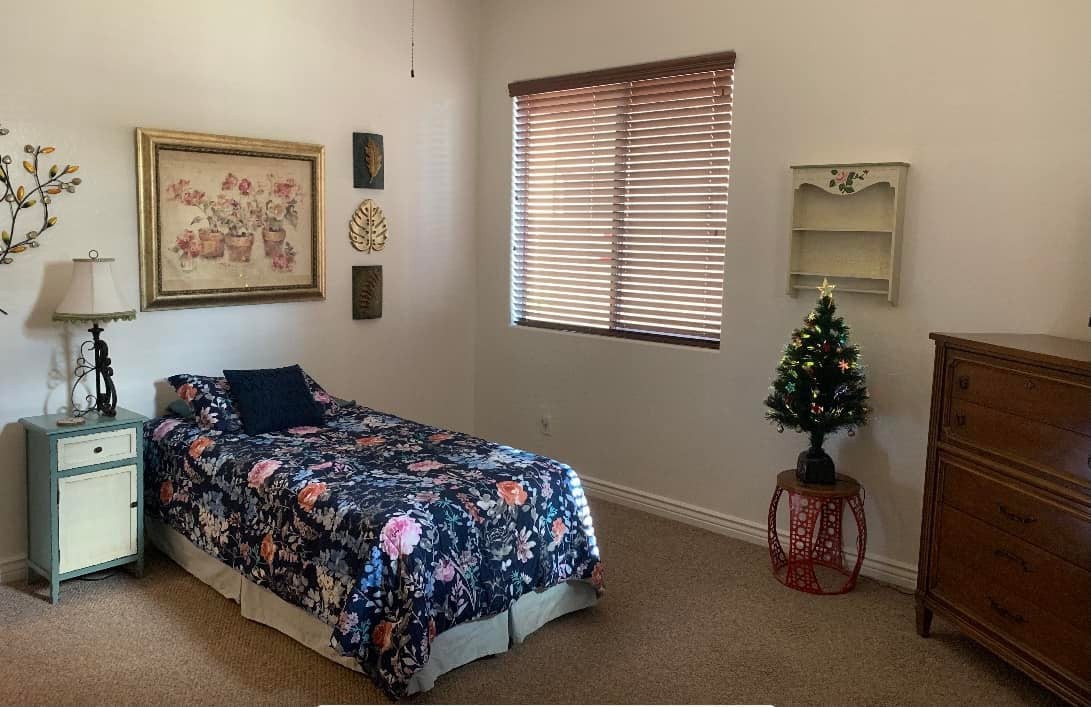
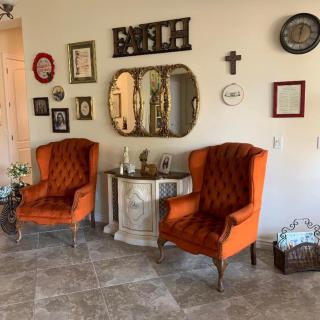
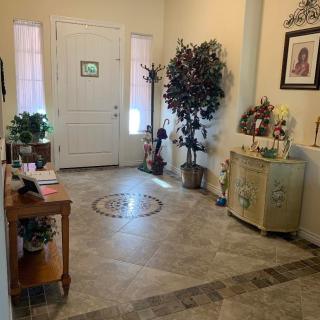
- The home is beautiful, comfortable, and clean.
- Visitors are impressed that residents’ needs are met.
Review
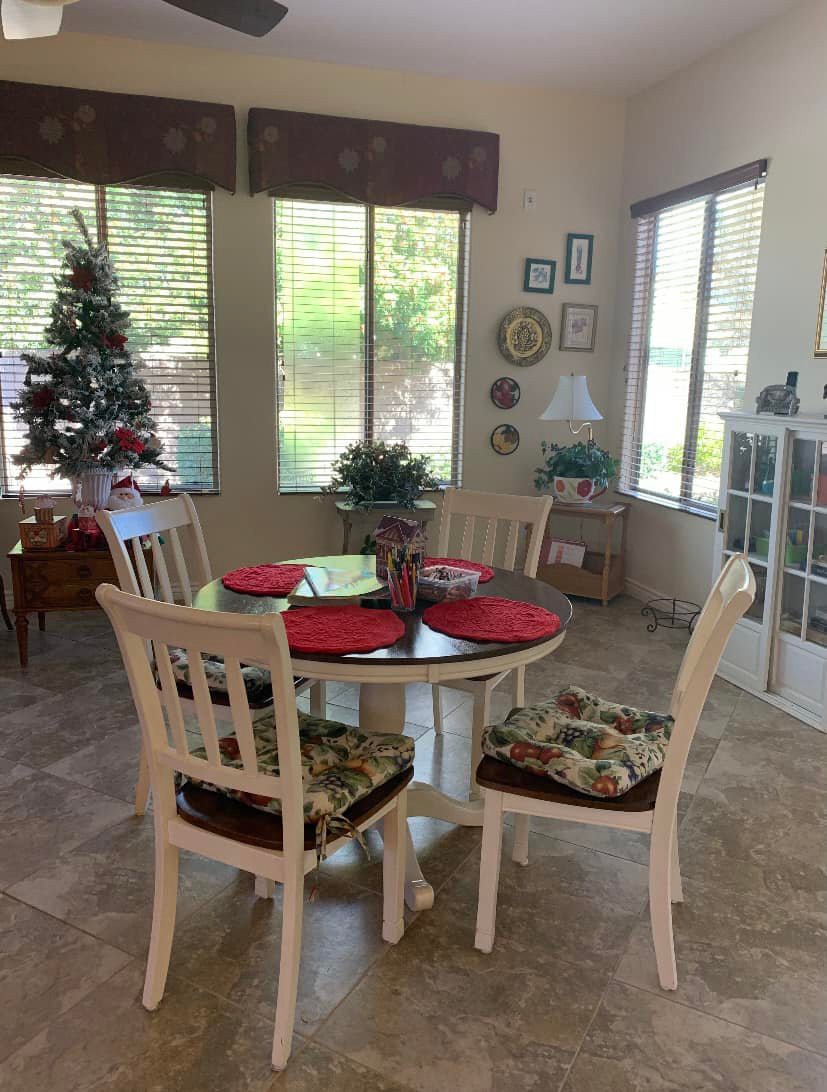
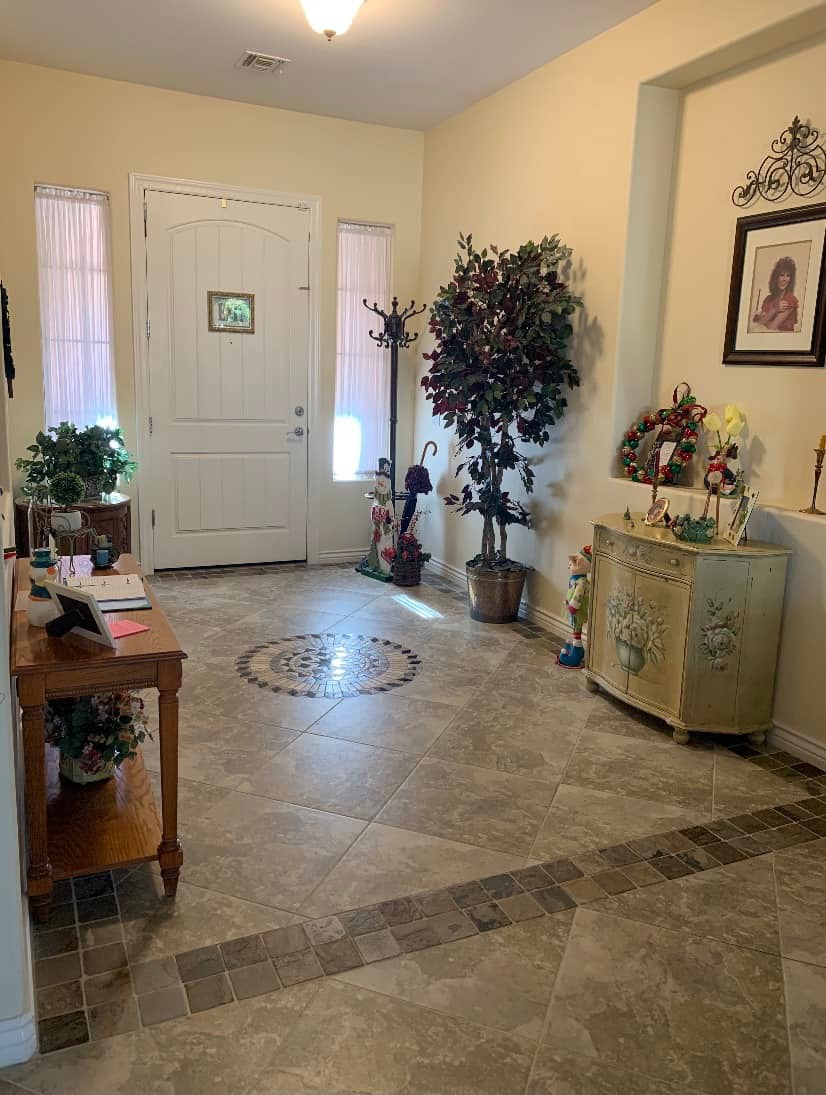
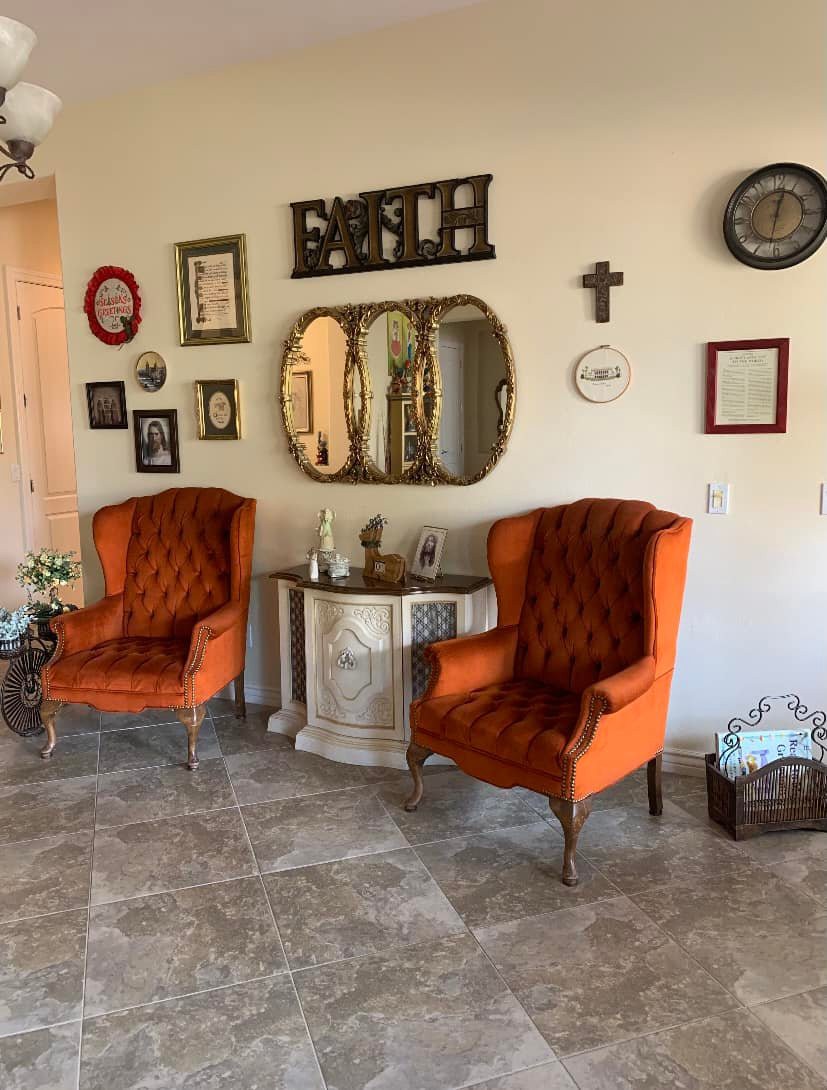
A Caring Manor I in Chandler Heights is best suited for seniors who want to preserve independence while living in a warm, home-like setting with staff who feel like friends. This community shines for residents who value personal attention, daily comfort, and social engagement over formal medical routines. Families seeking a intimate, comfortably run environment where staff know residents well and respond with genuine warmth will find the strongest alignment here. The emphasis on cleanliness, a pleasant atmosphere, and a lively, encouraging pace makes it a natural fit for someone who enjoys lighthearted activity and practical, practical support woven into everyday life.
Those considering alternatives are typically families whose loved one requires heavier clinical oversight or specialized memory-care programming. If 24/7 skilled nursing, extensive medical supervision, or a dedicated memory-support environment is essential, this may not be the best match. Likewise, larger campuses with more formalized programming, broader on-site medical teams, or a more structured activity calendar could be preferable when a resident’s needs outstrip what a smaller, home-oriented setting routinely provides. In short, when comprehensive clinical care is a priority, explore options with broader medical fixtures and memory-care resources.
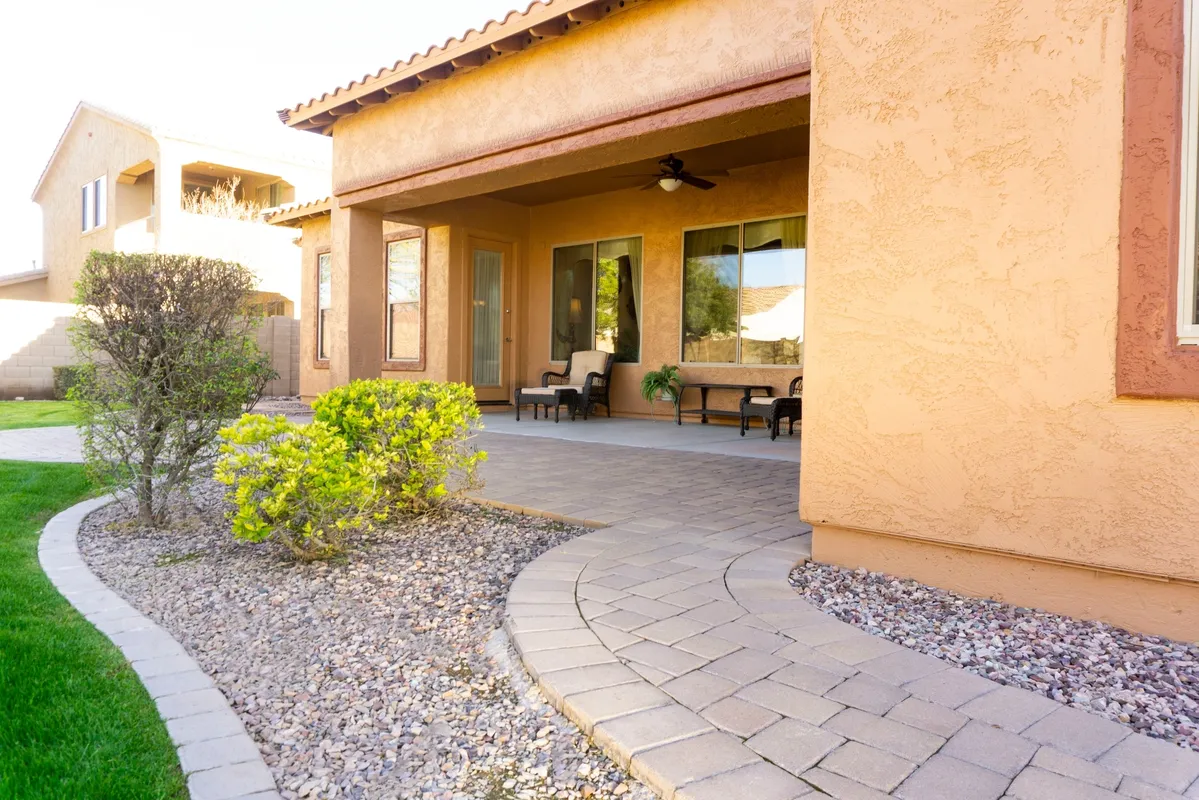
The strongest pros center on an extraordinary sense of warmth and belonging. Residents are supported with independent living that still feels carefully supervised, and the staff are consistently described as exceptional and genuinely caring, like friends who know daily preferences and lesser needs on a moment’s notice. The environment itself, beautiful, comfortable, clean, and fun, helps residents stay engaged, which translates into reliable assistance with daily tasks, timely reminders, and a social rhythm that reduces isolation. The combination of autonomy and personal connection creates a practical equation: residents maintain dignity and choice while receiving dependable, attentive support.
These strengths offset potential gaps by delivering a high-touch, low-drama experience that a larger, more clinical setting may not provide. The intimate scale means fewer bureaucratic hurdles, quicker response times, and a sense of safety that comes from consistent, visible care. For families, that translates into reduced care-stress and greater peace of mind. The downside, limited on-site medical depth and fewer specialized services, feels less burdensome when the priority is daily living that feels personal, affectionate, and uncomplicated. When health needs drift upward, the decision becomes about whether to prioritize the very human care dynamic or to shift toward a facility with more clinical infrastructure.
Prospective residents and their families should approach a decision here with clear criteria: gauge the level of independence the resident still enjoys, identify the daily tasks that require assistance, and confirm whether routine medical oversight meets current needs. A visit should center on conversations with the caregiving team about typical days, sleep and wake routines, meal quality, and how activities are tailored to individual interests. Ask about consistency of staff, response times, and how family communication is handled. If warmth, familiarity, and the feeling of a secure, cheerful home trump the desire for extensive medical programs, this community presents a compelling, well-aligned option.
In the end, A Caring Manor I is a strong choice for active seniors who prize a home-like atmosphere, meaningful relationships with staff, and consistent, respectful assistance with daily living. It is less suited for those requiring intensive medical care, complex memory-support services, or large-scale programming. The evidence from resident experiences points to a dependable, welcoming environment where needs are met with competence and care, and where independence and social connectedness are the primary currencies of daily life. For families prioritizing warmth, cleanliness, and genuine engagement, this community delivers a practical, confident recommendation.
 5 resident community capacity
 Assisted Living
 Board and Care Home
 Day Program
 Memory Care
 Respite Care
 Cats allowed
 Dogs allowed
 Cable or satellite TV
 Dining room
 Fully furnished
 Garden
 Housekeeping services
 Move-in coordination
 Outdoor space
 Private
 Telephone
 Wi-Fi/high-speed internet available
 Phoenix Sky Harbor International (25 miles away)
 24-hour supervision
 Ambulatory care
 Assistance with bathing
 Assistance with dressing
 Assistance with transfers
 Diabetes diet
 Diabetic care
 High acuity care
 Incontinence care
 Meal preparation and service
 Medication management
 Special dietary restrictions
 Transportation arrangement (medical)
 Transportation to doctors appointments
 A Thorough Discussion of Medications Potentially Linked to Dementia Risk
 Why Do Dementia Patients Sleep So Much? Understanding Oversleeping, Stages, and Care Approaches
 8 Key Indicators That Suggest It May Be Time to Transition from Assisted Living to Skilled Nursing Care