
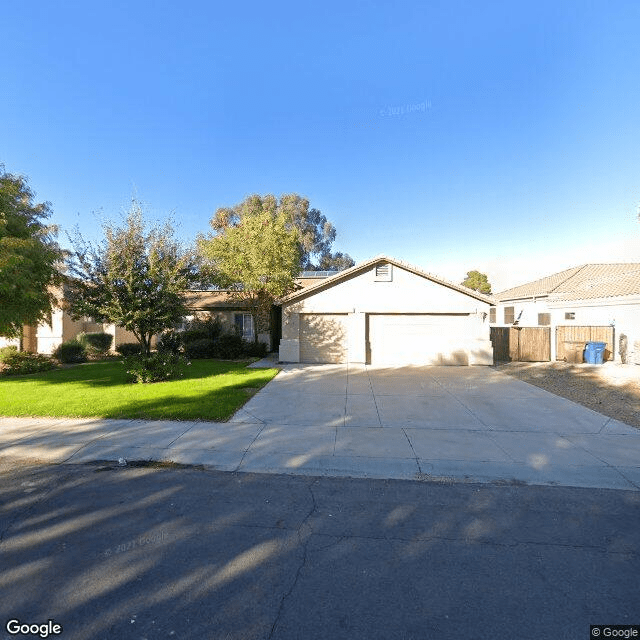
20428 E. Appaloosa Drive, Queen Creek, AZ 85142
To contact a resident: (480) 987-5077
For more information about senior living options: (866) 208-4318
Community of Dignity Costs & Pricing
At Community of Dignity, the monthly costs for residential accommodations reflect a commitment to quality care and comfort, while remaining competitive within both Pinal County and the broader Arizona market. For a semi-private room, the fee is set at $2,900, which is slightly above the county's average of $2,798 but remains in line with state figures of $2,820. Those opting for a private room can expect to pay $3,400; this rate is higher than the county's average of $3,209 yet still closely aligns with the statewide average of $3,345. These pricing structures highlight Community of Dignity's dedication to providing exceptional services while navigating regional cost dynamics effectively.
| Floor plans | Community of Dignity | Pinal County | Arizona |
|---|---|---|---|
| Semi-Private | $2,900 | $2,798 | $2,820 |
| Private | $3,400 | $3,209 | $3,345 |
Senior living communities with a similar price nearby
-
from -$275 / mo

The Eldercare Home Of Tempe
$2,625 to $3,412 / month17.5 miles away -
from -$400 / mo

La Bella Vita ALH
$2,500 to $7,000 / month10.4 miles away -
from -$500 / mo
Golden Touch One Adult Care Home
$2,400 to $5,800 / month12.8 miles away -
from -$500 / mo
Goshen Home Care
$2,400 to $2,700 / month9.0 miles away -
from -$400 / mo
Bella Vista Assisted Living Home
$2,500 to $3,000 / month10.4 miles away
Overall Review of Community of Dignity
Pros
 Community of Dignity is awesome.
- The staff there are just really caring.
- They communicate really well with us.
- Everything is a five here.
- The owners are easy to work with.
- They are flexible.
- They are caring.
- She is so happy now.
- The caregivers give her so much personal time.
Review
This community is best suited for seniors and families who want a warm, home-like assisted living setting where caregivers know residents well and communication from leadership is transparent and frequent. In Queen Creek, Arizona, Community of Dignity stands out as a small, intimate option that prioritizes personal attention over campus size. It is ideal for those who value hands-on, relationship-based care and a responsive leadership team, rather than a large-scale, highly structured environment. Families seeking a bustling, activity-rich campus with extensive medical programming may want to consider alternatives.
The strongest positives are clear and consistently delivered. Staff are described as genuinely caring, with daily interactions that emphasize individual attention and dignity. Families report excellent communication, both from caregivers and from owners, and praise the ease of working with the leadership. The owners, presently identified as Chris and Susan Haubrock, are noted as flexible and deeply invested in their residents. A compelling point from a family experience is the tangible difference observed after moving a loved one from a larger facility: in just six weeks, personal care time and focus shifted dramatically, translating into happier days and improved well-being for the resident. That combination of compassionate staff and engaged ownership creates a dependable foundation for trust.
These strengths offset several common concerns that families weigh when choosing assisted living. In a smaller, home-like setting, the risk of impersonal care and high staff turnover tends to be lower when owners are actively involved and staff are allowed the autonomy to attend to individual needs. The reviews consistently highlight that caregivers allocate considerable time to residents, not rushing through activities or care tasks. The personal touch, reinforced by clear, ongoing family communication, yields confidence that daily routines will be tailored, meals, prompts, companionship, and safety checks all receiving attentive, ongoing attention. The bottom line is that the quality of interpersonal care and the stability of leadership can substitute for the lack of a large menu of campus amenities.
Still, prospective residents should explicitly consider who may want to explore alternatives. Those requiring intensive medical oversight, frequent on-site nursing, or specialized memory care programs with broad, campus-wide resources may find this setting limited relative to larger communities. The reviews imply a focus on daily living support and personal time rather than highly structured clinical services. Families with residents who need robust, round-the-clock nursing staff, advanced therapies, or a wide array of professional activities across multiple buildings may prefer a facility designed around medical acuity and scale. In short, this is a caregiver-forward choice that excels at humane daily living rather than hospital-level care.
For decision-making, use several practical checks during visits. Meet the owners and frontline caregivers to observe the tone of interactions and how concerns are handled, this is where the positive reviews emphasize real, accessible leadership. Ask about caregiver-to-resident ratios, especially after-hours coverage, and how personal time is allocated for each resident. Inquire about medical oversight arrangements, how transitions are managed if health needs shift, and what therapies or transportation options exist on-site or nearby. Finally, evaluate whether the home atmosphere and the daily rhythms align with the residentā€™s preferences: predictability, meaningful companionship, and a sense of dignity are the hallmarks that have sold families on this community.
Bottom line: Community of Dignity is a standout option for families seeking a small, person-centered environment in Queen Creek where staff are caring, communication is strong, and ownership is visibly involved. The six five-star reviews reflect a consistent, high-satisfaction experience and a proven ability to improve day-to-day quality of life for residents who thrive in intimate settings. It is an especially strong fit for those who value personal time with caregivers, clear and responsive leadership, and a home-like routine over the amenities of a larger campus. For families prioritizing dignity, attentiveness, and genuine connection, this community earns serious consideration, and for those needing more intensive medical or memory-care programming, alternatives with greater clinical depth are advisable.
 Board and Care Home
 Activities off-site
 Bath tubs
 Devotional services off-site
 Indoor common areas
 Outdoor common areas
 Private
 Private bathrooms
 Respite or short term stays offered
 Swimming pool / hot tub
 Phoenix Sky Harbor International (25 miles away)
 Ambulatory care
 Incontinence care
 Medication management
 Meals provided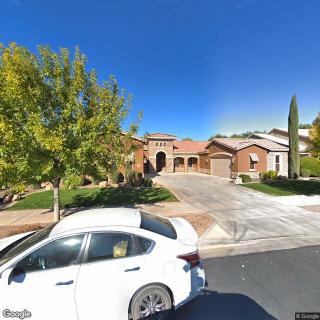




 Home Health Care Aides: Understanding Their Role and Supporting Your Family
 Urinary Tract Infections in Older Adults: Comprehensive Insights on Symptoms, Treatment, and Prevention
 California's Form 602A: An In-Depth Examination of Senior Care Assessment