

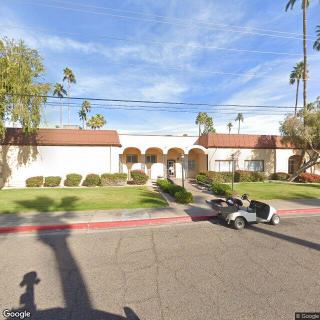
3950 W. Mulberry Dr., Phoenix, AZ 85019
To contact a resident: (480) 234-3568
For more information about senior living options: (866) 208-4318
Mulbery Assisted Living Home Costs & Pricing
Mulbery Assisted Living Home offers competitive pricing for its services, particularly when compared to both Maricopa County and the broader state of Arizona. The monthly cost for a private room at Mulbery is $2,000, which significantly undercuts the county average of $3,318 and the state average of $3,345. However, the pricing for studio and one-bedroom options at Mulbery stands out as more premium; both are priced at $5,000 per month. This reflects a notable increase compared to Maricopa County's studio average of $3,960 and one-bedroom average of $3,473, as well as the state averages of $3,829 and $3,532 respectively. Overall, while Mulbery provides an attractive option for those seeking private accommodations at a lower cost than surrounding alternatives, its higher rates for studio and one-bedroom units suggest a different positioning in terms of quality or amenities offered.
| Floor plans | Mulbery Assisted Living Home | Maricopa County | Arizona |
|---|---|---|---|
| Private | $2,000 | $3,318 | $3,345 |
| Studio | $5,000 | $3,960 | $3,829 |
| 1 Bedroom | $5,000 | $3,473 | $3,532 |
Memory care communities with a similar price nearby
-
About the same
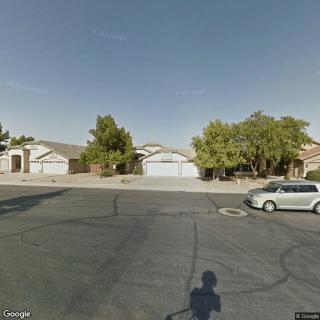
Santo Nino Villas 2
$2,000 to $2,300 / month23.8 miles away -
About the same
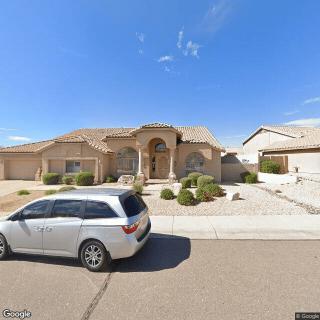
Tatum Ranch Assisted Living
$2,000 to $3,000 / month21.2 miles away -
About the same
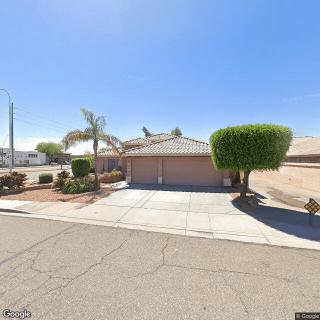
Angel's Adult Group Home
$2,000 to $3,000 / month15.6 miles away -
from +$255 / mo

Windsor Luxury Assisted Living, LLC
$2,255 to $5,950 / month10.5 miles away -
from +$225 / mo
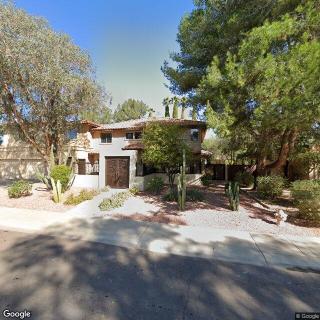
Harts Home - Exceptional Elder Care
$2,225 to $5,500 / month15.5 miles away
Overall Review of Mulbery Assisted Living Home
Pros
 The place is great.
- The owner is described as an angel who has helped them a lot.
- The owner is generous and accommodating about payments.
- The people there are excellent, and they love the place.
Review
Mulbery Assisted Living Home in Phoenix is best suited for families seeking a small, home-like setting where an owner-led approach delivers deeply attentive, affordable care for an elder who does not require high-acuity medical oversight. The reviews portray the owner as a compassionate, practical partner who will work with limited resources, even accepting lower payments and continuing to do so. This combination strongly appeals to budget-conscious families who prioritize warmth, reliability, and a personal touch over large-scale amenities or institutional rigidity.
Those who may want to consider alternatives are families with higher medical needs or a desire for a broader, more structured program. The reviews do not detail on-site nursing coverage, memory-care capabilities, or extensive therapy offerings, which are often important for seniors with complex health conditions. For relatives requiring robust clinical oversight, more comprehensive staffing, or specialized memory-care environments, larger facilities or communities with explicit medical and therapeutic services could be a better fit.
The strongest pros evident in the feedback center on the owner’s character and the consequent care experience. The owner is described as an “angel” who goes above and beyond to accommodate financial constraints, and the facility earns enthusiastic endorsements like “great place” from multiple reviewers. That personal commitment tends to translate into responsive caregiving, consistent communication, and a sense of security for families who value a trusting, hands-on administrator guiding daily life in a smaller setting.
These powerful advantages offset potential drawbacks inherent in a small, home-style operation. When care hinges on an individual owner, the payoff is often unmatched attentiveness, flexibility, and a predictable, warm atmosphere, qualities that can matter more than formal programs for many residents. The caveat, however, is the relative invisibility of detailed information about clinical staffing, emergency protocols, or scale of services. Without explicit confirmation of on-site nursing coverage or specialized care options, families should verify that the level of medical oversight meets their loved one’s needs.
To make a well-founded decision, pursue practical due diligence. Schedule a visit to observe daily routines, interactions, and the overall environment. Request a transparent pricing breakdown, including what is included in monthly fees and what may incur extra costs. Inquire about staffing patterns, on-call availability, medication management, meal service, housekeeping, and transportation options. Confirm licensing status and any recent regulatory inquiries, and seek direct references from current or former residents’ families. A candid discussion about what happens when a high-need medical issue arises can prevent misalignment later.
In sum, Mulbery stands out for families prioritizing an intimate, owner-driven experience with a compassionate approach to affordability. It is a compelling match for seniors who thrive in a home-like atmosphere and for relatives who value personal attention and budget flexibility over expansive on-site programs. For those with greater medical complexity or a demand for formalized care tracks, alternatives with broader clinical resources should be explored. A careful tour and direct conversations about staffing, services, and pricing will determine whether Mulbery meets the exact balance of care and cost that best serves the loved one.
 Board and Care Home
 Memory Care
 Activities on-site
 Devotional services off-site
 Indoor common areas
 Private
 Phoenix Sky Harbor International (9 miles away)
 Ambulatory care
 Diabetic care
 Meals provided







 Dementia Behaviors: In-Depth Understanding and Effective Coping Strategies
 5 Early Indicators of Dementia and What You Can Do
 8 Important Indicators That Memory Care May Be Necessary