Good Shepherd Peoria
Save
10323 W Olive Ave, Peoria, AZ 85345
For more information about senior living options: (844) 490-3973
What level of care are you interested in?

Assisted Living

Memory Care

Independent Living

Skilled Nursing Facility

Continuing Care Retirement Community (CCRC)CCRC

Other
Good Shepherd Peoria is best suited for seniors who need skilled nursing or post-acute rehab and who will benefit from a robust therapy program alongside a lively activity calendar. It serves residents who respond well to hands-on, empathetic care from a wide range of staff and who can tolerate the realities of a busy clinical environment. Families who can be actively involved - visiting regularly, asking questions, and monitoring care plans - will likely see the most favorable outcomes. Those whose loved ones require near-constant supervision, have significant cognitive or behavioral challenges, or demand flawless day-to-day operations should consider alternatives. The facility may not be the right fit for anyone who cannot commit to ongoing family advocacy and close oversight.
On the upside, the strongest pillar is the therapy ecosystem. Multiple residents and family members recount rapid, attentive rehabilitation that emphasizes real progress, not mere sessions. The therapy teams - PT and OT - are repeatedly described as focused, encouraging, and capable of pushing patients to regain function. The environment supports frequent, goal-oriented work without artificial time limits, and the access to a refreshed, well-equipped rehab gym is often highlighted as a major differentiator. Beyond therapy, a warm, responsive front-office culture - admissions, concierge, and case-management staff - helps families feel they are supported even when navigating complex transitions. The care teams in activities, nursing, and aides are praised for their everyday kindness and for building a sense of warmth and normalcy in daily life.
Yet the picture is not one-note. A thread running through many experiences is the variability in staffing levels and consistency of communication. Several accounts describe delayed call-light responses, inconsistent updates to families, and case managers whose communication did not meet expectations. Discharge planning can feel rushed or inadequately coordinated, leaving families uncertain about post-acute services or home care. Safety concerns surface in some reports, with a few residents experiencing falls or delays in addressing medical needs, and a minority of families report cleanliness or room-condition issues. Food quality also appears to vary, with remarks ranging from "delicious" to "not up to par," underscoring how closely meal experiences color overall satisfaction.
These pros and cons must be weighed against the core risk signals. For families prioritizing rapid functional improvement and a therapeutic atmosphere, the strong rehab outcomes and staff engagement can offset some communication gaps, especially when the family commits to proactive involvement. However, where a loved one is fragile, requires strict monitoring, or depends on seamless discharge arrangements to avoid a wobble into home care, the drawbacks can amplify stress and slow recovery. In practical terms, this means concrete, early conversations about expectations, explicit care plans, and a clear point of contact are essential to getting the most from the program while mitigating risk.
To maximize the chance of a positive stay, approach planning with a structured information-seeking mindset. Request a dedicated case manager who will document goals, updates, and the timeline for discharge or transition. Insist on a written daily or every-other-day progress summary, so the family remains in the loop about therapy milestones, medication changes, and any concerns that surface. Prioritize a formal, reviewed plan for call-light response, room readiness, and daily routines, including meals and hygiene. Bring concerns home promptly and push for visible accountability, including weekly rounds with nursing leadership if needed. A test-drive stay - with a defined end date and a concrete rehabilitation target - can reveal whether the rhythm of care aligns with expectations.
In the end, Good Shepherd Peoria stands out for therapy depth, compassionate direct care, and a structured activity culture that many families value highly. It can be a powerful backdrop for healing and regaining independence when oversight is solid and communication is actively managed. But for families that cannot sustain vigilant involvement or for loved ones who require consistently flawless day-to-day operations, exploring alternatives with stronger staffing stability and more predictable communication patterns is prudent. The right choice will hinge on the balance between the digital, goal-driven world of rehab and the human - often imperfect - world of daily care.
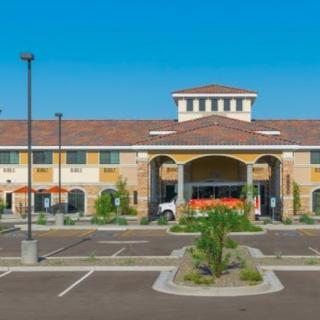
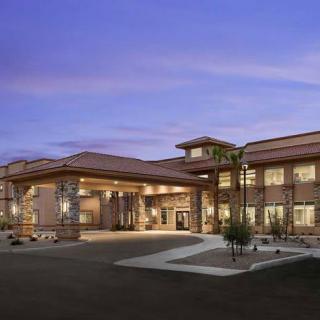
Good Shepherd Peoria is an assisted living community located in Peoria, AZ. Our facility offers specialized care for individuals with memory care needs, as well as a skilled nursing facility for those requiring more comprehensive medical attention.
Situated in a convenient location, our community has easy access to various amenities and services that enhance the quality of life for our residents. With four cafes nearby, there are plenty of options for residents to enjoy a cup of coffee or meet friends for a meal in a cozy setting. The presence of four parks nearby allows our residents to enjoy outdoor activities such as walking, picnicking, or simply enjoying the tranquility of nature.
Healthcare needs are well taken care of with 10 pharmacies and eight physicians in close proximity. This ensures that our residents have easy access to medications and medical professionals whenever necessary.
Additionally, we understand the importance of socializing and staying connected to the community. With 16 restaurants nearby, our residents have numerous dining options to explore and experience cuisines from around the world. For those who seek spiritual solace, there is also a place of worship situated conveniently nearby.
Cultural enthusiasts can take advantage of two theaters located close by, offering opportunities for entertainment and cultural enrichment within reach.
At Good Shepherd Peoria, we prioritize providing a nurturing environment that meets both physical and emotional needs. With a range of amenities and services available within close proximity to our community, residents can enjoy an enriching and fulfilling lifestyle while receiving personalized care tailored to their individual needs.
This part of Peoria, Arizona offers a variety of amenities that cater to senior living. With several theaters, restaurants, and cafes within close proximity, residents have plenty of options for entertainment and dining. Additionally, there are multiple pharmacies and physicians nearby for easy access to healthcare services. The parks in the area provide opportunities for outdoor activities and relaxation. Places of worship are also conveniently located for those seeking spiritual fulfillment. Overall, this area offers a well-rounded community with diverse offerings that would be appealing to older adults looking for a comfortable and convenient living environment in Peoria.
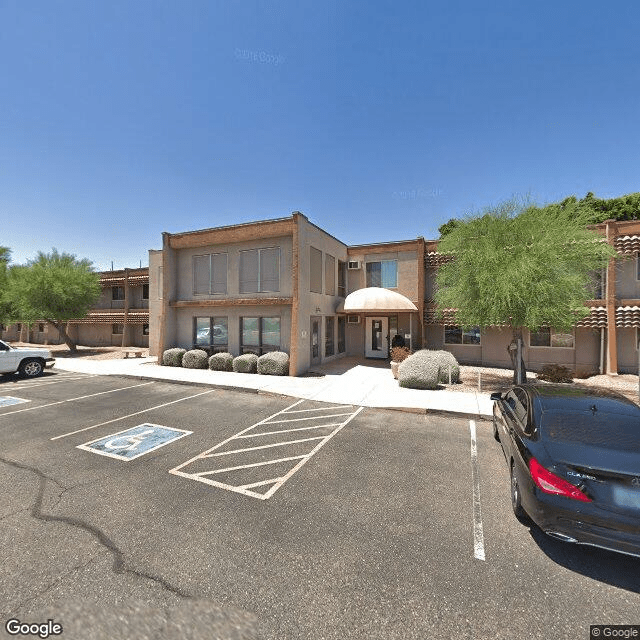
Good Shepherd Peoria is located at 10323 W Olive Ave, Peoria, AZ 85345 in Maricopa County, Arizona
Yes, Good Shepherd Peoria provides memory care services for residents with mild or advanced stages of dementia or Alzheimer's disease.
Are Dementia and Alzheimer's Disease Lethal? A Comprehensive Exploration
Dementia, including Alzheimer’s disease, is often mischaracterized in terms of lethality as it leads to complications that can be fatal rather than being a direct cause of death; it causes a progressive decline in cognitive and physical health, making patients vulnerable to infections and other health crises. Effective management of nutrition, hydration, and communication is crucial in patient care, with palliative care becoming vital in advanced stages to enhance comfort and quality of life while caregivers play a key role amidst the challenges posed by the disease.
Exploring the Power of Reminiscence Therapy for Individuals With Dementia
Reminiscence therapy helps individuals with dementia recall past memories through structured discussions and meaningful objects, enhancing mood, relationships, and sense of identity while celebrating their lives. It can be practiced in formal settings or at home, requiring sensitivity to personal histories and cultural backgrounds.
An In-Depth Look at Reminiscence Therapy in Dementia Care
Reminiscence therapy is a structured method for older adults, especially those with dementia, to share life stories using prompts and sensory cues, fostering emotional well-being, social engagement, and self-identity. It aims to improve quality of life by enhancing interpersonal connections and cognitive stimulation while requiring careful facilitation to avoid distressing memories.