For more information about senior living options: (866) 208-4318
3.6 from 41 reviews
5 stars
24
4 stars
0
3 stars
3
2 stars
4
1 stars
10
Paseo Village Costs & Pricing
Paseo Village offers a competitive pricing structure for its studio apartments, with a monthly cost of $2,950. This rate stands in contrast to the broader market in Maricopa County, where average studio prices reach approximately $3,960, and slightly below the statewide average of around $3,829. By providing an affordable option that is significantly lower than both the county and state averages, Paseo Village positions itself as an attractive choice for those seeking quality accommodation without straining their budget. The difference in costs underscores Paseo Village's commitment to accessible living while maintaining high standards of comfort and community.
Floor plans
Paseo Village
Maricopa County
Arizona
Studio
$2,950
$3,960
$3,829
Memory care communities with a similar price nearby
Residents and families repeatedly describe staff as caring and attentive.
Across many reviews, families say staff treat residents well and stay responsive to day-to-day needs. Several comments highlight kindness and patience, and others describe staff actively checking on medical concerns and keeping families informed. A few reviews are much harsher about care and communication, but even those mention specific interactions with management or staff rather than blaming the setting alone.
caveat7 reviews mention this
Medication and call response are mixed
Some residents report problems with medication handling and emergency response.
Some reviews criticize medication being given late or inaccurately, and they also question whether staff follow through consistently. Others specifically mention the emergency call button not always getting a response. On the positive side, at least a few families say staff watch medical issues closely and communicate with physicians, including updates to the family or power of attorney.
common3 reviews mention this
Activities support memory and injury needs
Reviews mention structured activities, including support for memory-related needs.
Several residents or families highlight the activity program, pointing to an activity director who works closely with residents who have memory or brain injury concerns. Other feedback notes the need for more things to do around the facility, especially on the memory care side. This aligns with the community offering scheduled activities, fitness programming, and both on-site and off-site options.
caveat4 reviews mention this
Rooms and cleanliness feel hit-or-miss
Some reviewers like the clean, renovated spaces while others report comfort and environment issues.
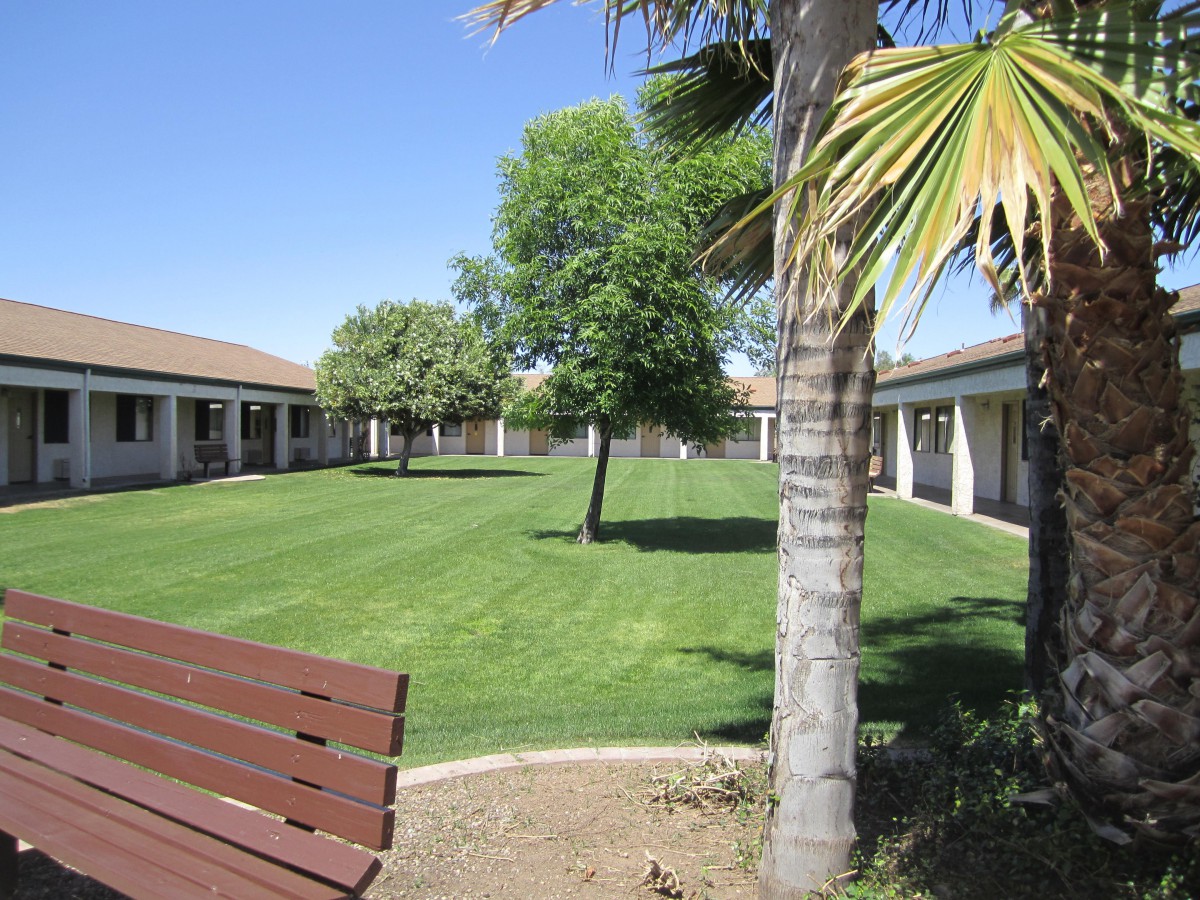
A number of reviews mention clean, beautiful grounds and private rooms, with some pointing to renovations and an apartment-like feel. However, other comments describe the memory care environment as depressing or uncomfortable, including reports about odors and needing updates. There are also mixed impressions about how home-like the experience feels compared with a more institutional setting.
caveat2 reviews mention this
Pricing and fees draw opposing views
Pricing terms are described very differently across reviews.
One review notes no buy-in fees or leases and mentions weekly maid service. Another review claims rent was doubled or tripled to push residents out, and this same theme shows up with broader complaints about management decisions. Pricing for studios is described as below the county and state benchmarks, which contrasts with the negative comments focused on rent increases.
How we summarize
Counts show how many written reviews mention each theme; a review can touch several themes, and only frequently mentioned themes are displayed.
Features
Housing
115 resident community capacity
Types of Care
Assisted Living
Memory Care
Respite Care
Amenities
Activities off-site
Activities on-site
Air-conditioning
Beautician on-site
Beauty salon
Cable or satellite TV
Computer center
Devotional services off-site
Devotional services on-site
Dining room
Fitness room
Fully furnished
Gaming room
Garden
Handicap accessible
Housekeeping services
Indoor common areas
Kitchenette
Move-in coordination
Outdoor common areas
Outdoor space
Private bathrooms
Restaurant-style dining
Small library
Telephone
Wellness center
Wi-Fi/high-speed internet available
Transportation
Phoenix Sky Harbor International (17 miles away)
Community operated transportation
Transportation arrangement
Transportation arrangement (non-medical)
Transportation to doctors appointments
Care Services
12-16 hour nursing
24-hour call system
24-hour supervision
Activities of daily living assistance
Ambulatory care
Assistance with bathing
Assistance with dressing
Assistance with transfers
Diabetes diet
Diabetic care
Incontinence care
Meal preparation and service
Medication management
Mental wellness program
Special dietary restrictions
Dining
Diabetes diet
Guest meals
Low / no sodium
Meals provided
No Sugar
Restaurant style dining
Special dietary restrictions
Activities
Activities off-site
Activities on-site
Birthday parties
Community-sponsored activities
Concierge services
Day trips and outings
Devotional activities offsite
Devotional activities on-site
Fitness programs
Happy hour
Holiday parties
Karaoke
Live dance or theater performances
Live musical performances
Planned day trips
Resident-run activities
Scheduled daily activities
Stretching classes
Wii bowling
Nearby Places of Interest
This part of Peoria, Arizona, offers a convenient and diverse range of amenities for seniors looking to settle in the area. With several pharmacies located within close proximity, access to essential medications and health supplies is easily accessible. The abundance of parks provides opportunities for outdoor recreation and relaxation, including dog-friendly options. Places of worship offer spiritual fulfillment and community engagement. A variety of dining options cater to different tastes, while nearby theaters provide entertainment options for leisure activities. Additionally, numerous cafes offer spaces for socializing or enjoying a quiet cup of coffee. Access to healthcare services is readily available with a selection of physicians specializing in various medical fields located nearby. Overall, this neighborhood offers a well-rounded living environment suitable for seniors looking for convenience and comfort in their daily lives.
Pharmacies
Walgreens (0.2 miles)
CVS Pharmacy (1.2 miles)
CVS Pharmacy (2.1 miles)
CVS Pharmacy (2.3 miles)
Walgreens (2.9 miles)
Walgreens (2.9 miles)
Walgreens (3.2 miles)
Parks
Pioneer Community Park Off-Leash Dog Park (1.4 miles)
Pioneer Community Park (1.5 miles)
Rio Vista Community Park (2.1 miles)
Grand Canal Linear Park (4 miles)
O'Neal Park (5.3 miles)
Places of Worship
Church of Jesus Christ of Latter Day Saints (1.6 miles)
The Church At Arrowhead (5.3 miles)
Pure Heart Christian Fellowship (6.2 miles)
Restaurants
Angry Crab Peoria (2 miles)
Desert Diamond Casino West Valley (2 miles)
The Sicilian Butcher Peoria (2.1 miles)
Cold Beers & Cheeseburgers (2.1 miles)
BJ's Restaurant & Brewhouse (2.2 miles)
Haymaker Thunderbird (2.2 miles)
Tacos Calafia (2.3 miles)
Theaters
Park West 14 (2 miles)
AMC Westgate 20 (3.1 miles)
Arrowhead Fountains 18 (3.6 miles)
AMC Arrowhead 14 (4.6 miles)
AMC Surprise Pointe 14 (6.3 miles)
Cafes
Dutch Bros Coffee (2.2 miles)
Starbucks (2.4 miles)
Starbucks (2.7 miles)
Dutch Bros Coffee (3 miles)
Starbucks (3.8 miles)
Starbucks (4.2 miles)
Dutch Bros Coffee (5.7 miles)
Physicians
North Valley Dermatology & Original Skin (2.3 miles)
Academic Urology & Urogynecology Of Arizona (2.4 miles)
Multi-Specialty Physicians (2.4 miles)
Arizona Arthritis & Rheumatology Associates, PC (2.6 miles)
Paseo Village offers a competitive pricing structure for its studio apartments, with a monthly cost of $2,950. This rate stands in contrast to the broader market in Maricopa County, where average studio prices reach approximately $3,960, and slightly below the statewide average of around $3,829. By providing an affordable option that is significantly lower than both the county and state averages, Paseo Village positions itself as an attractive choice for those seeking quality accommodation without straining their budget. The difference in costs underscores Paseo Village's commitment to accessible living while maintaining high standards of comfort and community.
Paseo Village's comprehensive approach to memory care is significantly enhanced by its 24-hour supervision, ensuring that residents receive constant support and safety throughout the day and night. The assistance provided with activities of daily living, such as bathing and dressing, helps maintain the dignity and personal hygiene of residents, which can often be challenging for those with dementia or Alzheimer's disease. Additionally, assistance with transfers ensures mobility and reduces the risk of falls, promoting a secure environment. Incontinence care is handled sensitively to preserve comfort while meal preparation and service cater to nutritional needs tailored to each resident's preferences and dietary requirements. Effective medication management is crucial for maintaining health stability in this population, while a dedicated mental wellness program fosters cognitive engagement and emotional well-being through meaningful activities that stimulate memory and social interaction. Together, these features create a supportive atmosphere that honors each individual's unique journey with memory impairment.
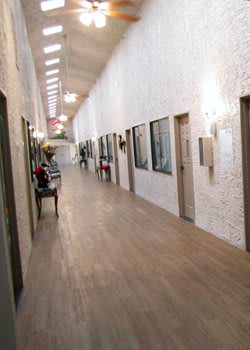
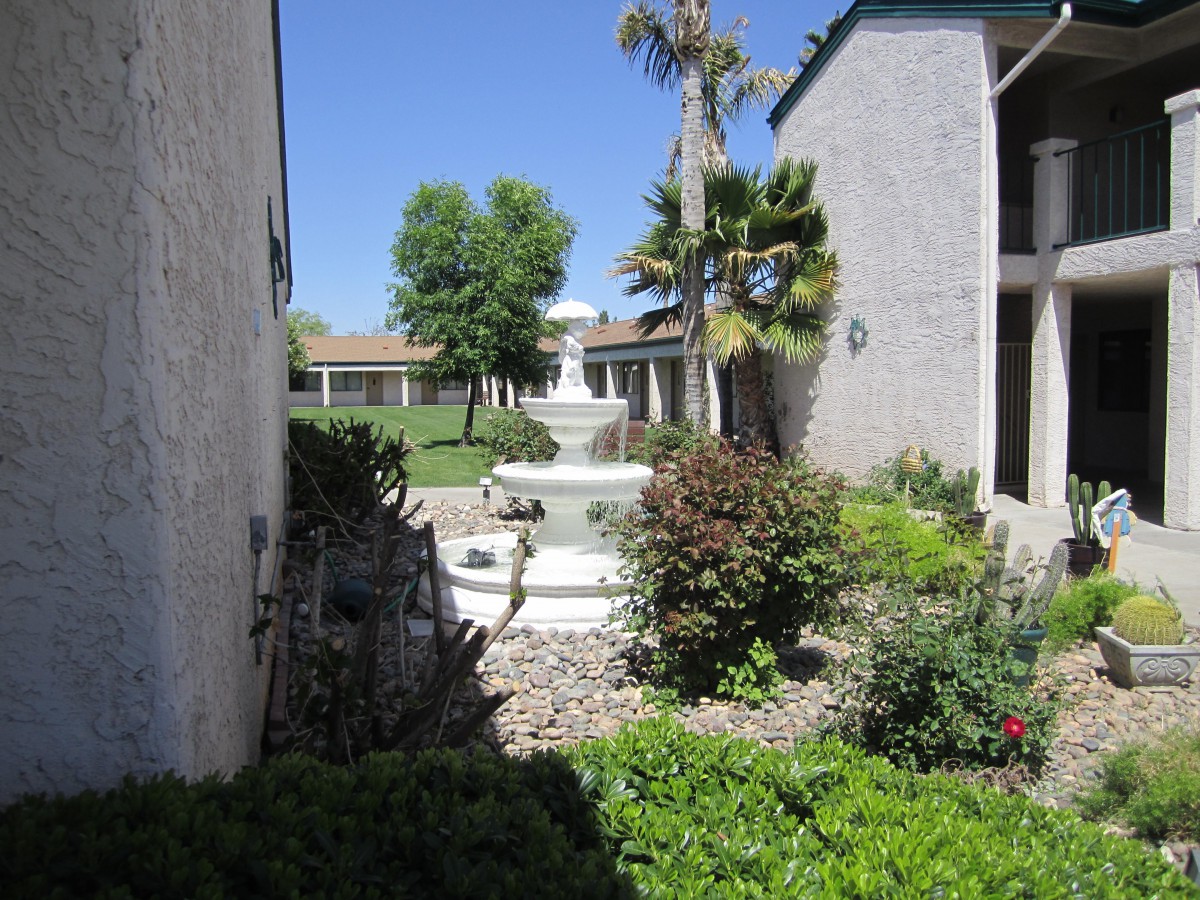
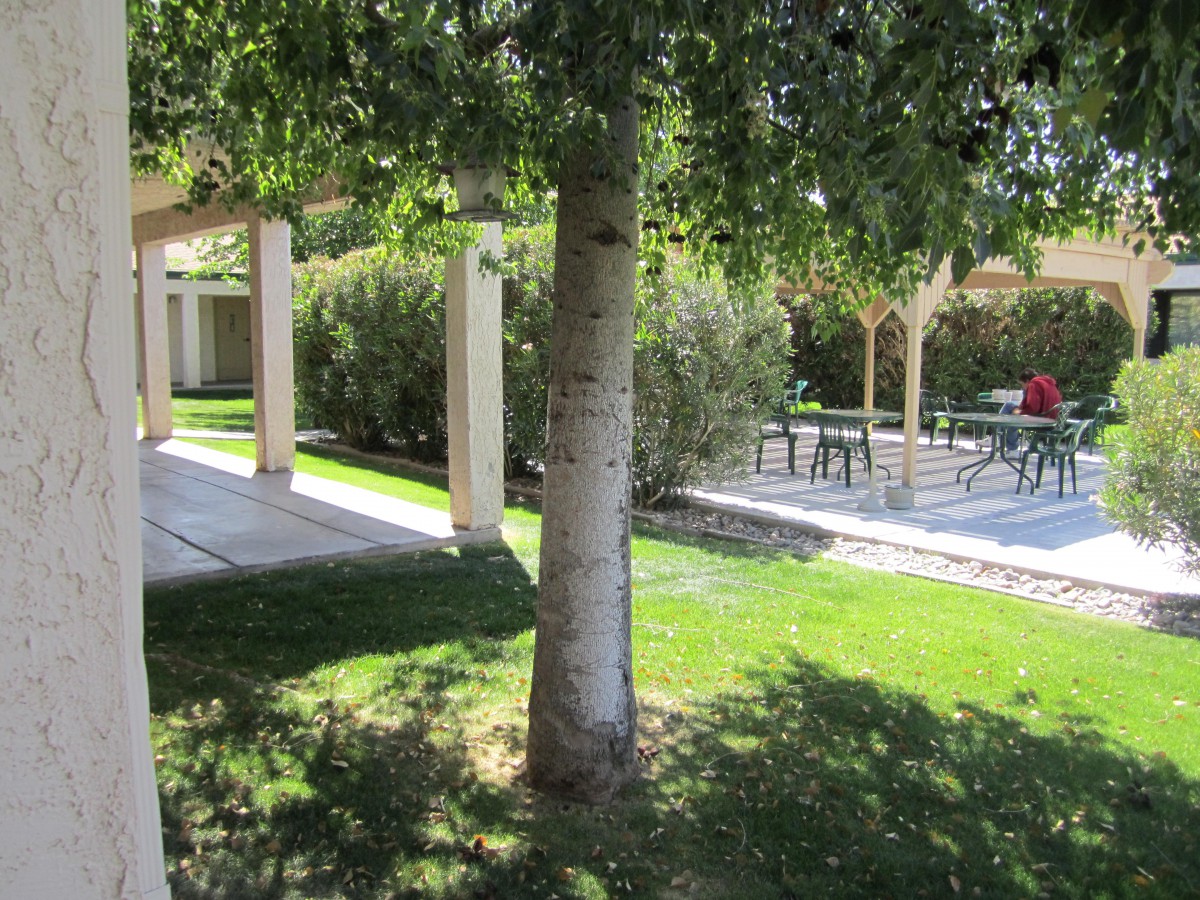
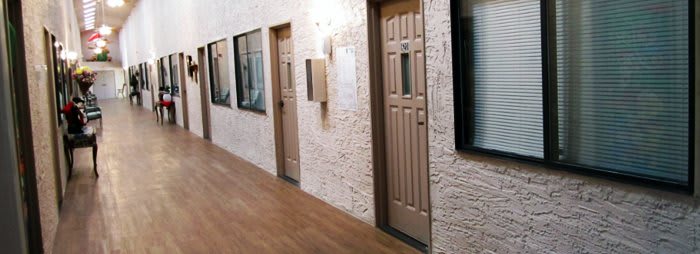
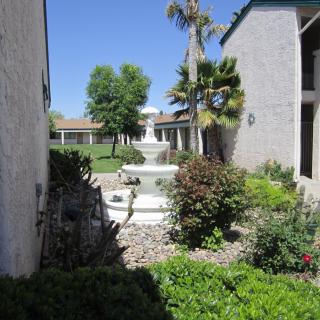
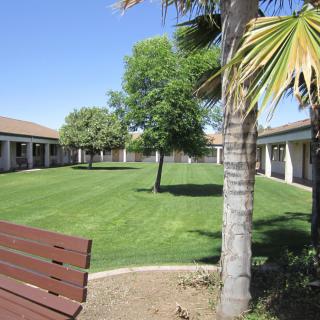
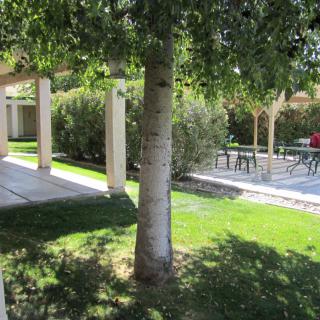
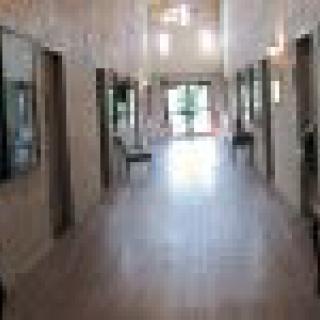
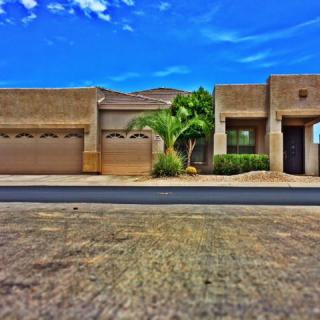
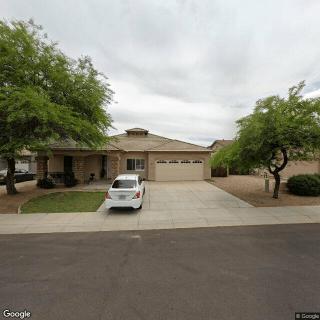
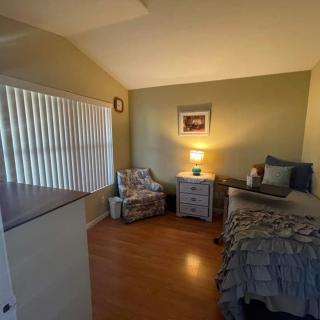
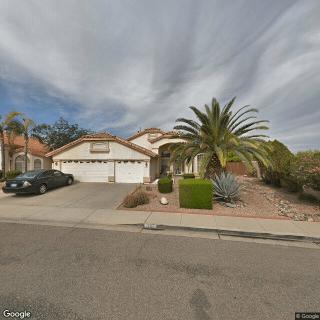
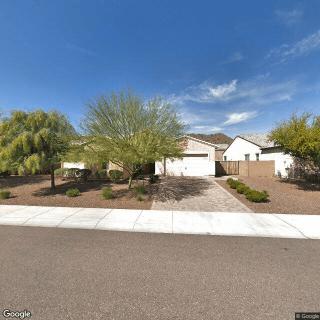
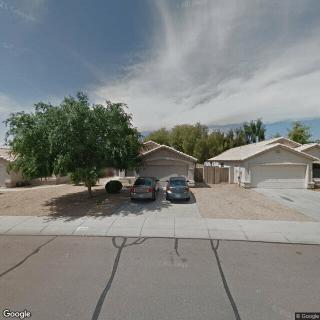
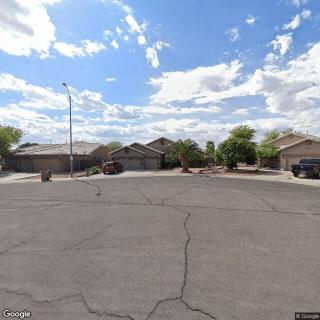
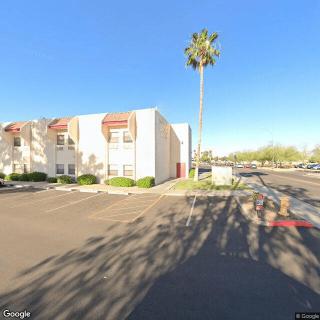
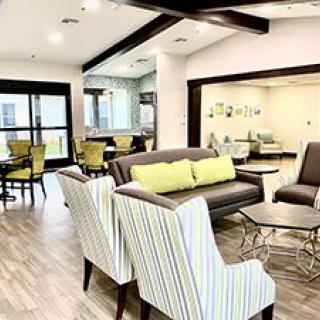
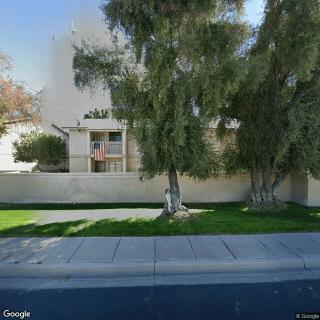
Paseo Village on seniors.fyi includes 9 photos including images showing interior, hallway, landscaping, garden, pathway, architecture, doors, windows, and more.
Assisted living provides moderate support for seniors seeking independence, while memory care offers specialized support for individuals with dementia or cognitive impairments through structured routines and trained staff. Key differences include care approaches, environment security measures, staff training levels, activity types, and cost considerations.
Choosing between assisted living and nursing homes involves evaluating emotional and financial factors, with assisted living offering independence and support for daily activities at a lower cost, while nursing homes provide intensive medical care for individuals with significant health needs. The decision is influenced by personal preferences, health status, cognitive function, and varying Medicaid coverage across states.
The article presents eight strategies for preserving cognitive health and memory in older adults, emphasizing a nutrient-rich diet, regular exercise, intellectually stimulating activities, adequate sleep, social connections, stress management techniques, limiting harmful substances, and regular medical checkups to mitigate age-related memory decline.
Get PricingAsk A QuestionSchedule A TourContact Senior Advisor
By clicking submit, you agree to our Partner's Terms of Use. You
also consent to receive calls and texts, which may be autodialed, from our Partner. Your consent is not a condition to
using our Partner's service. Please visit our Partner's Privacy Policy for information about their privacy practices.



 115 resident community capacity
 Assisted Living
 Memory Care
 Respite Care
 Activities off-site
 Air-conditioning
 Beautician on-site
 Cable or satellite TV
 Computer center
 Devotional services off-site
 Dining room
 Fitness room
 Fully furnished
 Gaming room
 Garden
 Handicap accessible
 Housekeeping services
 Indoor common areas
 Kitchenette
 Move-in coordination
 Outdoor common areas
 Private bathrooms
 Restaurant-style dining
 Small library
 Telephone
 Wellness center
 Wi-Fi/high-speed internet available
 Phoenix Sky Harbor International (17 miles away)
 Community operated transportation
 12-16 hour nursing
 24-hour call system
 Ambulatory care
 Assistance with bathing
 Assistance with dressing
 Assistance with transfers
 Diabetes diet
 Diabetic care
 Incontinence care
 Medication management
 Mental wellness program
 Special dietary restrictions
 Birthday parties
 Concierge services
 Day trips and outings
 Happy hour
 Karaoke
 Live dance or theater performances
 Live musical performances
 Wii bowling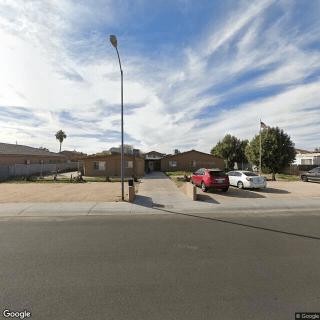
 Vibrant, convenient location with extensive nearby amenities (cafes, parks, healthcare, dining, worship, theaters).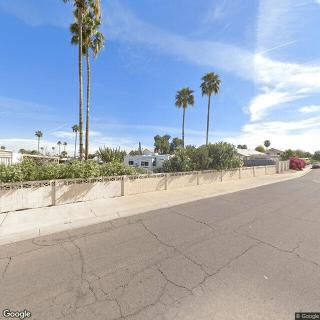


 Assisted Living and Memory Care: Understanding Their Core Differences
 Choosing the Right Senior Care: A Detailed Exploration of Assisted Living and Nursing Homes
 Safeguarding Your Memory Through the Golden Years: Eight Ways to Preserve Cognitive Health