

10214 N 89th Ave, Peoria, AZ 85345
To contact a resident: (623) 979-4717
For more information about senior living options: (866) 208-4318
Overall Review of Arnolds Place
Pros
 The facility is a good place.
- It has been a good home for residents who are quadriplegic.
- The food is good.
- The nurses are good.
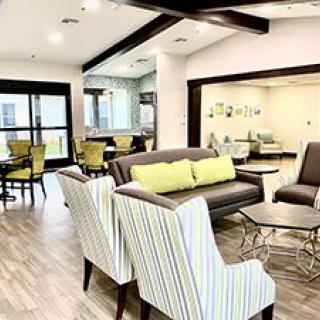
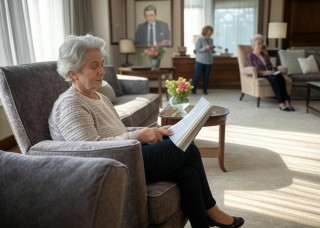
- There is a large area for watching TV and dining.
- Most clients have been there for quite a while.
Cons
 It's been closed down for 2 years now.
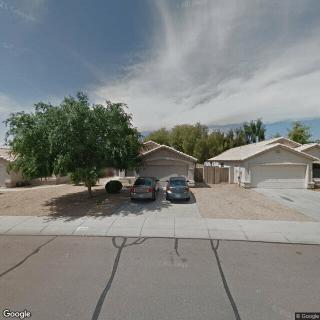
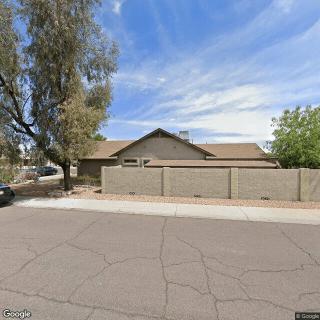
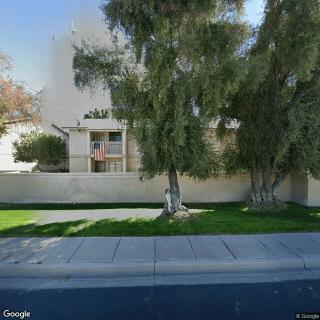
- It looks a little run down.
- The rooms are adequate but small.
Review
Arnolds Place in Peoria is best suited for younger-adult residents who require assisted living with significant mobility supports, including paraplegia or quadriplegia, and who prefer a community that already accommodates a non-senior population. The core appeal lies in a setting that includes para and quad residents alongside traditional care needs, not a primarily elderly, purely senior home. The environment skews toward practicality: adequate but small rooms, a sizeable shared area for socializing, and a care team described as capable, with food and nursing services earning positive notes. This is not a luxury facility, but a workhorse community designed to support daily living and ongoing assistance with a sense of continuity.
Those considering alternatives should take a hard look at the facility’s operational stability and environment. A troubling line from one reviewer states it has been closed down for two years, which, if accurate, would immediately disqualify it as an option and necessitate a search for other providers with verifiable ongoing operations. Even if that claim reflects a temporary disruption, it signals a potential risk factor families must verify upfront. Beyond stability, the look and feel matter: the property is described as looking a bit run down, with rooms that are adequate but small. For families prioritizing a newer building, larger living spaces, or a more polished aesthetic, several other established assisted living options will likely feel more secure.
The strongest positives point to the caliber of care and the resident community. The facility reportedly supports younger residents and those with spinal cord injuries, which can translate into a peer environment where staff familiarity with paraplegia and quadriplegia is more than incidental. Food is described as good, and nurses are regarded as competent, suggesting reliable daily care and nutrition. The presence of a large common area for TV and meals can foster social engagement and reduce isolation, particularly for clients who may require frequent companionship or structured activities. Moreover, “most clients have been there for quite a while” indicates a stable, if small, community where long-term relationships with staff and neighbors can develop.
Yet the cons are concrete and carry real implications for decision-making. The physical footprint, small rooms and a building that appears worn, can limit maneuverability for residents with complex equipment or preferences for more expansive living space. If the resident’s needs include extensive therapy, risk mitigation around mobility, or a home that communicates a sense of freshness and modern upkeep, these factors may erode satisfaction over time. The uncertain operating status compounds these concerns: even strong daily care can be undermined by a facility that is not reliably open or financially stable. For families weighing alternatives, these are not minor quibbles but essential criteria that could redefine the suitability of Arnolds Place.
A practical decision framework follows naturally. Families should directly verify current licensure and operating status with the administrator, request a current tour, and observe staffing patterns during peak hours to assess the nurse and aide coverage. Ask pointed questions about the availability and quality of paraplegia/quadriplegia-specific supports, the readiness of equipment, and the ease of accessing rehabilitation services on-site or nearby. Inspect room dimensions, storage, and accessibility, ensuring wheelchair clearance, doorway widths, and bathroom safety features meet the resident’s daily realities. Finally, probe the stability of the community, bed availability, turnover rates, and any known plans for renovation or sale, to avoid selecting a home with an uncertain future.
In the end, Arnolds Place holds promise for a niche that blends younger-adult residents with serious mobility needs, delivering dependable nursing care, solid meals, and a sociable common space. The advantages can offset the downsides for families who value a practical, community-focused setting and who can confirm current operations are intact. However, for families where stability, modern facilities, larger private spaces, or a senior-centric environment are non-negotiable, alternatives should be pursued with rigor. The right choice balances the resident’s medical needs and personal preferences with the facility’s demonstrated reliability and the peace of mind that comes from a clearly open, well-maintained, and financially stable community.
 7 resident community capacity
 Assisted Living
 Board and Care Home
 Respite Care
 Cable or satellite TV
 Dining room
 Fully furnished
 Garden
 Housekeeping services
 Move-in coordination
 Outdoor space
 Telephone
 Wi-Fi/high-speed internet available
 Phoenix Sky Harbor International (17 miles away)
 24-hour supervision
 Activities of daily living assistance
 Assistance with bathing
 Assistance with dressing
 Assistance with transfers
 Diabetes diet
 Meal preparation and service
 Medication management
 Special dietary restrictions
 Transportation arrangement (medical)
 Transportation to doctors appointments




 Understanding the Distinctions: Assisted Living and Memory Care Explained
 Guiding Elderly Parents Who Refuse Assisted Living: 6 Practical Steps
 Your Comprehensive Guide to Luxury Assisted Living: Elevated Facilities, Amenities, and Costs