At Fairmont Village, the monthly costs for living accommodations reflect a notable premium compared to both Maricopa County and the broader state of Arizona. Specifically, residents in semi-private rooms can expect to pay $5,500 per month, which significantly exceeds the county average of $2,801 and the state average of $2,820. Similarly, for those choosing studio apartments at Fairmont Village, the cost is set at $6,500 - again higher than Maricopa County's average of $3,960 and Arizona's overall average of $3,829. This pricing suggests that Fairmont Village may offer enhanced amenities or specialized services that cater to residents seeking a more luxurious or comprehensive living experience.
Floor plans
Fairmont Village
Maricopa County
Arizona
Semi-Private
$5,500
$2,801
$2,820
Studio
$6,500
$3,960
$3,829
Memory care communities with a similar price nearby
The memory care setting feels secure and built for residents who may need extra calming support.
Several residents and families describe Fairmont Village as especially appropriate for memory care, including a secure area and a setup that feels safe. One reviewer specifically mentioned a “very secure and safe” environment for a loved one, and another pointed to a dedicated space used to calm someone who is agitated. Reviews also describe caregivers taking time to sit with a resident with dementia until they calmed down, which aligns with the community’s specialized memory care programming and continuous supervision approach.
common21 reviews mention this
Caregivers are attentive and compassionate
Residents and families repeatedly describe caregivers as genuinely kind, professional, and responsive to changing needs.
Across the reviews, families describe caregivers who show up consistently and provide support that feels personal rather than rushed. Multiple reviewers mention quick help and hands-on assistance, including coordinating medical needs and keeping families informed. Several also praise professionalism and compassion in memory care, including staff who spend time calming residents and maintaining dignity during difficult moments.
common10 reviews mention this
Clean, well-kept, and safety-minded
Many reviewers highlight cleanliness and a calm, well-maintained environment.
A notable theme is how clean the facility feels, with reviewers describing it as spotless, bright, and well maintained. Some comments also connect cleanliness to safety, describing a facility that felt appropriately secure and orderly compared with other places. Others describe the atmosphere as peaceful rather than overly stimulating, which is consistent with the “calm” goal reflected in the memory care experience.
common3 reviews mention this
Activities help residents stay engaged
Residents get daily engagement through structured activities and faith-based events.
Reviewers mention that the community keeps residents involved, including bringing people to activities and helping them find purpose again. One reviewer described church services and group activities like puzzles and drawing, and another highlighted that a loved one started doing things each day instead of staying in bed. The community also offers a range of planned daily activities and religious services, which matches the kinds of engagement families talk about.
How we summarize
Counts show how many written reviews mention each theme; a review can touch several themes, and only frequently mentioned themes are displayed.
Features
Housing
90 resident community capacity
Studio apartments
Types of Care
Assisted Living
Memory Care
Amenities
Activities off-site
Activities on-site
Air-conditioning
Beauty salon
Cable or satellite TV
Computer center
Devotional services off-site
Devotional services on-site
Dining room
Fitness room
Fully furnished
Gaming room
Garden
Garden view
Ground floor units
Handicap accessible
Housekeeping services
Indoor common areas
Kitchenette
Move-in coordination
Outdoor common areas
Outdoor space
Private bathrooms
Respite or short term stays offered
Restaurant-style dining
Small library
Telephone
Wellness center
Wheelchair accessible showers
Wi-Fi/high-speed internet available
Transportation
Phoenix Sky Harbor International (16 miles away)
Community operated transportation
Transportation arrangement
Transportation arrangement (non-medical)
Care Services
12-16 hour nursing
24-hour call system
24-hour supervision
Activities of daily living assistance
Assistance with bathing
Assistance with dressing
Assistance with transfers
Coordination with health care providers
Diabetes diet
Diabetic care
High acuity care
Incontinence care
Meal preparation and service
Medication management
Mental wellness program
Mild cognitive impairment
Special dietary restrictions
Specialized memory care programming
Transportation arrangement (medical)
Transportation to doctors appointments
Dining
Diabetes diet
Gluten-free
Guest meals
International cuisine
Kosher
Low / no sodium
Meals provided
No Sugar
Organic
Professional chef
Restaurant style dining
Room service
Special dietary restrictions
Special dining programs
Vegan
Vegetarian
Activities
Art classes
Bible study group
Catholic services
Community-sponsored activities
Concierge services
Cooking classes
Devotional activities offsite
Devotional activities on-site
Fitness programs
Jewish services
Mormon/LDS services
Other religious services
Planned day trips
Protestant services
Resident-run activities
Scheduled daily activities
Visiting Rabbi
Visiting chaplain or priest
Nearby Places of Interest
This part of Peoria, Arizona, offers a variety of amenities and services that cater to senior living. The proximity to places of worship such as the Church of Jesus Christ of Latter Day Saints and Pure Heart Christian Fellowship provides opportunities for spiritual fulfillment. Additionally, the abundance of parks like Pioneer Community Park and Grand Canal Linear Park offer opportunities for outdoor recreation and relaxation. There are also several dining options nearby including Angry Crab Peoria and The Sicilian Butcher Peoria for convenient meals. For healthcare needs, there are multiple pharmacies and physicians in the area such as North Valley Dermatology & Original Skin and Canyon Orthopaedic Surgeons. Furthermore, entertainment options like Park West 14 and AMC Westgate 20 provide opportunities for leisure activities. Overall, this part of Peoria provides a well-rounded environment that caters to the needs and interests of seniors looking to settle in the area.
Places of Worship
Church of Jesus Christ of Latter Day Saints (0.4 miles)
Pure Heart Christian Fellowship (5 miles)
The Church At Arrowhead (5.1 miles)
Parks
Pioneer Community Park Off-Leash Dog Park (1.1 miles)
Pioneer Community Park (1.2 miles)
Rio Vista Community Park (2.5 miles)
Grand Canal Linear Park (4.1 miles)
O'Neal Park (4.6 miles)
Foothills Park (5.8 miles)
Restaurants
Angry Crab Peoria (1.2 miles)
Tacos Calafia (2.2 miles)
Culver's (2.3 miles)
Haymaker Thunderbird (2.4 miles)
McDonald's (2.6 miles)
Desert Diamond Casino West Valley (2.8 miles)
The Sicilian Butcher Peoria (3 miles)
Pharmacies
CVS Pharmacy (1.3 miles)
Walgreens (1.5 miles)
Walgreens (1.7 miles)
CVS Pharmacy (2.2 miles)
Walgreens (2.3 miles)
Walgreens (2.5 miles)
CVS Pharmacy (2.5 miles)
Cafes
Starbucks (2.2 miles)
Dutch Bros Coffee (2.2 miles)
Starbucks (2.5 miles)
Dutch Bros Coffee (3.6 miles)
Starbucks (3.9 miles)
Starbucks (4 miles)
Starbucks (4.5 miles)
Physicians
North Valley Dermatology & Original Skin (2.2 miles)
At Fairmont Village, the monthly costs for living accommodations reflect a notable premium compared to both Maricopa County and the broader state of Arizona. Specifically, residents in semi-private rooms can expect to pay $5,500 per month, which significantly exceeds the county average of $2,801 and the state average of $2,820. Similarly, for those choosing studio apartments at Fairmont Village, the cost is set at $6,500 - again higher than Maricopa County's average of $3,960 and Arizona's overall average of $3,829. This pricing suggests that Fairmont Village may offer enhanced amenities or specialized services that cater to residents seeking a more luxurious or comprehensive living experience.
The features offered by Fairmont Village are tailored to create a supportive environment for residents facing the challenges of dementia or Alzheimer's disease. The 24-hour supervision ensures that residents receive constant care and immediate assistance when needed, fostering a sense of safety and security. Activities of daily living assistance, including support with bathing, dressing, and transfers, helps maintain residents' dignity while promoting their independence within a structured routine. Coordination with healthcare providers enhances overall health management, while incontinence care addresses comfort and hygiene needs. Meal preparation and service not only provide nutritious options but also encourage social interaction during mealtime. Medication management is critical to ensure adherence to prescribed treatments, while specialized memory care programming and mental wellness initiatives target cognitive engagement and emotional well-being. Additionally, transportation arrangements for medical appointments facilitate access to necessary health services, contributing to holistic care that supports both physical and mental health.
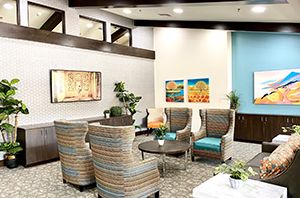
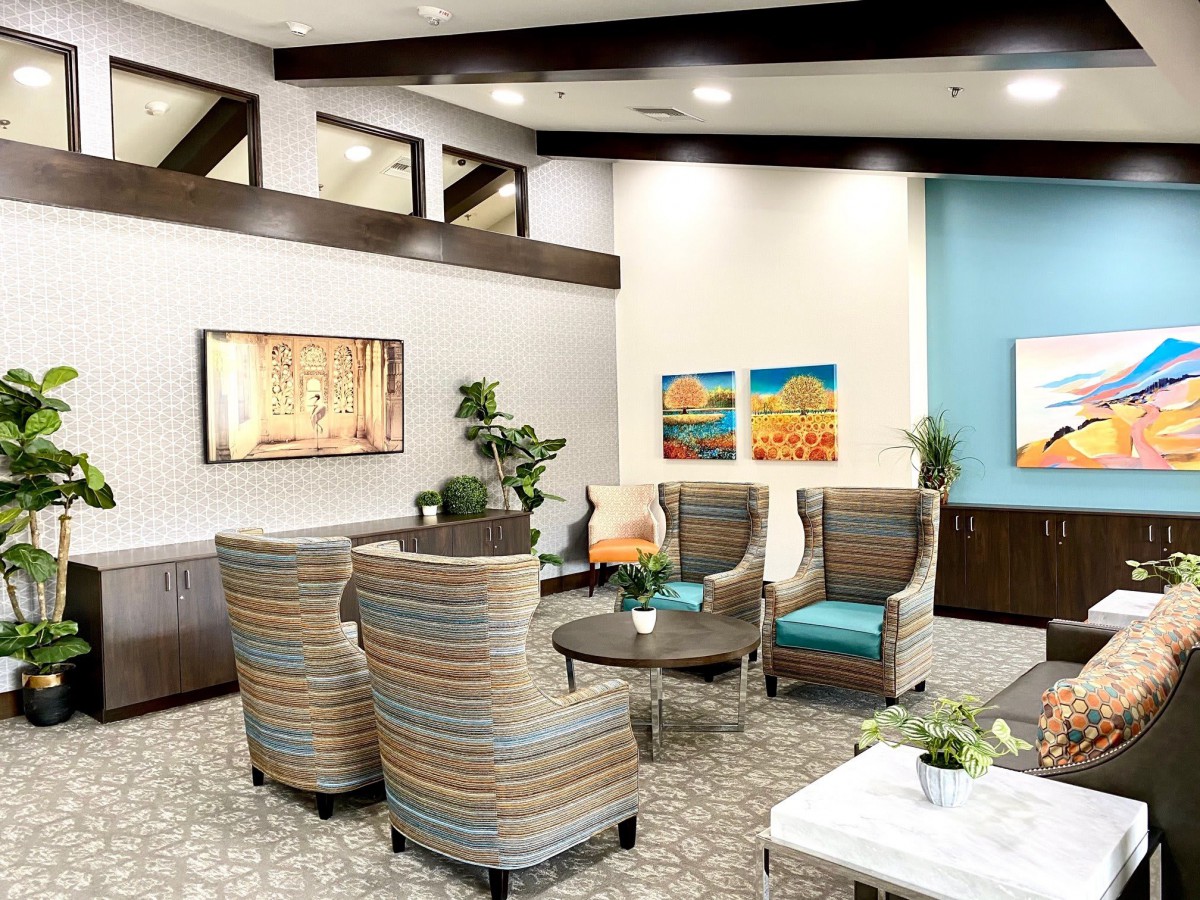
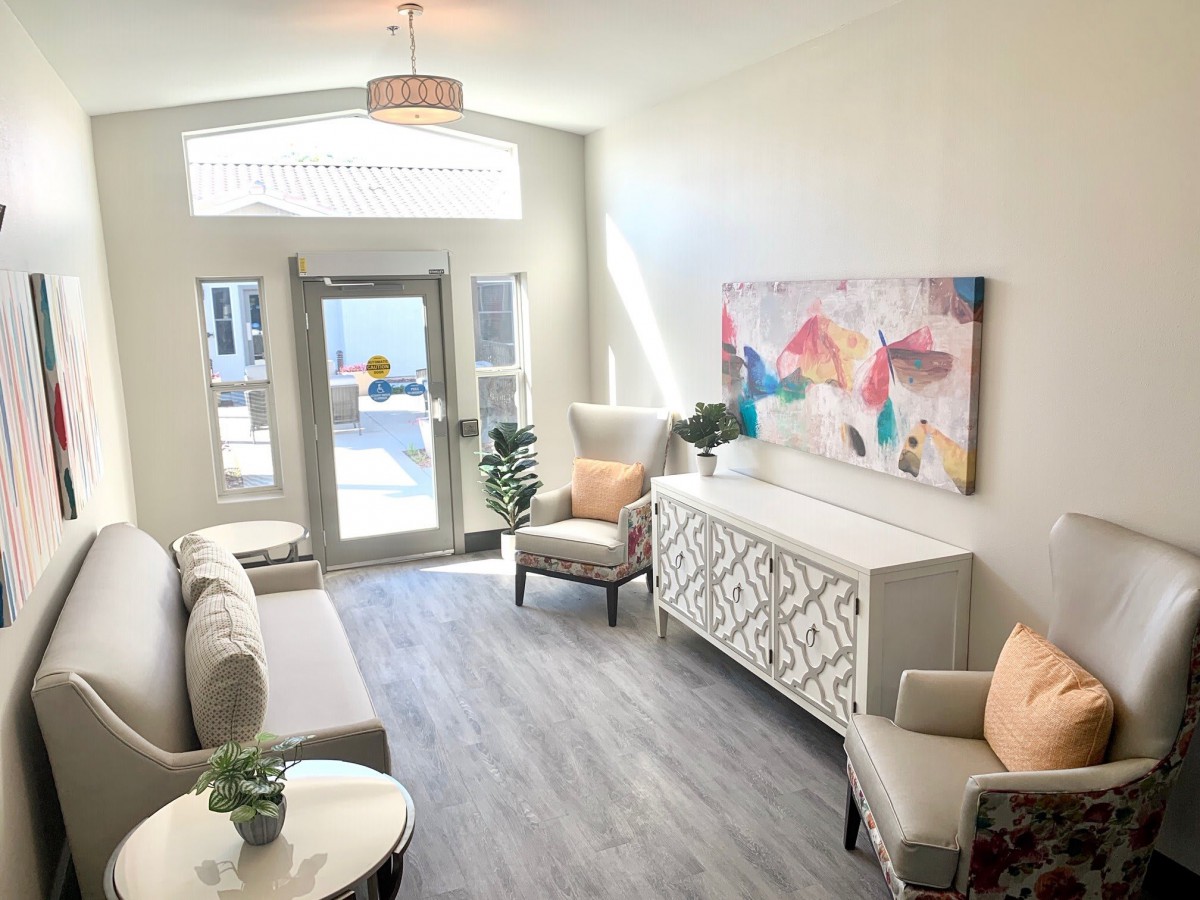
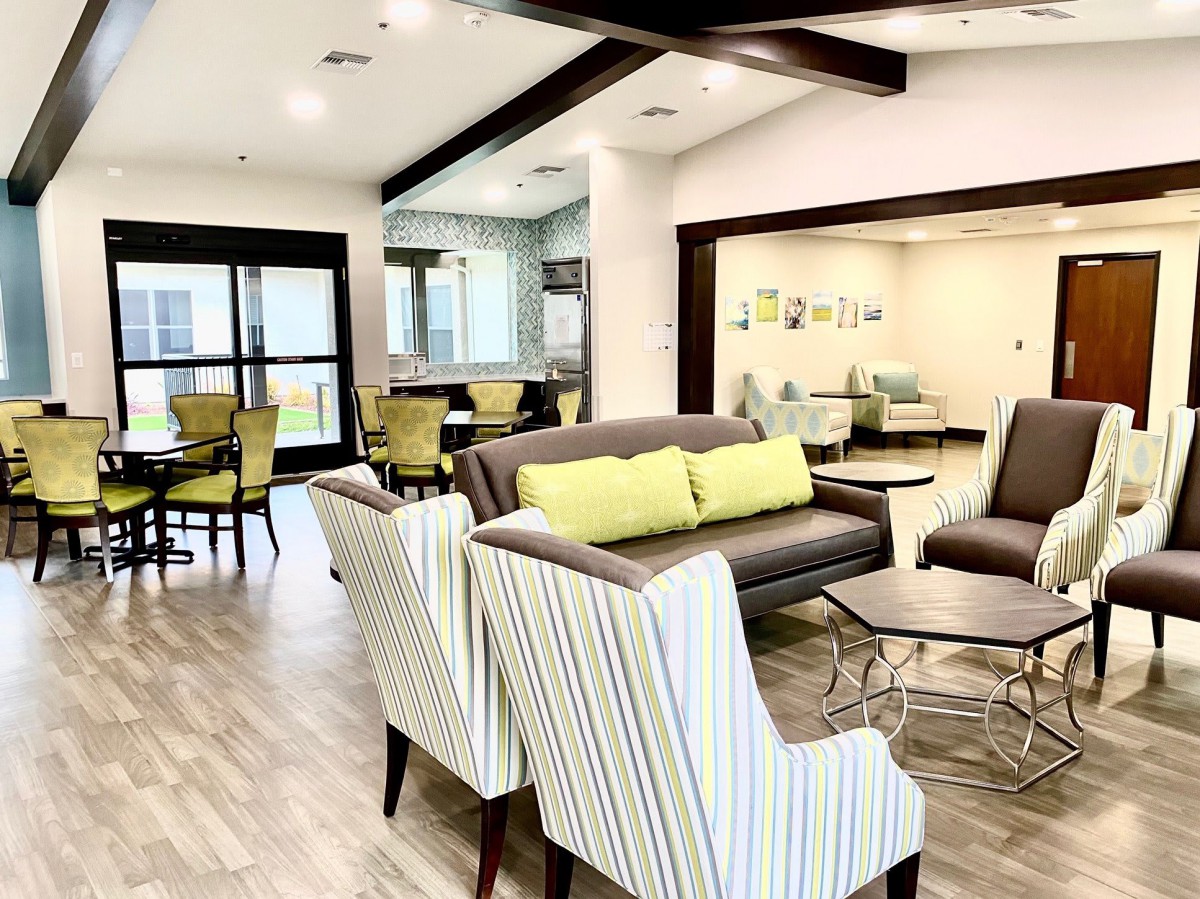
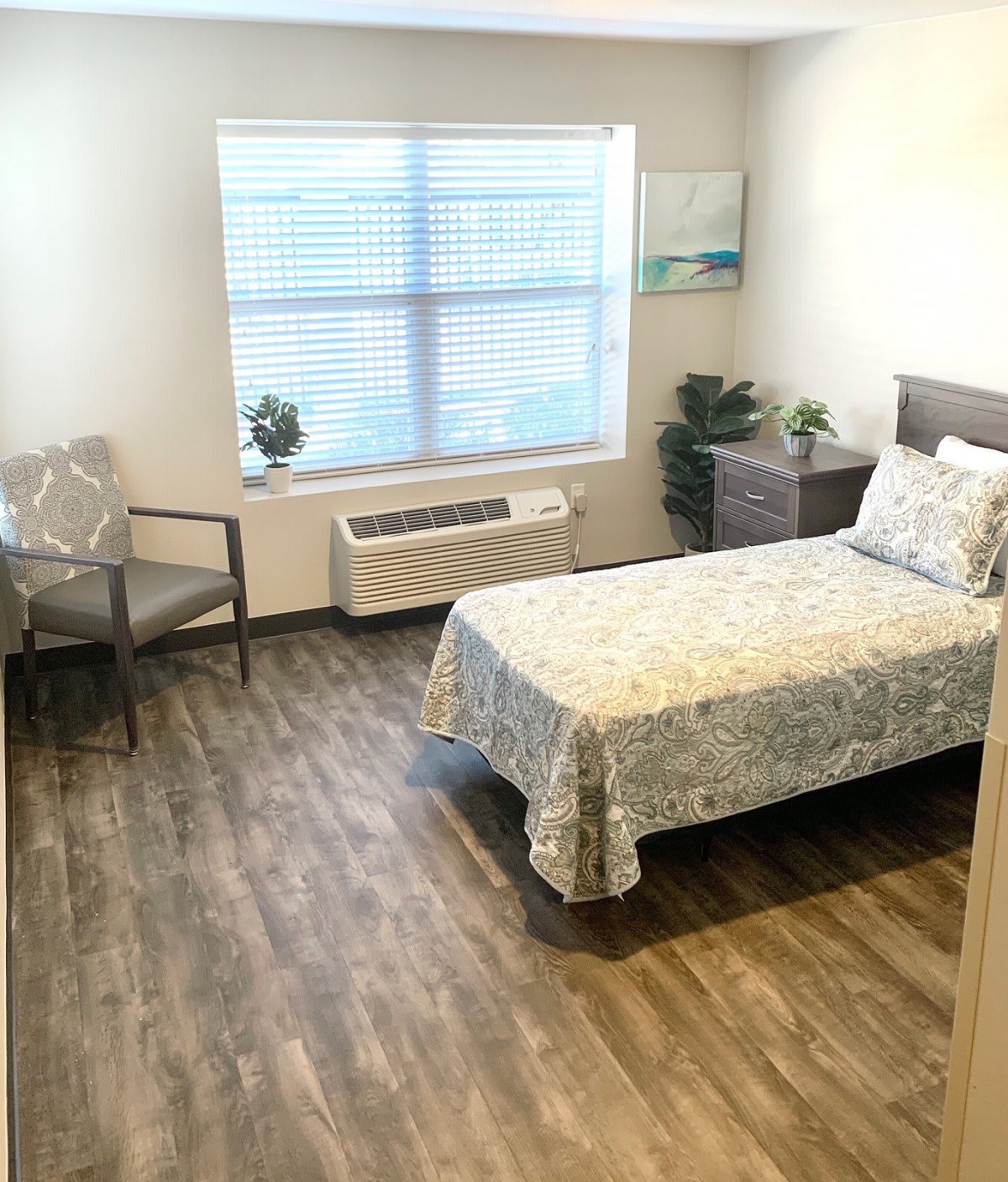
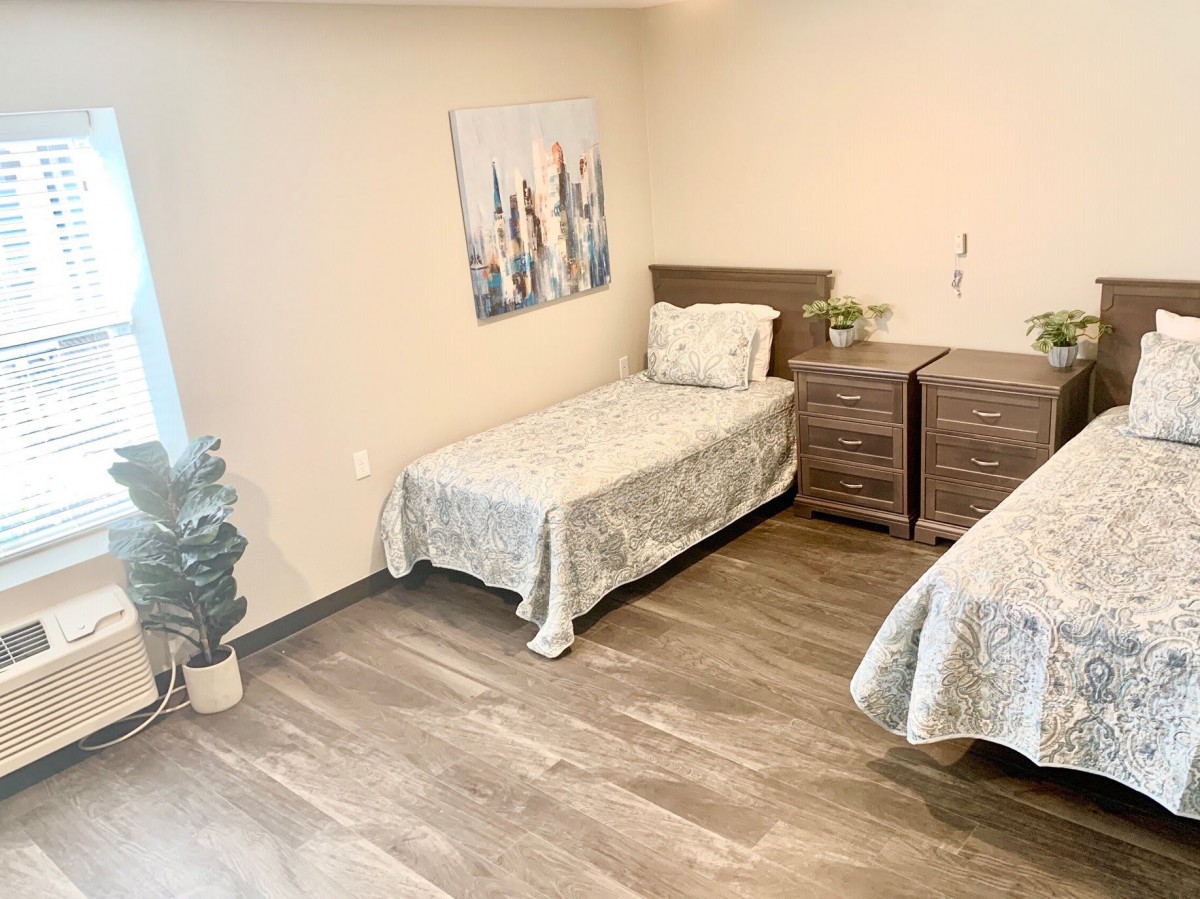
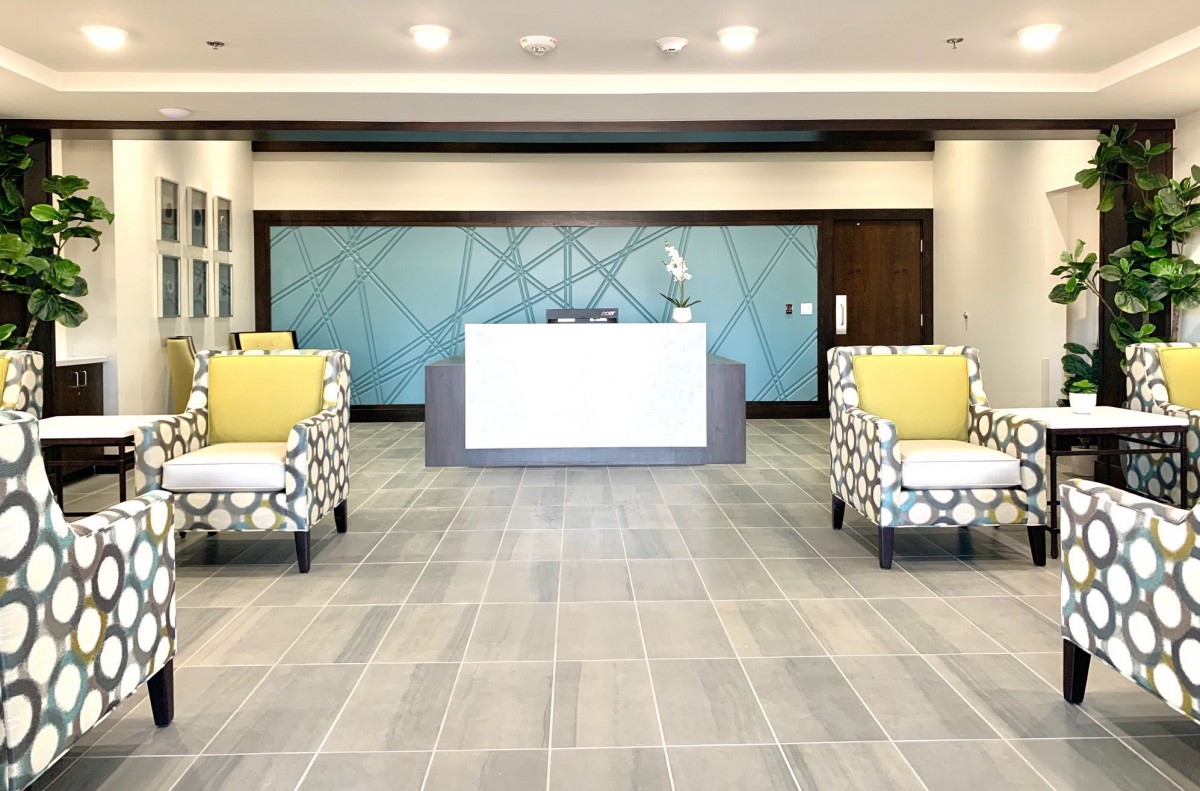
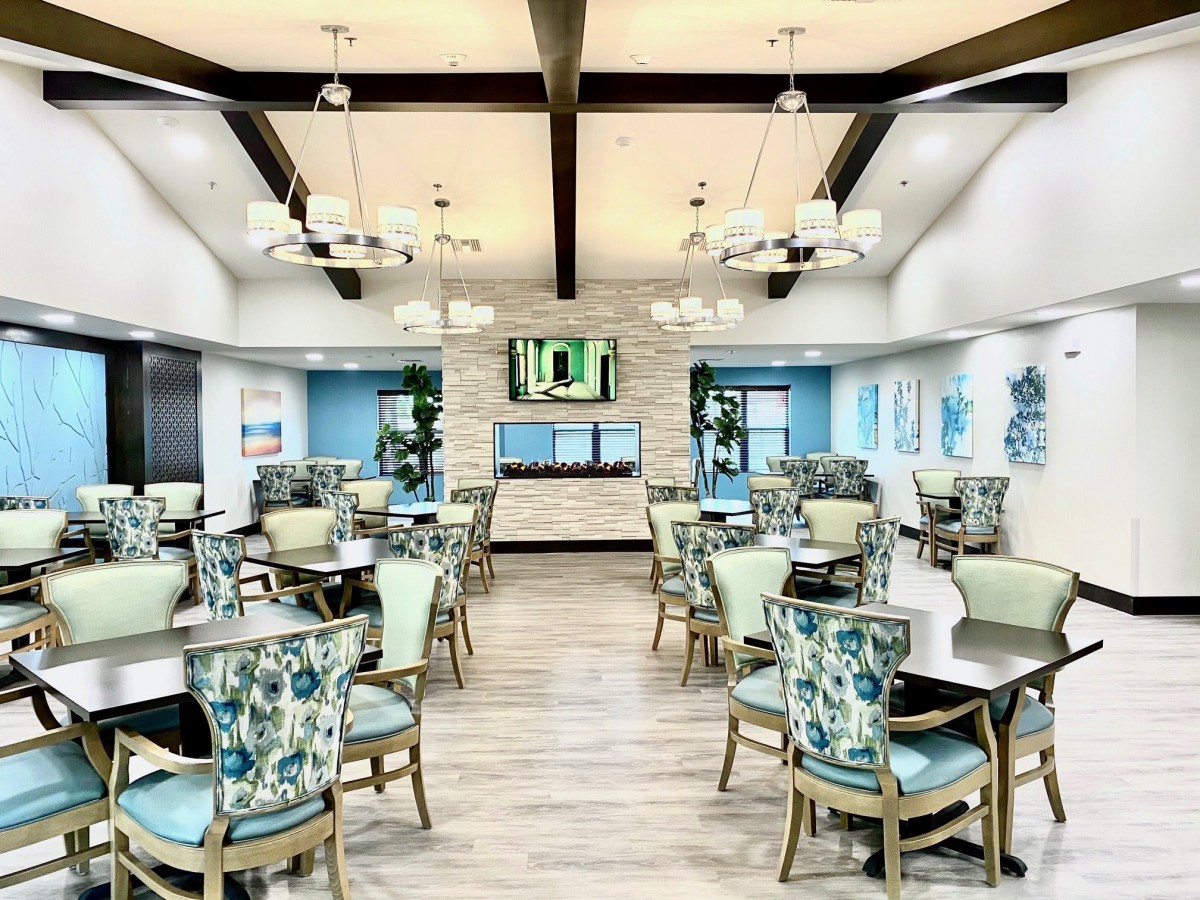
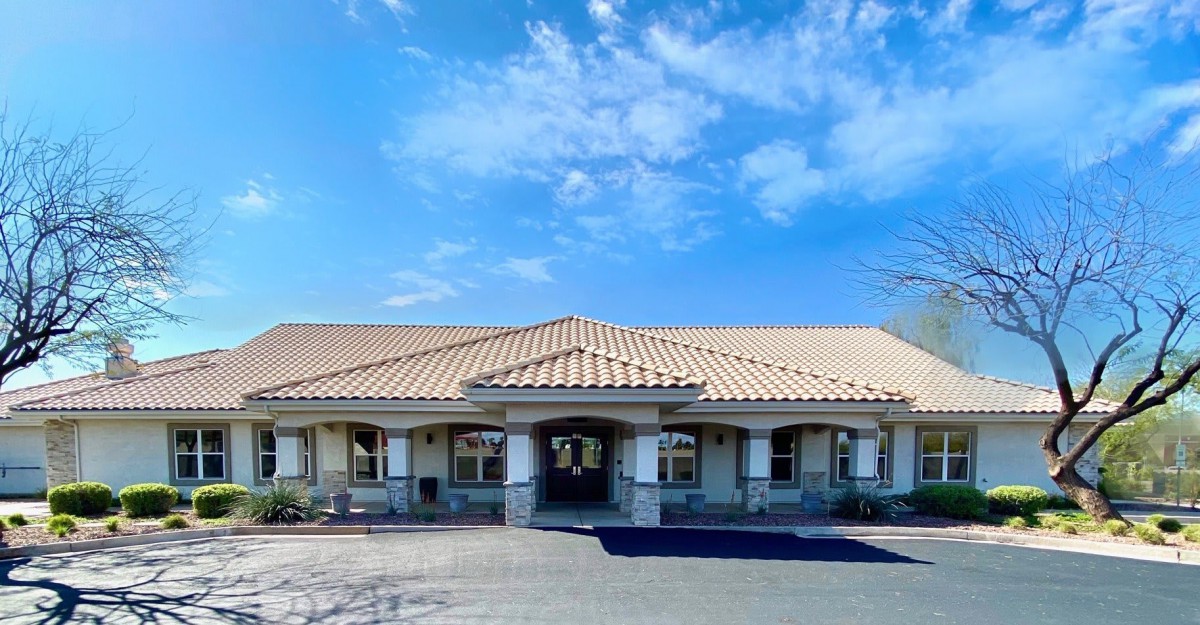
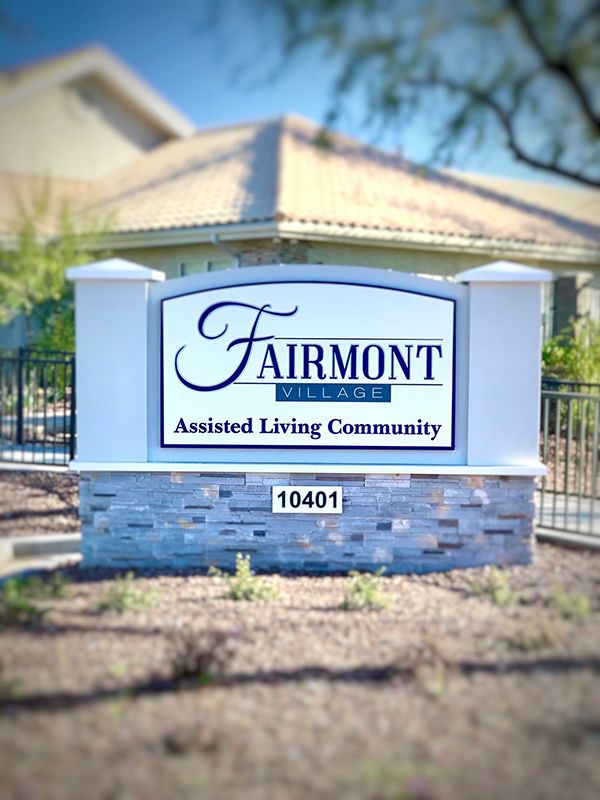
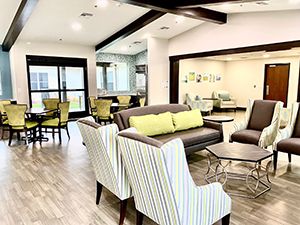
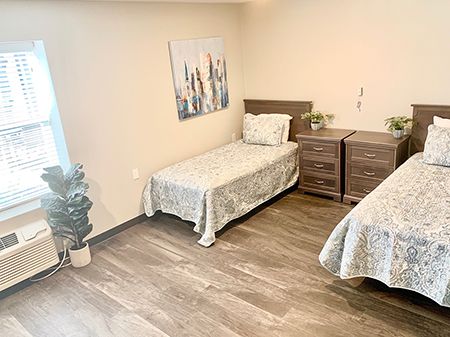
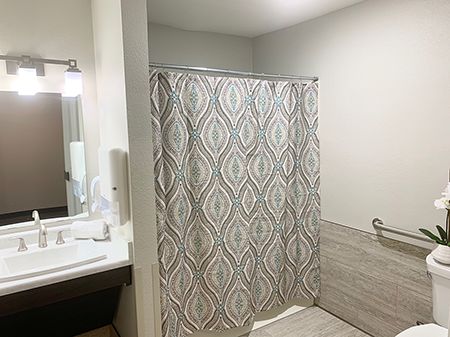
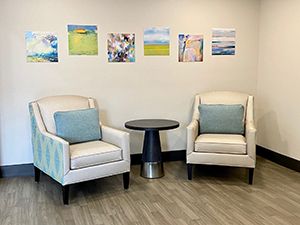
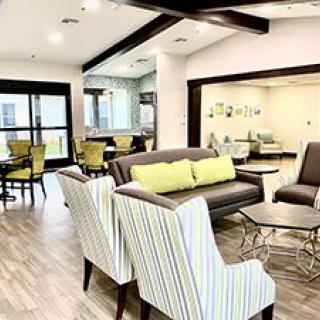
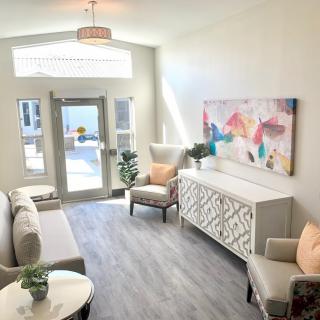
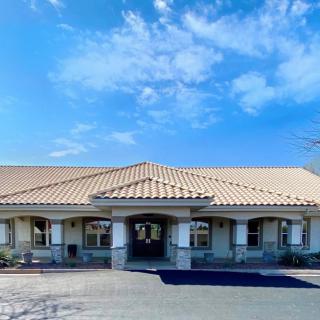
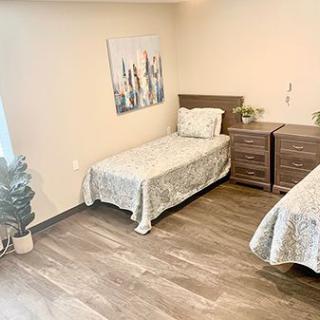
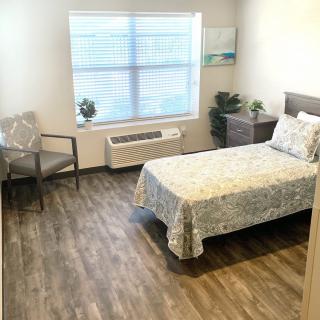
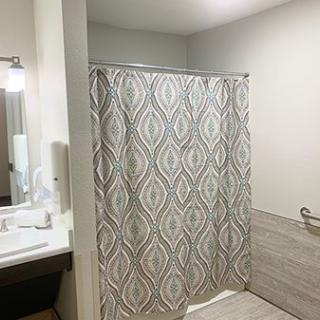
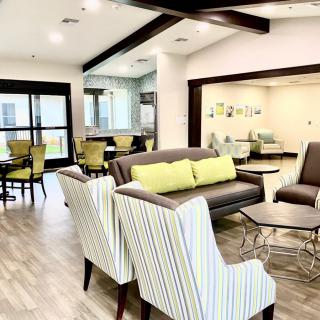
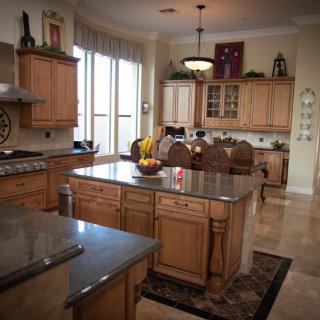
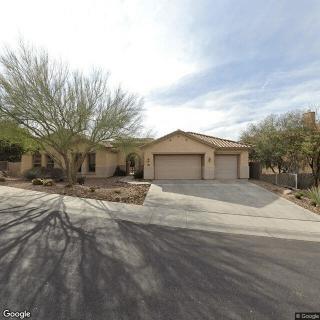
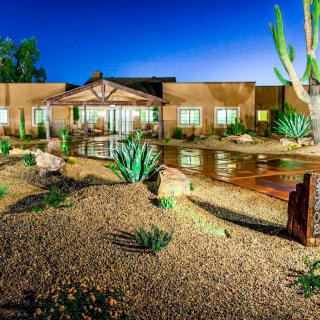
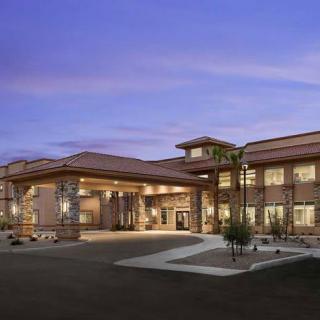
Fairmont Village on seniors.fyi includes 18 photos including images showing interior, decor, bedroom, lobby, artwork, dining, waiting area, seating area, and more.
Nearby Communities
Maria's Adult Care Home
Peoria, AZ
4 from 2 reviews
$2,000 / month
Clean, well-maintained facility with spacious, comfortable rooms.
St. Therese Assisted Living Home
Peoria, AZ
4.7 from 3 reviews
$2,000 to $2,400 / month
Clean, inviting environment with a pleasant outdoor space and attentive staff.
St Therese Adult Care Home
Peoria, AZ
Small, personalized care with 24/7 supervision, ADL assistance, and medication management.
Little Touch Of Europe
Peoria, AZ
4.9 from 115 reviews
Personalized care with tailored activities in a warm, home-like European-inspired setting.
Jane's Place
Peoria, AZ
3 from 2 reviews
$2,000 to $2,500 / month
Attractive aesthetics and a cozy private room.
Desert Haven Assisted Living Home
Peoria, AZ
5 from 9 reviews
Home-like setting with comprehensive care and nutritious meals
MorningStar Senior Living at Golden Ridge
Peoria, AZ
4.4 from 119 reviews
$3,215 to $4,838 / month
Comfortable, well-kept community with engaging activities and independent living options.
Paseo Village
Peoria, AZ
3.6 from 41 reviews
$2,950 / month
Caring staff with engaging memory-care activities and recently improved renovations.
Glencroft
Glendale, AZ
4 from 161 reviews
$1,995 to $3,995 / month
Friendly, attentive staff with engaging activities and strong value.
The article emphasizes the significance of establishing a power of attorney for elderly parents to enable an agent to make decisions on their behalf regarding health and finances, especially during cognitive or physical decline. It outlines various types of power of attorney, the importance of consulting legal professionals, and the responsibilities and challenges faced by agents, while also discussing alternatives and common misconceptions.
Caregiver support groups are crucial for providing emotional and practical assistance to those caring for loved ones, offering resources, coping strategies, and a sense of community through various organizations and platforms. These groups help alleviate isolation and burnout while addressing the unique challenges faced by caregivers of individuals with specific conditions.
The guide outlines the complexities of Medicaid coverage for assisted living, highlighting significant state-to-state variations, limited coverage often restricted to personal care services, and the existence of specialized waivers for certain needs like memory care. It advises families to consult local Medicaid offices for options while emphasizing the importance of understanding state-specific regulations and facility policies.
Get PricingAsk A QuestionSchedule A TourContact Senior Advisor
By clicking submit, you agree to our Partner's Terms of Use. You
also consent to receive calls and texts, which may be autodialed, from our Partner. Your consent is not a condition to
using our Partner's service. Please visit our Partner's Privacy Policy for information about their privacy practices.











 90 resident community capacity
 Studio apartments
 Assisted Living
 Memory Care
 Activities off-site
 Air-conditioning
 Beauty salon
 Cable or satellite TV
 Computer center
 Devotional services off-site
 Dining room
 Fitness room
 Fully furnished
 Gaming room
 Garden
 Ground floor units
 Handicap accessible
 Housekeeping services
 Indoor common areas
 Kitchenette
 Move-in coordination
 Outdoor common areas
 Private bathrooms
 Respite or short term stays offered
 Restaurant-style dining
 Small library
 Telephone
 Wellness center
 Wheelchair accessible showers
 Wi-Fi/high-speed internet available
 Phoenix Sky Harbor International (16 miles away)
 Community operated transportation
 12-16 hour nursing
 24-hour call system
 Assistance with bathing
 Assistance with dressing
 Assistance with transfers
 Diabetes diet
 Diabetic care
 High acuity care
 Incontinence care
 Medication management
 Mental wellness program
 Special dietary restrictions
 Transportation arrangement (medical)
 Art classes
 Bible study group
 Concierge services
 Cooking classes
 Jewish services
 Planned day trips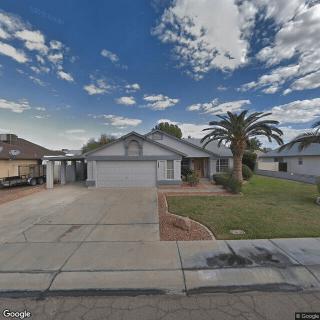
 Clean, well-maintained facility with spacious, comfortable rooms.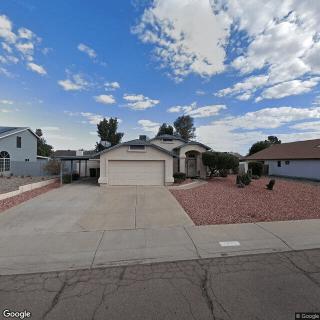


 Guiding Your Journey: Understanding Power of Attorney for Elderly Parents
 22 Remarkable Caregiver Support Groups Available Online and In-Person
 Understanding Medicaid Coverage for Assisted Living: A Comprehensive Guide