

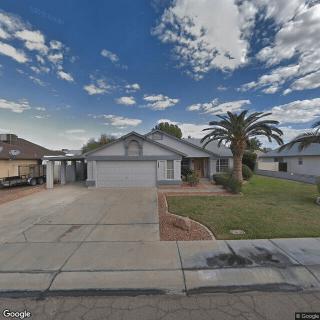
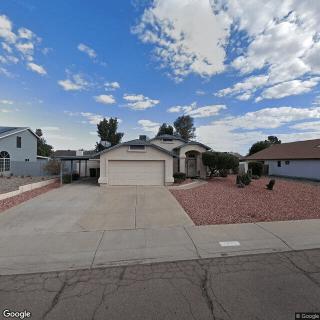
8002 W Grant St, Peoria, AZ 85345
To contact a resident: (623) 332-8024
For more information about senior living options: (866) 208-4318
Jane's Place Costs & Pricing
At Jane's Place, the monthly costs for accommodations reflect a competitive pricing structure within both Maricopa County and the broader state of Arizona. For a semi-private room, residents can expect to pay $2,000 per month, which is significantly lower than the county average of $2,801 and the state average of $2,820. Similarly, those seeking more privacy will find Jane's Place's private rooms priced at $2,500, offering substantial savings compared to Maricopa County's average of $3,318 and Arizona's statewide average of $3,345. This strategic pricing positions Jane's Place as an attractive option for individuals seeking quality care without compromising their budget.
| Floor plans | Jane's Place | Maricopa County | Arizona |
|---|---|---|---|
| Semi-Private | $2,000 | $2,801 | $2,820 |
| Private | $2,500 | $3,318 | $3,345 |
Senior living communities with a similar price nearby
-
About the same
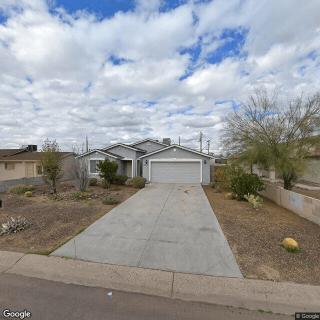
Garcia's Assisted Living Home LLC
$2,000 / month17.1 miles away -
About the same
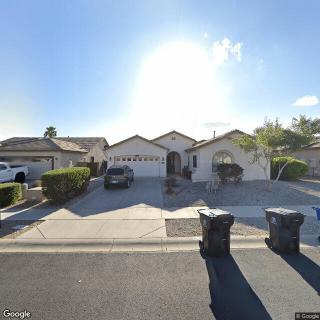
All Stars Assisted Living
$2,000 to $2,500 / month10.5 miles away -
About the same

Genesis Assisted Living Care Home
$2,000 to $2,500 / month19.3 miles away -
from +$200 / mo

Bent Tree Assisted Living
$2,200 to $3,200 / month10.5 miles away -
from +$300 / mo
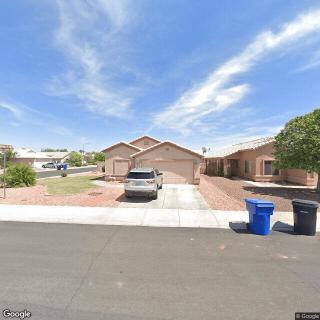
Crystal Rose Assisted Living Home
$2,300 / month8.8 miles away
Overall Review of Jane's Place
Pros
 The home is very nice.
Cons
 The private room seems a little small.
- There isn’t much living room space.
- The location is uncertain.
- The reviewer is unsure about the two live-in helpers.
Review
Jane’s Place in Peoria, AZ is best suited for seniors who prize a warm, home-like atmosphere and personal privacy over a bustling, socialized, institutional setting. The property conveys a residential feel that can be comforting for residents who prefer a quieter pace and a more intimate living arrangement. Those who can tolerate a smaller private room and limited shared lounging space will likely find the ambiance pleasing and manageable. In short, this is a practical option for individuals who want a cozy, house-style environment and are comfortable with a modest footprint rather than a resort-like senior community.
Some residents or families may want to step back and consider alternatives, particularly if certain basics are non-negotiable. If a verified, easy-to-find location matters for frequent visits, if a larger private room or more expansive living areas are essential, or if a clearly defined, robust live-in staffing plan is a must, then other communities deserve serious consideration. The absence of widely known common areas and the lack of clarity around staffing make this option less attractive for those who expect high visibility, easy navigation, and predictable daily care. In such cases, exploring options with stronger floor plans and transparent operational details is prudent.
The two most prominent positives here are the perception of a very nice, home-like setting and the inherent privacy afforded by a private room. The home feel can support a sense of comfort, security, and routine, which matters greatly for residents who prefer less antiseptic surroundings and a familiar, domestic rhythm. However, the flipside is a private room that runs small and a limited amount of living room space. For someone who hosts family visits, participates in group activities, or relies on spacious common areas for social engagement and mobility support, the design can feel cramped. The uncertainty around how many live-in aides are available adds a notable risk factor when care needs might scale.
Those pros do not vanish in a vacuum, but they do require careful weighing against the cons. A homey atmosphere can offset a cramped private room if the resident values privacy and a nonclinical vibe over generous communal space. For a resident who mostly prefers solitary time or short, routine visits with family, the intimate setting may even enhance safety and ease of monitoring. Yet the limited common areas and the lack of clarity about staffing, especially live-in coverage, could undercut daily reliability and social engagement, potentially making this option less suitable for someone who relies on regular assistance or on a more active, communal living experience to stay engaged.
For families evaluating this choice, a structured, practical decision process is essential. Request a detailed floor plan to verify room dimensions and assess whether the private room can be adjusted or supplemented with additional storage or small furnishings to improve comfort. Seek direct conversations with staff about live-in availability, daily care routines, and response times, and ask for current resident references who can speak to staffing reliability. If possible, arrange an in-person visit to observe how the common areas feel, how staff interact with residents, and whether the layout supports safe movement and social opportunities. Concrete answers in these areas will illuminate whether the home-like appeal meets real-world care needs.
In final assessment, Jane’s Place serves a distinct niche: a home-style, privacy-friendly setting for residents who value quiet, predictable routines and can live with smaller private quarters and limited shared space. It is less compelling for those who require obvious, generous common areas, unequivocal location reliability, or a transparent, robust live-in care framework. Families should clearly map care needs against the environment and be prepared to explore alternatives if location clarity, room size, or staffing transparency becomes a deciding factor. For the right resident, the warmth of the atmosphere can compensate for its modest scale; for others, it will tilt the decision toward a more traditional, demonstrably well-staffed, and easier-to-navigate community.
 Board and Care Home
 Activities off-site
 Bath tubs
 Beautician on-site
 Indoor common areas
 Outdoor common areas
 Private
 Private bathrooms
 Respite or short term stays offered
 Wheelchair accessible showers
 Phoenix Sky Harbor International (16 miles away)
 Ambulatory care
 Diabetic care
 High acuity care
 Medication management
 Kosher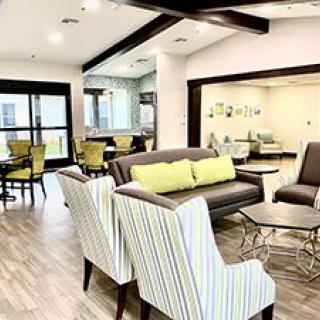


 Exploring Palliative Care in the Home: A Comprehensive Overview
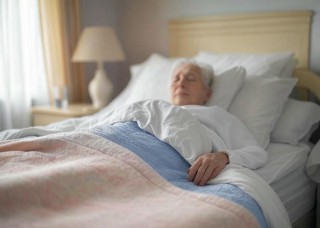 Comprehensive Insights into Palliative Home Care: What It Is and What to Expect
 Skilled Nursing Facilities vs. Nursing Homes: Making Sense of the Differences