
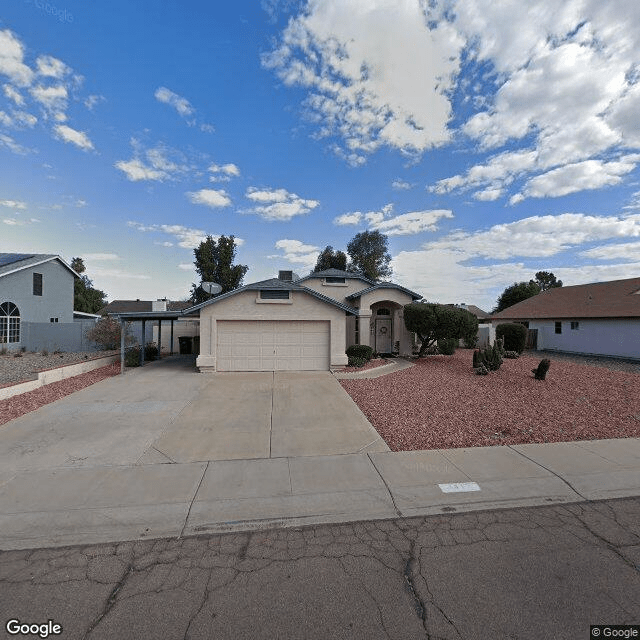
7842 W Brown St., Peoria, AZ 85345
To contact a resident: (623) 792-5166
For more information about senior living options: (866) 208-4318
St. Therese Assisted Living Home Costs & Pricing
St. Therese Assisted Living Home offers competitive pricing for its residents, particularly when compared to the broader Maricopa County and state averages in Arizona. The monthly cost for a semi-private room at St. Therese is $2,000, significantly lower than the county average of $2,801 and the state average of $2,820. For those seeking more privacy, a private room at St. Therese is available for $2,400, which again stands out as more affordable than both the Maricopa County average of $3,318 and the Arizona state average of $3,345. This makes St. Therese not only an attractive option in terms of care services but also a financially appealing choice for families exploring assisted living accommodations.
| Floor plans | St. Therese Assisted Living Home | Maricopa County | Arizona |
|---|---|---|---|
| Semi-Private | $2,000 | $2,801 | $2,820 |
| Private | $2,400 | $3,318 | $3,345 |
Senior living communities with a similar price nearby
-
About the same
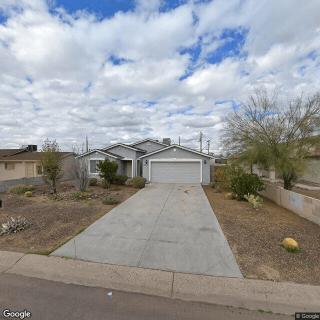
Garcia's Assisted Living Home LLC
$2,000 / month16.6 miles away -
About the same
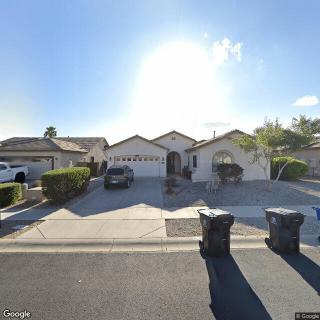
All Stars Assisted Living
$2,000 to $2,500 / month10.7 miles away -
About the same

Genesis Assisted Living Care Home
$2,000 to $2,500 / month19.4 miles away -
from +$200 / mo

Bent Tree Assisted Living
$2,200 to $3,200 / month11.0 miles away -
from +$300 / mo
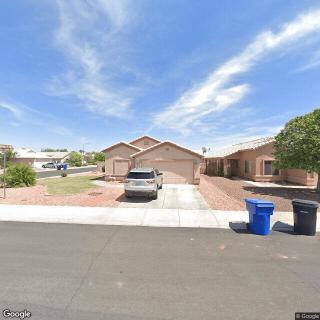
Crystal Rose Assisted Living Home
$2,300 / month9.2 miles away
Overall Review of St. Therese Assisted Living Home
Pros
 The home is great and clean.
- It has a nice backyard for residents.
- The community is recommended to family and friends.
- The staff are wonderful.
- Mom is settling in well.
- There is a variety of food choices with no complaints about the taste.
- The place was very clean; the bedrooms, bathrooms, and kitchen were spotless.
Cons
 Current residents are on the lower level of functionality.
- She is not able to participate in any of the activities offered due to her health.
Review
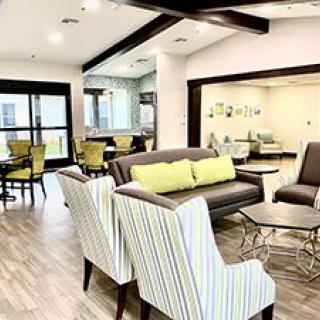
St. Therese Assisted Living Home in Peoria, AZ is best suited for families seeking a small, home-like setting where cleanliness, dignity, and attentive support take priority. This community reads as a warm, residential option rather than a clinical campus, with a clear emphasis on comfort and an inviting living space. It is especially well matched to residents who need assistance and are operating at a lower level of function, rather than those pursuing independence or high-intensity medical oversight. For seniors who require frequent clinical intervention or more expansive programming, this may not be the right fit; for many families, however, it delivers a reassuring, manageable level of care in a cozy, domestic environment.
If choosing among options, alternatives should be considered for those prioritizing robust daily programming, memory-care specialization, or higher staff-to-resident ratios. Families focusing on larger campuses with structured activity schedules, extensive on-site therapy, or comprehensive 24/7 nursing supervision may find other facilities better aligned with those needs. Those with residents who require frequent advanced medical care or unpredictable mobility should verify the scope of on-site medical services and how quickly staff can respond. St. Therese shines in warmth and cleanliness, but prospective residents should ensure the care model matches the anticipated medical and social demands.
Pros clearly stand out. Cleanliness is the dominant theme across observations, with multiple notes describing an impeccably spotless home, bedrooms, bathrooms, kitchen, and even common areas feeling fresh and odor-free. The inviting atmosphere is reinforced by a pleasant backyard, which supports light outdoor time and simple, routine engagement. Food choices receive constant praise, with families reporting variety and satisfaction with taste. Staff are regularly described as wonderful, delivering dependable, compassionate support that helps move-in and daily routines run smoothly. The line about current residents being at a lower level of functionality signals that the home is comfortable managing moderate care needs without an institutional feel, which reassures families seeking dignity and ease in a caregiving environment.
There are implicit caveats to consider. While the reviews are overwhelmingly positive, there is a suggestion that not all residents will participate in every activity, particularly when health limitations are pronounced. This implies activities may be adapted or abbreviated for mobility or cognitive status, rather than offering a full spectrum of engagement for everyone. For families seeking highly active social calendars or specialized therapies, the absence of explicit programming details should prompt a careful inquiry. Additionally, there is limited public information about on-site nursing hours, medication management, or explicit memory-care capabilities, so a tour and direct conversations are essential to validate fit for specific health requirements.
The positives offset the potential gaps in several meaningful ways. A spotless, home-like environment reduces stress around transitions and supports quicker acclimation for residents. Consistently strong staff and a warm, responsive approach translate into reliable daily support and transparent communication with families, which is invaluable when navigating care plans. Excellent dining options alleviate a common concern about quality of life in assisted living and help maintain appetite and enjoyment in daily routines. The combination of cleanliness, staff warmth, and a comfortable outdoor setting often compensates for any shortfall in formal programming, particularly for residents whose needs are well-matched to a smaller, more intimate caregiving model.
Bottom-line guidance: St. Therese Assisted Living Home represents a compelling choice for families prioritizing a clean, home-like atmosphere with dependable staff and solid meal options for residents who require assistance but do not demand intensive medical oversight. It is an especially strong fit for loved ones functioning at a lower level of independence who value personal attention, ease of transition, and a domestic setting. Those evaluating alternatives should compare memory-care oriented facilities or larger campuses offering more active programming and clearer medical oversight. The next step is a focused, in-person visit to assess staff responsiveness, daily scheduling, and how the specific care plan addresses mobility, meals, and activity adaptation to the residentā€™s health status.
 Board and Care Home
 Cats allowed
 Dogs allowed
 Activities on-site
 Bath tubs
 Devotional services on-site
 Indoor common areas
 Outdoor common areas
 Private
 Respite or short term stays offered
 Wheelchair accessible showers
 Phoenix Sky Harbor International (16 miles away)
 Ambulatory care
 Diabetic care
 High acuity care
 Incontinence care
 Kosher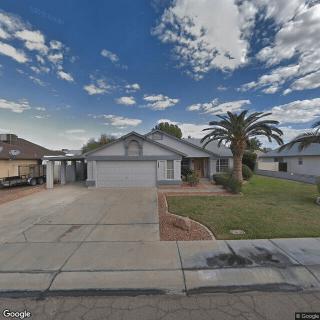


 California's Form 602A: An In-Depth Examination of Senior Care Assessment
 Comprehensive Look at Senior Blood Pressure Charts: Normal and Elevated Levels by Age
 Top Canine Companions for Older Adults