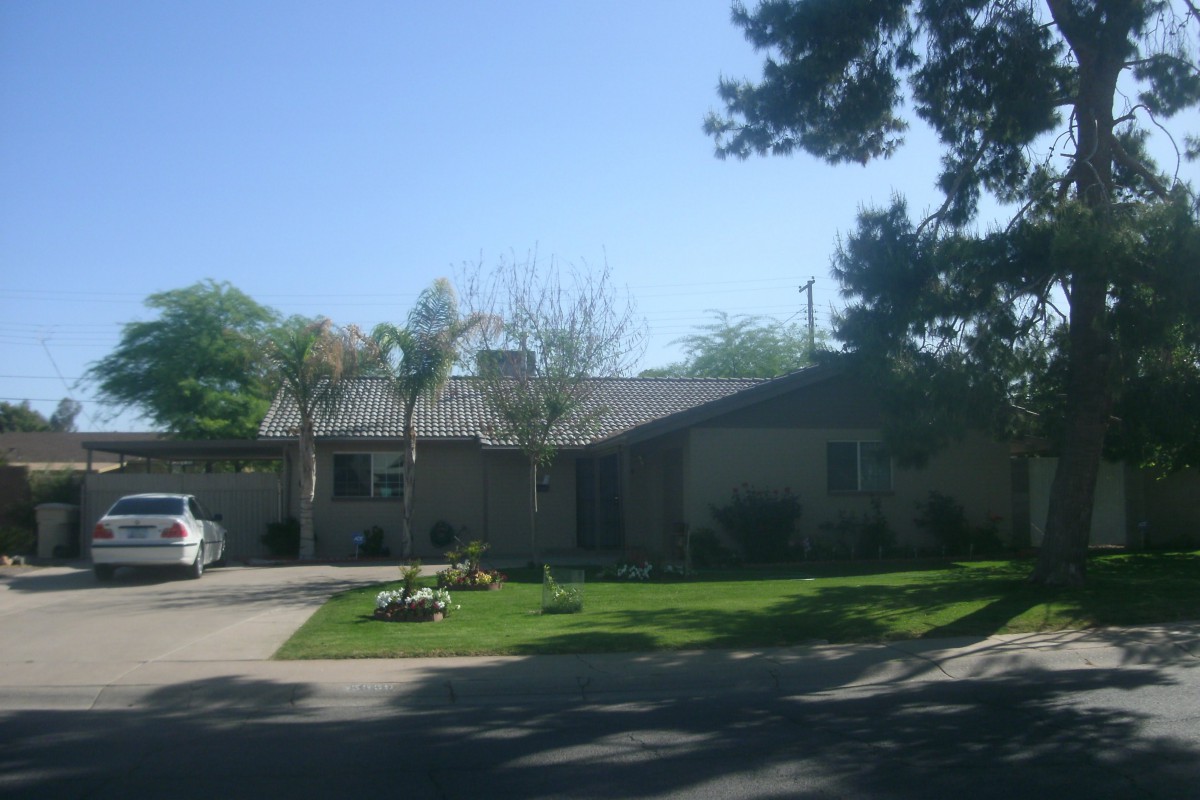

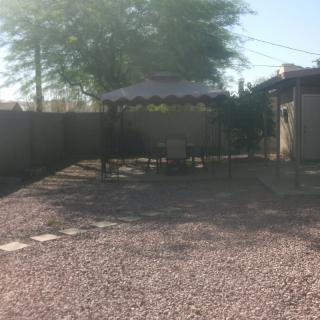


5559 North 62nd Drive, Glendale, AZ 85301
To contact a resident: (602) 481-4964
For more information about senior living options: (866) 208-4318
God's Angels Care Home Costs & Pricing
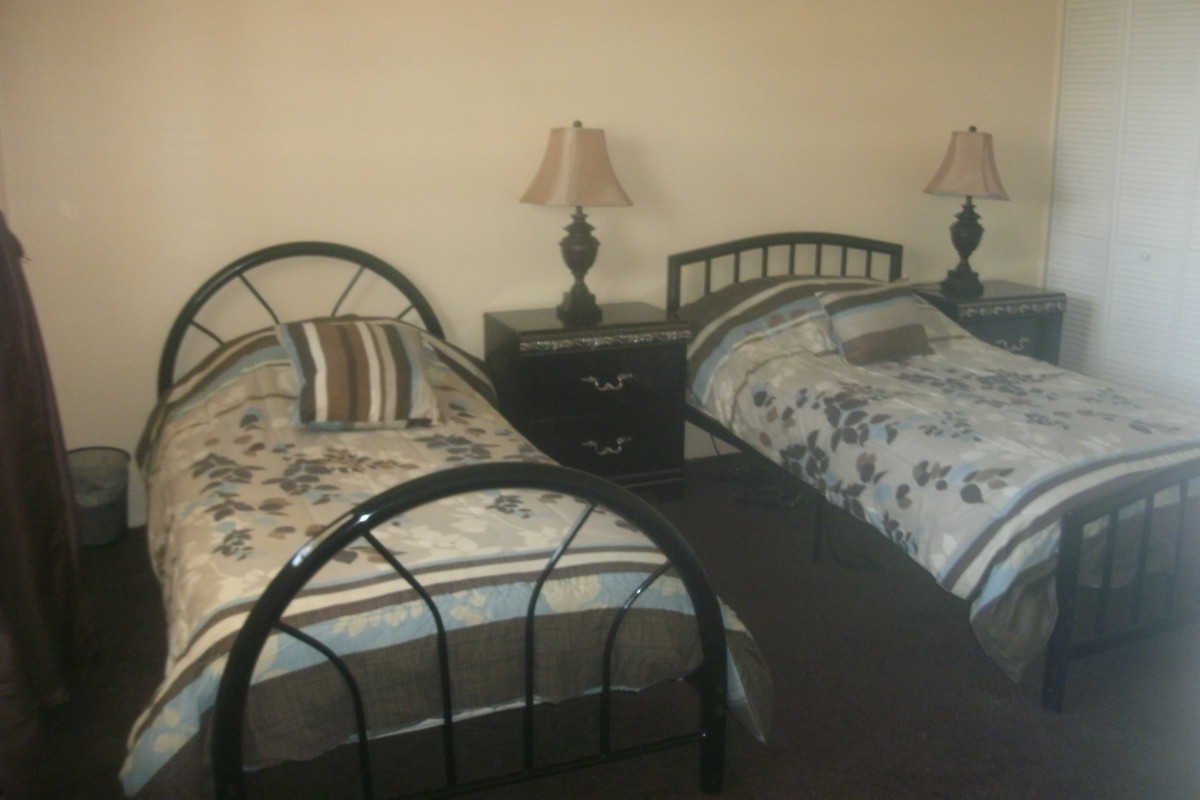
God's Angels Care Home offers competitive pricing for its residents, providing an attractive alternative to other options in Maricopa County and throughout Arizona. The semi-private rooms are available at $1,600 per month, significantly lower than the county average of $2,801 and the state average of $2,820. For those seeking more privacy, the private rooms are priced at $1,800 per month, which is also notably less than the county rate of $3,318 and the state average of $3,345. This cost-effective model not only ensures that residents receive quality care but also makes it financially accessible for families looking for supportive living arrangements.
| Floor plans | God's Angels Care Home | Maricopa County | Arizona |
|---|---|---|---|
| Semi-Private | $1,600 | $2,801 | $2,820 |
| Private | $1,800 | $3,318 | $3,345 |
Memory care communities with a similar price nearby
-
from -$205 / mo
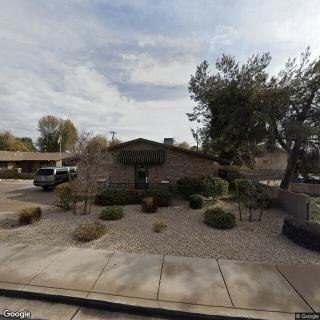
Heritage Lane Behavioral - East
$1,395 to $1,750 / month22.3 miles away -
from +$300 / mo

Maravilla Scottsdale
$1,900 to $6,130 / month17.9 miles away -
About the same

Westminster Village
$1,590 to $2,045 / month18.4 miles away -
from +$200 / mo
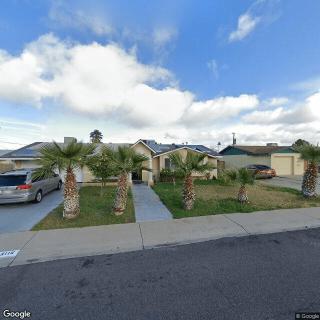
Silver Sunset Home Care
$1,800 to $2,200 / month7.6 miles away -
from -$100 / mo
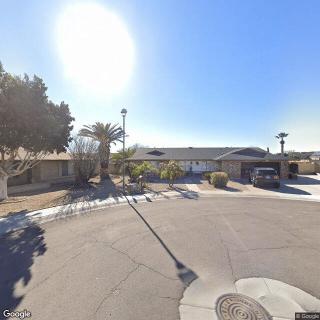
Haven Care Home
$1,500 / month12.2 miles away
Overall Review of God's Angels Care Home
Pros
 The care team is caring and compassionate, invaluable during the end of a loved one's life.
- The staff demonstrate consistency in accountability, staffing, and professionalism, and are reliable.
- The place is beautiful with wonderful people, thanked from the bottom of the heart.
- The team organized all appointments, making a difficult time easier to navigate and proving to be worth every penny.
Review
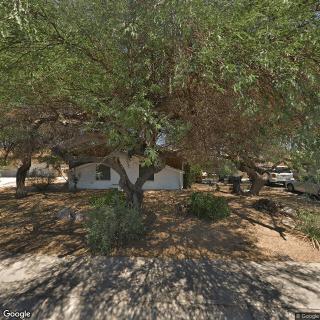
God's Angels Care Home in Glendale, Arizona is best suited for families facing end-of-life caregiving who want a small, homelike setting where compassion is not optional and care is thoughtfully coordinated. The community earns trust through a demonstrated ability to ease the logistics of caregiving during painful transitions, delivering a calm, personalized experience for both resident and family. The reviews emphasize a beautiful, welcoming environment, owners and staff who treat residents with dignity, and a team ready to step in with both warmth and practical support. For elders who value consistency, gentle routine, and direct access to attentive caregivers, this facility checks the most important boxes.
Those weighing alternatives should consider what happens when medical intensity or diverse programming is a priority. If continuous, on-site medical oversight, memory-care specialization, or more active social scheduling are non-negotiable, larger assisted-living communities or nursing-focused settings may suit better. The strength here lies in a tight-knit team that coordinates appointments, communicates clearly with families, and sustains reliability across shifts. But for residents who require frequent clinical interventions or highly structured medical management, the absence of a dedicated medical wing could be a meaningful drawback. In such cases, a facility with more in-house nursing staff may reduce stress and prevent delays in care.
The main advantages revolve around the caregiving ethos. Ciara and her team are repeatedly praised for compassion, organization, and the ability to manage appointments and complex schedules, which eases a heavy burden on families. Consistency in accountability and staffing emerges as a clear strength, translating into dependable day-to-day care. The ability to provide meaningful, person-centered attention appears to offset any concerns about the setting’s size or formal medical resources. When a family member was nearing the end of life, staff involvement was described as invaluable and worth every penny, signaling that the emotional and logistical supports are as robust as the care itself.
Residents benefit from a warm, aesthetically pleasing environment that feels like a home rather than a hospital. The reviews underscore beauty paired with genuine staff investment, people who show up consistently and treat residents with respect. This combination fosters a sense of security during what is often a tumultuous period for families, allowing conversations about care goals to unfold with less urgency and more clarity. The consistency in accountability and professionalism translates into fewer breakdowns in routine, smoother transitions between appointments, and fewer moments of uncertainty for loved ones. In short, the care experience centers on human connection, dependable scheduling, and a steady, dignified approach to life’s final chapters.
Potential limitations should be acknowledged even in a top-rated home. While the community excels at compassionate support and reliable staffing, it may not be the best fit for those who expect robust, round-the-clock clinical attention or a highly active, program-rich day. Prospective families should seek explicit confirmation about medical supervision levels, emergency protocols, and what happens after hours. The strongest offset comes from the staff’s commitment and the sense that families are kept informed and involved, which reduces the anxiety that accompanies serious illness. For many, those benefits far outweigh the need for a site with intensive medical services; for others, they may tilt the balance toward an alternative that emphasizes medical acuity and structured activity.
In sum, God's Angels Care Home stands out as a well-suited option for families seeking a compassionate, well-coordinated, home-like setting for end-of-life and palliative-focused care. Its strengths, caregiver empathy, dependable staffing, and thoughtful appointment management, create a reassuring, stable experience during some of the most challenging moments. Those who prize serenity, dignity, and a beautiful environment will likely consider this a superior choice. However, if the aim is constant clinical oversight or a more active social calendar, investigations into other communities are warranted. Meet the team, review care plans, and compare medical support before deciding.
 Board and Care Home
 Memory Care
 Activities on-site
 Beautician on-site
 Devotional services off-site
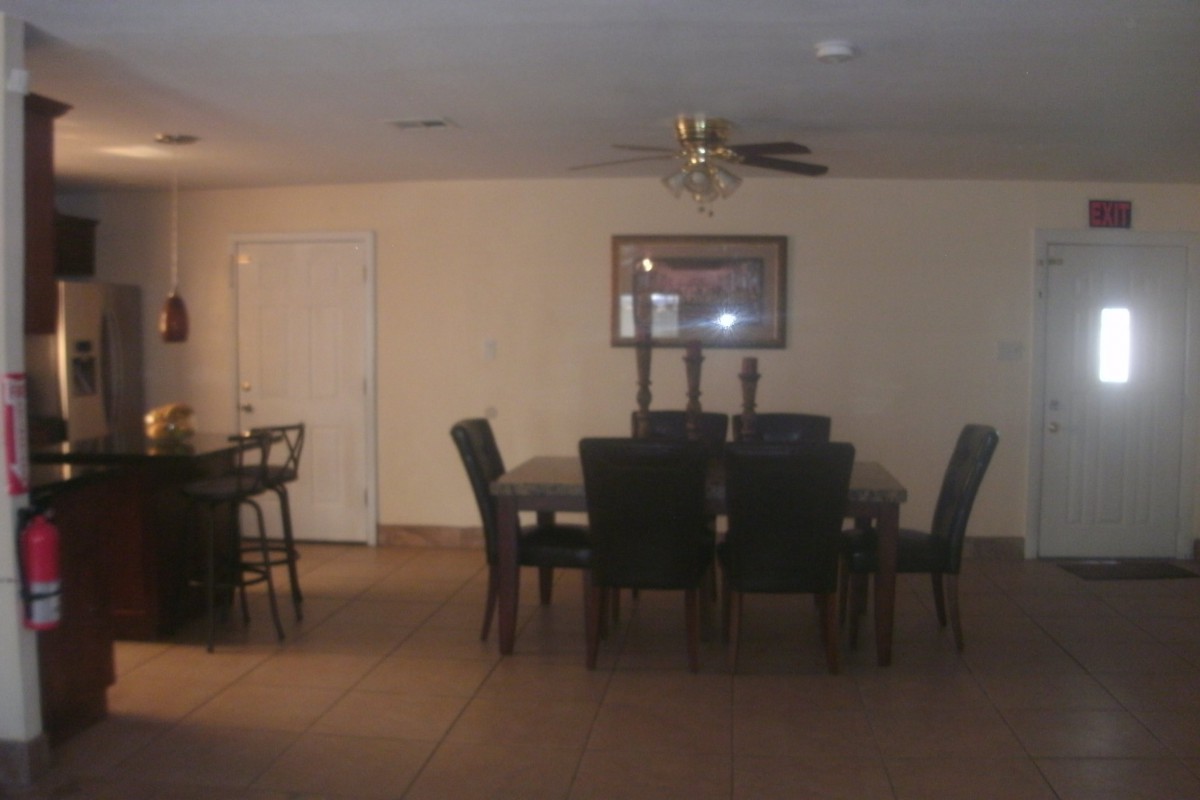
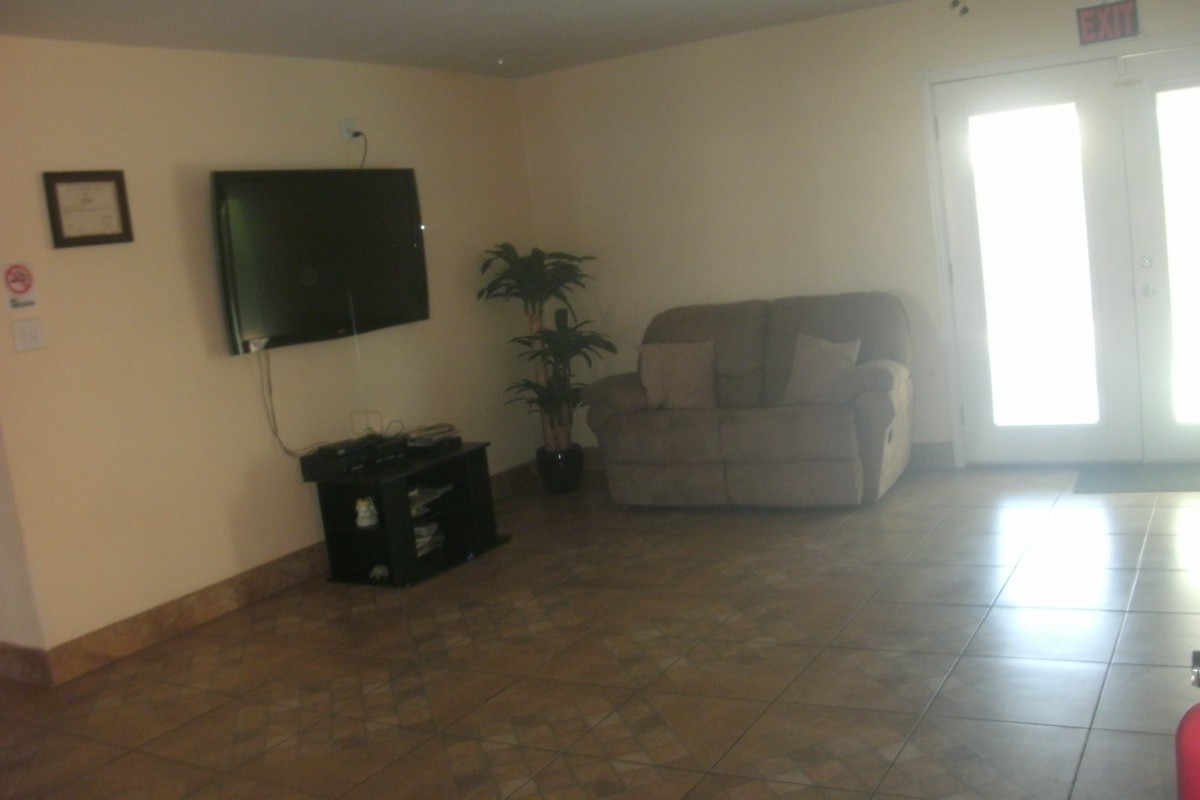
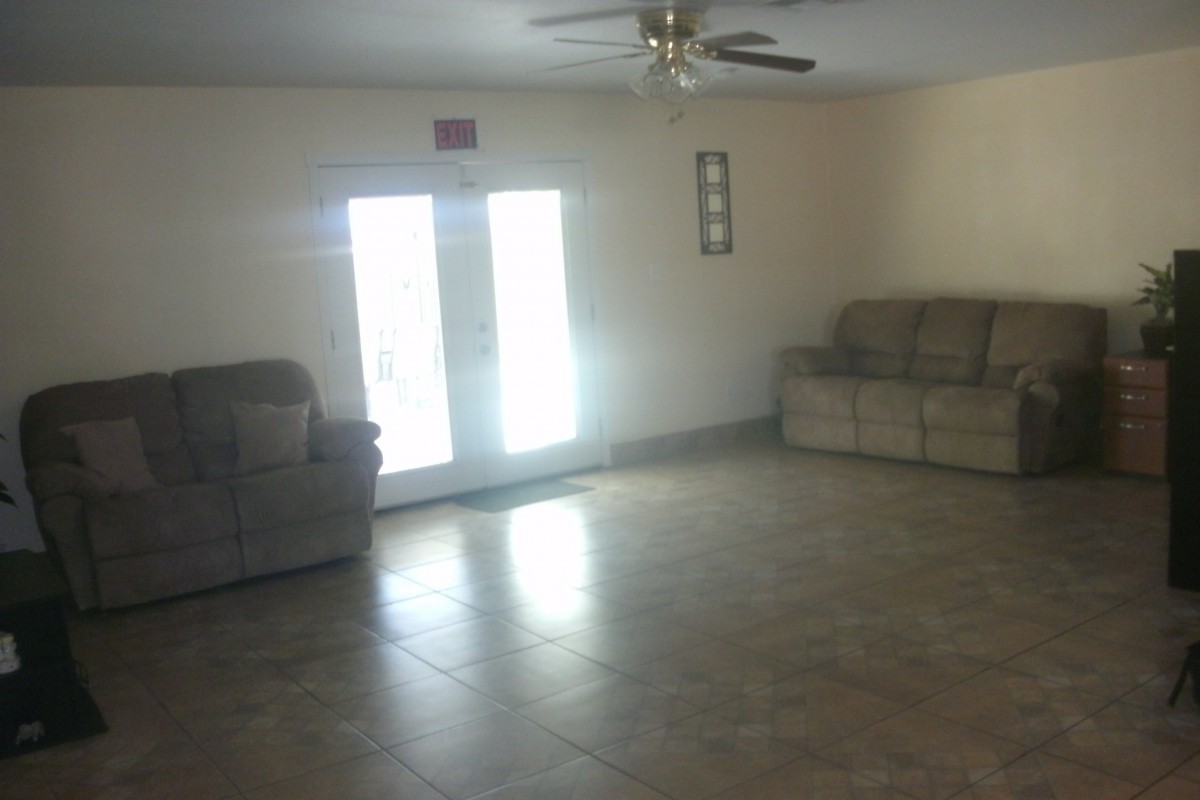
 Indoor common areas
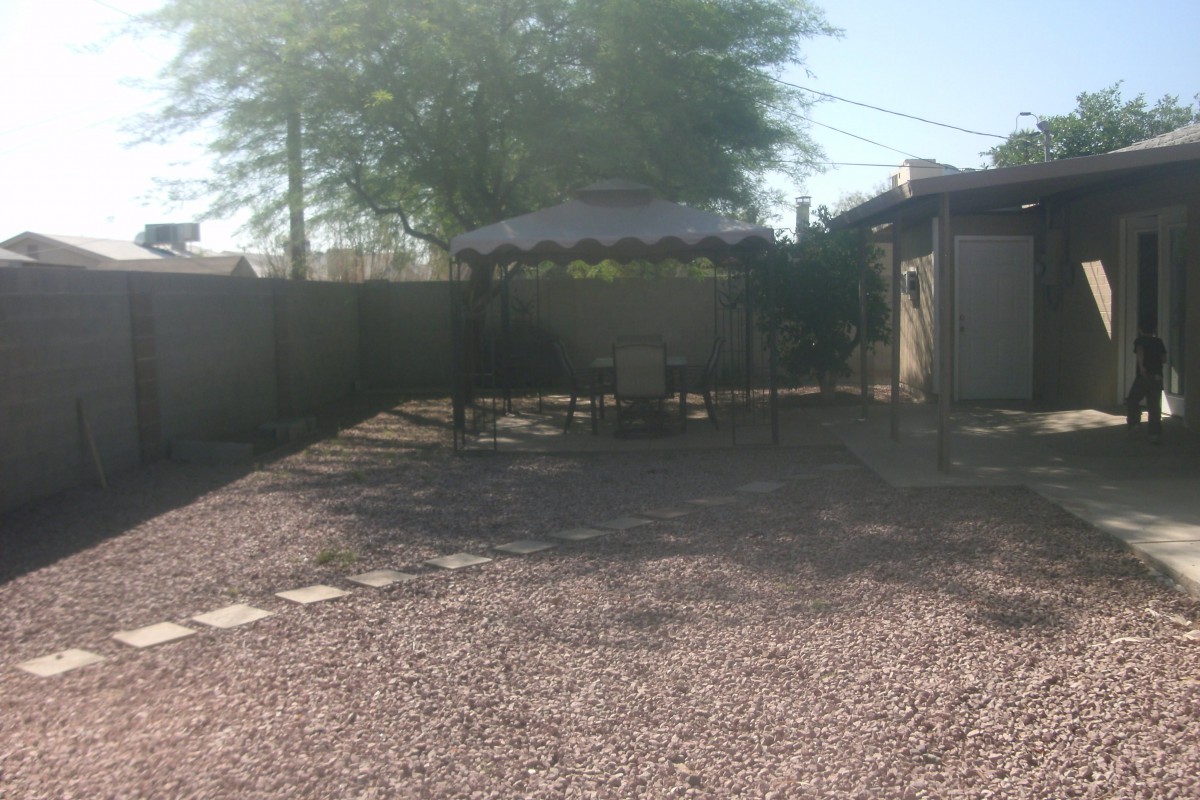
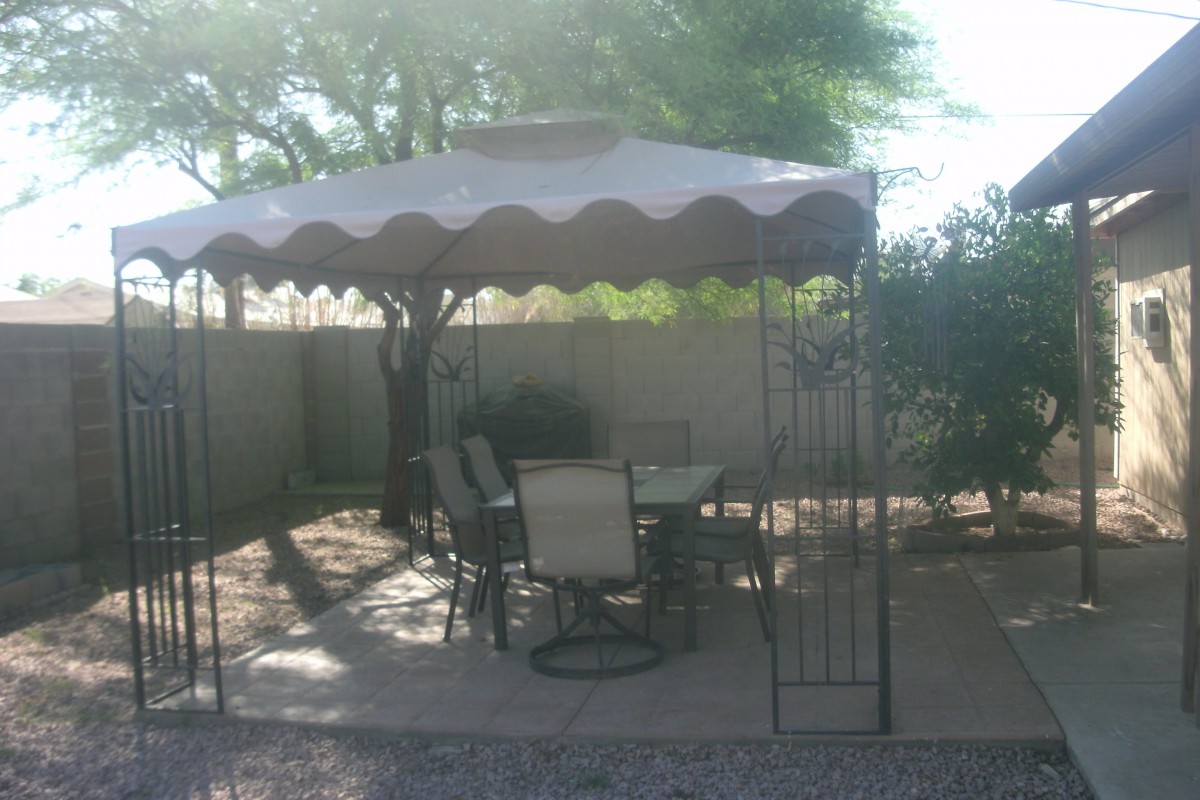
 Outdoor common areas
 Private
 Private bathrooms
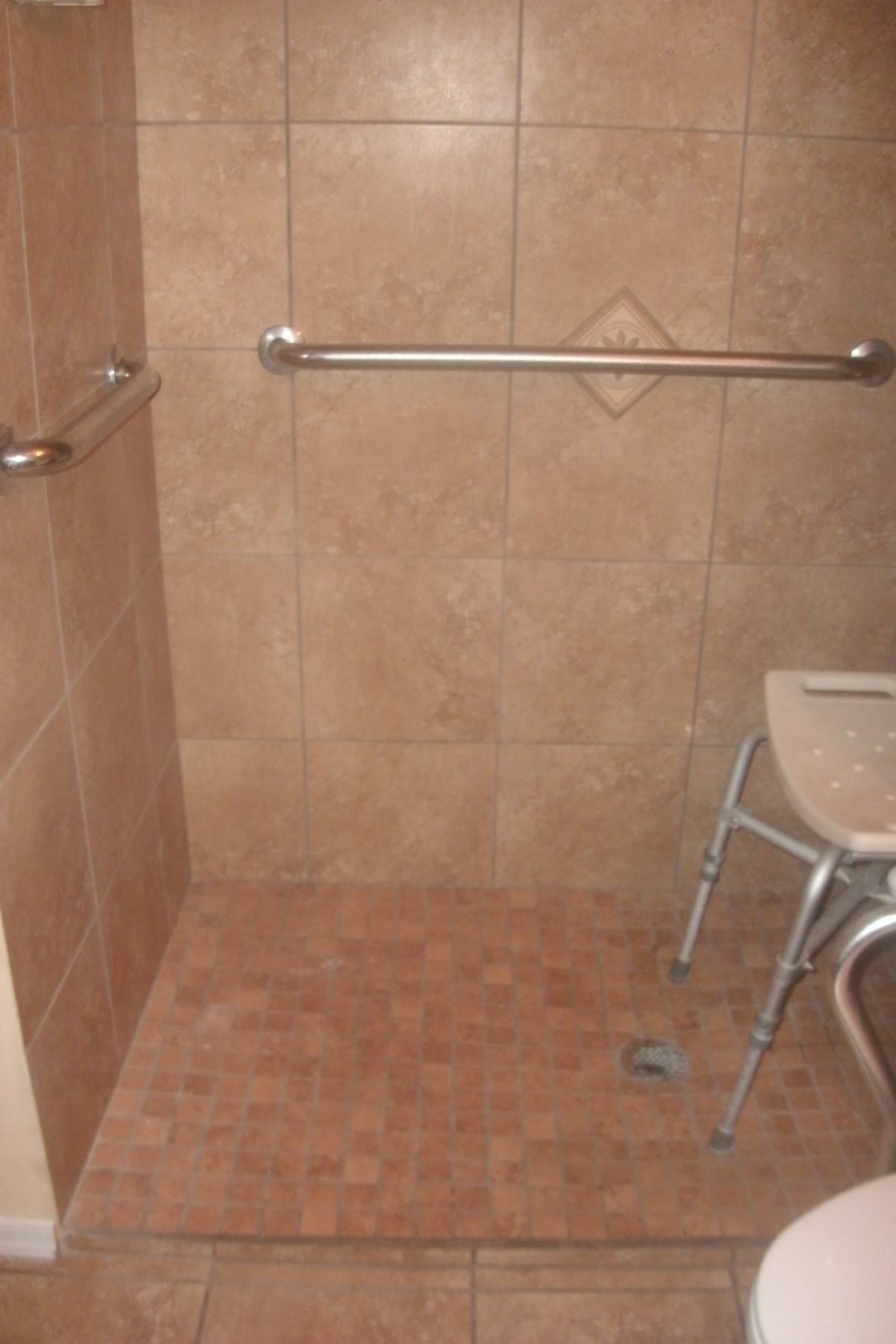
 Wheelchair accessible showers
 Phoenix Sky Harbor International (12 miles away)
 Ambulatory care
 Diabetic care
 High acuity care
 Incontinence care
 Medication management


 Understanding Dementia Through Its Seven Stages: A Comprehensive Look at Progression and Expectations
 Safeguarding Your Memory Through the Golden Years: Eight Ways to Preserve Cognitive Health
 Comprehensive Insights into Activities of Daily Living (ADLs) and Their Assessment