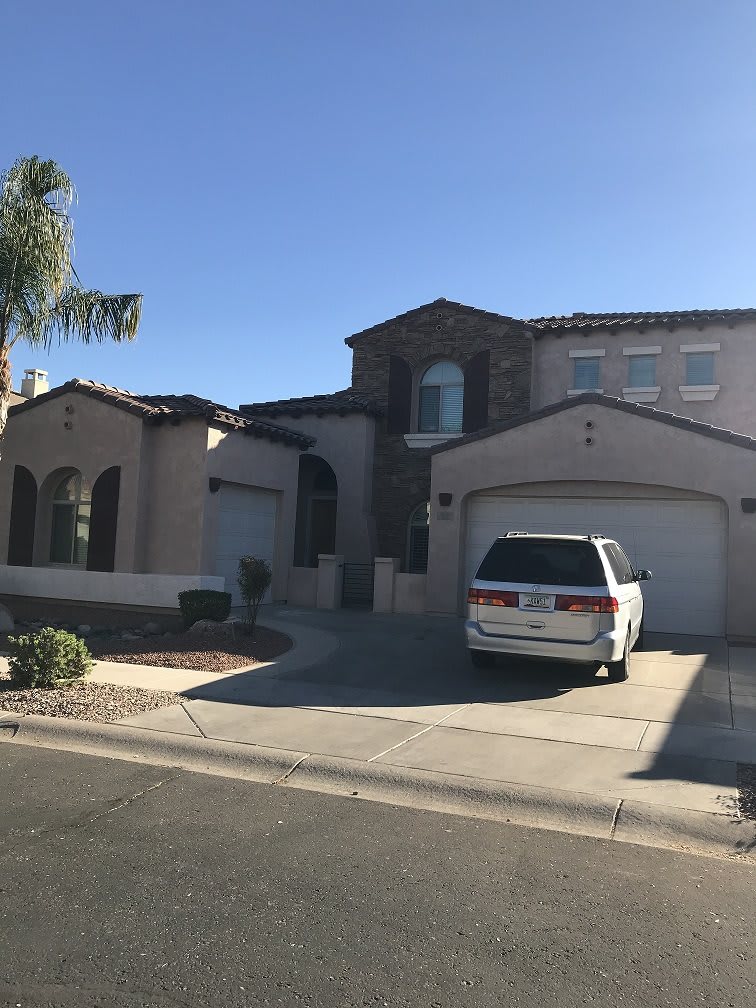
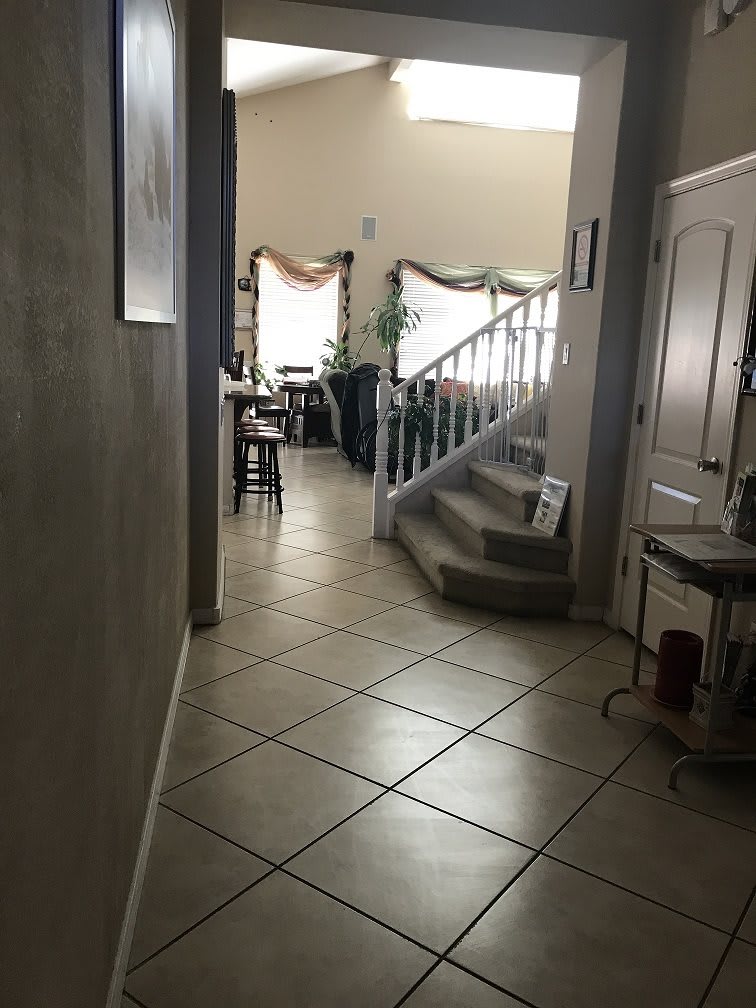
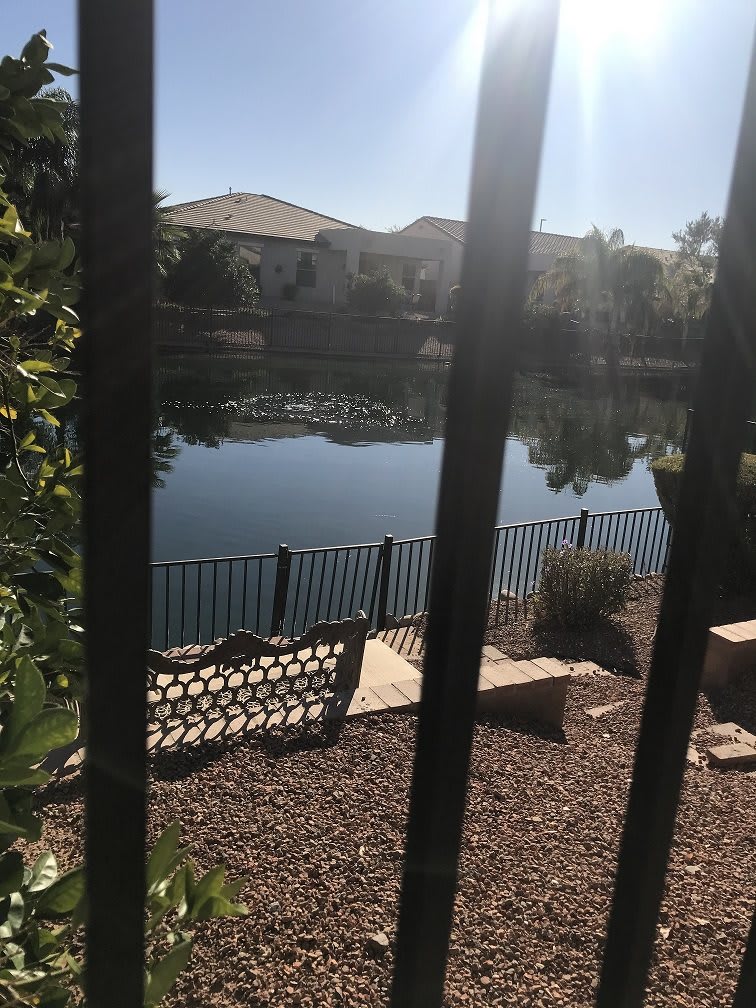
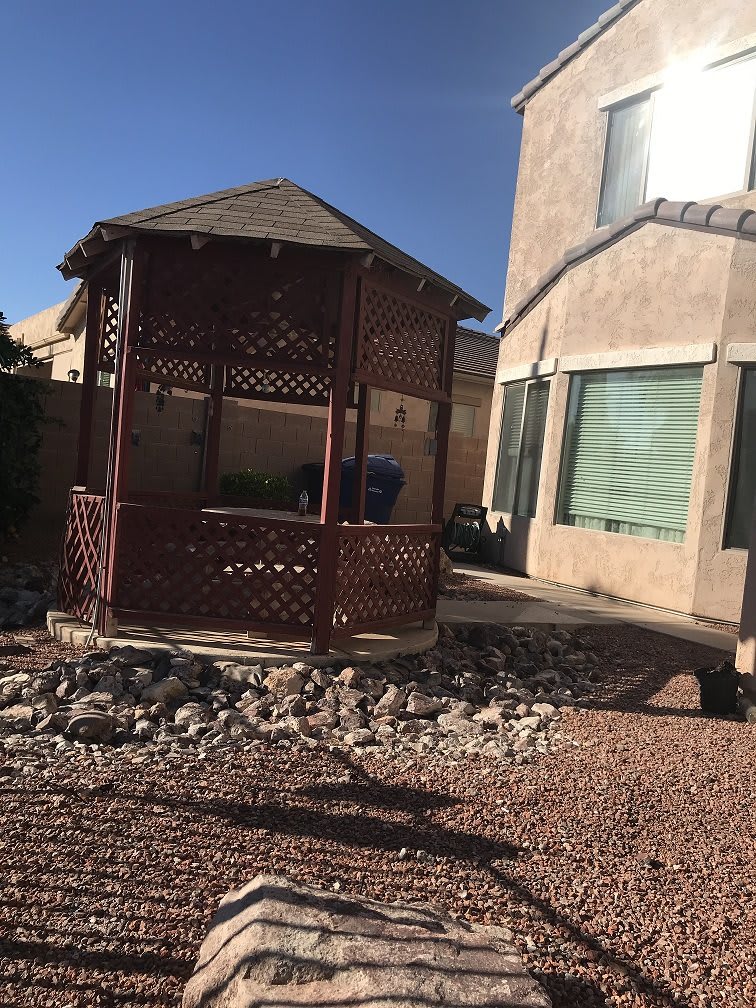
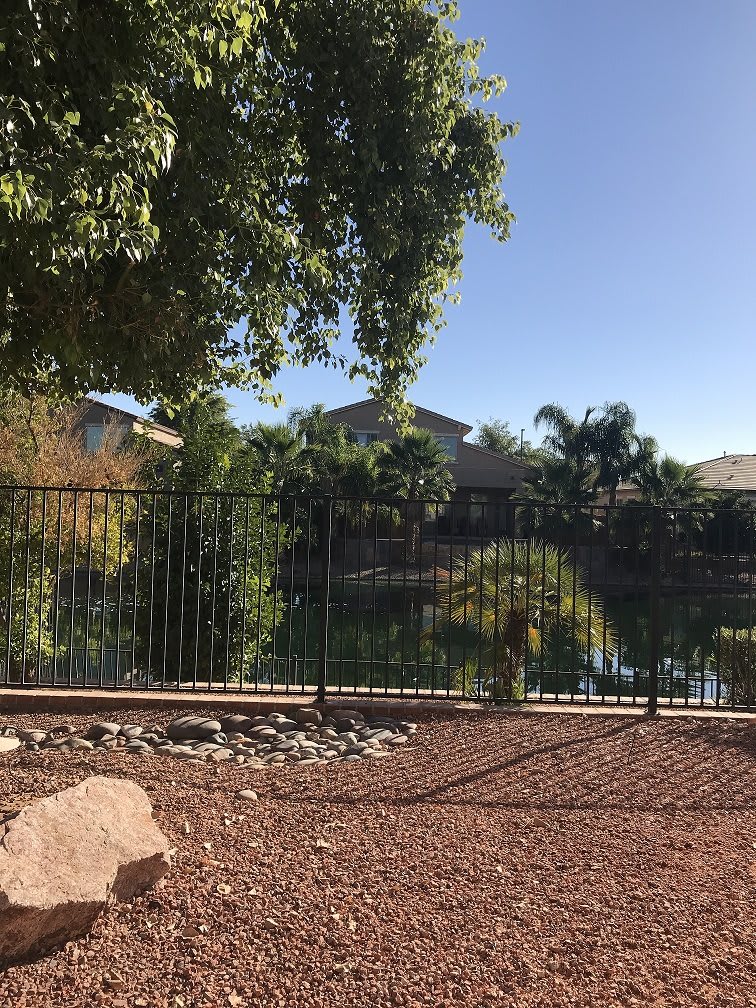
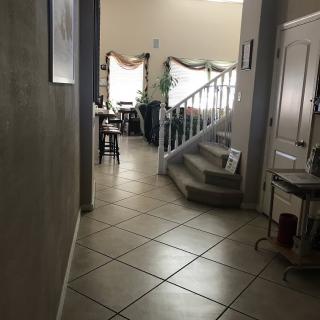
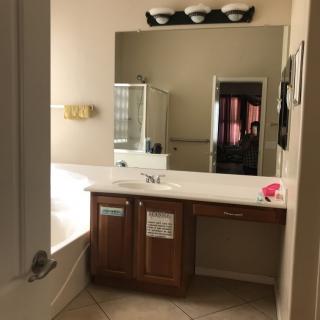
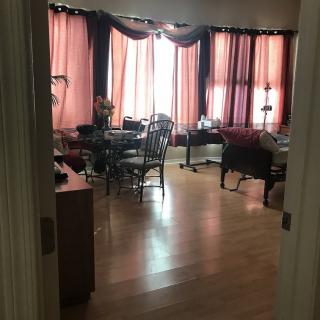

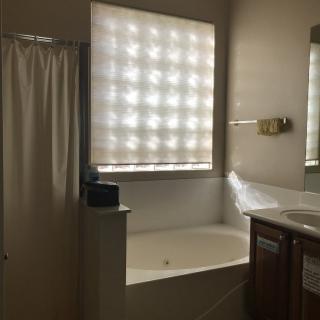
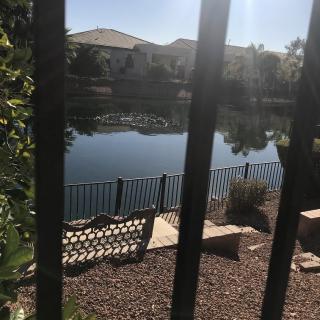
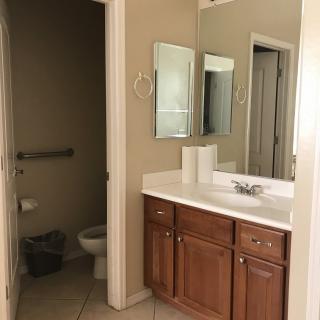
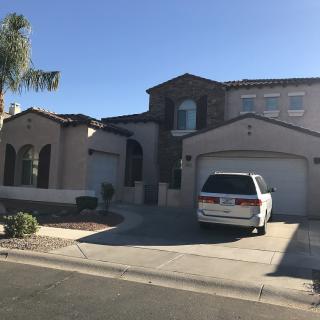
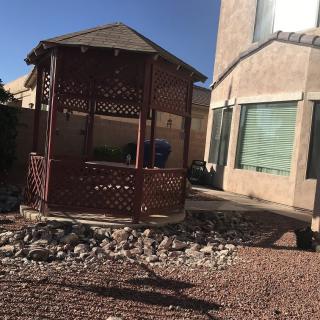
643 E La Costa Dr, Chandler, AZ 85249
To contact a resident: (602) 295-9214
For more information about senior living options: (866) 208-4318
Amore Courtyard ALH Costs & Pricing
Amore Courtyard Assisted Living Home offers competitively priced accommodations, with a monthly cost of $3,000 for a private room. This rate is notably lower than the average costs in Maricopa County, which stands at approximately $3,318, and the statewide average for Arizona at around $3,345. By choosing Amore Courtyard ALH, residents can benefit from high-quality care in a comfortable setting while enjoying savings compared to nearby alternatives. This pricing structure positions Amore Courtyard as an appealing option for individuals seeking affordable assisted living solutions without compromising on quality or service.
| Floor plans | Amore Courtyard ALH | Maricopa County | Arizona |
|---|---|---|---|
| Private | $3,000 | $3,318 | $3,345 |
Memory care communities with a similar price nearby
-
from -$500 / mo

La Bella Vita ALH
$2,500 to $7,000 / month15.7 miles away -
About the same

Desert Garden Senior Living
$3,000 to $3,500 / month21.4 miles away -
About the same
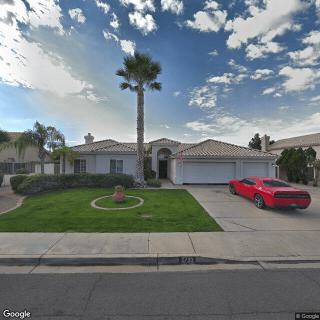
Desert Winds I
$3,000 to $3,800 / month17.7 miles away -
from +$500 / mo
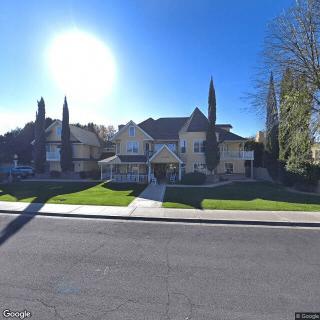
Jim & Patti Jones II
$3,500 to $4,500 / month17.0 miles away -
About the same
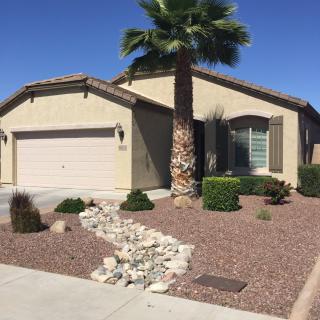
Altercare Assisted Living Home
$3,000 to $3,500 / month15.7 miles away
Overall Review of Amore Courtyard ALH
Pros
 The staff are wonderful, and the home is clean.
- The reviewers praised the caregivers and the lady who runs the community.
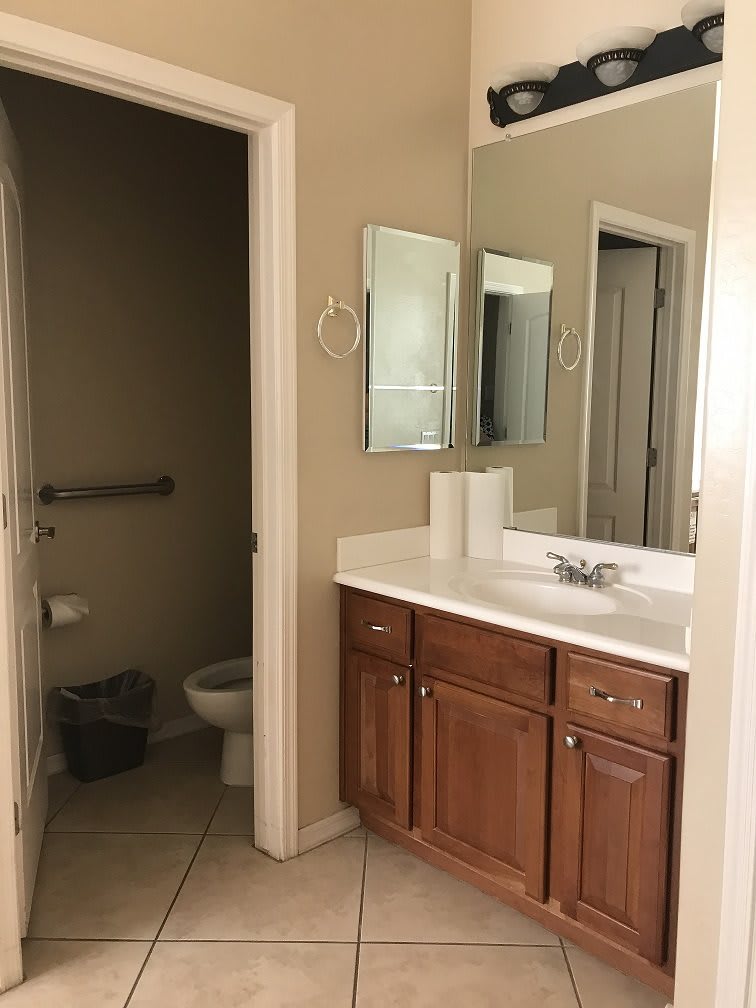
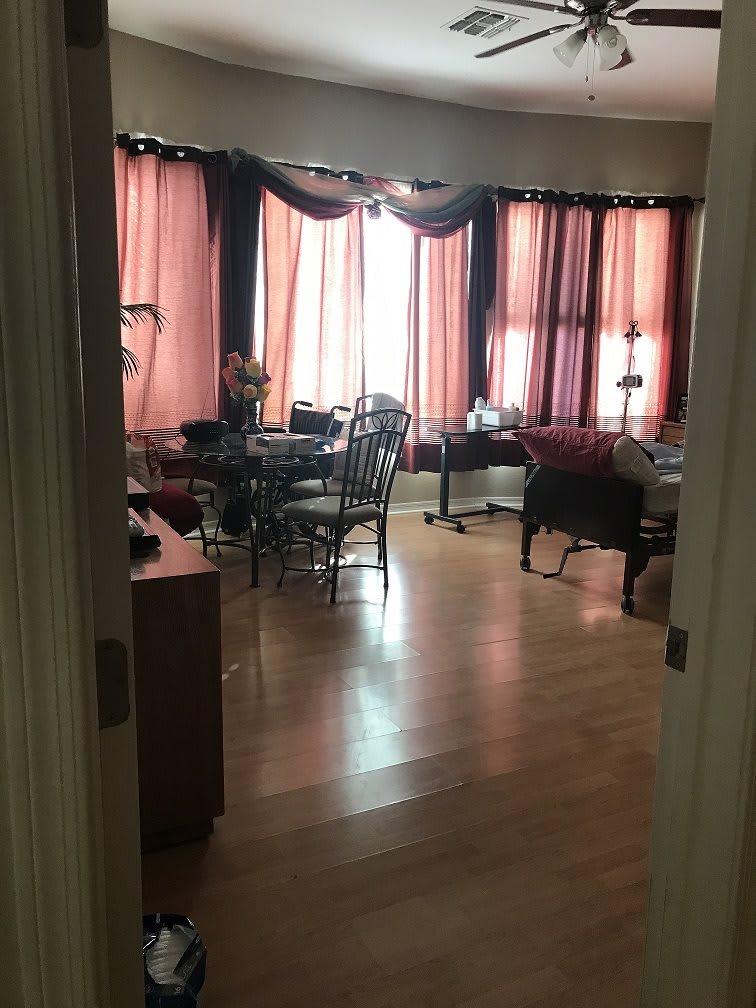
- It is a smaller community that allows visiting anytime, with nice, big rooms.
- They arranged to provide an advocate to help with Medicare paperwork.
- The facility was well kept, clean, and the staff seemed friendly and professional.
- It is a beautiful home, with a caring and responsive owner.
- The reviewers would recommend the community.
Cons
 The staff were rude and focused on money.
- Visitation for the grandmother was restricted/denied.
- The employees allegedly gave her the virus, and she died.
- They kept the family’s last paycheck and her belongings for another week without apologizing.
- The food was not quite as expected.
Review
Amore Courtyard ALH in Chandler is best suited for families seeking a small, home-like atmosphere where caregivers know residents well, decisions are personalized, and owner involvement is readily felt. The community appears to work best for seniors who prioritize close family access, everyday familiarity, and a setting where staff can tailor care on a personal basis. It also suits those who value practical support with paperwork and advocacy, as one reviewer notes the operator was helpful in connecting them with Medicare assistance. In short, this is a fit for families who want a warm, intimate environment and are comfortable navigating a smaller operation to secure attentive, hands-on care.
People who should consider alternatives include those who place a high premium on predictable, formalized policies and broad oversight. For families worried about transparency in billing, visitor policies, or consistency across staff, a larger or more established community might provide clearer protocols and stronger accountability structures. Those needing robust 24/7 nursing coverage, strict infection-control histories, or a high level of medical complexity on an ongoing basis may also want to compare options with greater staffing redundancy and standardized grievance processes. The strongest caution is for families who fear encounters with inconsistent experiences or perceptions of a “money-first” mindset.
The strongest positives center on intimate, personable care. The smaller size, one reviewer described a setting with as few as five residents, translates into easier access to caregivers, frequent family visits, and a sense that staff truly know each resident’s routine and preferences. Multiple reviewers highlight clean, well-kept spaces, a welcoming atmosphere, and staff who come across as friendly and professional. The owner’s responsiveness is repeatedly cited as a strength, contributing to a sense that concerns can be addressed directly and promptly. The prospect of an advocate to assist with Medicare paperwork is a meaningful plus for families navigating benefits and coverage.
On the downside, the negative experience cannot be ignored. One reviewer depicted a rude, “money-first” culture, restricted visitations, and a troubling claim that staff transmitted illness, culminating in a death and unresolved financial conduct afterward. That account raises legitimate red flags about communication, accountability, and respect for families during emotionally charged times. Another common, milder drawback from other reviewers is that the food does not always meet expectations. Taken together, these reports suggest a pattern where warmth and personalization exist, but gaps in policy clarity and consistency can create real anxiety for families during critical transitions.
Those strengths can meaningfully offset the drawbacks when approached with due diligence. Prospective families should insist on concrete policies in writing: visitation hours and exceptions, illness protocols, fee schedules, and what happens with a resident’s belongings at discharge or transfer. Request to meet the caregiving team, observe care routines, and obtain recent references from other families. Ask for a clear care plan process, and confirm whether a Medicare advocacy option is available in writing. A tour that probes how the owner or administrator handles complaints can reveal whether the perceived intimacy translates into durable, policy-driven practices.
Ultimately, Amore Courtyard ALH presents as a practical, if imperfect, choice for a particular profile. It offers a sincere, home-like environment, strong caregiver relationships, and personal attentiveness from the owner, all of which benefit seniors who thrive on routine, familiarity, and easy family access. However, stakes around visitation, transparency, and consistency suggest caution for families who require ironclad governance and universal, non-negotiable policies. For those willing to invest time in due diligence, asking pointed questions, demanding concrete written policies, and comparing with other small- to mid-sized communities, Amore Courtyard can deliver the kind of intimate, hands-on care that makes a difficult transition more manageable.
 Board and Care Home
 Day Program
 Memory Care
 Private
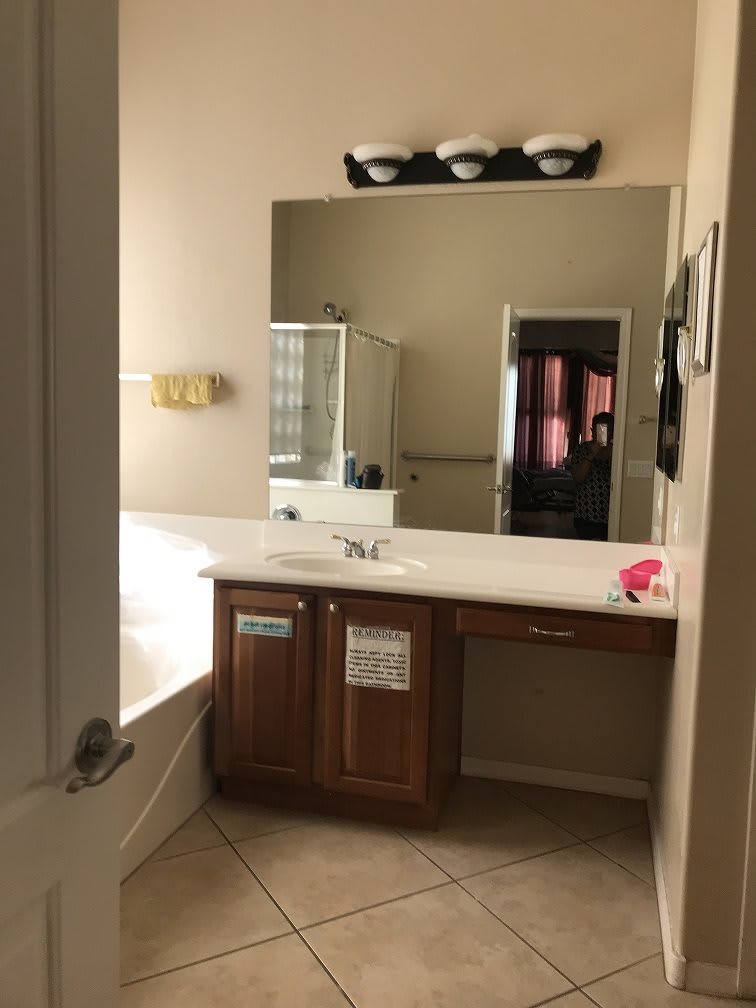
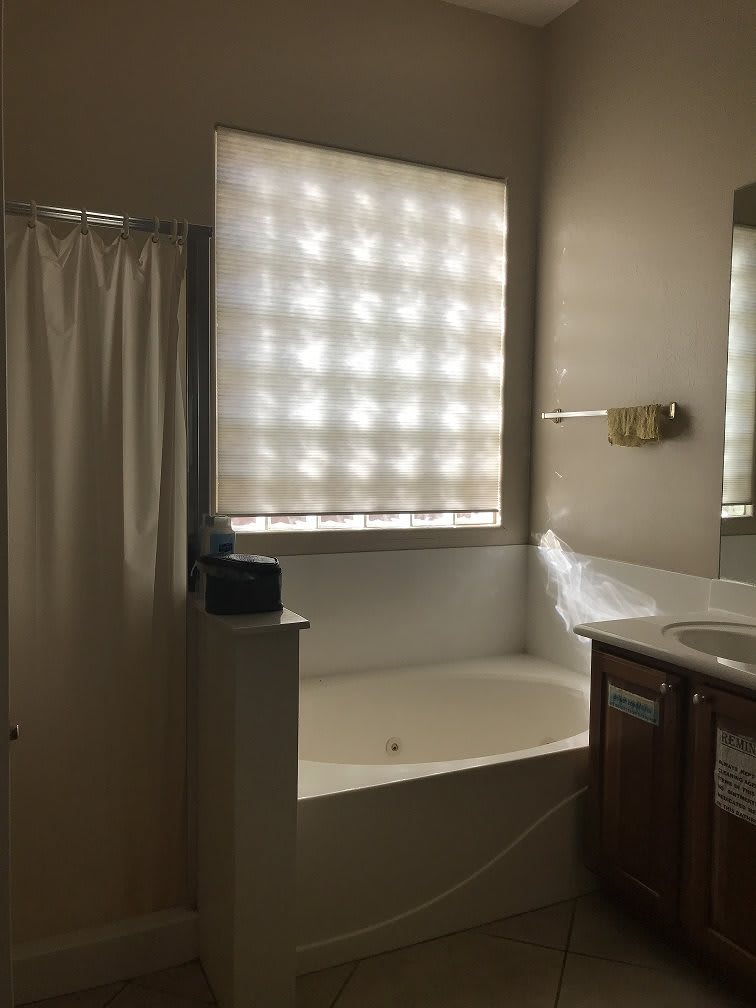
 Private bathrooms
 Phoenix Sky Harbor International (18 miles away)
 Diabetic care
 High acuity care



 Are Dementia and Alzheimer's Disease Lethal? A Comprehensive Exploration
 Exploring the Power of Reminiscence Therapy for Individuals With Dementia
 An In-Depth Look at Reminiscence Therapy in Dementia Care