
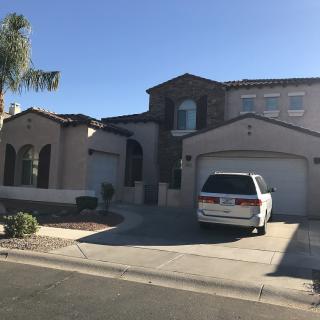
636 East Indian Wells Place, Chandler, AZ 85249
For more information about senior living options: (866) 208-4318
Overall Review of A Home at Chandler Assisted Living
Pros
 The new owner and the live-in staff at Sweet Home Assisted Living provide excellent care.
- They take great pride in caring for loved ones with respect, love, and dignity.
- The mom is receiving the best care at Sweet Home.
- The owners and caregivers are thoughtful, thorough, and communicate well with families.
- Families would highly recommend Sweet Home Assisted Living.
Review
This community is best suited for families seeking an intimate, owner‑operated assisted living experience in Chandler, AZ, where care is delivered with dignity, warmth, and a clear line of sight to those responsible for daily well‑being. The environment favors residents who value direct relationships with caregivers and leaders who are visibly engaged. The recent leadership transition has brought in a live‑in staff model and a sense of accountability that many families equate with dependable daily oversight. In short, this is a compelling option for seniors who want a home‑like setting with hands‑on ownership and steady, personal communication.
Those with higher medical needs or memory-care requirements may want to consider alternatives. A larger campus with on‑site RNs, specialized memory‑care programming, or more formal clinical support can be essential for residents whose conditions demand frequent medical monitoring, complex medication management, or structured cognitive activities. Prospective families should sandbox expectations around after‑hours coverage, escalation pathways, and the availability of respite or short‑term stays. If medical complexity or highly regulated care plans become a daily reality, it is prudent to compare options that emphasize medical staff depth and formal care coordination.
The standout strengths here are unmistakable and tightly aligned with what families most value: a new owner who demonstrates pride in the operation, a devoted live‑in staff, and a culture of respect, love, and dignity for residents. This combination translates into tangible peace of mind for families who worry about how a loved one is treated when not in the room. When caregivers are consistently present and engaged, small daily challenges, dressings, meals, mobility assistance, and routine safety checks, feel managed rather than rushed. The emphasis on respect and personal dignity also sets a tone that minimizes distress for residents who are sensitive to tone, privacy, and individualized care plans.
Another clear advantage is the communication cadence. Reviews describe thoughtful, thorough updates and open channels with family members, which reduces the anxiety that often accompanies transitions to senior living. For families, predictable and transparent communication matters as much as the direct care itself. When caregivers and leaders take the time to explain daily events, changes in routines, or evolving preferences, families feel aligned with the care team. In practice, this reduces misperceptions and helps families participate meaningfully in care decisions without feeling overwhelmed by ambiguity.
The practical upside of a smaller, owner‑operated model is the potential for quicker pivots and more personal accountability. If a resident’s preferences change, diet modifications, activity interests, or visitation patterns, the same team members who know the resident well can adapt without layers of bureaucracy. This is a counterbalance to the potential limits of a smaller operation: occasional gaps in the depth of medical resources or the breadth of activity programming. For most families, the trade‑off favors stability, continuity, and a sense that someone is paying attention to the resident’s day‑to‑day experience rather than to arbitrary scheduling.
Visits and evaluations should focus on two core questions: how the team handles medical oversight within the home, and how family input is incorporated into care planning. Prospective residents should observe interactions between caregivers and residents to confirm that dignity is the default, not the exception. Ask about staffing patterns, the range of daily activities, and the notation of care plans. Inquire about care coordination with external physicians and pharmacies, and whether there are structured family conferences or regular written updates. With these checks, the decision becomes concrete: embrace a warm, accountable home setting that delivers on its promises, or seek alternatives that offer broader clinical coverage and memory‑care infrastructure.
Overall, this Chandler community represents a strong fit for families prioritizing personal attention, a hands‑on leadership presence, and a transparent, talk‑through approach to daily care. It is less compelling for residents whose needs demand intensive medical supervision or specialized memory‑care programming on a consistent, campus‑level basis. For those whose values align with dignity, open communication, and steady ownership, the positives substantially outweigh the potential gaps, making this a prudent, confident choice to consider in the final short list of options.
 5 resident community capacity
 Assisted Living
 Cable or satellite TV
 Dining room
 Fully furnished
 Garden
 Housekeeping services
 Move-in coordination
 Outdoor space
 Telephone
 Wi-Fi/high-speed internet available
 Phoenix Sky Harbor International (18 miles away)
 24-hour supervision
 Activities of daily living assistance
 Assistance with bathing
 Assistance with dressing
 Assistance with transfers
 Diabetes diet
 Meal preparation and service
 Medication management
 Special dietary restrictions
 Transportation arrangement (medical)
 Transportation to doctors appointments



 Assisted Living Support for Veterans: A Complete and Detailed Overview
 Exploring the Contrasts Between Assisted Living and Skilled Nursing
 8 Key Indicators That Suggest It May Be Time to Transition from Assisted Living to Skilled Nursing Care