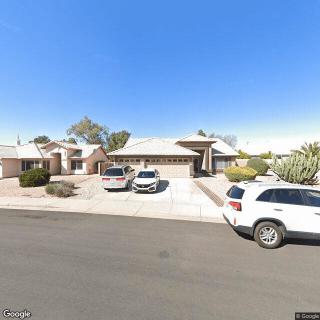
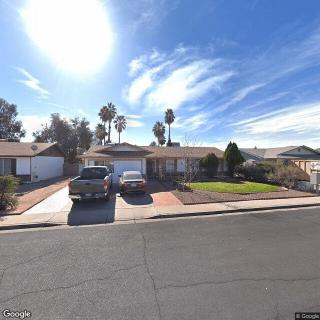
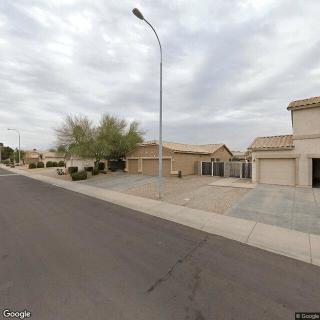
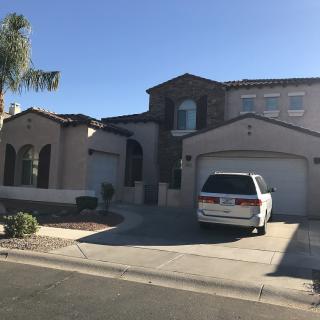
Helping Hands Assisted Care Home in Chandler, AZ

Information last verified:

25504 South 116Th Street, Chandler, AZ 85249

For more information about senior living options: (844) 490-3973

5 from 3 reviews
5 stars
3
4 stars
0
3 stars
0
2 stars
0
1 stars
0

Helping Hands Assisted Care Home Costs & Pricing

Helping Hands Assisted Care Home offers a compelling value for those seeking assisted living options, with a private room priced at $2,500 per month. This cost is significantly lower than the average rates in Maricopa County, which stand at approximately $3,318, and even more so compared to the state-wide average of $3,345 in Arizona. By providing an affordable alternative without compromising on quality care and services, Helping Hands Assisted Care Home positions itself as a favorable choice for individuals and families navigating the complexities of assisted living in the region. This pricing structure reflects a commitment to accessible care while aligning with community needs.

Floor plansHelping Hands Assisted Care HomeMaricopa CountyArizona
Private$2,500$3,318$3,345

Overall Review of Helping Hands Assisted Care Home

Pros

  • pro MaryAnn and Victor are described as like family to residents.
  • pro They cared for a grandmother for four years and made her feel at home from the start.
  • pro Their patients thrive under their care.
  • pro They are very knowledgeable and experienced.
  • pro They are absolutely amazing caregivers who provide loving, compassionate, and patient care.
  • pro The home is welcoming, beautifully decorated, and always clean.
  • pro Victor is an amazing chef.
  • pro They are highly recommended by families.

Cons

  • pro Unfortunately he passed way.

Review

Helping Hands Assisted Care Home in Chandler, Arizona is best suited for seniors who want a warm, home‑like setting where care feels personal and continuous. The community functions like a true family operation, anchored by MaryAnn and Victor, a married couple whose long-standing presence translates into steady relationships, predictable routines, and deep familiarity with each resident’s preferences. Residents and families consistently describe a sense of belonging from day one, with caregivers who treat loved ones as if they were their own kin. The home itself reinforces that impression: inviting, beautifully decorated, and meticulously maintained, signaling safety, dignity, and comfort. This is not a big-box facility; it is a small, intimate living arrangement that centers daily life around reassuring personal attention.

For families weighing options, those who require more formal medical oversight or a broader slate of structured activities may want alternatives. A setting with on-site licensed nursing staff around the clock, memory‑care specialization, or a larger calendar of social programming often suits residents with advanced clinical needs or complex caregiving requirements. If the goal is a bustling campus with multiple care levels and readily available medical backup, the intimate home may feel undersized. Prospective residents who place a premium on clinical intensity, frequent monitoring, or specialized dementia programming should compare this option against traditional assisted living communities or memory-care facilities in the area.

The principal strengths of Helping Hands readily offset the potential drawbacks of a small operation. The exceptional service quality comes through in every story: MaryAnn and Victor are described as knowledgeable, patient, and genuinely compassionate, delivering care that makes families feel their loved ones are cherished. The stability this duo provides, evidenced by years of resident tenure and repeated testimonials, offers a reliability that large facilities can’t match. Residents thrive under their care, showing improved mood, comfort, and engagement, while the homey atmosphere and attentive service counterbalance what might otherwise be seen as a limitation in staff depth. The culinary touch, Victor’s cooking, adds nourishment and a daily sense of warmth that many seniors value as highly as medical support.

That same warmth is reinforced by the environment itself: the home’s cleanliness, tasteful decoration, and welcoming vibe create a sanctuary-like feel that reduces anxiety and supports a sense of dignity. The long tenures of residents, with families reporting nearly five years of care, speak to continuity and trust, two commodities that can matter as much as clinical expertise. Yet it remains reasonable to note that the intimate model relies on a small team, which can mean fewer backup resources during certain absences or illnesses. Families should confirm how covered shifts are handled and whether there are additional aides or on-call support to ensure seamless care if MaryAnn or Victor are momentarily unavailable.

Practical decision‑making now centers on fit and expectations. For a loved one who prizes individualized attention, consistent routines, home cooking, and a serene, respectful atmosphere, Helping Hands stands out as an excellent match. The main caveat concerns the scope of care: if medical needs escalate or if a resident requires robust clinical oversight or dementia-specific programming, it is prudent to explore options with larger facilities that offer on-site nursing and dedicated memory-care units. Prospective families should visit with a critical eye toward daily schedules, the cadence of activities, opportunities for social engagement, and the presence of backup staffing. Ask to meet the care duo in person, review licensing and inspections, and clarify how emergencies are handled and communicated.

In the end, this Chandler home is a standout choice for families seeking an intimate, family‑style setting where seniors are treated with extraordinary warmth, dignity, and ongoing companionship. It delivers unmatched consistency, a comforting domestic rhythm, and a high standard of cleanliness and hospitality that converts care into a genuine sense of belonging. For residents who value stability, personalized attention, and heartfelt cooking in a safe, homelike space, Helping Hands often proves to be the best fit. Those needing intensive medical supervision, dementia‑focused programming, or a larger community footprint should actively compare with alternatives that offer broader clinical resources and more formal programming to ensure the right alignment with care goals.

Features

Housing

  • 5 resident community capacity 5 resident community capacity

Types of Care

  • Assisted Living Assisted LivingAssisted living facilities provide crucial support and care for seniors who may need help with daily tasks such as medication management, bathing, and meal preparation. These communities offer a safe and comfortable environment where seniors can maintain their independence while receiving the assistance they need to thrive in their golden years.
  • Board and Care Home Board and Care HomeBoard and care homes provide a smaller, more intimate setting for seniors who require assistance with daily tasks but do not need the level of care offered by a nursing home. They offer personalized care, meals, and social activities in a homelike environment, ensuring that seniors receive individualized attention and support in their golden years.
  • Respite Care Respite CareRespite care provides temporary relief for caregivers, allowing them to recharge and attend to their own needs. It also gives seniors the opportunity to socialize, receive professional care, and experience a change of scenery, promoting overall well-being and reducing feelings of isolation.

Amenities

  • Activities off-site Activities off-siteEngaging in off-site activities is crucial for seniors to maintain social connections, stay active, and stimulate their minds. It promotes overall well-being and helps combat feelings of isolation and loneliness.
  • Activities on-site Activities on-siteActivities on-site are important for seniors because they provide opportunities for socialization, mental stimulation, physical activity, and overall well-being. Engaging in activities can help seniors stay active, maintain their independence, and improve their quality of life.
  • Cable or satellite TV Cable or satellite TVCable or satellite TV is important for seniors because it provides entertainment, news, and companionship, helping to combat loneliness and boredom. It also offers a wide range of programming options tailored to different interests and preferences.
  • Devotional services off-site Devotional services off-siteDevotional services off-site are important for seniors as they provide spiritual nourishment, social engagement, and a sense of community outside of the senior living facility. This can enhance overall well-being and help combat feelings of isolation and loneliness often experienced by older adults.
  • Dining room Dining roomDining rooms are important for seniors as they provide a space for socialization, connection, and nutritious meals. They offer opportunities for residents to bond over shared meals, foster a sense of community, and promote healthy eating habits. Dining rooms also ensure that seniors have access to well-balanced meals tailored to their dietary needs and preferences.
  • Fully furnished Fully furnishedFully furnished senior living communities are important for seniors because they provide convenience, comfort, and a hassle-free moving experience. Seniors can easily settle into their new living space without the stress of having to buy and move furniture. This allows them to focus on enjoying their new home and community.
  • Garden GardenGardens are important for seniors as they provide a peaceful and therapeutic environment for relaxation, physical activity, and socialization. Being in nature has been shown to reduce stress, improve mood, and promote overall well-being. Gardens also offer opportunities for seniors to engage in gardening activities, which can improve mobility, flexibility, and cognitive function. Additionally, gardens create a sense of community and connection with others who share a passion for plants and outdoor spaces.
  • Housekeeping services Housekeeping servicesHousekeeping services are important for seniors because they help maintain a clean and safe living environment, promote independence, and reduce the risk of accidents or illnesses. Additionally, having assistance with household chores can alleviate physical strain and allow seniors to focus on other aspects of their well-being.
  • Indoor common areas Indoor common areasIndoor common areas are crucial for seniors as they provide a space for socialization, recreation, and community engagement, promoting overall well-being and reducing feelings of isolation and loneliness.
  • Move-in coordination Move-in coordinationMove-in coordination is important for seniors because it helps ease the transition into their new living environment. It ensures that all logistics, such as packing, organizing movers, and setting up utilities are taken care of, allowing seniors to focus on settling in and adjusting to their new home. Having a smooth move-in process can alleviate stress and anxiety, making the transition smoother and more enjoyable for seniors.
  • Outdoor common areas Outdoor common areasOutdoor common areas are important for seniors as they provide a space for socialization, physical activity, and relaxation. Being outside in nature can improve mood and overall well-being, while also encouraging movement and engagement with others. These spaces can help combat feelings of isolation and promote a sense of community among residents.
  • Outdoor space Outdoor spaceOutdoor spaces are important for seniors as they provide opportunities for physical activity, social interaction, exposure to natural light and fresh air, and a sense of connection to nature. Having access to outdoor spaces can improve overall well-being and quality of life for older adults living in senior communities.
  • Private PrivatePrivacy is important for seniors as it allows them to maintain their independence, dignity, and sense of control over their own lives. It also gives them the space and freedom to relax, reflect, and engage in activities that bring them joy and fulfillment. Creating private spaces within senior living facilities is crucial for promoting overall well-being and quality of life.
  • Private bathrooms Private bathroomsPrivate bathrooms are important for seniors in senior living communities because they provide independence, dignity, and comfort. Having a private bathroom allows seniors to maintain their personal hygiene routines without the need for assistance, promoting a sense of autonomy and privacy. Additionally, private bathrooms help prevent the spread of infections and provide a safe and clean environment for seniors to navigate safely.
  • Telephone TelephoneTelephones are important for seniors as they provide a lifeline for communication with loved ones, emergency services, and healthcare providers. They offer a sense of security and independence, enabling seniors to stay connected and access assistance when needed.
  • Wi-Fi/high-speed internet available Wi-Fi/high-speed internet availableWi-Fi/high-speed internet is important for seniors to stay connected with loved ones, access online resources, and participate in virtual activities to combat feelings of loneliness and isolation. It also allows them to easily manage healthcare needs, access entertainment, and engage in lifelong learning opportunities.

Transportation

  • Phoenix Sky Harbor International (18 miles away) Phoenix Sky Harbor International (18 miles away)

Care Services

  • 24-hour supervision 24-hour supervision24-hour supervision is important for seniors to ensure their safety, well-being, and access to immediate assistance in case of emergencies or health issues. This constant support provides peace of mind for both seniors and their loved ones, allowing them to age in place with dignity and security.
  • Activities of daily living assistance Activities of daily living assistanceActivities of daily living assistance are important for seniors because they provide essential support with tasks such as eating, bathing, dressing, and mobility. This assistance helps seniors maintain their independence, dignity, and overall quality of life as they age.
  • Ambulatory care Ambulatory care"Ambulatory care services provide essential medical support and treatment to seniors without requiring hospitalization, allowing them to maintain their independence and quality of life while managing chronic conditions or receiving routine medical care."
  • Assistance with bathing Assistance with bathingAssistance with bathing is crucial for seniors as it helps maintain personal hygiene, prevents infections, and ensures their overall well-being and comfort. It also provides a sense of dignity and independence for seniors who may struggle with this task on their own.
  • Assistance with dressing Assistance with dressingAssistance with dressing is important for seniors because it helps maintain their independence, promotes personal hygiene, prevents accidents and injuries, and improves overall quality of life. This service ensures that seniors can continue to dress comfortably and confidently, despite any physical limitations they may have.
  • Assistance with transfers Assistance with transfersAssistance with transfers is crucial for seniors as it helps prevent falls and injuries, maintains their independence, and ensures they can safely navigate their living environment. It also provides peace of mind for both seniors and their loved ones.
  • Coordination with health care providers Coordination with health care providersCoordination with health care providers is crucial for seniors to ensure proper medical care, medication management, and overall well-being. This collaboration helps prevent overlapping treatments, track progress more effectively, and provide comprehensive support tailored to individual needs.
  • Diabetes diet Diabetes dietA diabetes diet is crucial for seniors as it helps manage blood sugar levels, reduce risks of complications, and improve overall health and well-being. By following a balanced and nutritious diet tailored to their specific needs, seniors can better control their diabetes and enhance their quality of life.
  • Diabetic care Diabetic careDiabetic care is crucial for seniors as they are more susceptible to developing diabetes due to aging and other health conditions. Proper management of diabetes can help prevent complications such as heart disease, vision loss, and nerve damage, improving the overall quality of life for seniors in senior living communities.
  • High acuity care High acuity careHigh acuity care is important for seniors because it provides specialized medical attention and support for individuals with complex medical needs. This level of care ensures that seniors receive the appropriate treatment and assistance to maintain their health and quality of life as they age.
  • Incontinence care Incontinence careIncontinence care is essential for seniors to maintain their dignity, hygiene, and overall quality of life. By addressing incontinence issues promptly and effectively, seniors can enjoy a sense of independence and comfort in their daily activities.
  • Meal preparation and service Meal preparation and serviceMeal preparation and service are crucial for seniors as they may have limited mobility or energy to cook nutritious meals. Having access to healthy and convenient food options can ensure they are getting the proper nutrition needed to maintain their overall health and well-being.
  • Medication management Medication managementMedication management is crucial for seniors to ensure they are taking the right medications at the correct dosages and times. This helps prevent adverse drug interactions, reduces the risk of medication errors, and promotes overall health and well-being. Proactive management also allows for adjustments as needed based on changing health conditions or new prescriptions.
  • Special dietary restrictions Special dietary restrictionsSpecial dietary restrictions are important for seniors because age-related changes in metabolism and health conditions can make it difficult for their bodies to process certain foods. By following a diet tailored to their specific needs, seniors can maintain their overall health and well-being, manage chronic conditions, and reduce the risk of complications such as malnutrition or food interactions with medications.
  • Transportation arrangement (medical) Transportation arrangement (medical)Transportation arrangements for medical purposes are essential for seniors as they may have difficulty driving themselves to appointments or accessing public transportation. Having reliable and safe transportation options ensures that seniors can receive timely medical care and maintain their health and well-being.
  • Transportation to doctors appointments Transportation to doctors appointmentsTransportation to doctors' appointments is crucial for seniors as it ensures they have access to necessary medical care and support for their health needs. Without reliable transportation, seniors may struggle to attend important appointments, leading to potential delays in treatment and health complications. Providing transportation services helps seniors maintain their overall well-being and quality of life.

Dining

  • Diabetes diet Diabetes dietA diabetes diet is crucial for seniors as it helps manage blood sugar levels, reduce risks of complications, and improve overall health and well-being. By following a balanced and nutritious diet tailored to their specific needs, seniors can better control their diabetes and enhance their quality of life.
  • Meals provided Meals provided"Meals provided" are crucial for seniors in assisted living communities as it ensures they have access to nutritious, balanced meals without the stress of meal planning and preparation. This can help promote overall health and well-being for seniors who may have limited mobility or cognitive abilities.
  • Special dietary restrictions Special dietary restrictionsSpecial dietary restrictions are important for seniors because age-related changes in metabolism and health conditions can make it difficult for their bodies to process certain foods. By following a diet tailored to their specific needs, seniors can maintain their overall health and well-being, manage chronic conditions, and reduce the risk of complications such as malnutrition or food interactions with medications.

Activities

  • Activities off-site Activities off-siteEngaging in off-site activities is crucial for seniors to maintain social connections, stay active, and stimulate their minds. It promotes overall well-being and helps combat feelings of isolation and loneliness.
  • Activities on-site Activities on-siteActivities on-site are important for seniors because they provide opportunities for socialization, mental stimulation, physical activity, and overall well-being. Engaging in activities can help seniors stay active, maintain their independence, and improve their quality of life.
  • Christian services Christian servicesChristian services are important for seniors because they provide a sense of community, spiritual support, and opportunities for connection with others who share their faith. These services can offer comfort, hope, and guidance as seniors navigate the challenges of aging and find meaning and purpose in their lives.
  • Community-sponsored activities Community-sponsored activitiesCommunity-sponsored activities are important for seniors as they provide opportunities for social interaction, mental stimulation, and physical activity. These activities can help improve overall well-being, combat loneliness and isolation, and promote a sense of belonging and purpose among older adults.
  • Devotional activities offsite Devotional activities offsiteDevotional activities offsite are important for seniors because they provide social engagement, spiritual growth, and a sense of community outside of their living environment. This can improve overall well-being, mental health, and combat feelings of isolation or loneliness.
  • Scheduled daily activities Scheduled daily activitiesScheduled daily activities are important for seniors because they provide structure, socialization, mental stimulation, and physical activity. Engaging in regular activities can improve overall well-being and quality of life for seniors living in a community setting.

Description

Helping Hands Assisted Care Home is a premier assisted living community located in the vibrant city of Chandler, AZ. Our dedicated team provides personalized care that caters to the unique needs and preferences of each resident.

At Helping Hands, we offer both board and care home options as well as respite care for short-term stays. Our community boasts a wide range of amenities that contribute to our residents' comfort and well-being. Residents can enjoy various activities on-site, such as engaging social events and recreational programs. They can also relax and unwind while watching their favorite shows on cable or satellite TV.

Devotional services are available off-site for those who wish to practice their faith, and our dining room allows residents to enjoy delicious meals with their peers. Each accommodation is fully furnished for convenience, providing a cozy and homely atmosphere.

Our spacious garden and outdoor common areas offer serene spaces where residents can bask in the beauty of nature and engage in outdoor activities. Private rooms with private bathrooms are provided to ensure privacy and dignity. Telephone services are available for easy communication with loved ones, while Wi-Fi/high-speed internet ensures connectivity with the digital world.

Our compassionate staff members are trained to assist with activities of daily living, including bathing, dressing, and transfers. We also coordinate with healthcare providers to ensure comprehensive care for our residents. For those requiring specialized attention, we offer high acuity care and diabetic care, including management of diabetes diet.

Incontinence care is provided by our dedicated team, ensuring comfort and maintaining personal hygiene. Meal preparation and service cater to individual dietary restrictions or preferences.

Transportation arrangement (medical) is available for easy access to medical appointments, enabling peace of mind for family members. Additionally, transportation options exist nearby for other needs such as cafes or parks.

Residents at Helping Hands have an array of opportunities to stay socially active through scheduled daily activities within our community or by participating in community-sponsored events off-site. Devotional activities offsite and Christian services are also available for spiritual fulfillment.

Within close proximity to our community, residents have access to various amenities including cafes, parks, pharmacies, physicians, restaurants, places of worship, theaters, and hospitals.

At Helping Hands Assisted Care Home in Chandler, AZ, we aim to provide a nurturing and enriching environment where residents can thrive and enjoy their golden years. Our dedicated team is committed to offering exceptional care and ensuring the highest quality of life for our residents.

Nearby Places of Interest

This part of Chandler, Arizona offers a range of conveniences and amenities that can cater to the needs of seniors looking for a comfortable and accessible living environment. With multiple pharmacies nearby such as Walgreens and CVS Pharmacy, medical care is easily accessible with hospitals like Banner Health Ocotillo and Chandler Regional Medical Center within close proximity. The area also boasts a variety of dining options including McDonald's, Chen's Chinese Bistro, and Fiesta Mexicana Restaurant for seniors who enjoy dining out. In addition, there are several parks for outdoor recreation like Bark Park and Layton Lakes Park, as well as cafes like Black Rock Coffee Bar and Starbucks for socializing with friends or family. Overall, this part of Chandler provides a well-rounded community with essential services that cater to the needs of seniors.

Restaurants

  • McDonald's (0.5 miles)
  • Chen's Chinese Bistro (0.6 miles)
  • Fiesta Mexicana Restaurant Chandler (2 miles)
  • McDonald's (2 miles)
  • Subway (2.3 miles)
  • Oakwood Country Club (2.5 miles)
  • Someburros (2.9 miles)

Pharmacies

  • Herbal Wellness Center Chandler (0.8 miles)
  • Walgreens (1.5 miles)
  • Walgreens (2.2 miles)
  • CVS Pharmacy (2.5 miles)
  • Walgreens (4.5 miles)
  • CVS Pharmacy (4.8 miles)
  • Walmart Pharmacy (5.1 miles)

Theaters

  • Majestic Neighborhood Cinema Grill (1.4 miles)
  • Chandler Crossroads 12 (5 miles)
  • Chandler Fashion 20 (6.9 miles)

Physicians

  • Center for Dermatology and Plastic Surgery (1.4 miles)
  • Scottsdale Center for Sight PLC (1.4 miles)
  • Arizona Dermatology & Cosmetic Surgery (1.4 miles)
  • Hope Eye Center (2.9 miles)
  • Chandler Oral And Maxillofacial Surgery (3.4 miles)
  • Banner Surgery Center - Chandler (5.3 miles)
  • East Valley Center For Pulmonary & Sleep Disorders (5.4 miles)

Parks

  • Bark Park (2.4 miles)
  • Layton Lakes Park (4.3 miles)

Cafes

  • Black Rock Coffee Bar (2.8 miles)
  • Dutch Bros Coffee (4.1 miles)
  • Starbucks (5.1 miles)
  • Black Rock Coffee Bar (5.5 miles)
  • Peixoto Coffee Roasters (6 miles)
  • Starbucks (6.2 miles)

Transportation

  • Chandler Municipal Airport (CHD) (4.1 miles)

Hospitals

  • Phoenix ER & Medical Hospital (4.2 miles)
  • Banner Health Ocotillo (5 miles)
  • Chandler Regional Medical Center (6.1 miles)
  • Mercy Gilbert Medical Center (6.8 miles)

Places of Worship

  • Compass Christian Church (4.6 miles)
  • Cornerstone Christian Fellowship (4.8 miles)
  • Church of Jesus Christ of Latter Day Saints (4.9 miles)

Frequently Asked Questions

How much does it cost to live at Helping Hands Assisted Care Home in Chandler, AZ?
Where is Helping Hands Assisted Care Home?

Nearby Communities

  • Amore Courtyard ALH

    Amore Courtyard ALH

    Chandler, AZ

    3.8 from 6 reviews
    $3,000 / month

    pro Caring staff and a clean, intimate setting.

  • Amore Courtyard Assisted Living Home

    Amore Courtyard Assisted Living Home

    Chandler, AZ

    1 from 1 review
     

    pro Intimate 5-resident community with personalized care and 24-hour supervision.

  • A Home at Chandler Assisted Living

    A Home at Chandler Assisted Living

    Chandler, AZ

    5 from 2 reviews
     

    pro Comprehensive care and amenities with 24/7 supervision, meals, housekeeping, and transport coordination.

  • Lakeside Assisted Living Home

    Lakeside Assisted Living Home

    Chandler, AZ

    5 from 3 reviews
    $2,000 to $2,200 / month

    pro Competitive pricing: semi-private and private rooms cheaper than county and state averages.

  • Ageless Angels ALH 2

    Ageless Angels ALH 2

    Chandler, AZ


    pro Small, intimate setting with comprehensive care, including 24-hour supervision, medical coordination, medication management, and furnished, ready-to-move-in living spaces.

  • A Home Away From Home Assisted Living Home

    A Home Away From Home Assisted Living Home

    Chandler, AZ


    pro Small, home-like setting with personalized care and engaging daily activities.

  • Clarendale of Chandler

    Clarendale of Chandler

    Chandler, AZ

    4.8 from 192 reviews
    $4,090 to $6,220 / month

    pro Friendly staff in a clean, welcoming setting with engaging activities and well-maintained common areas.

  • The Village at Ocotillo

    The Village at Ocotillo

    Chandler, AZ

    4.5 from 119 reviews
    $3,155 to $3,715 / month

    pro Clean, inviting atmosphere with excellent dining and engaging activities.

  • Pennington Gardens Assisted Living & Memory Care

    Pennington Gardens Assisted Living & Memory Care

    Chandler, AZ

    4.5 from 30 reviews
    $3,450 to $4,750 / month

    pro Well-maintained facility with friendly, long-tenured staff and quality care.

Related Resources

  • assisted living for disabled adultsComprehensive Supportive Living Arrangements for Adults with Disabilities

    Assisted living for adults with disabilities has transformed to provide personalized care and support services aimed at improving residents' quality of life while balancing independence and assistance. However, low-income individuals often face challenges in affording these services, requiring navigation of various financial resources and advocacy for better policies and solutions.

  • how to pay for assisted livingFunding and Affording Assisted Living: A Thorough Overview

    Assisted living facilities provide support for older adults needing help with daily activities without extensive medical care, but their costs can be high and vary by location and services offered. Families often seek various funding options and financial strategies to manage these expenses effectively while considering future needs and potential price increases.

  • assisted living insuranceAssisted Living Expenses and Long-Term Care Insurance: A Comprehensive Exploration

    The article discusses assisted living expenses, the importance of long-term care insurance in covering these costs, and various financing options, highlighting the need for careful policy review and early planning to address potential needs. It also clarifies common misconceptions about Medicare and private health insurance limitations regarding long-term care coverage.