
1001 S Chestnut St, Ellensburg, WA 98926
To contact a resident: (509) 933-1888
For more information about senior living options: (866) 208-4318
Overall Review of Briarwood Commons Apartments
Pros
 Briarwood has excellent new management and high-quality maintenance and groundskeeping.
- Briarwood is a great place to live.
- The management team (Melinda and Zena) are very accessible.
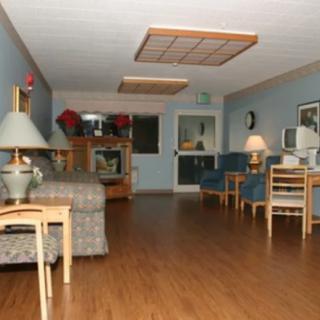
- The grounds are well maintained and the clubhouse is a nice place to hang out, with many activities offered.
- Maintenance issues are taken care of in a timely manner.
- The staff and community are excellent.
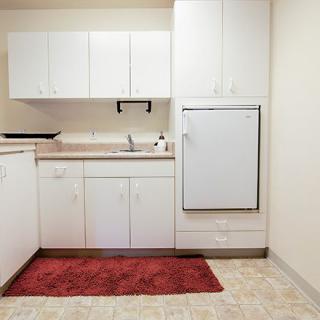
- The accommodations are clean and modern.
Cons
 The place is very prejudiced.
- They suck and are hypothetical.
- The management has the wrong kind of manager for this place.
- The management doesn’t care about the disabled or the elderly.
- The management listens to rumors and not the real thing.
Review
Briarwood Commons Apartments in Ellensburg is best suited for active, socially inclined seniors who want a vibrant year-round community, solid maintenance, and a hands-on, accessible management team. This is a good fit for residents who value well-kept grounds, a welcoming clubhouse, and frequent on-site activities, all anchored by a convenient location with easy access to public transportation. It works well for those who prefer an affordable, amenity-rich option where staff responsiveness is a priority. Families seeking a low-key, ultra-private setting or a facility with comprehensive medical oversight should be realistic about whether this community aligns with those needs and may want to evaluate alternatives.
The strongest selling points are the elements that survive even mixed reviews: a refreshed management structure, dependable maintenance, and well-maintained grounds. The new leadership comes with evident attentiveness, and maintenance issues are handled promptly, which keeps common areas and apartments looking cared-for. The clubhouse, pool, gym, salon, and game room, along with ample parking, create practical daily anchors for residents. The calendar of activities, ceramic and art classes, movie nights, potlucks, and book clubs, helps sustain social ties and routines, while the proximity to transit supports independence for those who no longer drive. Taken together, these factors translate into tangible value and a reasonable cost-to-benefit balance for residents who want a lively, connected living environment.
Yet the experience is not uniform, and several reviews spotlight palpable downsides. Some residents allege prejudice and a sense that management does not adequately prioritize the needs of the disabled or elderly, accusing leadership of rumors-driven decisions rather than direct engagement. A few comments describe the staff or leadership as mismatched for the community, hinting at friction between resident expectations and the way concerns are addressed. This spectrum of experiences cannot be dismissed, as it speaks to real differences in how residents perceive safety, respect, and responsive care, issues that matter deeply to families evaluating long-term placement.
These tensions matter most when weighed against the concrete advantages. The presence of accessible management and timely maintenance helps offset concerns about neglect, because problems are more likely to be corrected quickly and transparently. The strong groundskeeping and active social framework provide a sense of belonging and predictability, which can mitigate anxiety around aging in place. For residents who prioritize independence and social engagement, the combination of services and programs can keep daily life engaging and manageable, diminishing the impact of concerns that arise from isolated negative experiences.
Prospective movers should systematically verify several aspects before committing. Speak with multiple residents about responsiveness, especially in handling accommodations for disabilities and elderly needs. Inquire about staff training, anti-discrimination policies, and the process for escalating concerns to ensure consistency across shifts and teams. Request up-to-date information on maintenance turnaround times and recent renovations, and assess whether the calendar of activities truly reflects resident interests. Compare with nearby communities that offer similar amenities but different care models to determine which environment aligns best with anticipated health needs, mobility, and desired level of companionship.
In the end, Briarwood Commons presents a practical, value-forward option for those who want an active, amenity-rich place to live with a proactive management presence and a robust social life. It is less suited for families prioritizing high-level medical oversight, a uniformly allergy-free environment, or a culture of zero tolerance for any discord. For those who can tolerate or contest the governance questions with evidence-based assurances, through conversations with staff, residents, and management, this community can deliver a satisfying balance of comfort, community, and convenience. If the priorities lean toward stronger medical support, quieter privacy, or a consistently harmonious climate, exploring alternatives remains the prudent course.
 Independent Living
 Cats allowed
 Dogs allowed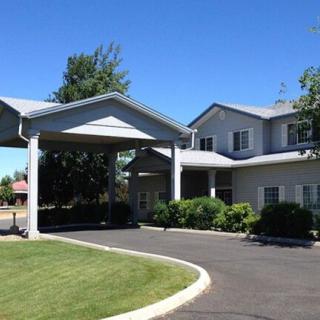



 Recognizing the Journey: Understanding and Navigating Anticipatory Grief
 Encouraging Participation in Adult Day Care: A Guide to Supporting a Hesitant Parent
 Comprehensive Exploration of Living Wills and Other Advance Directives