Information last verified:
1418 10th St NW, Roanoke, VA 24012
For more information about senior living options: (844) 490-3973
Valley Retirement Home Inc in Roanoke is best suited for families seeking a warm, home-like rehabilitation and long-term care environment with a long local footprint. It works well for residents who need skilled nursing, short-term rehab, memory-care support, or a facilitated transition into independent living, with an emphasis on comfort, nutrition, and social engagement. The atmosphere often feels welcoming and familial, the common areas inviting, and the dining experience frequently praised. For families prioritizing a strong rehab trajectory, clean surroundings, and staff who genuinely connect on a personal level, this community offers tangible advantages. It is especially appealing to those who value a multi-service setting, where rehab, memory care, and assisted living can be coordinated under one roof, and to those who are reassured by years of local operation. Still, the facility’s strongest value proposition can be undermined by variability in staffing and management that show up unevenly across shifts.
Those who may want to consider alternatives include families with residents who require near-constant, highly reliable one-on-one supervision or acute medical oversight. Several reviews point to inconsistent attention on certain shifts, delayed medication administration, and call-light responsiveness that can lag at key moments. The impression that some shifts run thin on staff and leadership can be a decisive drawback for residents with high care needs, complex schedules, or end-of-life planning where prompt, compassionate intervention matters. Billing disputes and discharge-process miscommunications also surface in a way that can create stress for families navigating expectations and costs. For these reasons, care teams and families who need unwavering consistency, tightly controlled care plans, or transparent financial terms might find solid alternatives worth a closer comparison.
On the positive side, the core advantages are clear and meaningful. The staff, across many shifts, are frequently described as friendly, cheerful, and genuinely invested in residents’ well-being, which translates into a day-to-day sense of safety and belonging. The rehab teams, including physical and occupational therapy, consistently receive praise for skill, encouragement, and measurable progress; several families report their loved ones achieving meaningful gains within a few weeks. Cleanliness and an inviting environment contribute to a dignified daily experience, while the food quality and private-room options, often highlighted as comfortable and well-maintained, support nutritional well-being and mood. The community’s breadth of services, rehab, long-term skilled care, memory-care programming, and assisted living transitions, means care plans can be coordinated without the disorientation of moving between facilities.
Despite the strengths, the main cons cannot be dismissed. Staffing variability stands out as the most consequential drawback, especially when it intersects with medication timing, assistance during meals or hygiene tasks, and timely response to call bells. Reports of rude or inattentive nursing staff in some shifts clash with the overall positive tone of other staff members, creating an inconsistent experience for residents and their families. Administrative gaps, ranging from admissions and discharge coordination to social work follow-through and billing communications, have caused frustration and mistrust in certain cases. The concern about management’s ability to sustain reliable coverage, supervise second shifts, and implement promised services is not minor; it affects day-to-day quality of life and overall trust in the facility’s long-term reliability. In memory care and rehab-specific contexts, some families describe negative interactions with therapy leadership or discharge planning that left them feeling unsupported.
The strongest offset to these concerns lies in outcomes that matter to most families: genuine caregiver compassion during rehab, genuine warmth in daily interactions, and a clear commitment to helping residents recover and remain engaged. Where staffing aligns with expectations, residents often flourish: therapy can deliver real functional gains; residents participate in structured routines; meals and social opportunities enhance quality of life; and the facility’s established reputation gives families confidence that experienced professionals are coordinating care. For many, the presence of a known admissions team and a receptive social-work mindset, who listen, provide options, and help families navigate choices, can make the difference between a stressful transition and a hopeful, well-managed one. The facility’s long tenure in the Roanoke area also translates into a recognizable, stable community where neighbors become familiar and staff adopt a family-like approach over time.
For families weighing a decision, a practical approach is essential. Visit multiple times and at different hours to observe the flow of care across shifts; request to speak with both nursing leadership and rehab directors; and, crucially, sit in on a rehab session to gauge how therapists coordinate with nursing staff and family goals. Talk directly with current residents and family members about medication timing, meal support, and call-bell responsiveness. Assess whether the admissions team provides clear expectations about pricing, services included, and what happens if needs escalate. Finally, compare with nearby facilities that advertise stronger staffing visibility and more consistent discharge planning. In the end, this community can be an excellent home for those who prize warmth, a robust rehab pathway, and a familiar, multi-service setting, provided the family prioritizes verifying staffing coverage, management consistency, and transparent care planning before making a commitment.
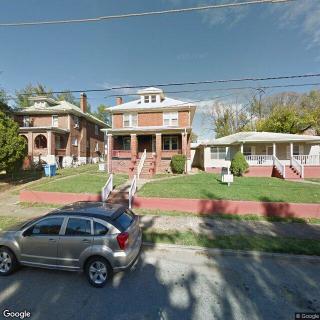
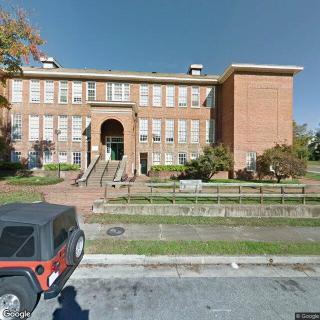
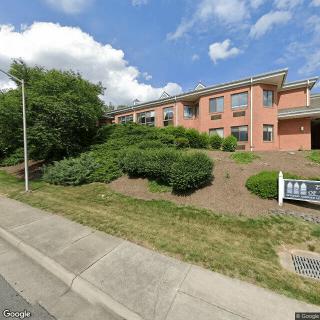
Valley Retirement Home Inc is an assisted living community located in the vibrant city of Roanoke, VA. Our community is nestled in a serene neighborhood, offering a peaceful and comfortable environment for our residents.
At Valley Retirement Home Inc, we prioritize convenience and accessibility for our residents. With four cafes nearby, our residents can enjoy a cup of coffee or a delicious meal just a short distance away. For those who love the outdoors, six parks are within easy reach, providing opportunities for leisurely strolls or enjoying the beauty of nature.
Ensuring the wellbeing of our residents is of utmost importance to us. That's why we have ten pharmacies nearby, ensuring that medication needs are readily met. Additionally, with 32 physicians in proximity to our community, our residents have access to high-quality healthcare when they need it.
We understand the importance of socialization and culinary enjoyment to enhance the overall quality of life. With 39 restaurants nearby, our residents can indulge in delectable meals and savor various cuisines without having to travel far.
Transportation is made convenient for our residents as well. With two transportation options nearby, getting around the city or visiting loved ones is hassle-free.
We also recognize the significance of spiritual connection and offer three places of worship close by where our residents can practice their faith comfortably.
Lastly, in case of medical emergencies or specialized care needs, there are four hospitals in close proximity to provide immediate assistance whenever required. The safety and health of our residents are always paramount.
Overall, Valley Retirement Home Inc provides a welcoming and supportive environment where seniors can enjoy their retirement years with ease.
Valley Retirement Home Inc is located at 1418 10th St NW, Roanoke, VA 24012 in Roanoke city, Virginia
Understanding the Nuances of Palliative Care and Hospice: A Comprehensive Exploration

Palliative care focuses on alleviating distress at any stage of a serious illness and can accompany curative treatments, while hospice care is for those nearing the end of life with a prognosis of six months or less, emphasizing comfort over curative measures. Both prioritize holistic care for patients and families but differ in timing, goals, and scope.
Fecal Incontinence in Older Adults: A Comprehensive Guide
Fecal incontinence, prevalent among older adults, arises from factors like weakened pelvic muscles and nerve damage, significantly affecting well-being and social interactions. Diagnosis involves clinical evaluation and tests to inform tailored treatments, while caregivers and preventive measures can aid in managing the condition effectively.
Nurturing Well-Being Through Gardening: A Detailed Guide for Senior Enthusiasts
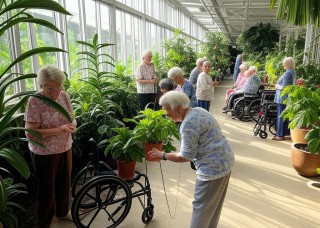
Gardening provides seniors with physical exercise, mental and emotional support, and social interaction opportunities, while accommodating their needs through raised beds and ergonomic tools. It promotes health benefits like improved dexterity and cardiovascular health, encourages sustainable practices, and allows for manageable upkeep with low-maintenance plants.