
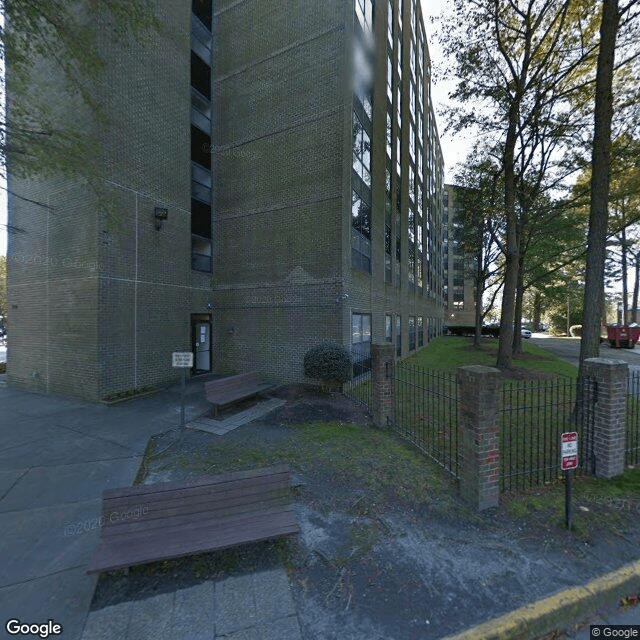
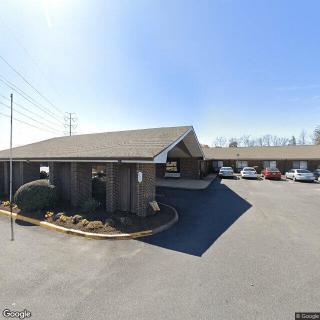
7000 Auburn Ave, Norfolk, VA 23513
To contact a resident: (757) 857-4496
For more information about senior living options: (866) 208-4318
Overall Review of Braywood Manor
Pros
 Braywood Manor is a great place to live and is convenient for nearby stores.
- The new online rent payment system is rewarding and offers Amenify, allowing tenants to earn points when paying rent online.
- It also enables residents to request cleaning services and more.
- Braywood Manor has stepped up its game and past negative feedback is long gone.
- Tyra, Teresa, Brandy, and Ms Addetta are excellent team players who go above and beyond to uphold tenants' and community standards.
- The property is highly recommended.
- The homes are turning into magnificent houses built for royalty.
- It is a nice place.
Cons
 The reviews indicate there is no security presence, making tenants, especially the disabled, feel unsafe.
- Management is described as rude, unprofessional, and uncaring toward residents.
- Maintenance is seen as a joke, with issues like mold or air conditioning not being addressed.
- Renovation notices are vague and communicated in an unprofessional way.
- There are numerous complaints about poor customer service and a lack of listening to tenants.
- Some commenters say Braywood Manor is in an unsafe area with visitor ID checks and poorly lit guest parking.
- A reviewer claims the rental information website is fake and that the office does not respond.
- During renovations, accommodations for disabled residents are criticized as inadequate and poorly thought out.
Review
Braywood Manor in Norfolk, VA is best suited for seniors who prioritize a convenient, walkable location and appreciate practical conveniences that make daily life easier, provided they can tolerate period gaps in service during renovations. The community shines for residents who want ready access to nearby shops and services and who value a modern online rent system that includes perks through Amenify, including the ability to request cleaning and other conveniences without friction. The on-site team has earned praise when operations are functioning smoothly, with several staff members named for going above and beyond. For relatively independent residents who can navigate occasional remodeling-related disruption and still expect a workable level of service, Braywood Manor can be a functional choice. It is not the right fit for those who require a consistently secure environment, predictable maintenance response, or a consistently proactive, fully accountable management presence.
Those weighing Braywood Manor should explicitly consider alternatives if security, steady maintenance, and clear, respectful management are nonnegotiable. A community that maintains visible security staffing, rapid and reliable repairs, and a consistently courteous leadership team will likely be a better match for residents with heightened safety concerns or complex care needs. Families should also look for environments where renovation activity is managed with clear communication and predictable accommodations, rather than intermittent notices and vague timelines. In short, Braywood Manor may disappoint if a resident or family cannot tolerate ongoing construction, inconsistent responsiveness, or perceptions of management disengagement.
The positive elements at Braywood Manor do offer meaningful offsets in limited contexts, but they do not fully counterbalance the most serious drawbacks. The convenient shopping access and the evolving online rent system represent real, tangible benefits, especially for residents who appreciate a modernized bill-pay experience and the ability to request services digitally. When the on-site staff are praised, people like Tyra, Teresa, Brandy, and Ms. Addetta, the atmosphere can feel welcoming and supportive, reinforcing a sense of community and reliability during ordinary operations. Renovation activity signals a commitment to improvement, and for some, the prospect of upgraded facilities is a compelling reason to stay the course. Yet these advantages are overshadowed by broader concerns about safety, maintenance reliability, and ongoing management responsiveness that some residents have described as chronic.
The most weighty drawbacks relate to security, maintenance, and communication failures. Several reviewers have raised alarms about the absence of on-site security personnel, a reality that translates into tangible worry for disabled or vulnerable tenants who need assistance or rapid response in emergencies. Complaints about perceived rude or inattentive management, along with repeated claims that maintenance requests go unanswered or take too long to resolve, erode confidence in the community’s ability to protect residents and preserve comfortable living conditions. Ongoing issues such as mold and HVAC problems have persisted in past years, with residents reporting slow or vague guidance during repairs. Finally, reports about renovations have included concerns over how accommodations for handicapped residents were handled, as well as questions about the clarity and timeliness of communications during disruptive work. Taken together, these factors create a risk profile that is unacceptable for families seeking predictable safety and care.
Renovation-related disruption compounds the decision, particularly for older or more frail residents who rely on consistent access to essential facilities. The combination of ongoing construction, limited assurance about temporary accommodations for special needs, and the perception of management disengagement can magnify daily stress and safety concerns. There is also a sense that the neighborhood context, documented as unsafe by some reviewers, adds another layer of risk that must be weighed. Prospective residents should demand concrete, enforceable assurances: a clear security plan, defined maintenance response times, transparent renovation schedules, and written commitments on accessibility and guest access. The gap between what is promised and what is delivered in real life has a pronounced impact on trust and long-term satisfaction.
Bottom-line guidance: Braywood Manor offers practical advantages for a subset of residents, chiefly those who prize location, convenience, and a capable front-line staff when operations are running well, and who can accept the uncertainty that comes with renovations and variable maintenance. For families prioritizing security, consistent repairs, and a management culture with a proven track record of accountability, the prudent move is to explore other communities first. If choosing Braywood Manor, insist on a frank, written plan covering on-site security, maintenance SLA targets, and a detailed, resident-centered renovation protocol. Arrange direct time with current residents to gauge real-world responsiveness, request a tour focused on safety and accessibility features, and ask for a current, detailed list of ongoing repairs and expected timelines. In the end, Braywood Manor is a mixed proposition: it can work if the deal-breakers, security, maintenance reliability, and decisive management, are clearly addressed and monitored from day one, but it is not a fit for those who cannot tolerate notable gaps in those areas.
 Independent Living
 Norfolk International (2 miles away)


 Comprehensive Exploration of Living Wills and Other Advance Directives
 A Detailed Exploration of Living Wills and Advance Directives
 Comprehensive Guide to Medicare Coverage for Hospice Care