


827 Norview Avenue, Norfolk, VA 23509
For more information about senior living options: (866) 208-4318
Overall Review of Envoy Of Thornton Hall
Pros
 The private room was beautiful.
- The staff were professional and compassionate.
- There were plenty of activities.
- The staff went above and beyond to create a positive experience.
- The head director resolved issues, and the care team now treats residents with great respect.
- The facilities were neat and clean, with a welcoming layout and friendly, attentive staff.
Cons
 It is described as the worst facility ever encountered, with bugs everywhere and awful resident care.
- Call bells go unanswered for hours, indicating neglect and poor responsiveness.
- There appears to be no clear leadership, allowing staff to act without accountability.
- Medications are given incorrectly, and staff cannot identify the pills being dispensed.
- Food is served cold and meals are consistently poor.
- Hygiene issues are present, including feces found in a resident’s bed.
- Families are not reliably informed about residents’ health problems or changes.
- Overall, the facility would not be recommended for loved ones.
Review
Envoy Of Thornton Hall is best suited for families that prize private accommodations and a seemingly active, engaging environment, and who are prepared to supervise care closely. The strongest case for this community lies in private rooms, a decor and layout that feel inviting, and a staff that, when functioning well, can deliver compassionate, attentive service. When leadership is engaged, there is evidence of improvement and accountability, and residents can enjoy daily care that respects dignity. For families who want a turnkey experience with minimal day-to-day oversight, this facility should be approached with caution. The reality from multiple perspectives is that care quality is uneven and requires vigilant involvement.
On the positive side, several accounts highlight a facility culture where staff can be professional and genuinely caring, and where activities and social engagement are present. A resident’s family member praised a private room and described staff as compassionate and going above and beyond to create a positive stay. Other reviews point to clean, neat surroundings and a layout that supports comfortable living. In some instances, leadership stepped in decisively, with a head director correcting problems and reorganizing staff approaches to protect a resident’s health and dignity. These pockets of reliability demonstrate what the community can deliver when the right overseer is in place.
Yet the most persistent, troubling themes cannot be ignored. The most scathing reviews describe pathogens, neglect, and disorganization: pervasive bugs in rooms and common areas, long or unaddressed call bells, and staff whose actions are inconsistent or unprofessional. Reports of miscommunication around medications, name tags missing, pills given without clear identification, underscore a fundamental risk in everyday care. Several families recount odors, noise, and a general sense that leadership was absent or ineffective at critical times, sometimes leading to delayed responses to urgent needs. Food quality and meal timing also appear inconsistent, contributing to a broader impression of variable daily experience.
The key pros do not fully offset these cons for all families. The presence of private rooms, decent activity calendars, and occasional strong leadership can offer meaningful value, particularly for residents who can benefit from social programming and a sense of personal space. However, the volatility of care quality, especially around safety, medication administration, and rapid responsiveness, means that these advantages may be fragile. For families with residents who require consistent medical oversight, or for those who cannot supervise care closely, the risk of problems escalating becomes a decisive consideration. The contrast with other local options where staff patterns, accountability, and medical oversight are steadier can be substantial.
For families weighing alternatives, the message is clear: consider other Norfolk-area communities if reliable, transparent communication and steady staffing are non-negotiable. Facilities with a stronger track record of prompt responses, consistent medication management, and rigorous housekeeping may offer greater peace of mind. If Envoy Thornton Hall is chosen, it should be with an explicit plan for ongoing oversight: daily visits, a clear point of contact in administration, and agreed-upon metrics for response times, medication administration, and daily care tasks. Families should insist on visible leadership, regular updates, and written assurances about safety and accountability.
In the end, Envoy Of Thornton Hall delivers a mixed picture: the potential for respectful, dignified care in a well-kept environment, tempered by notable risks tied to staffing stability and clinical oversight. The practical choice hinges on how much weight is placed on private rooms and social programming versus the ability to monitor and enforce high standards of care. Best outcomes emerge when families commit to active involvement, request clear, ongoing communication from leadership, and are prepared to reassess quickly if daily care does not meet expectations.
 12 resident community capacity
 Assisted Living
 Board and Care Home
 Skilled Nursing Facility
 Cable or satellite TV
 Dining room
 Fully furnished
 Garden
 Housekeeping services
 Move-in coordination
 Outdoor space
 Telephone
 Wi-Fi/high-speed internet available
 Norfolk International (3 miles away)
 24-hour supervision
 Activities of daily living assistance
 Assistance with bathing
 Assistance with dressing
 Assistance with transfers
 Diabetes diet
 Meal preparation and service
 Medication management
 Special dietary restrictions
 Transportation arrangement (medical)
 Transportation to doctors appointments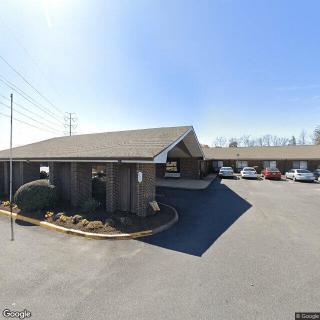






 An Extensive Exploration of the VA Aid and Attendance Benefit
 Senior Transition Services: Understanding Their Role, Cost, and Importance
 Exploring the Path to Senior Living: A Comprehensive Look at Independent Living and Assisted Living