
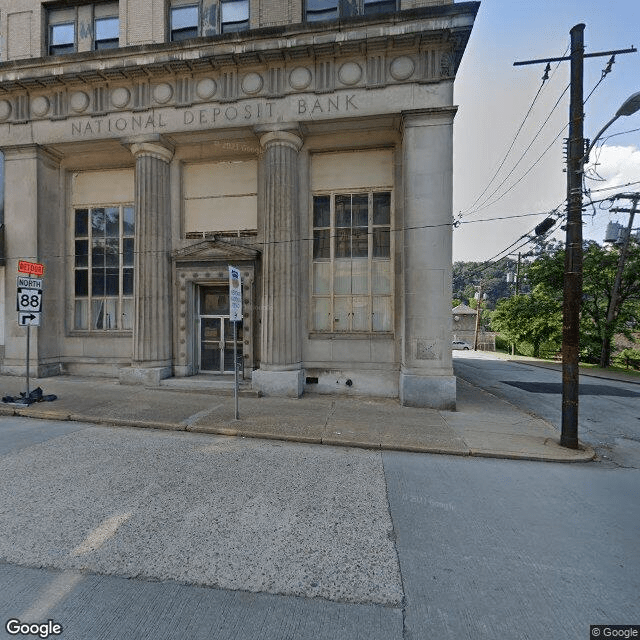
100 High St, Brownsville, PA 15417
To contact a resident: (724) 785-9605
For more information about senior living options: (866) 208-4318
Overall Review of Brownsville Apartments
Pros
 It used to be a beautiful place to live.
- It was a place where families could grow up and make memories.
- There is hope for a full comeback with a new owner who cares.
Cons
 It used to be a beautiful place to live, but people stopped caring and the work needed to be done by professionals.
- HUD money wasn't being used in the building.
- The place is described as falling apart and in need of shutdown.
- The property is not the best option unless someone is low income.
- There is a sense of shame about the situation.
Review
Brownsville Apartments in Brownsville, PA is best suited for households that must tightly constrain housing costs and can tolerate aging infrastructure and variable on-site responsiveness. This is not a place for buyers seeking modern amenities or strong, proactive maintenance; it serves residents who prioritize the lowest possible rent and are willing to live with the trade-offs that often accompany budget housing. The history hints at what could be a solid community under capable ownership, but the current reality demands a practical tolerance for upkeep gaps and a long horizon for any meaningful improvement. In practical terms, this is a budget-friendly option for those who cannot afford, or do not need, upscale living environments.
For families or individuals with higher expectations around upkeep, safety, and reliable management, alternatives deserve serious consideration. Communities that demonstrate consistent repairs, transparent fund use, and visible capital improvements typically outperform when rent remains in a similar range. If dependable housekeeping, predictable service responses, and a clear, accountable management plan matter, it is prudent to compare Brownsville against other options with documented track records. Those who cannot tolerate repeated delays or vague explanations about work orders should prioritize other communities rather than counting on a turnaround under new ownership.
Pros reportedly center on affordability and the potential that a future owner will bring professional management and targeted repairs. The appeal once included a well-located setting and a sense of community for residents who need to minimize housing costs. The upside rests on the possibility that a new owner will invest in the building, address deferred maintenance, and implement a credible capital program. However, these positives hinge on real action. Without committed capital injections and accountable operators, the best-case scenario remains tentative rather than realized, and affordability only buys time if tangible improvements follow.
The most significant cons are persistent maintenance challenges and concerns about how funds are allocated. Several reviewers describe deterioration and a sense of instability that undermines daily life. Reports of delays, incomplete projects, and questions about proper fund use contribute to a perception of risk, safety and comfort can be compromised if issues persist. The sentiment that “not the best unless low income” encapsulates a core trade-off: the rent may be low enough to justify staying only when the budget is the dominant constraint, not when quality of living or safety is the priority. Prospective residents must weigh potential savings against the likelihood of ongoing disruption and suboptimal conditions.
Decision-making should be disciplined. Before committing, seek current ownership details, request a recent property condition report, and demand clarity on any capital improvement plan and funding status. Tour the property, speak with residents about maintenance response times, and verify who oversees HUD-related funding decisions. Ask for specifics: what repairs have been completed recently, what items remain outstanding, and what timeline exists for upgrades. If the responses are uncertain or evasive, it is prudent to pursue alternatives rather than lock into a long-term arrangement that may fail to meet fundamental expectations.
Bottom line: Brownsville Apartments may fit those whose primary objective is housing affordability and who can tolerate occasional maintenance lapses and management uncertainty. It is less suitable for anyone seeking reliable upkeep, strong safety standards, and steady, professional administration. Families weighing options should anchor decisions in current ownership, concrete repair plans, and verifiable records of fund use and capital investment. When faced with a choice between affordable, unpredictable living here and steadier, better-managed communities nearby, the prudent path is to pursue the latter unless a credible turnaround plan with tangible, documented steps is presented.
 Independent Living



 Comprehensive Guide to Medicare Coverage for Hospice Care
 Caring for Those Who Care: Recognizing, Understanding, and Overcoming Caregiver Burnout
 Caregiver Exhaustion: Recognizing the Signs and Restoring Your Well-Being