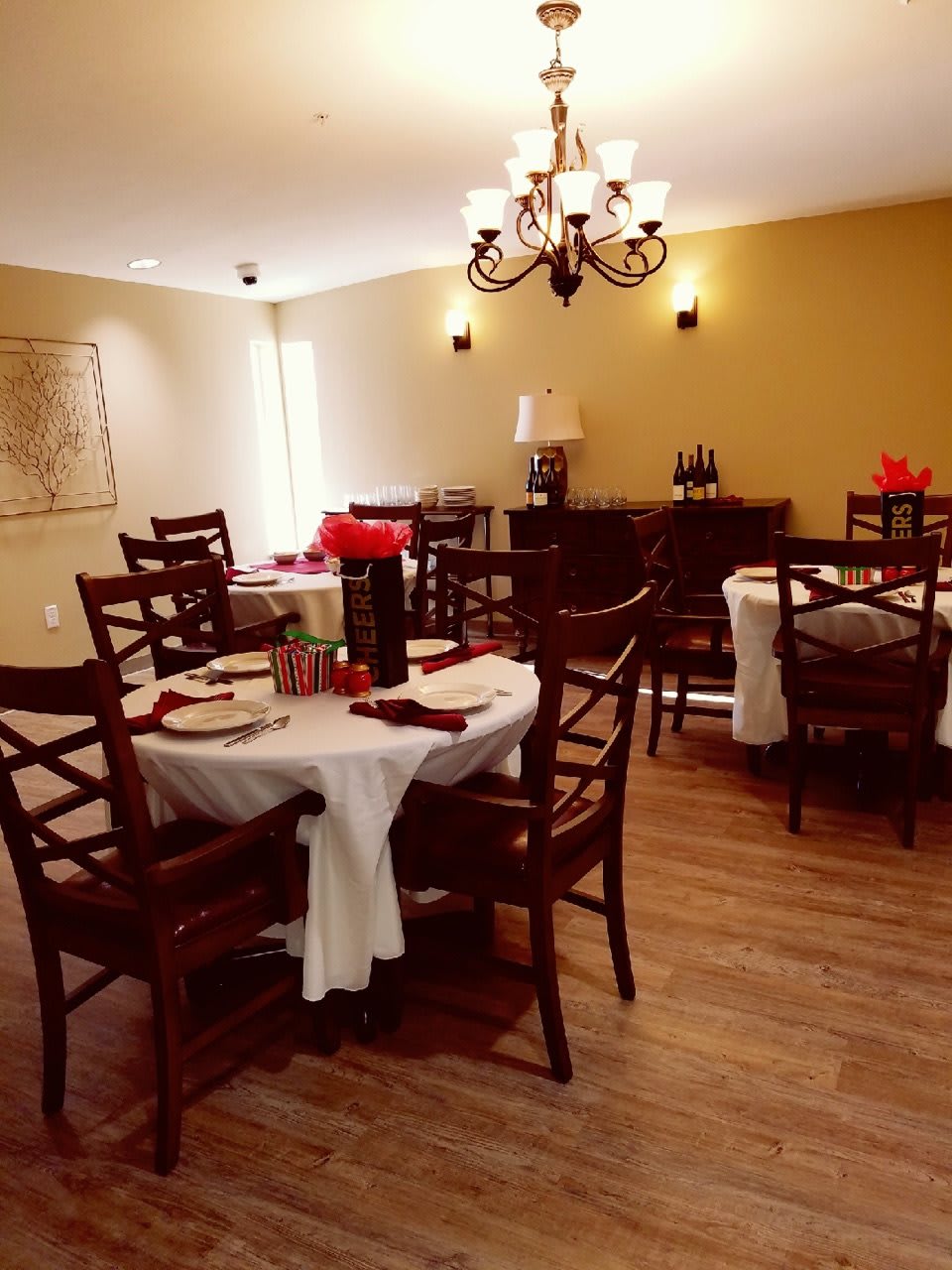
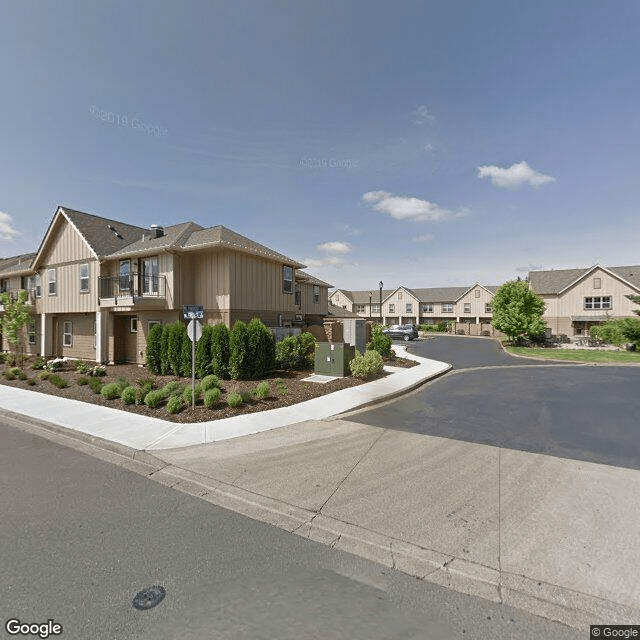
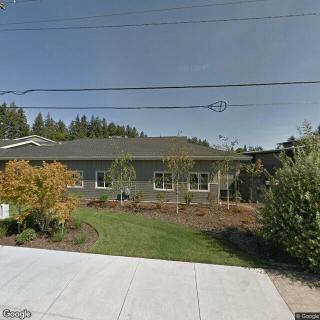
219 NE Fircrest Dr, McMinnville, OR 97128
For more information about senior living options: (866) 208-4318
McMinnville Senior Living Apartments Costs & Pricing
McMinnville Senior Living Apartments offers competitive pricing compared to the broader market in both Yamhill County and the state of Oregon. For instance, a studio apartment at McMinnville is priced at $1,800 per month, significantly lower than the average of $4,837 in Yamhill County and $3,815 statewide. Similarly, their one-bedroom units are available for $2,100, which also contrasts favorably with Yamhill County's average of $4,069 and Oregon's average of $3,904. The two-bedroom apartments at McMinnville are priced at $2,595 - again a remarkable value when compared to the local county average of $4,662 and the state average of $4,436. Overall, McMinnville Senior Living Apartments provide an attractive option for seniors seeking affordable living arrangements without compromising on quality or community engagement.
| Floor plans | McMinnville Senior Living Apartments | Yamhill County | Oregon |
|---|---|---|---|
| Studio | $1,800 | $4,837 | $3,815 |
| 1 Bedroom | $2,100 | $4,069 | $3,904 |
| 2 Bedrooms | $2,595 | $4,662 | $4,436 |
Independent Living communities with a similar price nearby
-
from -$265 / mo
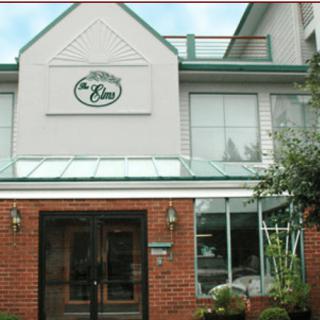
The Elms Retirement Community
$1,535 to $2,160 / month22.2 miles away -
About the same
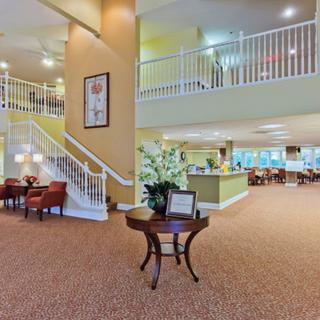
Brookdale Wilsonville
$1,775 to $3,565 / month20.7 miles away -
from -$105 / mo
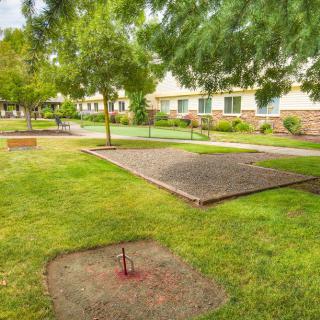
Cascade Park
$1,695 to $2,750 / month14.4 miles away -
from -$250 / mo

Mount Angel Towers
$1,550 to $2,500 / month20.3 miles away -
from +$309 / mo
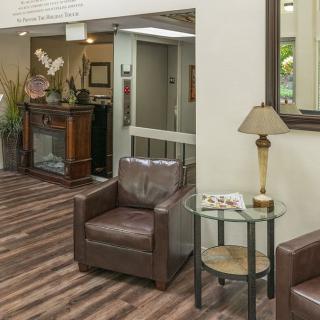
Holiday Madrona Hills
$2,109 to $3,889 / month21.2 miles away
Overall Review of McMinnville Senior Living Apartments
Pros
 Fircrest is a wonderful place for residents to live.
- The staff are friendly and helpful, and many have been with Fircrest for years.
- Residents feel like the employees and other residents are part of an extended family.
- The caregivers show compassion toward residents, especially in difficult times.
- Fircrest Memory Care was a supportive haven for a family member, with friendly and genuinely attentive staff.
- The management is efficient and communicates regularly, with care staff taking an honest interest in residents.
- The social worker helped families through tough decisions and was top-notch.
- Families appreciate the level of care and the love shown to their relatives.
- Residents are loving and caring, and their smiling faces reflect good care.
- There is camaraderie among staff and, in some cases, good food at Fircrest.
Cons
 They barely pay staff above minimum wage.
- They treat their staff like absolute garbage.
- They allow alcoholics and potheads to smoke and drink in the parking lot.
- They sweep everything under the rug for workers who work downstairs because they're all family and friends.
- They severely neglect their residents.
- They lack compassion, knowledge, cleanliness, and overall care.
- They failed to notice a resident fallen forward in her wheelchair in the dining hall.
- They tolerate clothing going missing and inconsistent laundry care and room cleaning.
- They do not inform families promptly about serious health issues.
- They would not let family members talk to their relatives on the phone and rushed conversations.
- They tolerate poor behaviors among staff and the director does not engage with families.
- They do not follow basic food hygiene: no gloves, no hairnets, ice-cold seafood, and dirty clothes handling food.
Review
This community is best suited for families who want a warm, person-centered vibe where a number of frontline caregivers have long tenures and residents can benefit from ongoing, visible staff relationships. The strongest value appears when a family can stay engaged, visit consistently, and press for personal updates, because day-to-day care quality in practice hinges heavily on individual caregivers and their connections with residents. In other words, it rewards families who are prepared to be active partners in care rather than passive observers.
Those who should consider alternatives include anyone whose loved one requires steadier medical oversight, highly reliable safety monitoring, or transparent, frequent health reporting. Several reviews raise red flags about neglect, unexplained gaps in care, and poor communication with families, issues that escalate quickly if a facility cannot provide timely medical updates or a consistent, accountable response to concerns. Language barriers and cultural competence gaps also matter for residents who rely on staff for meaningful daily assistance and communication with family members.
Pros at their best are tangible but uneven. A handful of reviewers praise friendly, long-standing staff who seem genuinely engaged with residents, including memory-care teams that conveyed compassion during difficult periods. Positive mentions also note decent food and a sense of community or “extended family” among residents and caregivers when the institution is operating smoothly. A responsive social worker and some efficient management moments have been cited as helpful in navigating difficult decisions and transitions, which can be a real lifeline for families facing memory-care choices.
The main drawbacks, however, are substantial and recurring. A large portion of reviews describe neglectful patterns, disorganization, and a troubling lack of attentiveness to residents’ basic needs and safety. Incidents cited range from glitches in clothing and personal belongings to more alarming concerns about falls, inadequate personal care, and even withheld or incomplete communication about significant health events. Theft or loss of personal items and substandard food handling practices emerge as particularly worrisome. The combination of inconsistent care and poor information flow from staff or leadership makes it difficult to trust the day-to-day stability of a loved one’s environment.
In weighing pros against cons, the positives do not reliably offset the risks. The presence of caring individuals in some shifts, occasional good meals, and supportive staff stories are meaningful, but they are not consistently realized across shifts, units, or weeks. The most serious issues, safety lapses, abrupt or absent health updates, and perceived indifference from management, pose real threats to resident well-being and family peace of mind. For families with limited ability to visit frequently, the reliability gaps become even more consequential, turning what could be a comfortable home into a source of ongoing worry.
For families seriously considering this community, take concrete, up-front steps before deciding. Schedule multiple tours at different times of day, including peak and off-peak hours, to observe how staff interact with residents and handle routine tasks. Request a direct meeting with the administrator to review incident logs, staffing levels by shift, and the facility’s process for timely health updates, allergy management, and medication administration. Ask for recent state inspection reports and references from current families, and consider a trial period if offered. Finally, assess local alternatives with stronger reputations for safety, transparency, and consistent communication, especially options that demonstrate stable staffing, rigorous care protocols, and proactive family engagement. The choice should prioritize resident safety and reliable communication, because without those, even the most well-meaning staff cannot deliver the dependable care families expect.
 Independent Living
 Cats allowed
 Dogs allowed
 Activities off-site
 Air-conditioning
 Cable or satellite TV
 Devotional services off-site
 Full kitchen
 Indoor common areas
 Outdoor common areas
 Wheelchair accessible showers
 Wi-Fi/high-speed internet available
 Guest meals
 Art classes
 BBQs or picnics
 Birthday parties
 Day trips and outings
 Happy hour
 Stretching classes
 Trivia games
 Wine tasting




 Comprehensive Approaches for Arthritis: A Detailed Guide to Symptoms, Causes, and Care
 Comprehensive Insights and Practical Strategies to Help Older Adults Avoid Falls
 6 Crucial Ways an Elder Law Attorney Assists Families