For more information about senior living options: (866) 208-4318
4.7 from 33 reviews
5 stars
28
4 stars
2
3 stars
2
2 stars
0
1 stars
1
Parkland Village Costs & Pricing
At Parkland Village, the monthly costs for various room types reflect a competitive pricing strategy within the local and state context. For instance, the 2-bedroom units are priced at $3,845, which is significantly lower than both Yamhill County's average of $4,662 and Oregon's statewide average of $4,436. In comparison, the studio apartments are offered at $4,225 - again exceeding the state average of $3,815 but remaining below Yamhill County's figure of $4,837. Meanwhile, the 1-bedroom options are listed at $4,575, placing them higher than both county and state averages of $4,069 and $3,904 respectively. Overall, Parkland Village presents enticing values for prospective residents seeking comfortable accommodations while navigating varying regional market trends.
Floor plans
Parkland Village
Yamhill County
Oregon
2 Bedrooms
$3,845
$4,662
$4,436
Studio
$4,225
$4,837
$3,815
1 Bedroom
$4,575
$4,069
$3,904
Assisted Living communities with a similar price nearby
Residents and families repeatedly describe staff as responsive, attentive, and kind.
Many reviews highlight how staff members communicate well and follow through, including helping with tours, transitions, and day-to-day needs. Several residents’ family members say the front office and community team are welcoming and professional, and that staff know residents by name. A few reviews are an exception, describing management as unresponsive or noting employee turnover, but the majority of feedback is that staff are supportive and engaged.
differentiator7 reviews mention this
Restaurant-style dining is a draw
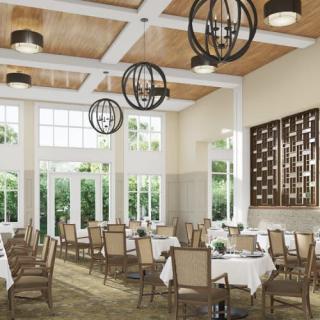
Dining stands out with restaurant-style meals and menu choices residents talk about.
Several reviews praise the dining experience, calling it nice and inviting, with menu choices people enjoy. Residents’ families also describe meals as a positive part of daily life, and one review mentions room for residents to enjoy dining in the dining room. At the same time, one review pair raises concerns that the food felt overly processed and that protein options were difficult for a parent with missing teeth, which contributed to dissatisfaction.
common4 reviews mention this
Activities keep residents engaged
Families describe a steady mix of activities that keep residents busy.
Multiple reviews mention activity options and residents being engaged, including social times and structured activities. One review highlights specific gathering-style entertainment and a focus on day-to-day engagement, while another notes residents are always doing something. A related theme is that residents spend time in common areas with things like puzzles and other on-site pastimes.
common2 reviews mention this
Close to doctors and shopping
The location is described as convenient for medical care and nearby destinations.
Reviews describe the community as close to hospitals and doctors’ offices, which families see as a practical benefit. At least one review also points out nearby attractions, noting the Evergreen Air Museum area down the street. Overall, the feedback suggests convenience for errands and appointments.
caveat2 reviews mention this
Maintenance and food issues frustrate
Some residents’ families report breakdowns in food support and slow maintenance follow-through.
One review pair describes dissatisfaction with meal quality, including concerns about processed food and protein choices, plus a long effort to adjust menus without resolution. The same reviews also report slow routine maintenance, delays related to accessibility toilet requests, and problems that they attribute to management and staff turnover. While these concerns appear in only a couple reviews, they are substantial enough to explain why a move to another facility became necessary.
How we summarize
Counts show how many written reviews mention each theme; a review can touch several themes, and only frequently mentioned themes are displayed.
Features
Types of Care
Assisted Living
Independent Living
Pets
Cats allowed
Dogs allowed
Amenities
Activities off-site
Activities on-site
Air-conditioning
Bath tubs
Beautician on-site
Devotional services off-site
Devotional services on-site
Full kitchen
Indoor common areas
Kitchenette
Outdoor common areas
Respite or short term stays offered
Wheelchair accessible showers
Care Services
Ambulatory care
Diabetic care
Incontinence care
Medication management
Dining
Guest meals
Meals provided
Restaurant style dining
Room service
Activities
Activities off-site
Activities on-site
BBQs or picnics
Day trips and outings
Devotional activities offsite
Devotional activities on-site
Happy hour
Live dance or theater performances
Live musical performances
Live well programs
Stretching classes
Trivia games
Nearby Places of Interest
This area of McMinnville, Oregon, offers a convenient and vibrant community for senior living. With a variety of theaters, restaurants, cafes, and parks within close proximity, there are plenty of opportunities for entertainment and relaxation. Additionally, the presence of reputable physicians, pharmacies, and places of worship ensures access to essential healthcare services and spiritual support. The proximity to McMinnville Municipal Airport provides easy transportation options for seniors who may need to travel or have visitors arrive by air. Overall, this part of McMinnville offers a well-rounded environment with diverse amenities that cater to the needs and interests of older adults seeking a comfortable and engaging lifestyle.
Theaters
Mcminnville Cinema (0.4 miles)
Physicians
McMinnville Internal Medicine (0.5 miles)
McMinnville Surgical Associates (0.5 miles)
Valley Women's Health (0.5 miles)
Willamette Valley Orthopedics & Sports Medicine (0.5 miles)
Mcminnville Orthopedic & Hand Surgery (0.6 miles)
McMinnville Eye Clinic (0.6 miles)
Silver Falls Dermatology (0.6 miles)
Restaurants
McDonald's (0.5 miles)
The Diner (0.6 miles)
Golden Valley Brewery And Restaurant (1.6 miles)
Westrey Wine Co. (1.7 miles)
Grain Station Brew Works (1.7 miles)
Heater Allen Brewing (1.7 miles)
Bistro Maison (1.7 miles)
Parks
Evergreen Aviation Playground (0.7 miles)
Airport Park (0.7 miles)
McMinnville City Park (2 miles)
Discovery Meadows Community Park (3 miles)
Amity City Park (6.6 miles)
Erratic Rock State Natural Site (8 miles)
Transportation
McMinnville Municipal Airport (MMV) (0.9 miles)
Redline Aviation (1.8 miles)
MC Minnville Muni Airport-Mmv (2.1 miles)
Cafes
Mac Market (1.6 miles)
K & F At Union Block Coffee (1.9 miles)
Ooh La Latte (2.2 miles)
Starbucks (2.5 miles)
Social Goods (11.1 miles)
Pharmacies
Walmart Pharmacy (1.9 miles)
Miller (2 miles)
Mac Prescription Shop (2 miles)
Walgreens (2 miles)
Rite Aid (2.3 miles)
Sav-On Pharmacy (2.4 miles)
Albertsons Pharmacy (2.4 miles)
Places of Worship
Sunrise Church (1.9 miles)
Creekside Community Church (2 miles)
First Baptist Church (2 miles)
St Barnabas Episcopal Parish (2.4 miles)
Baker Creek Community Church (2.7 miles)
General Conference Of Seventh-Day Adventists (3 miles)
At Parkland Village, the monthly costs for various room types reflect a competitive pricing strategy within the local and state context. For instance, the 2-bedroom units are priced at $3,845, which is significantly lower than both Yamhill County's average of $4,662 and Oregon's statewide average of $4,436. In comparison, the studio apartments are offered at $4,225 - again exceeding the state average of $3,815 but remaining below Yamhill County's figure of $4,837. Meanwhile, the 1-bedroom options are listed at $4,575, placing them higher than both county and state averages of $4,069 and $3,904 respectively. Overall, Parkland Village presents enticing values for prospective residents seeking comfortable accommodations while navigating varying regional market trends.
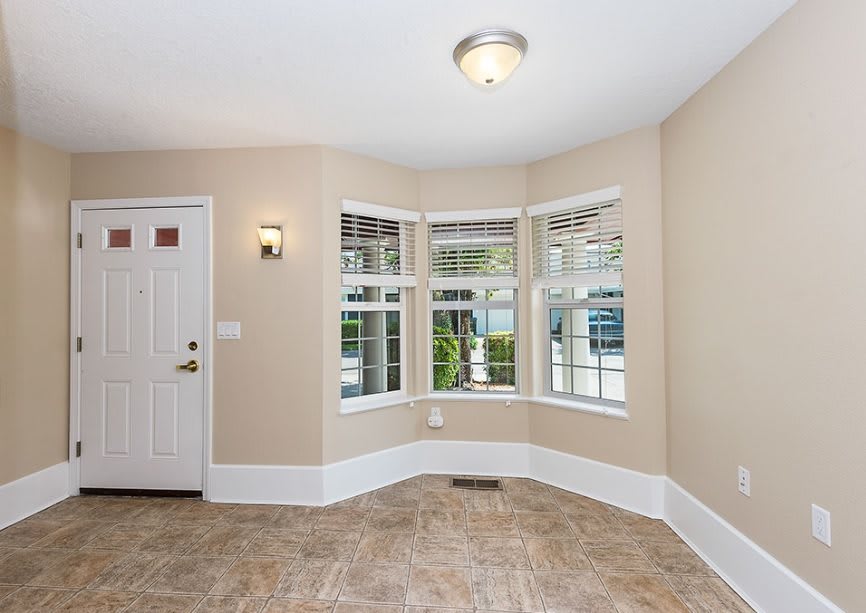
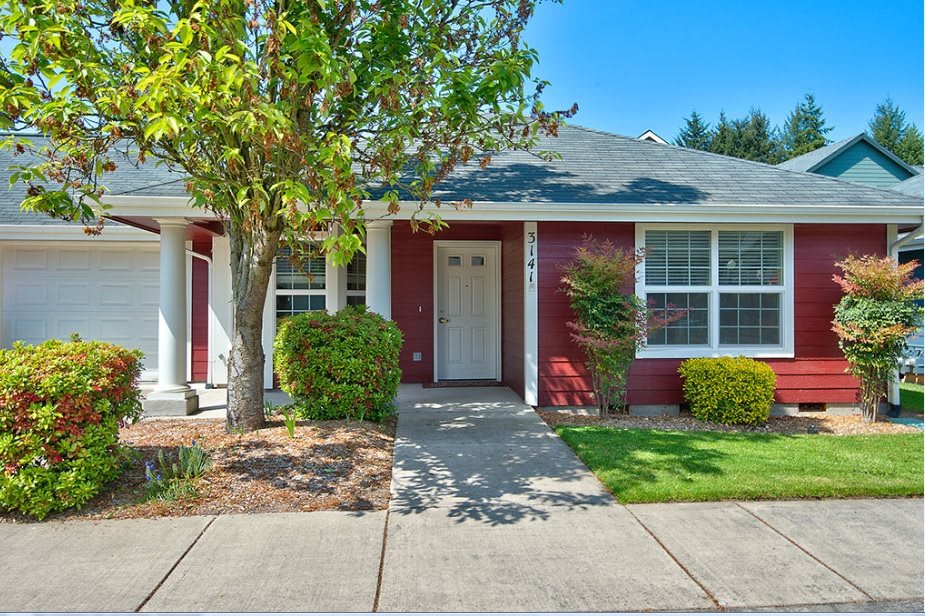
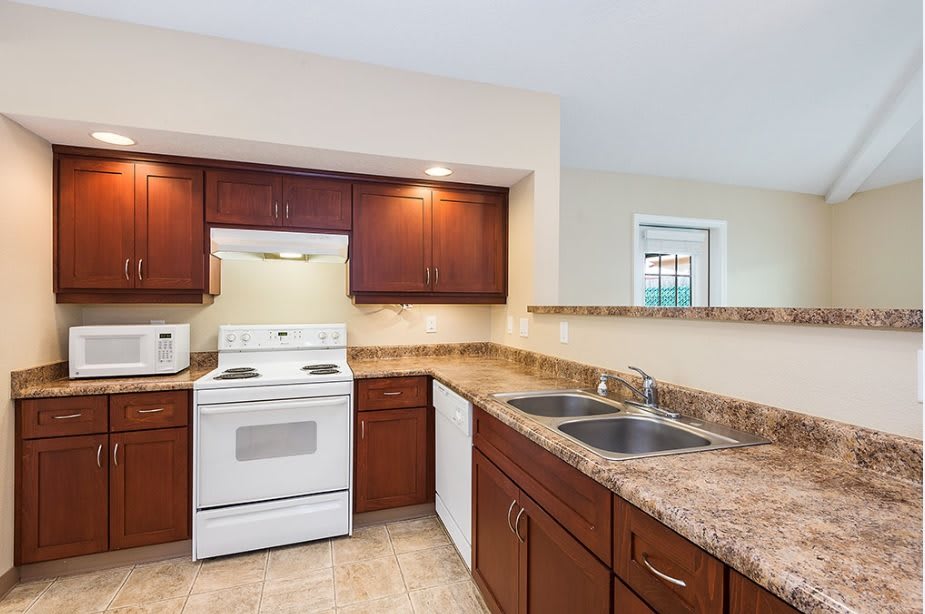
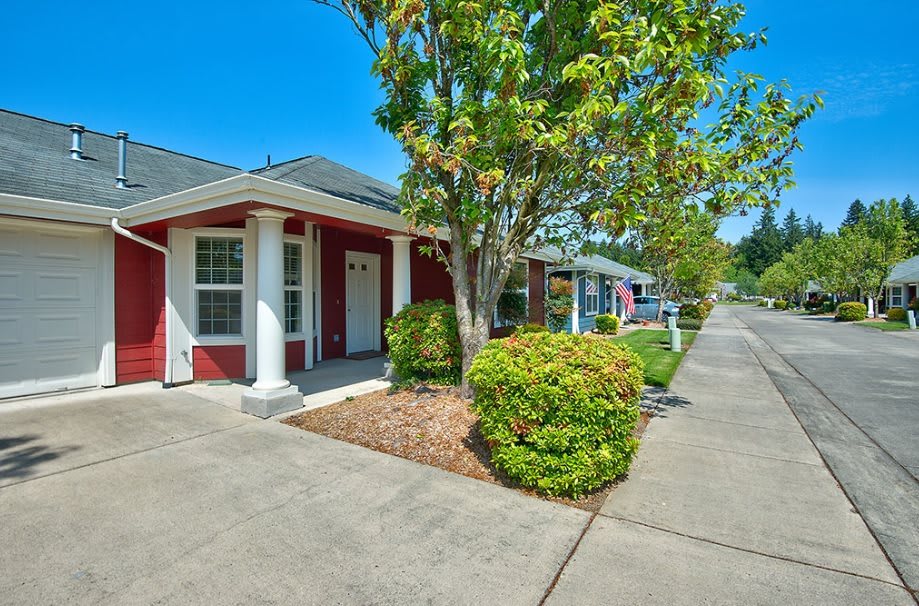
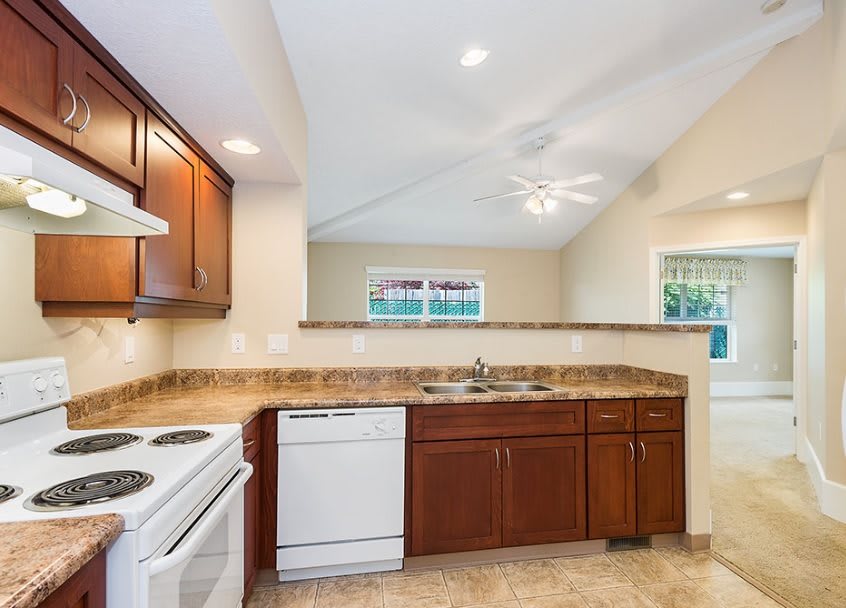
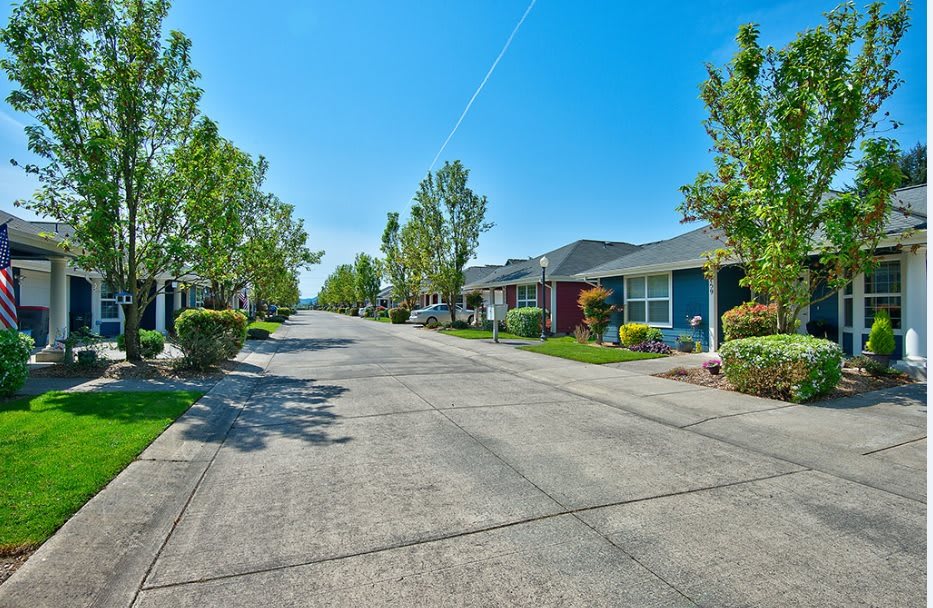
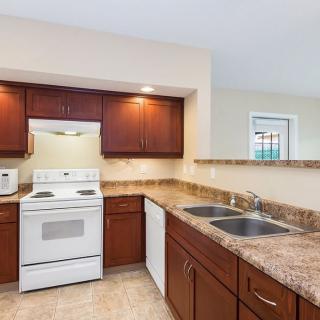
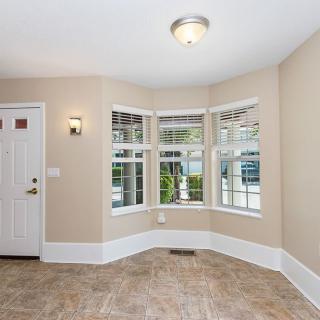
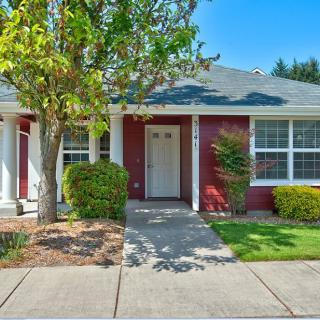
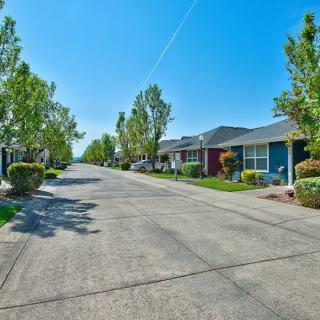
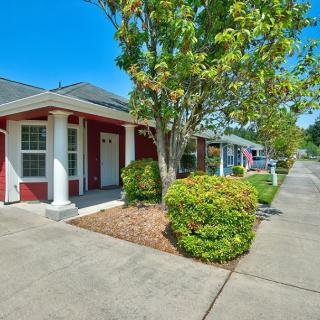
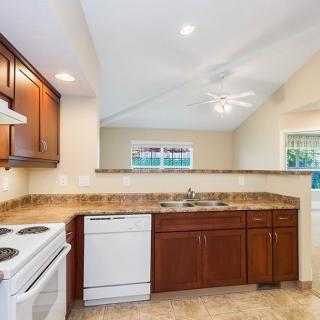
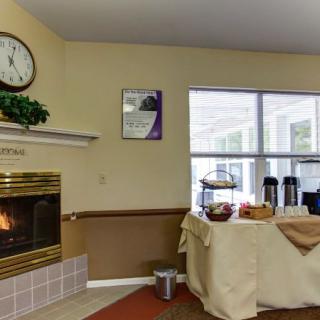
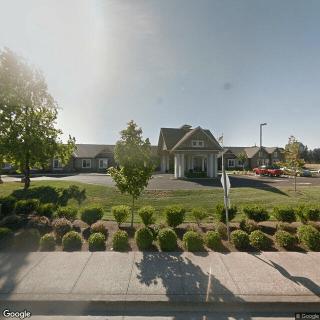
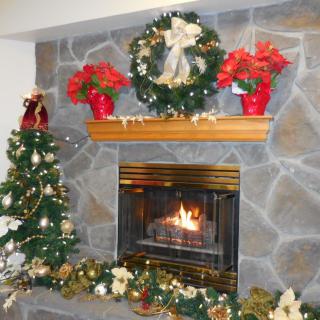
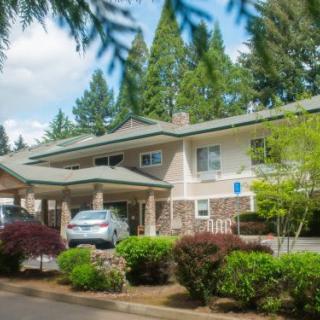
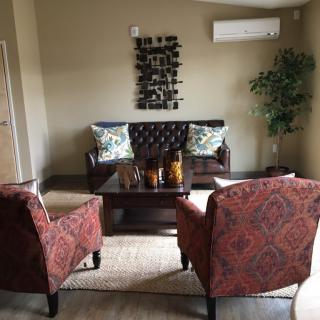
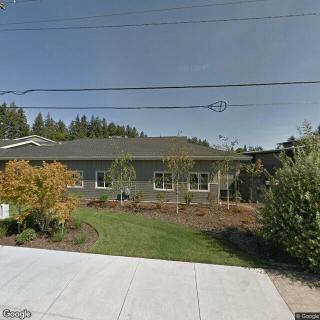
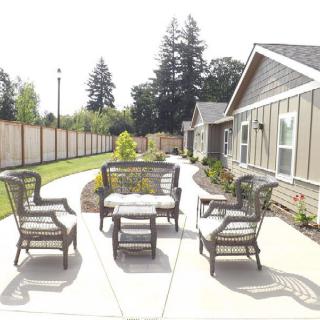
Parkland Village on seniors.fyi includes 6 photos including images showing landscaping, interior, tree, sidewalk, kitchen, cabinets, appliances, light fixture, and more.
Nearby Communities
Parkland Village Retirement Community
McMinnville, OR
4.5 from 16 reviews
Comfortable independent cottages with maintenance, utilities included, and three meals daily.
Maple Valley Memory Care
Mcminnville, OR
3.2 from 18 reviews
$13,725 / month
Compassionate staff in some cases; dedicated memory care focus.
Fircrest Senior Living
McMinnville, OR
3.4 from 33 reviews
$2,950 to $4,100 / month
Attentive staff, clean and beautiful apartments, and a supportive community.
McMinnville Senior Living Apartments
McMinnville, OR
2.8 from 19 reviews
$1,800 to $2,595 / month
Affordable pricing paired with extensive amenities and an active social calendar.
Marjorie House Memory Care Community
Mcminnville, OR
3.6 from 19 reviews
Clean, bright, well-maintained facility with friendly staff, spacious private rooms, and engaging daily activities.
Marjorie House Memory Care
McMinnville, OR
3.7 from 16 reviews
$5,030 / month
Staff treat residents like family with engaging activities and on-site medical care.
Cherrywood Memory Care
Mc Minnville, OR
3.7 from 20 reviews
$4,100 to $4,900 / month
Caring staff and engaging activities in a welcoming environment.
Brookdale McMinnville City Center
Mc Minnville, OR
4.2 from 32 reviews
$4,460 to $6,875 / month
Caring staff, clean environment, and engaging activities.
Hillside Retirement Communities
McMinnville, OR
4.3 from 44 reviews
$2,040 to $3,120 / month
Clean and well-maintained facility with friendly staff and engaging activities.
Vibrant Senior Living emphasizes active senior living communities that promote independence and engagement through diverse amenities and activities, fostering wellness and social interaction among older adults. These communities range from independent to assisted living, with a focus on personal growth, family involvement, financial planning, and leveraging technology to enhance residents' experiences.
Transitioning from assisted living to memory care is driven by an individual's cognitive decline and specific needs, requiring careful evaluation of indicators like increased confusion and wandering. The process involves consulting medical professionals, researching suitable communities, considering financial and legal aspects, and ensuring effective communication for personalized care plans.
Assisted living provides moderate support for seniors seeking independence, while memory care offers specialized support for individuals with dementia or cognitive impairments through structured routines and trained staff. Key differences include care approaches, environment security measures, staff training levels, activity types, and cost considerations.
Get PricingAsk A QuestionSchedule A TourContact Senior Advisor
By clicking submit, you agree to our Partner's Terms of Use. You
also consent to receive calls and texts, which may be autodialed, from our Partner. Your consent is not a condition to
using our Partner's service. Please visit our Partner's Privacy Policy for information about their privacy practices.

 Assisted Living
 Independent Living
 Cats allowed
 Dogs allowed
 Activities off-site
 Air-conditioning
 Bath tubs
 Beautician on-site
 Devotional services off-site
 Full kitchen
 Indoor common areas
 Outdoor common areas
 Respite or short term stays offered
 Wheelchair accessible showers
 Ambulatory care
 Diabetic care
 Incontinence care
 Medication management
 Guest meals
 BBQs or picnics
 Day trips and outings
 Happy hour
 Live dance or theater performances
 Live musical performances
 Live well programs
 Trivia games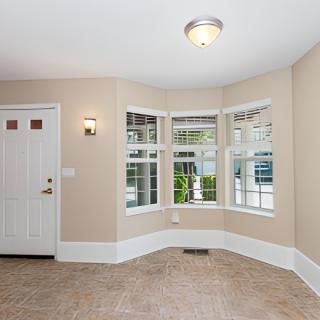
 Comfortable independent cottages with maintenance, utilities included, and three meals daily.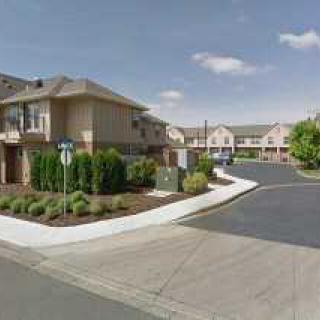


 Vibrant Senior Living: A Comprehensive Guide for Active Older Adults
 When to Transition from Assisted Living to Memory Care: Key Indicators, Steps, and Finding the Right Community
 Assisted Living and Memory Care: Understanding Their Core Differences