
2855 North East Cumulus Avenue, Mcminnville, OR 97128
For more information about senior living options: (866) 208-4318
Overall Review of Marjorie House Memory Care Community
Pros
 Marjorie House provides excellent memory care with extraordinary care from friendly staff who treat residents like family.
- Residents are happy and well cared for, with clean rooms and attentive staff.
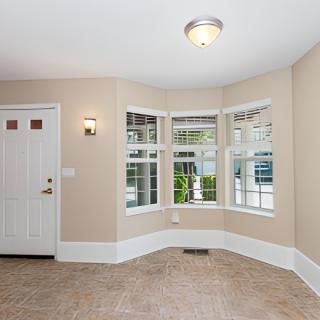
- The facility is clean, bright, and welcoming, with a warm and cozy atmosphere.
- It maintains strong infection control precautions.
- An activities director leads engaging activities to keep residents mentally and socially active.
- Residents can stay connected with family through cellphones and iPads provided by the facility.
- Staff members work hard to keep residents happy and safe.
- The community offers a small bus for local outings, helping residents stay connected with the surrounding area.
- Families appreciate that staff make efforts to keep them connected during visits.
Cons
 The staff’s ripped jeans with holes were deemed inappropriate and unprofessional.
- The facility does not have enough staff to care for all residents.
- The RN speaks badly about residents, and Sara does not listen to staff or follow through.
- No one remembers residents’ names; changes are made only once per day and lifts are not used.
- The facility is terrible and would not be recommended for employees or family.
- Customer service is extremely poor, with a month-long delay to return a call.
- A resident reportedly lost about 60 pounds after moving in, with care plans not followed and poor communication from ownership/admin, plus lack of staff training.
- The tour left a negative impression: staff were not enthusiastic, there were no outings, and the rooms were not good.
Review
Marjorie House Memory Care Community in McMinnville is best suited for families seeking a dementia-focused setting where privacy, daily structure, and engaging programming are clear priorities. The community offers private rooms with individual bathrooms, a courtyard-centered layout, and a bus for community outings, all of which support autonomy while keeping residents physically and socially engaged. Visitors consistently note a warm, homelike atmosphere and a facility that is clean, bright, and purpose-built for memory care. For families who want visible activity schedules, accessible outdoor spaces, and a sense that staff are working toward meaningful daily moments for each resident, Marjorie House presents a compelling option.
Those who may want to consider alternatives are families with very high expectations for staffing consistency, predictable care plans, and airtight administrative responsiveness. Several reviews flag uneven front-end communications, slow returns on inquiries, and questions about how care plans are implemented day to day. Weight and nutrition concerns, lapses in routine monitoring, and mixed impressions of leadership point to a need for a facility with a more consistently proactive management presence. If a family cannot tolerate variability in how care is coordinated or has had experiences where administrative follow-through has fallen short, other communities with stronger, more transparent governance should be on the short list.
The strong points at Marjorie House often offset some of the more challenging aspects. The private rooms, each with a bathroom, maximize residents’ dignity and privacy, while the shared common spaces and a robust activity sphere keep residents connected to daily life. Families frequently praise supervised activities, a dedicated activity director, and opportunities for social engagement, including exercise classes and organized outings. The on-site dietitian and the ability to tailor activity and meal experiences to individual preferences are meaningful advantages for memory care, where personalized routines can improve mood and overall function. Family updates via social media and email help maintain connection when in-person visits are limited, which is a notable benefit for long-term stays.
However, the main concerns remain real and substantive. Reports of inconsistent staffing levels and occasional lapses in care planning cannot be dismissed, especially when coupled with negative experiences related to administration or communication. Some residents have faced serious care gaps, including significant weight loss, lapses in changing incontinence supplies, and questions about adherence to signed care plans. Instances of perceived or reported staff disrespect, high administrator turnover, and delayed or inadequate response to family concerns further complicate the decision. Lifting and transfer safety also receives mixed mentions, with some notes suggesting limited use of lifts and daily change frequencies that may feel insufficient to families managing complex needs.
To evaluate whether Marjorie House matches a family’s particular needs, ask pointed questions about staffing ratios by shift, supervision and training for med techs, and how the care plan is reviewed and updated. Probe the process for weight and nutrition monitoring, emergency responsiveness, and how family members can participate in or observe care decisions. Request concrete examples of how concerns have been addressed in the past, and obtain recent references from other families who can speak to current administrative responsiveness. Touring families should also verify room availability, the security features that feel appropriate without feeling invasive, and the cadence of family communications that align with the loved one’s care timeline.
In the end, Marjorie House Memory Care Community offers a compelling blend of warmth, privacy, and meaningful activity within a secure memory-care framework. It is a strong match for families who prioritize individual rooms, daily engagement, and a setting that feels like a contained, supportive neighborhood. The cautions are nontrivial: staffing stability and consistent, transparent governance must be actively managed. If those elements can be met or closely monitored, Marjorie House can deliver a high-quality, dignified living environment for a loved one with dementia. If not, alternatives with a more uniform administrative track record and tighter care-plan accountability should be explored, even as Marjorie House remains a viable contender for the right family.
 45 resident community capacity
 Studio apartments
 Assisted Living
 Beauty salon
 Cable or satellite TV
 Dining room
 Fully furnished
 Garden
 Housekeeping services
 Kitchenette
 Move-in coordination
 Outdoor space
 Restaurant-style dining
 Small library
 Telephone
 Wi-Fi/high-speed internet available
 24-hour call system
 Activities of daily living assistance
 Assistance with bathing
 Assistance with dressing
 Assistance with transfers
 Diabetes diet
 Medication management
 Mental wellness program
 Special dietary restrictions







 Assisted Living and Memory Care: Understanding Their Core Differences
 Beyond the Bingo Hall: 50+ Enriching Activities for Seniors in Assisted Living
 Understanding the Distinctions: Assisted Living and Memory Care Explained