
406 E Ruth Ave # 530, Sallisaw, OK 74955
To contact a resident: (918) 775-6208
For more information about senior living options: (866) 208-4318
TSA-LA-GI Apartments Costs & Pricing
The TSA-LA-GI Apartments present a competitive pricing structure in comparison to both Sequoyah County and the broader state of Oklahoma. For a one-bedroom unit, the rent is set at $3,095, which aligns perfectly with local county rates but falls short of the statewide average of $3,565. In terms of two-bedroom accommodations, TSA-LA-GI Apartments also offer their units at $4,100 - this matches the county's rate yet stands above the state average of $3,747. Overall, these apartments position themselves as an appealing option within Sequoyah County while reflecting a distinct value perspective against statewide pricing trends.
| Floor plans | TSA-LA-GI Apartments | Sequoyah County | Oklahoma |
|---|---|---|---|
| 1 Bedroom | $3,095 | $3,095 | $3,565 |
| 2 Bedrooms | $4,100 | $4,100 | $3,747 |
Overall Review of TSA-LA-GI Apartments
Pros
 The apartment complex is really nice.
- The residents are nice people.
- They have lived there for four years and consider it a really nice apartment complex.
- It serves elderly residents and people on Social Security, creating a welcoming community.
Cons
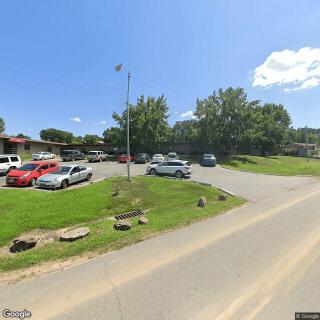
 The street the resident lives on does not exist, and the city has never finished making it a real street.
- The mail often isn’t delivered because it won’t fit in the small mailbox assigned to the resident.
- This has been the situation for 11 years.
- The apartment management has exhausted every avenue trying to fix the problem.
- Many apartments on that street in the complex go through the same issue.
- It would be expected that the city would pay attention and fix it, but it hasn’t.
Review
TSA-LA-GI Apartments in Sallisaw, Oklahoma, is best suited for seniors and adults on Social Security or disability who want a warm, neighborly, and stable living environment. The complex has earned a reputation as a comfortable, well-maintained home with a genuine sense of community. It suits households that prize quiet, long-term retirement living over flashy amenities, where residents tend to stay put rather than churn through new leases. In short, this is a practical, low-stress option for older adults who value a friendly atmosphere and predictable daily life more than resort-like extras.
Families considering alternatives should note a key wake-up call: the infrastructure around the property can create ongoing headaches despite the quality of living inside. One persistent gripe is the street addressing problem that many residents share, some maps don’t recognize the street, and mail can become a casualty of that mismatch. The situation has persisted for years, with management reportedly exhausting every avenue to fix it, yet street naming and routing remain unresolved. For anyone who relies on dependable mail delivery for medications, bills, or essential communications, this is a nontrivial, recurrent risk that can color the overall cost-benefit assessment.
On the plus side, the pros are tangible and meaningful. The apartments are described as nice and well-kept, with a palpable sense of community among neighbors. Residents emphasize the friendliness of the people who live there, and the property’s environment is especially supportive for those on disability or living with age-related needs. Four years of residency in one testimonial signals a stable, welcoming culture where people form lasting connections, and where staff and peers contribute to a steady, predictable daily routine. For decision-makers weighing quality of life against price, these social and residential anchors often matter more than cosmetic touches.
Those positives, however, are not enough to overlook the central limitation tied to the address issue. The street incongruity translates into mail delays or misdelivery, which can disrupt routine medical shipments, correspondence, and package receipts. Even when management is proactive and persistent in pursuing solutions, the city’s street infrastructure has a way of outlasting individual efforts. In practical terms, this means potential residents must be prepared to adapt, perhaps by arranging alternate mailing addresses, using on-site pickup if available, or coordinating with local postal services to mitigate disruption. The overarching message is clear: the community inside remains strong, but external logistics require tolerance and a contingency mindset.
From a decision-making standpoint, the recommendation is to couple the interior lived experience with a concrete verification step. Prospective residents or families should directly confirm current mail arrangements and inquire about any on-site alternatives for receiving packages. It’s essential to assess whether the street status has improved, stalled, or requires ongoing advocacy with city officials. Visiting the property to gauge the social fabric firsthand, talking to current residents about daily routines, nearby services, and independence supports, will clarify whether the internal warmth matches the practical reliability needed. Consider proximity to healthcare, groceries, and public transit as part of the overall equation.
The bottom line is practical and candid: TSA-LA-GI Apartments deliver solid value for seniors and adults on disability who want a friendly, stable, and quietly dignified place to live. The strongest appeal is the sense of community and the well-maintained, comfortable apartments that foster independence without sacrificing companionship. The main risk, the street/address and mail reliability, must be weighed with the resident’s ability to tolerate occasional logistical hiccups. For those who can accommodate or mitigate mail challenges, this community stands out as a dependable, welcoming choice. For decision-makers who cannot tolerate inconsistent mail delivery or who require a fully seamless address system, exploring alternatives with fewer external infrastructure quirks is a prudent next step.
 Independent Living






 Senior Move Management: Understanding the Role, Value, and Associated Costs
 Weight Training for Seniors: Building Strength and Vitality
 Understanding the Sandwich Generation: Stress and Responsibilities for Multigenerational Caregivers