
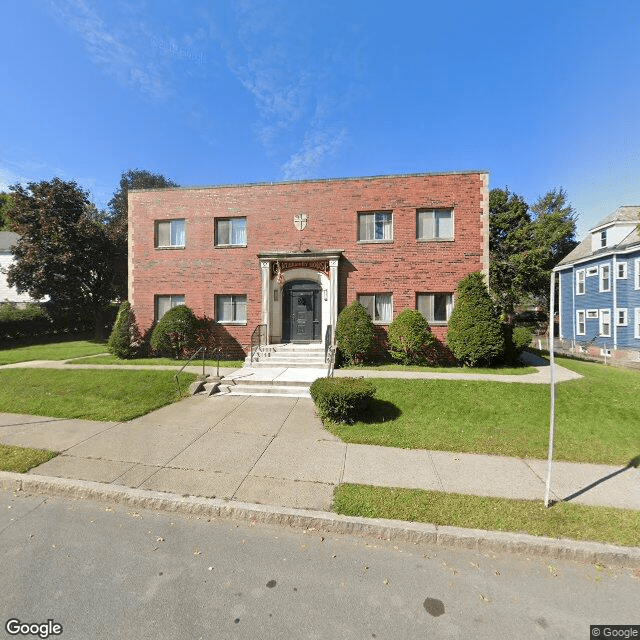
36 Pawling Avenue, Troy, NY 12180
To contact a resident: (518) 272-2371
For more information about senior living options: (866) 208-4318
Canterbury House Costs & Pricing
Canterbury House offers a competitive pricing structure for its one-bedroom accommodations at $1,640 per month, positioning itself as an attractive option within Rensselaer County and the broader New York state landscape. In comparison, the average cost in Rensselaer County stands at $2,156 per month, while the state-wide average escalates to $4,307. This substantial savings highlights Canterbury House's commitment to providing quality living spaces at a more accessible price point, making it an appealing choice for those seeking comfortable housing without compromising on budgetary concerns.
| Floor plans | Canterbury House | Rensselaer County | New York |
|---|---|---|---|
| 1 Bedroom | $1,640 | $2,156 | $4,307 |
Independent Living communities with a similar price nearby
-
from +$272 / mo
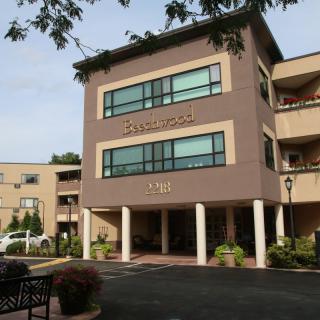
Beechwood at Eddy Memorial
$1,912 to $2,612 / month1.0 miles away -
from +$235 / mo
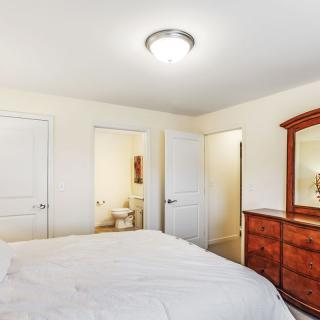
Summit at Eastwyck
$1,875 to $2,090 / month4.8 miles away -
from +$60 / mo
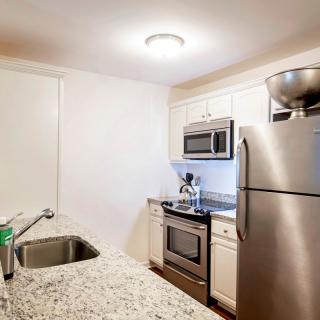
Summit at Glenwyck
$1,700 to $2,215 / month16.1 miles away -
from +$210 / mo
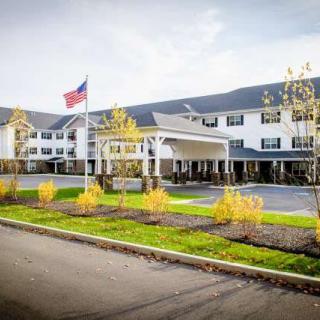
Pinnacle Living at Forts Ferry
$1,850 to $2,350 / month5.8 miles away
Overall Review of Canterbury House
Pros
 Residents enjoyed living there, appreciating easy access to downtown Troy while in a quiet residential neighborhood, with responsive management and maintenance, and they would recommend it to friends.
- The apartment is in a great location with easy access to downtown Troy and RPI, without being in the city center, and the building is a gorgeous old house.
- The landlord, Mr. Flynn, was very professional and responsive to questions and concerns, and the building is pet friendly.
- Canterbury House is safe, clean, and caring, with staff who welcome family members to dinner and provide attentive service.
- The manager is amicable and professional, greeting everyone with a positive attitude and being very helpful.
- Canterbury House is affordable for senior living and offers a safe, comfortable, high-quality life, giving families peace of mind.
- Historic Ardley Apts offer charm with original wood floors and historic character, a beautiful and safe neighborhood, and an easy walk to downtown Troy.
- It is one of the best properties in Troy: quiet, secure, with proactive and prompt maintenance, plus off-street parking and well-kept grounds.
Cons
 The manager is self-serving and appears not to care about tenants.
- The owner is arrogant and pompous with an inflated ego, and the management has ruined the building.
- The landlord is rude and arrogant, takes no responsibility, and is argumentative.
- The administrator seems phony, smiling only to sell another expensive room.
- The rent is exorbitant for what is offered, with residents paying for basic utilities plus extras like phone, internet, and TV.
- Residents are not allowed to offer input on new projects and are ignored.
- There is smoking in a non-smoking building, which the landlord ignores despite others confirming it.
Review
Canterbury House in Troy is best suited for independent seniors who want a small, homey, apartment-style community where safety, routine, and personal connections trump high-end amenities. It fits families seeking peace of mind: a compact campus with three meals a day included in a predictable rent, staff who know residents by name, and a neighborhood setting that is quiet yet walkable to downtown Troy and nearby points of interest. The reviews consistently point to a warm, family-friendly atmosphere, a place where residents can stay connected with loved ones through shared meals, visits, and regular on-site activities in a familiar, manageable environment. For a resident who values a tight-knit community over expansive programming, Canterbury House feels like a sensible, affordable choice.
Those who may want to consider alternatives are clear: if meal variety and quality are non-negotiable, if a broad activity calendar and strong resident input are priorities, or if accessibility needs are substantial, Canterbury House may fall short. Several reviewers flag concerns about meal generosity and menu options, with some residents receiving only basic alternatives when dishes aren’t appealing. Others note a relatively sparse lineup of activities and devotional programming, and a few express discomfort with how resident feedback is handled or not solicited. Mobility needs also loom large for some: there is a single ramp situation that can complicate access, and the building’s layout includes stairs, limiting appeal for anyone with significant mobility challenges. Finally, some experiences with management raise red flags for risk-aware families who prize transparent, consistently professional leadership.
The strongest, most durable pros are practical and tangible. The location offers easy access to downtown Troy and cultural and university resources while staying tucked into a quiet residential setting. The environment is described as safe and clean, with a small, intimate community where staff are responsive and familiar to residents and families. A faculty-friendly tone emerges in stories of staff inviting family members to dine, and in the way caregivers accommodate individual needs, whether that means offering a sandwich if a resident won’t eat the main course or arranging shared activities that include residents who rely on assistive devices. The three meals a day, included in the rent, are repeatedly cited as a meaningful value add for households watching food costs, and the building’s pet-friendly policy, plus the presence of occasional on-site entertainment and artist appearances, enhance quality of life without outsourcing the care you’d expect from a close-knit setting.
Yet the cons are not trivial, and savvy families will weigh them carefully against the positives. Management quality is uneven in the eyes of reviewers: some praise a warm, amicable manager who treats residents and families with respect, while others describe confrontations, perceived arrogance, or unresponsive problem-solving. Food and programming gaps recur in the critique: meals that may not satisfy every palate, limited daily activities, infrequent devotional services, and a sense that resident input does not drive changes quickly. Accessibility is a practical constraint, with only one ramp opportunity and outdoor access that can require navigating stairs or uneven terrain. The financial structure also matters: renters report a monthly rent that can be comfortably affordable relative to many markets, but with additional costs for internet, phone, or TV and occasional questions about what is included in the base rate. Cleaning frequency and in-unit services can feel lean compared with larger senior communities.
In terms of offset, Canterbury House works best for those who prioritize a peaceful, social, budget-conscious retirement footprint over breadth of services. The small scale creates accountability and familiarity: staff greet families, meals are predictable, and safety feels tangible in a well-kept setting. For residents who thrive on regular family involvement and who find purpose in simple, scheduled activities and occasional performances, the pros can outweigh the cons, delivering dignity, companionship, and a sense of being cared for. However, for seniors who require robust daily activity calendars, plentiful dining choices, aggressive accessibility improvements, or a management team known for consistently proactive communication, alternatives will likely deliver more of what matters.
Bottom line: Canterbury House is a practical, candid fit for independent-minded seniors and families seeking a secure, affordable, intimate living arrangement with dependable staffing and included meals. It is less well-suited for those chasing gourmet dining, highly active programming, or aggressive accessibility improvements, and for residents who demand uniform, highly responsive management across all issues. If the priorities align with a close-knit, value-driven setting, Canterbury House warrants serious consideration; if not, explore facilities that emphasize richer programming, stronger resident governance, and broader accessibility.
 Independent Living
 Activities on-site
 Air-conditioning
 Bath tubs
 Beautician on-site
 Cable or satellite TV
 Devotional services on-site
 Ground floor units
 Indoor common areas
 Outdoor common areas
 Albany Cty (7 miles away)
 Guest meals
 BBQs or picnics
 Birthday parties
 Cards / pinochle club
 Live dance or theater performances
 Live musical performances
 Resident band or musicians
 Visiting chaplain or priest
 Wii bowling




 Understanding the Full Cost of 24/7 In-Home Care: A Detailed Overview
 Exploring the World of Home Health Nurses: Qualifications, Roles, and Hiring Tips
 Navigating Medicare Coverage for In-Home Care Services