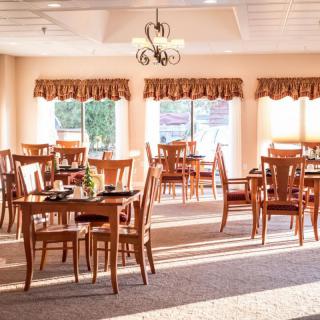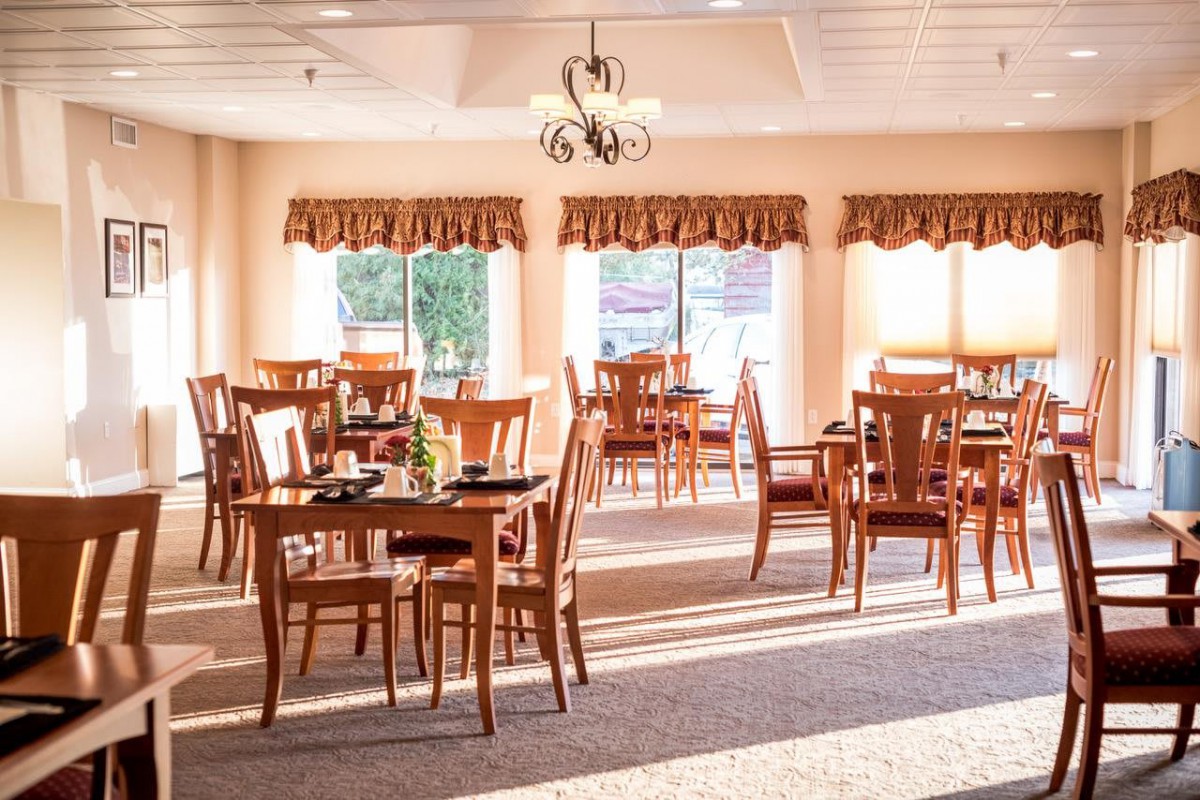




260 Lake St, Rouses Point, NY 12979
To contact a resident: (518) 297-0260
For more information about senior living options: (866) 208-4318
260 Lake Street Costs & Pricing
At 260 Lake Street, rental costs present an interesting comparison against both Clinton County and the broader New York state averages. For a studio apartment, residents can expect to pay approximately $2,000 per month, which positions it slightly above the county's average of $1,955 but significantly lower than the state's average of $4,532. When considering a one-bedroom unit, the cost rises to $3,000 per month; here again, this is competitive compared to Clinton County's average of $3,169 while notably more affordable than New York's typical rate of $4,307. These figures suggest that 260 Lake Street offers attractive pricing relative to state benchmarks, making it a compelling option for individuals seeking both convenience and value in their rental choices.
| Floor plans | 260 Lake Street | Clinton County | New York |
|---|---|---|---|
| Studio | $2,000 | $1,955 | $4,532 |
| 1 Bedroom | $3,000 | $3,169 | $4,307 |
Independent Living communities with a similar price nearby
-
About the same
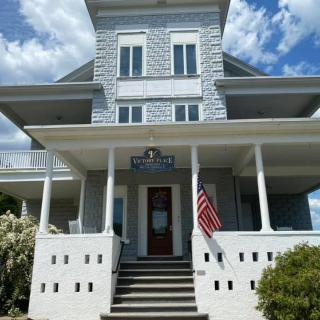
Victory Place
$1,975 to $3,375 / month21.1 miles away -
from -$110 / mo
Victory Place West
$1,890 to $2,000 / month22.1 miles away
Overall Review of 260 Lake Street
Pros
 The facility is warm, clean, quiet, and welcoming to residents and visitors.
- The staff truly care and go out of their way to help, treating residents like family.
- It feels like a home, with comfortable rooms, tasty meals, and convenient services.
- Families highly recommend the facility for their loved ones.
- Residents are thrilled with their living experience, including great food and well-kept amenities.
- Julie is consistently described as wonderful and a godsend by staff and visitors.
- The building is well maintained, with large windows and a pleasant atmosphere.
- The community is described as a beautiful senior resort with smiling residents and exceptionally clean surroundings.
Review
260 Lake Street in Rouses Point, NY is best suited for seniors who prize a warm, home-like atmosphere where quiet, cleanliness, and neighborly care shape daily life. The community reads as welcoming from the first impression, a calm, well-kept setting where residents and staff share a respectful, familiar rhythm. It appeals to families seeking a place that feels more like a comfortable home than a clinical environment, with lake views and practical, dependable routines that reduce the stress of caregiving decisions. For those who want aging in place in a setting that emphasizes steadiness, kindness, and daily consistency, this option stands out. The emphasis on a peaceful culture, attentive partners, and a straightforward, manageable daily life makes it a particularly sensible choice for long-term placement.
What genuinely distinguishes this community are the people who run it and the way care shows up in everyday interactions. Reviews repeatedly highlight a staff that is kind, attentive, and genuinely committed to residents, with specific praise for Julie, whose warmth and responsiveness become a recurring source of reassurance for families. The care approach is described as going above and beyond, staff “go out of their way” to help and to keep families informed, creating a transparent, trust-building loop that eases worry for out-of-town relatives. Cleanliness and thoughtful maintenance reinforce the sense of a well-cared-for home, while a steady stream of amenities and activities keeps daily life engaging. The dining experience earns high marks as well, with residents and families acknowledging consistently good meals. Taken together, these elements deliver a living environment where residents feel valued and neighbors feel like part of a supportive community.
Price is a meaningful differentiator in a market where value often slips from view amid glossy marketing. Reviewers flag the cost as a compelling advantage, pointing out that the level of care, service quality, and access to amenities align with a favorable price point. When paired with a staff culture that treats residents like family, the financial equation becomes clearly advantageous. The emotional dimension, the sense of being heard, respected, and well supported, translates into a practical benefit: less second-guessing for families and more confidence about a loved one’s daily experience. Add in the lake-view setting and robust activity options, and the overall package feels not just affordable but sustainable for the long term. In short, the combination of cost efficiency and relational care produces a strong return on investment in daily well-being.
Yet there are legitimate reasons to consider alternatives. For seniors who need 24/7 nursing oversight, highly specialized medical programming, or intensive memory-care support, a facility with a more pronounced clinical footprint could be a better match. Families seeking a more urban or centralized location, broader transportation options, or a wider spectrum of specialty services might opt for options elsewhere. The community shines in its core strengths, warmth, cleanliness, good food, and transparent family communication, but those strengths assume a baseline level of assisted living needs. If a loved one’s requirements extend beyond standard assisted living or if immediate access to a larger hospital network is a priority, it is prudent to compare with communities offering greater clinical resources or specialized dementia programming.
From a decision-maker’s perspective, visiting with a clear checklist will help crystallize fit. Observe how staff interact with residents on a daily basis, and note whether the care team is proactive, patient, and present, especially in moments of confusion or need. Taste-test the meals and monitor the dining experience, as food quality is repeatedly cited as a highlight. Inspect the living spaces for comfort and ease of maintenance, and confirm the availability and accessibility of laundry, housekeeping, and linen services. Inquire about the range of activities, outings, and social opportunities to ensure alignment with the resident’s interests. Ask about transport options, medication administration, and emergency response protocols, even if those topics are not the main focus of the visit. These practical touchpoints reveal whether the warm, home-like impression translates into an everyday lived experience.
The verdict is practical and decisive: 260 Lake Street is an excellent match for families prioritizing warmth, community, and everyday comfort at a reasonable price. It suits seniors who want a home-like environment, strong staff engagement, transparent family communication, and a clean, well-appointed setting with good meals and meaningful activities. The main caveat is the potential mismatch for residents needing higher clinical acuity or specialized dementia care; in those cases, exploring alternatives with greater medical resources is sensible. For most long-term planning scenarios, where emotional well-being, daily routine, and dependable support matter most, this community delivers with confidence. A guided visit, a candid conversation with front-line staff, and a shared meal will confirm that this is the kind of supported living arrangement families can trust to provide steady, reassuring care for a loved one.
 Independent Living
 Activities off-site
 Air-conditioning
 Bath tubs
 Beautician on-site
 Cable or satellite TV
 Devotional services off-site
 Ground floor units
 Indoor common areas
 Kitchenette
 Outdoor common areas
 Swimming pool / hot tub
 Wi-Fi/high-speed internet available
 Medication management
 Gluten-free
 BBQs or picnics
 Birthday parties
 Happy hour
 Live musical performances


 Home Health Care Demystified: A Comprehensive Guide for Families and Caregivers
 Seniors and Modern Transportation: Exploring Uber, Lyft, and Other Ride-Hailing Options
 Comprehensive Guide to Qualifying for Home Health Care Services