At the Samuel F. Vilas Home, residents can expect to pay $3,500 per month for a semi-private room, which aligns with the average cost in Clinton County but remains significantly lower than the New York state average of $4,389 for similar accommodations. For those seeking a more private living experience, the one-bedroom option is priced at $4,300 per month - this rate is competitive when compared to the county's average of $3,169 and is slightly higher than New York state's corresponding charge of $4,307. Overall, Vilas Home offers a cost-effective solution for quality care and comfortable living compared to broader regional costs.
Floor plans
Samuel F. Vilas Home
Clinton County
New York
Semi-Private
$3,500
$3,500
$4,389
1 Bedroom
$4,300
$3,169
$4,307
Skilled Nursing Facilities with a similar price nearby
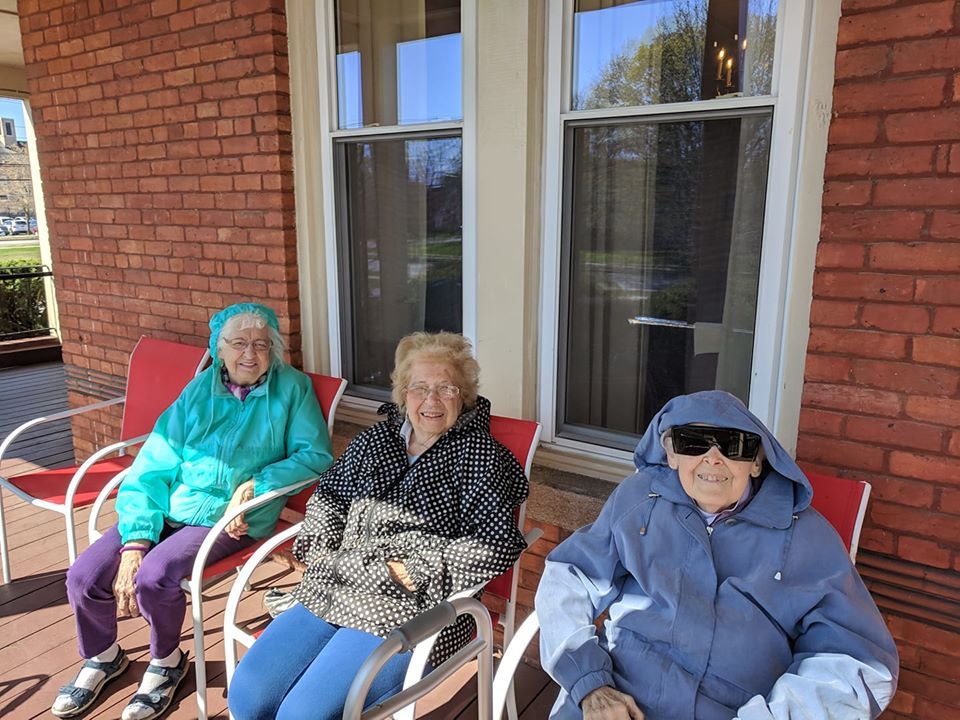
Residents and families repeatedly describe staff as caring, attentive, and responsive.
Across many reviews, residents are treated with dignity and respect, and families say the team is easy to reach and quick to address concerns. Multiple people mention ongoing supervision and safety, along with regular communication about needs. Several also describe staff who feel invested in the person—not just the routine.
common12 reviews mention this
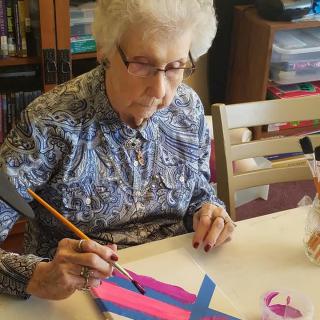
Activities help residents stay engaged
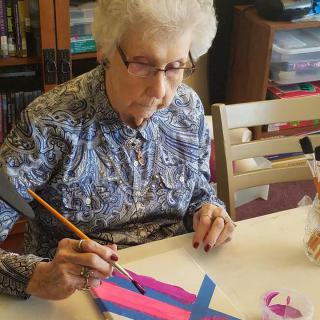
Scheduled activities and social events are a frequent reason families feel confident here.
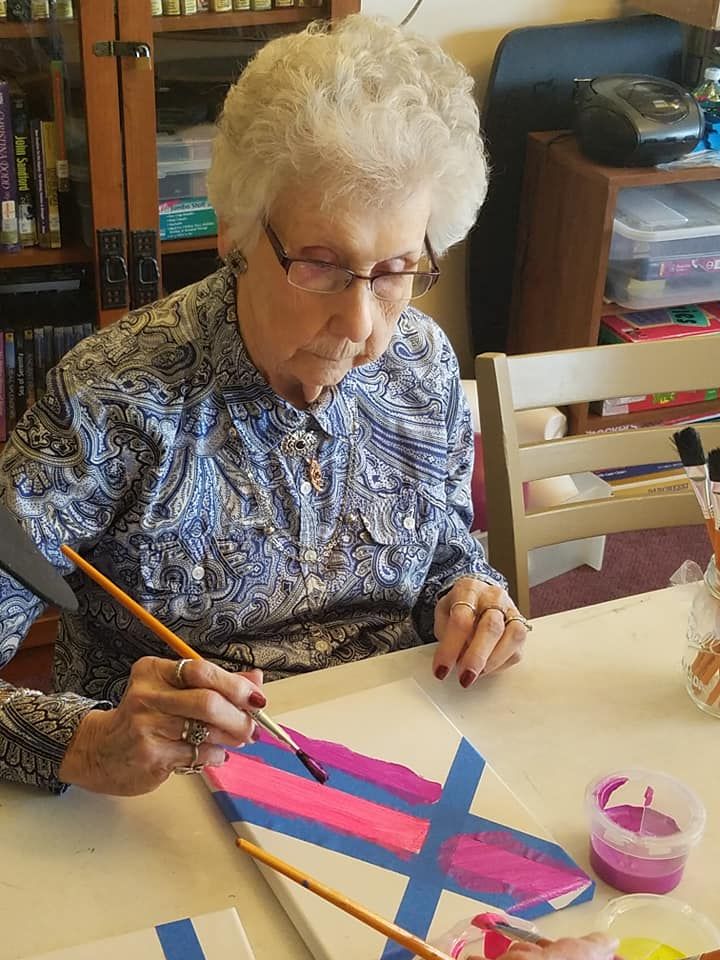
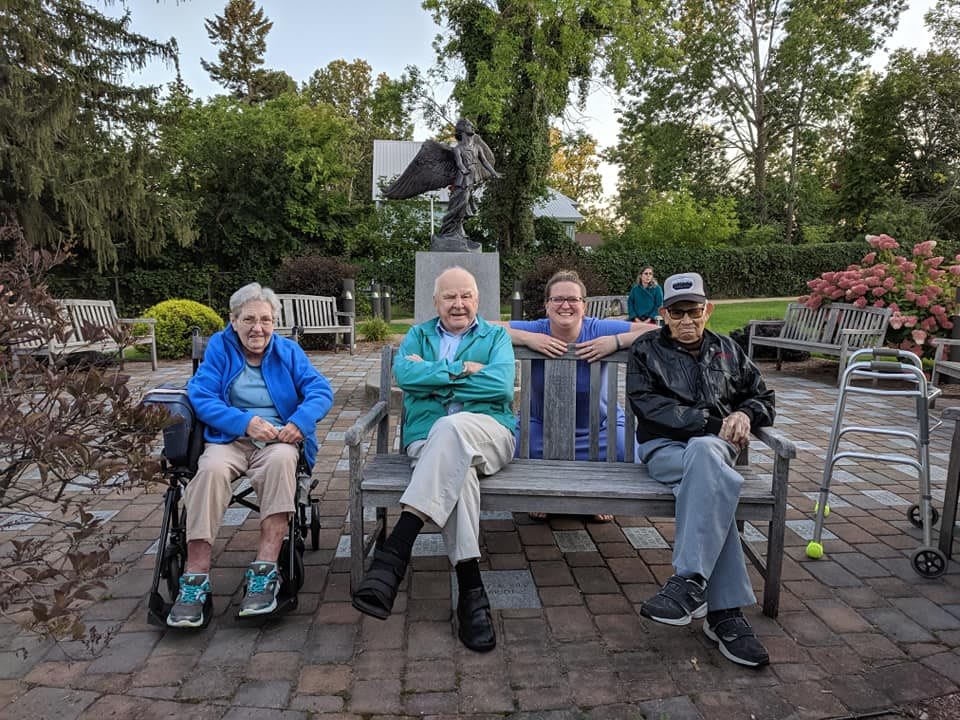
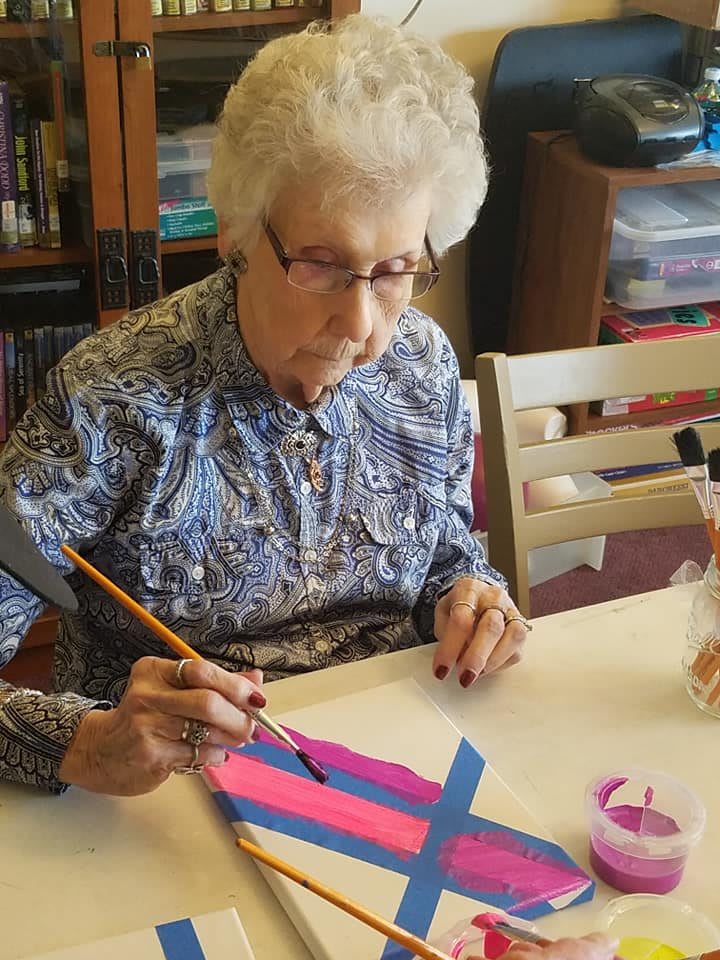
Residents are described as busy with day-to-day activities, from quiet crafts to group entertainment and games. Families also connect the activity calendar to improved spirits and quality of life. The community’s focus on regular, resident-accessible programming matches what’s listed as scheduled daily activities and art, games, and social events.
common5 reviews mention this
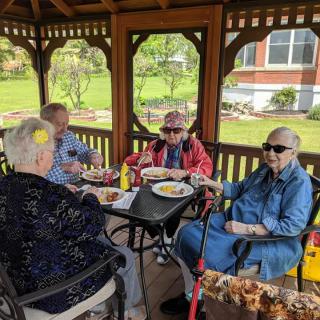
Dining room meals get attention
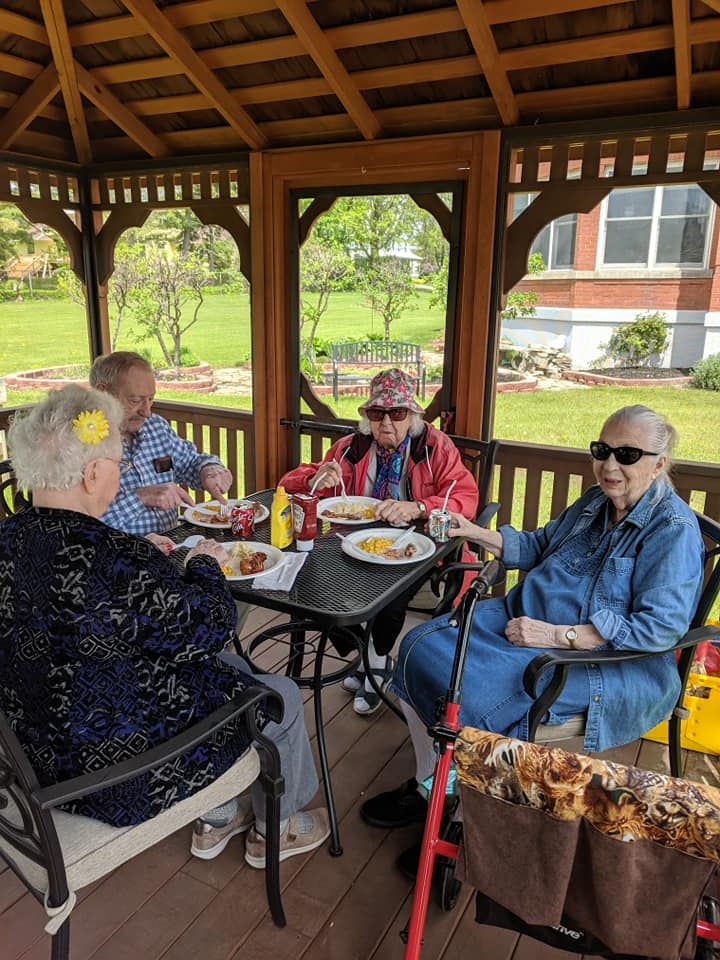
Residents value meals served in the dining room as part of the daily routine.
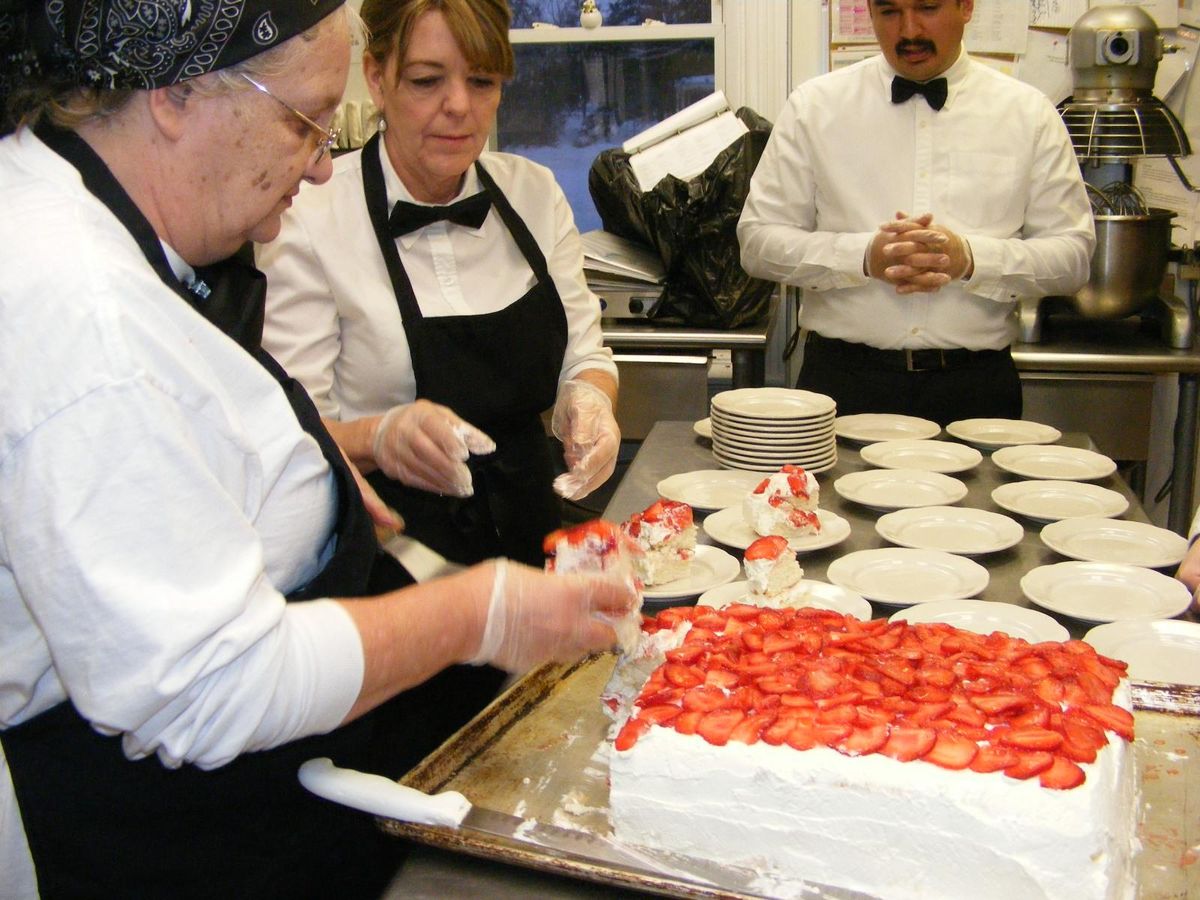
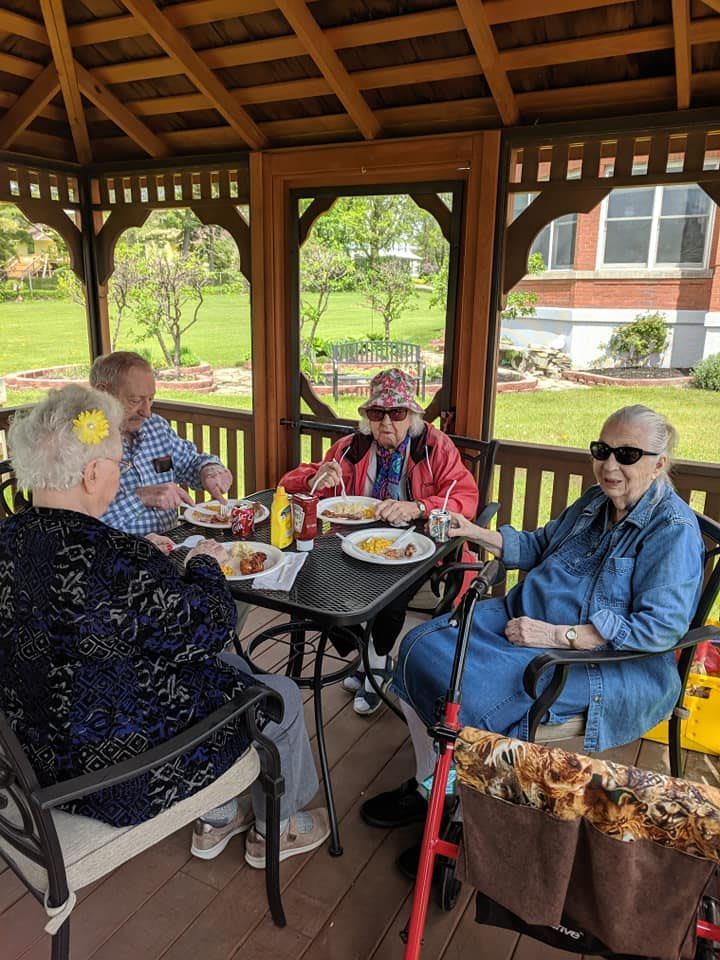
Several reviews mention joining the dining room for meals and highlight food that families found delicious and plentiful. Others describe consistent meal timing and organized eating spaces that support residents’ needs. The community offers meals and supports special dietary restrictions, which aligns with these dining-focused comments.
differentiator7 reviews mention this
Historic, home-like setting is a draw
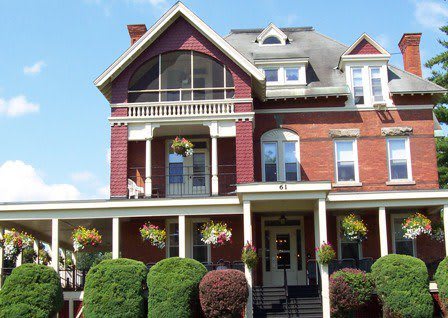
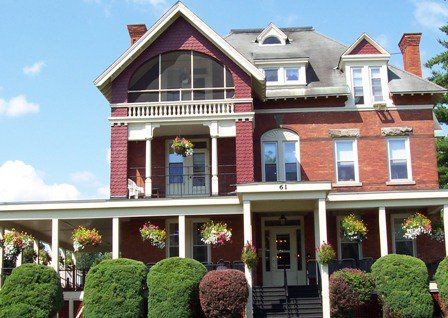
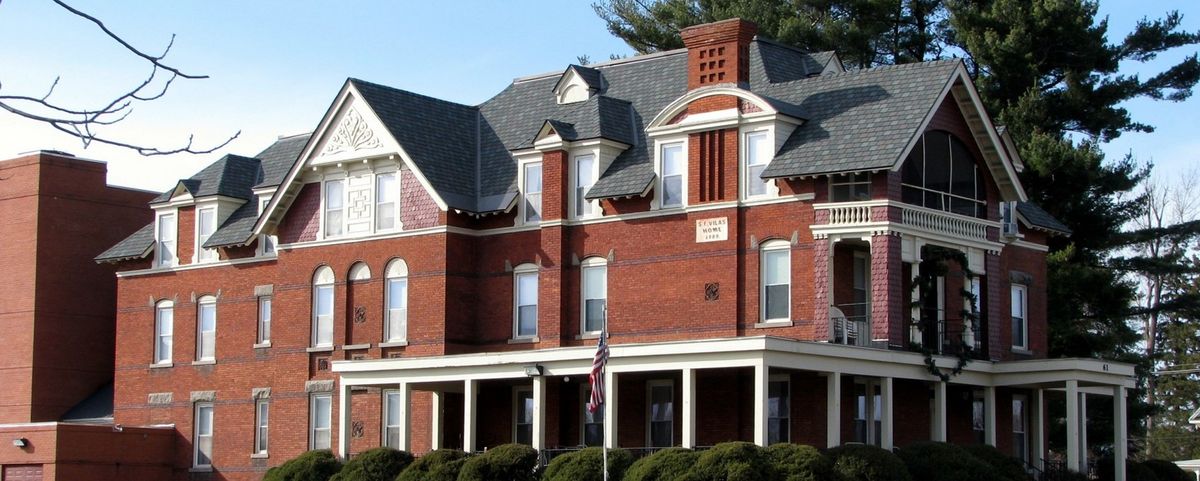
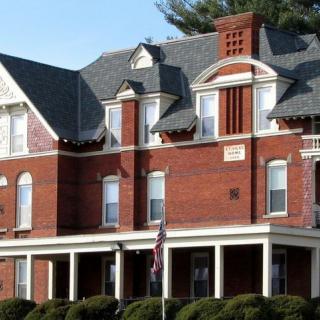
The building’s historic character helps the place feel more like home than an institution.
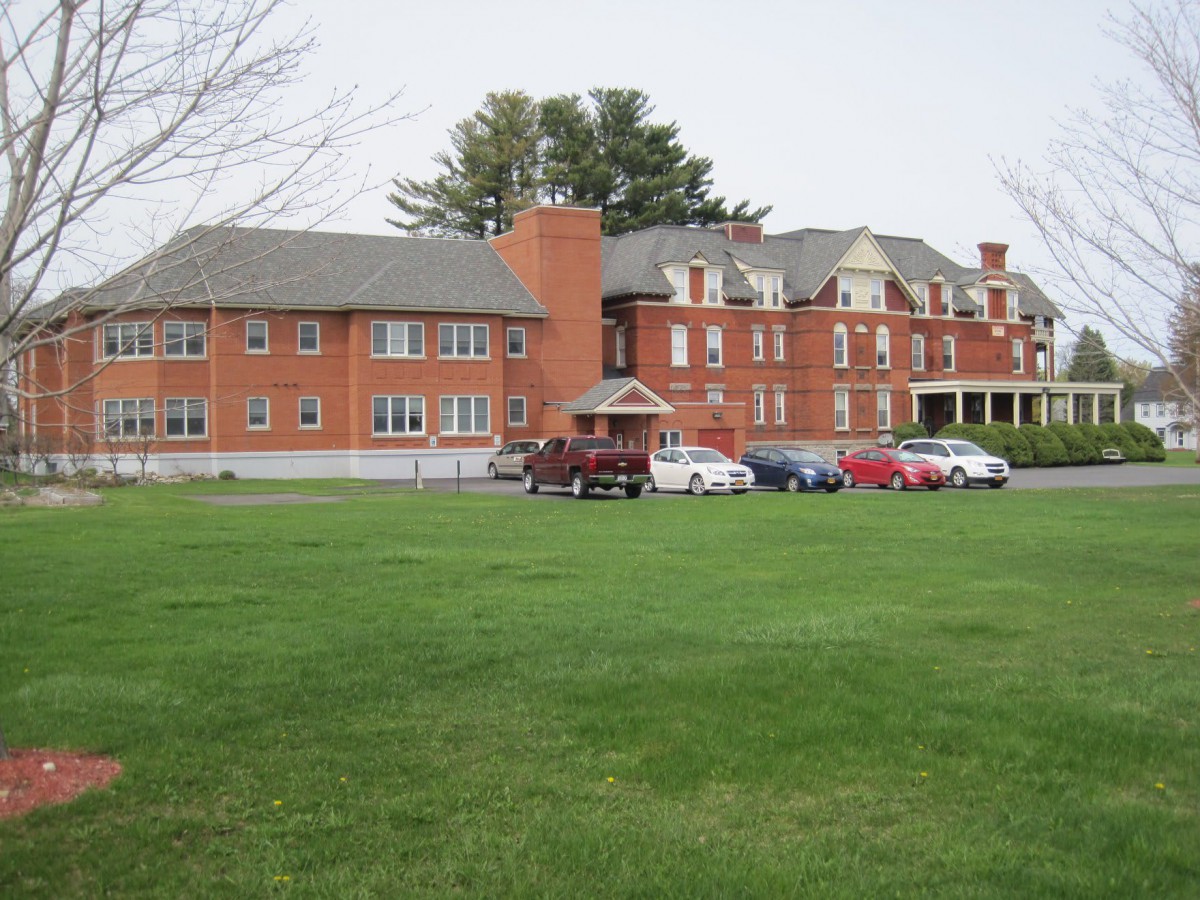
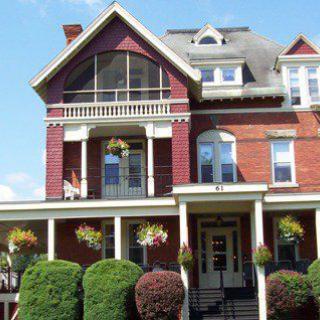
Reviews repeatedly describe a warm, welcoming atmosphere and home-like feel tied to the property’s older design. People also mention comfortable common spaces such as reading areas, sitting rooms, and gathering spaces, along with tidy upkeep. This matches the emphasis on indoor and outdoor common areas and resident-friendly spaces listed for the community.
common2 reviews mention this
Close to CVPH for medical access
Families highlight the convenience of being near CVPH for medical needs.
Some reviews specifically call out the location near CVPH as a major advantage for care coordination and day-to-day medical access. Others also describe being next door to a hospital in general terms. In addition to that proximity, the community listing places multiple hospital and clinic options within about a tenth to a couple tenths of a mile.
caveat2 reviews mention this
Pricing can run higher than expected
Pricing is described as expensive compared with other options people looked at.
At least a couple of reviews mention cost as a downside, with one specifically calling it expensive and another saying it felt pricier than other places. At the same time, those same reviews often balance the cost with mentions of what they felt they were getting in care and support. Pricing is also positioned above the county benchmark for some unit types while remaining below the state benchmark in the listed ranges.
How we summarize
Counts show how many written reviews mention each theme; a review can touch several themes, and only frequently mentioned themes are displayed.
Features
Housing
40 resident community capacity
Types of Care
Assisted Living
Memory Care
Skilled Nursing Facility
Amenities
Activities on-site
Beautician on-site
Beauty salon
Cable or satellite TV
Devotional services off-site
Dining room
Fully furnished
Garden
Guest parking
Housekeeping services
Indoor common areas
Kitchenette
Laundry
Move-in coordination
Outdoor space
Private cleaning services
TV room
Telephone
VA Benefits Consultation
Wi-Fi/high-speed internet available
Transportation
Burlington International (22 miles away)
Transportation & parking
Care Services
24-hour call system
24-hour supervision
Activities of daily living assistance
Ambulatory care
Assistance with bathing
Assistance with dressing
Assistance with transfers
Coordination with health care providers
Diabetes diet
Diabetic care
High acuity care
Incontinence care
Meal preparation and service
Medication management
Mental wellness program
Personal care assistants
Special dietary restrictions
Transportation arrangement (medical)
Transportation to doctors appointments
Dining
Diabetes diet
Meals provided
Special dietary restrictions
Activities
Activities on-site
Art classes
Arts and crafts
Book club
Community-sponsored activities
Day trips and outings
Devotional activities offsite
Games
Gardening club
Holiday parties
Live musical performances
Religious services
Resident-run activities
Scheduled daily activities
Stories
Trivia games
Wii bowling
Yoga / chair yoga
Nearby Places of Interest
This part of Plattsburgh, New York, offers a convenient and accessible location for senior living. With a variety of healthcare facilities such as hospitals, physicians' offices, and pharmacies within close proximity, residents can easily access medical services. Additionally, there are places of worship for spiritual support, a selection of restaurants and cafes for dining options, and parks for leisurely strolls or outdoor activities. The area is also well-connected with transportation options including an Amtrak station and the Plattsburgh International Airport nearby. Overall, this neighborhood provides a blend of amenities and services that cater to the needs of seniors looking for a comfortable and convenient living environment.
Hospitals
BHSN Residential (0.1 miles)
CVPH MRI Waiting Room (0.1 miles)
Cvph Medical Center (0.2 miles)
The Foundation of CVPH (0.2 miles)
Bhsn Apartment Program (0.7 miles)
CVPH Medical Center (2.3 miles)
Northwest Medical Center (18 miles)
Physicians
Cvph Health Center (0.1 miles)
Champlain Valley Vascular (0.1 miles)
Advanced Womens Health Care (0.1 miles)
Champlain Valley Pulmonary (0.1 miles)
Lake Champlain OB/GYN (0.1 miles)
Lisa Mark, MD, FACS, Surgeon (0.1 miles)
Matarrese, Marissa Dr - Uvm Health Network Cvph Plastic Reconstructive and Hand Surgery (0.1 miles)
Pharmacies
The Prescription Shoppe (0.1 miles)
Epic Pharmacies (0.4 miles)
Condo Pharmacy (0.4 miles)
Kinney Drugs (1.6 miles)
Keeseville Pharmacy (13.5 miles)
Walgreens (17.4 miles)
Kinney Drugs (17.8 miles)
Places of Worship
Newman Center Bi John Xxiii College Comm Parish (0.3 miles)
Olva Rectory (1.1 miles)
St Anne's Shrine (15.1 miles)
Ascension Church (17.4 miles)
Restaurants
Merons Restaurant (0.4 miles)
Burger King (0.5 miles)
Michigans Plus (0.5 miles)
Hong Kong Jade Buffet (0.5 miles)
Papa Richie's (0.5 miles)
Duke's Diner (0.6 miles)
Olive Ridley's (0.7 miles)
Cafes
My Cup of Tea (0.5 miles)
Irises Cafe and Wine Bar (0.8 miles)
Chapter One Coffee and Tea (0.8 miles)
Starbucks (0.8 miles)
Panera Bread (1 miles)
Starbucks (1.3 miles)
Parks
Melissa Penfield Park (0.6 miles)
Bailey Ave Playground (0.7 miles)
Plattsburgh Monument (0.8 miles)
Fisk Quarry Preserve (11.3 miles)
Vt State Parks - Sandb (12.2 miles)
Airport Park (13.8 miles)
Delta Park (14 miles)
Transportation
Amtrak (1 miles)
Plattsburgh International Airport (PBG) (2.8 miles)
At the Samuel F. Vilas Home, residents can expect to pay $3,500 per month for a semi-private room, which aligns with the average cost in Clinton County but remains significantly lower than the New York state average of $4,389 for similar accommodations. For those seeking a more private living experience, the one-bedroom option is priced at $4,300 per month - this rate is competitive when compared to the county's average of $3,169 and is slightly higher than New York state's corresponding charge of $4,307. Overall, Vilas Home offers a cost-effective solution for quality care and comfortable living compared to broader regional costs.
Samuel F. Vilas Home's comprehensive features are designed to promote the well-being and safety of residents with dementia or Alzheimer's disease. The 24-hour supervision ensures that individuals receive constant monitoring, which is crucial for their safety and security. Activities of daily living assistance, including help with bathing, dressing, and transfers, foster independence while providing necessary support tailored to each resident's capabilities. Coordination with healthcare providers facilitates timely medical interventions, while incontinence care and meal preparation ensure comfort and proper nutrition. Medication management is vital for both health maintenance and cognitive stability, whereas a mental wellness program actively engages residents in cognitive exercises tailored to their needs. Additionally, transportation arrangements for medical appointments guarantee that residents can access critical healthcare services without added stress or confusion. Together, these services create a supportive environment that enhances quality of life for those facing memory challenges.
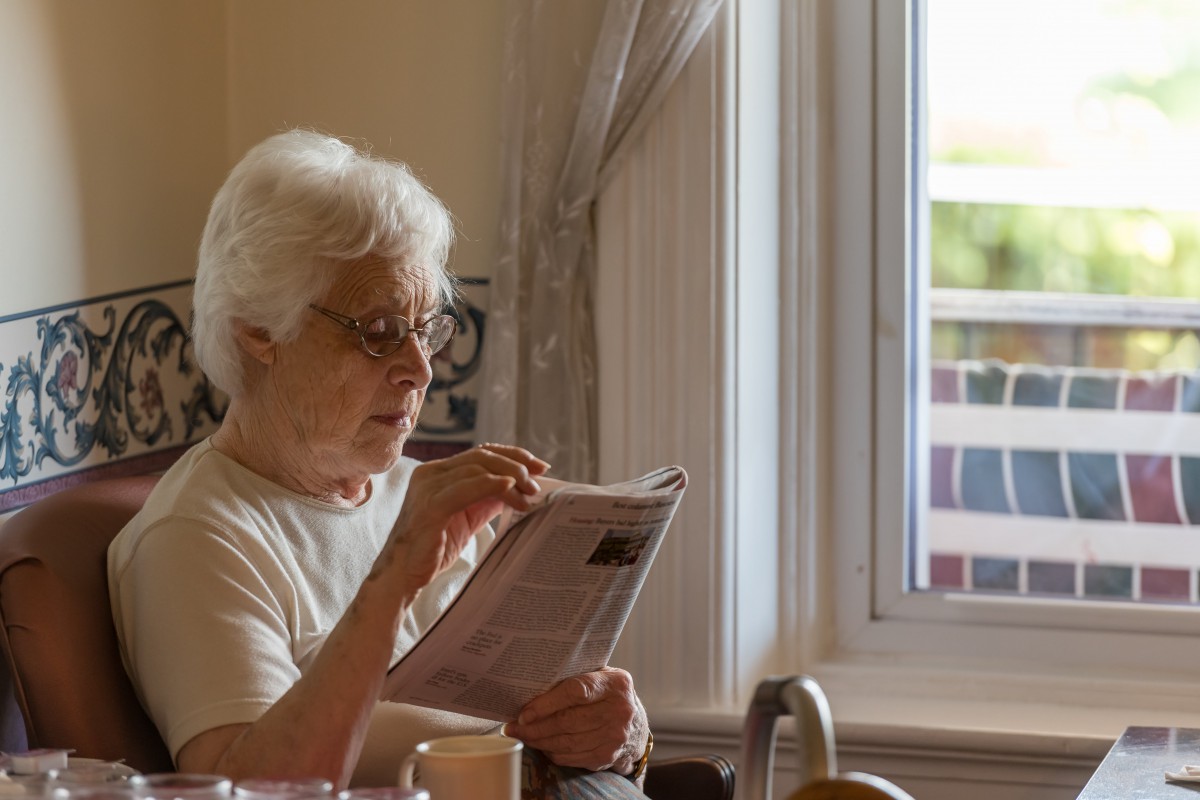
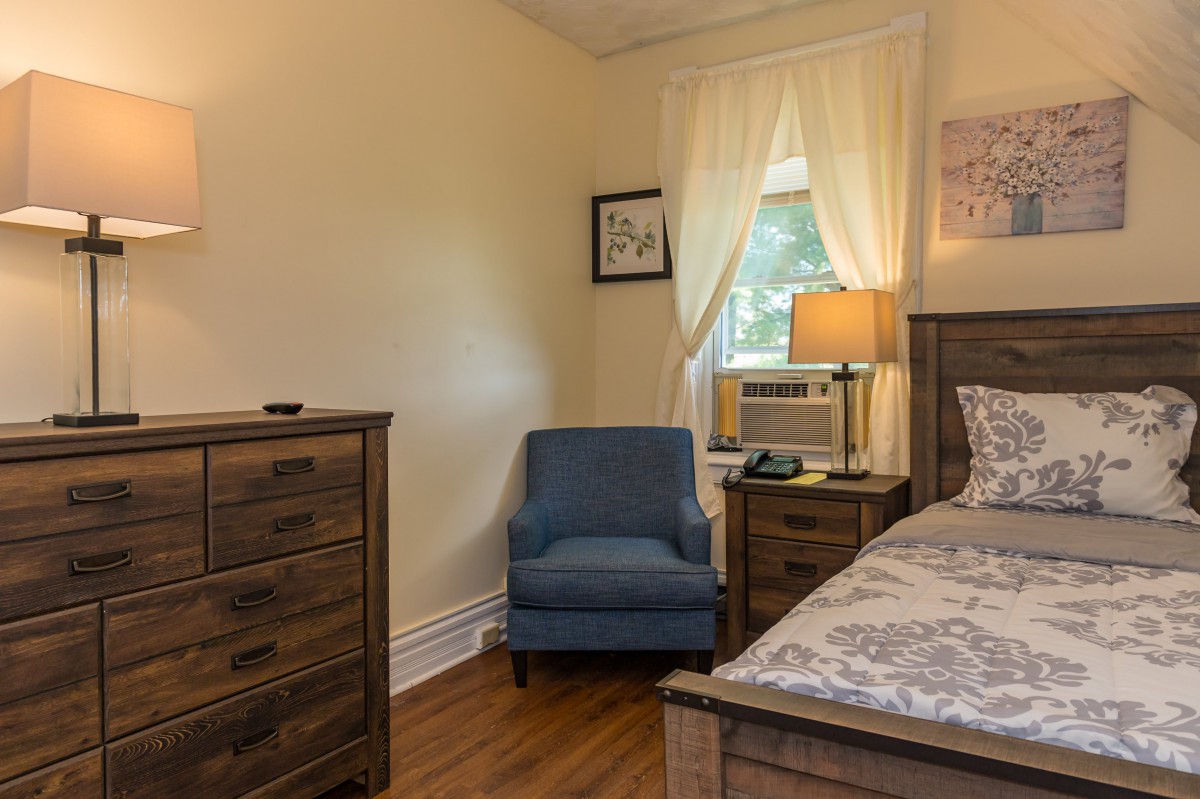
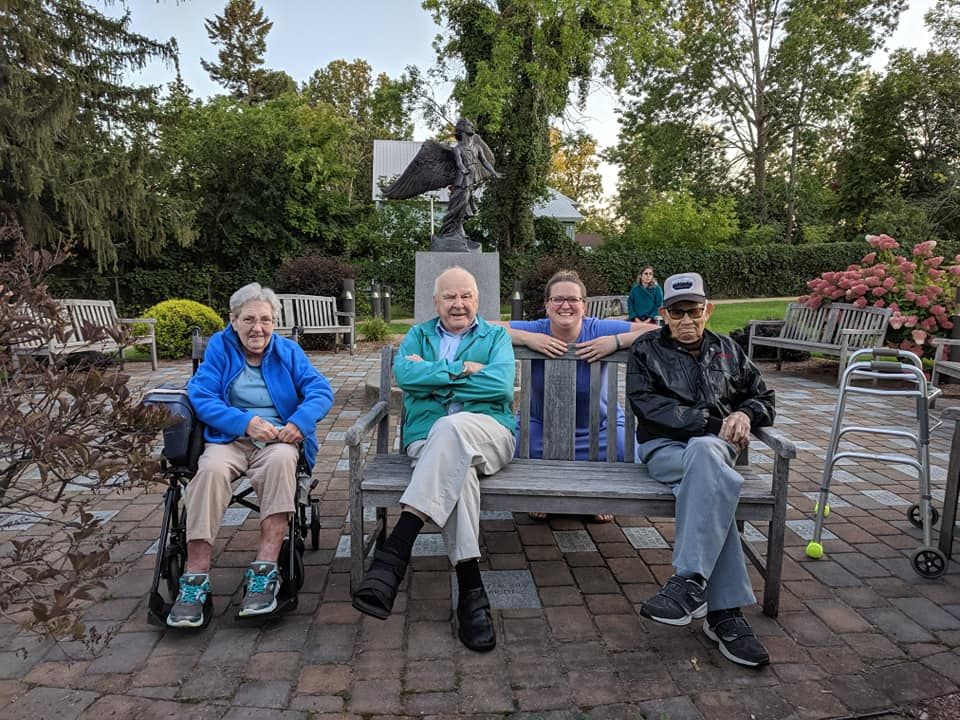
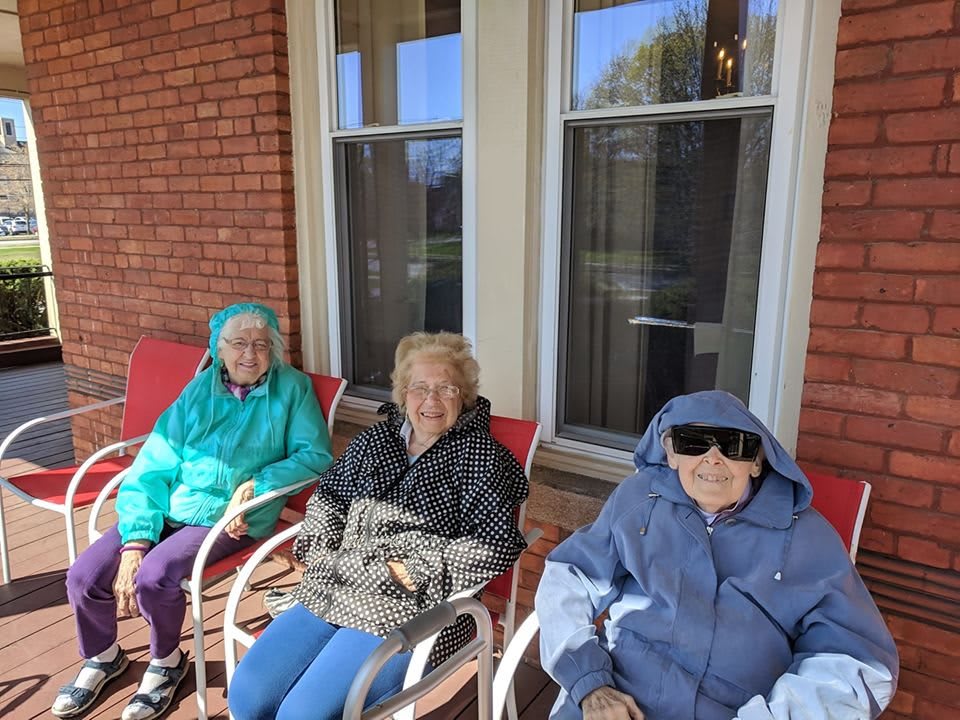
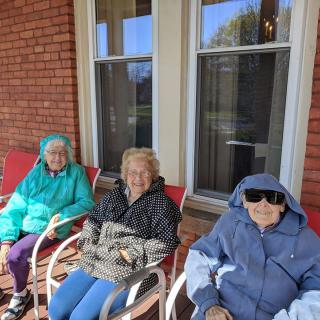
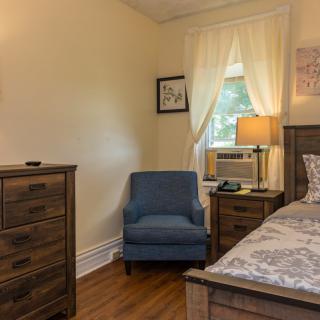
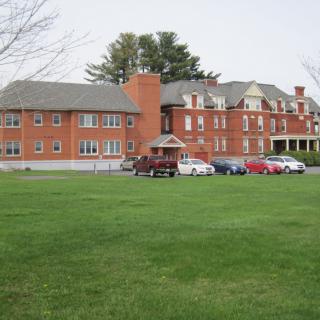
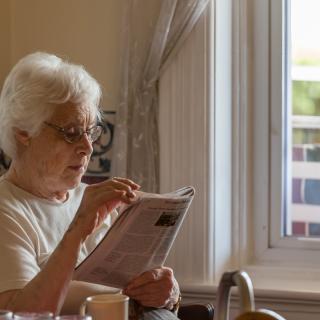
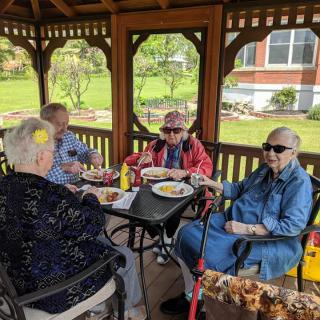
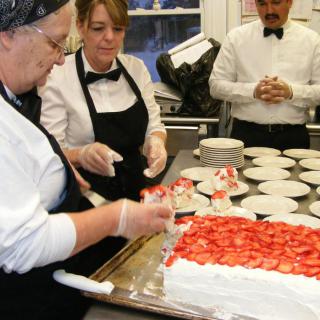
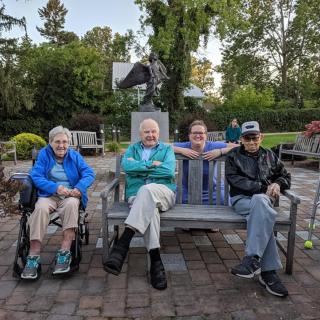
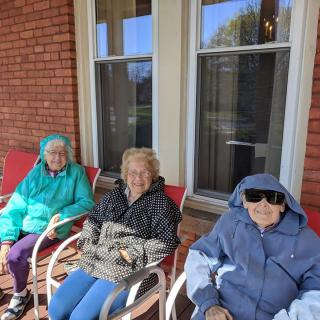
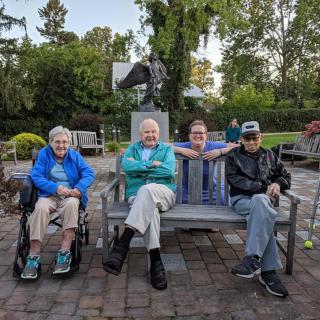
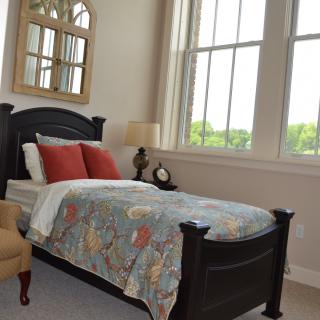
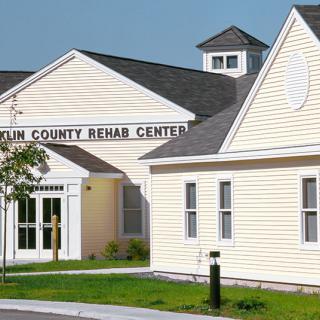
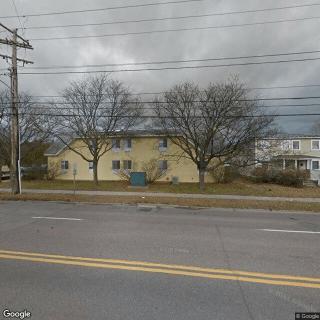
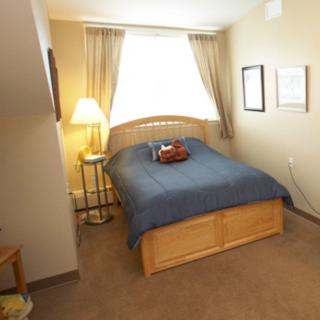
Samuel F. Vilas Home on seniors.fyi includes 18 photos including images showing architecture, outdoors, porch, kitchen, cooking, bedroom, windows, building, and more.
Nearby Communities
Victoria House
Plattsburgh, NY
5 from 2 reviews
$2,200 / month
Affordable private-room option relative to NY state averages.
Champlain Valley Physicians Hospital
Plattsburgh, NY
2.4 from 119 reviews
Comprehensive amenities and around-the-clock care and transportation support.
Meadowbrook Healthcare
Plattsburgh, NY
4.5 from 118 reviews
Caring staff, clean facility, and engaging activities.
Senior Citizens Council Inc
Plattsburgh, NY
4.7 from 45 reviews
Excellent access to dining, healthcare, and parks nearby.
Beekman Towers
Plattsburgh, NY
3.2 from 32 reviews
Excellent access to nearby cafes, parks, pharmacies, physicians, restaurants, transportation, places of worship, theaters, and hospitals.
Victory Place
Plattsburgh, NY
5 from 4 reviews
$1,975 to $3,375 / month
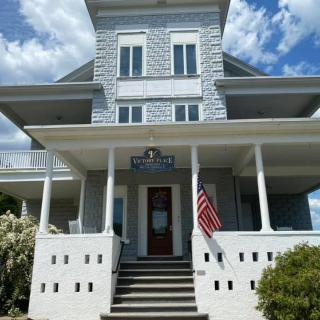
Beautiful, clean facility with caring staff and good meals.
The McClure Miller Respite House
Colchester, VT
4.7 from 49 reviews
Fully furnished assisted living with 24/7 supervision and comprehensive care.
Ethan Allen Residence
Burlington, VT
4.2 from 5 reviews
24/7 supervision with ADL and medication management; fully furnished with dining, housekeeping, Wi?Fi, and outdoor spaces.
The Converse Home
Burlington, VT
4.5 from 17 reviews
Warm, welcoming atmosphere with attentive, knowledgeable staff and strong dementia care.
Dementia encompasses progressive neurological disorders that impair cognitive functions and can lead to paranoia due to cognitive decline and emotional changes. The article discusses the triggers of paranoia in dementia, caregiver strategies for managing it, and the importance of distinguishing between dementia-related paranoia and other psychiatric conditions.
Memory care activities are essential for improving the quality of life of seniors with cognitive impairments, as they stimulate cognitive function, promote well-being, and encourage social interaction through tailored strategies. These activities combine structured exercises with spontaneous tasks, sensory engagement, physical workouts, creative pursuits, and intergenerational interactions to enhance emotional connection and a sense of purpose.
Transitioning from assisted living to memory care is driven by an individual's cognitive decline and specific needs, requiring careful evaluation of indicators like increased confusion and wandering. The process involves consulting medical professionals, researching suitable communities, considering financial and legal aspects, and ensuring effective communication for personalized care plans.
Get PricingAsk A QuestionSchedule A TourContact Senior Advisor
By clicking submit, you agree to our Partner's Terms of Use. You
also consent to receive calls and texts, which may be autodialed, from our Partner. Your consent is not a condition to
using our Partner's service. Please visit our Partner's Privacy Policy for information about their privacy practices.


 40 resident community capacity
 Assisted Living
 Memory Care
 Skilled Nursing Facility
 Activities on-site
 Beautician on-site
 Cable or satellite TV
 Devotional services off-site
 Dining room
 Fully furnished
 Garden
 Guest parking
 Housekeeping services
 Indoor common areas
 Kitchenette
 Laundry
 Move-in coordination
 Outdoor space
 Telephone
 VA Benefits Consultation
 Wi-Fi/high-speed internet available
 Burlington International (22 miles away)
 Transportation & parking
 24-hour call system
 Ambulatory care
 Assistance with bathing
 Assistance with dressing
 Assistance with transfers
 Diabetes diet
 Diabetic care
 High acuity care
 Incontinence care
 Meal preparation and service
 Medication management
 Mental wellness program
 Personal care assistants
 Special dietary restrictions
 Transportation arrangement (medical)
 Art classes
 Book club
 Day trips and outings
 Games
Games Holiday parties
 Live musical performances
 Trivia games
 Wii bowling
 Yoga / chair yoga
 Affordable private-room option relative to NY state averages.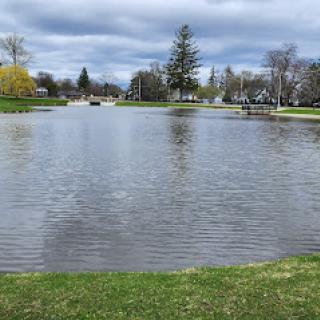


 Dementia, Paranoia, and Caregiver Guidance: Understanding the Connection
 Engaging Memory Care Activities That Enhance Quality of Life
 When to Transition from Assisted Living to Memory Care: Key Indicators, Steps, and Finding the Right Community