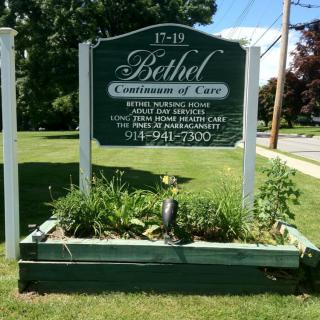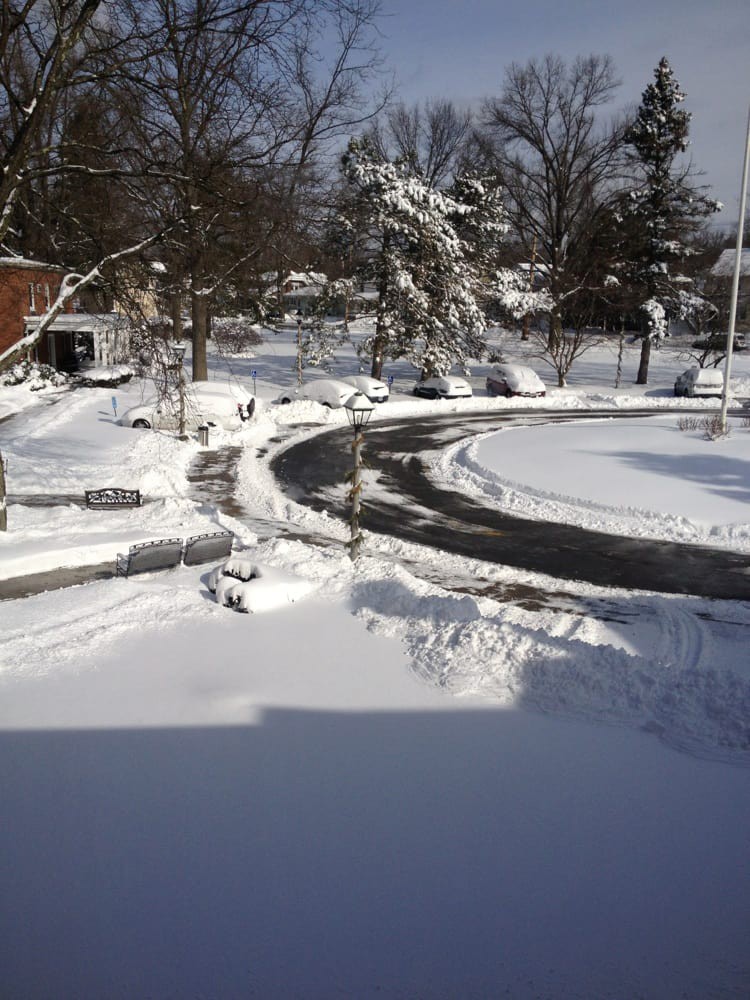
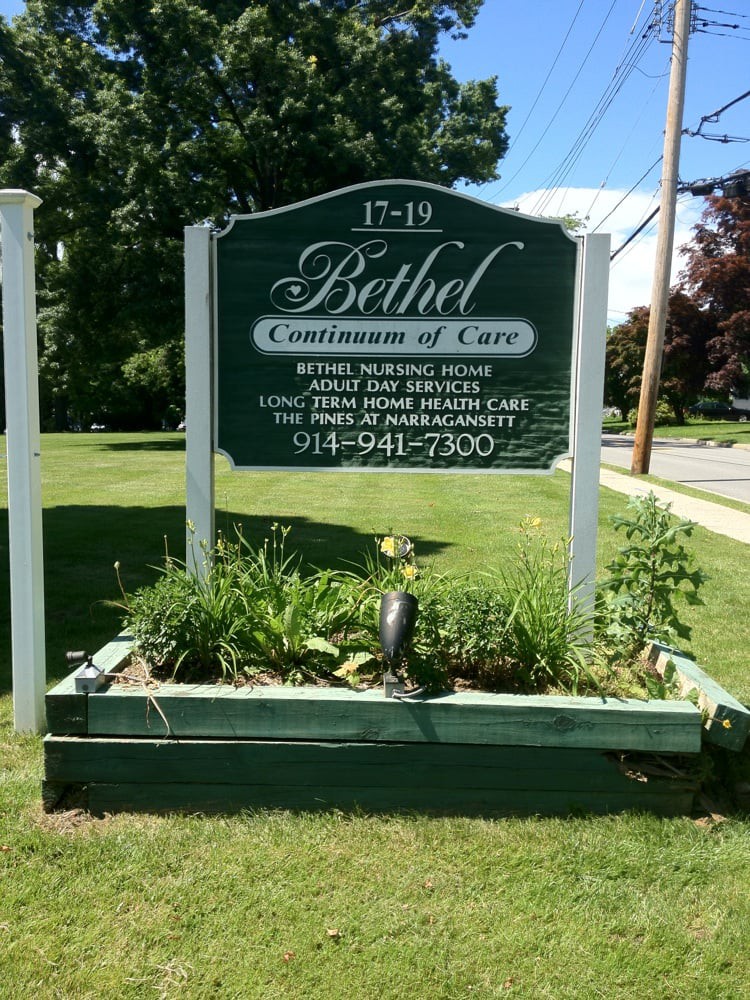
17 Narragansett Ave, Ossining, NY 10562
To contact a resident: (914) 941-7300
For more information about senior living options: (866) 208-4318
The Pines at Narragansett Costs & Pricing
The Pines at Narragansett offers a compelling value in comparison to housing costs in Westchester County, New York. With one-bedroom units priced at just $1,000 per month and two-bedroom units available for $2,000, residents can enjoy substantial savings compared to their counterparts in Westchester County, where similar accommodations average around $5,559 for one bedroom and $6,750 for two. Even when considering the broader context of New York state averages - where one-bedroom rents are approximately $4,307 and two-bedrooms about $4,786 - the affordability of The Pines stands out distinctly. This makes it an attractive option for individuals and families seeking quality housing without the burden of steep expenses typical of nearby areas.
| Floor plans | The Pines at Narragansett | Westchester County | New York |
|---|---|---|---|
| 1 Bedroom | $1,000 | $5,559 | $4,307 |
| 2 Bedrooms | $2,000 | $6,750 | $4,786 |
Independent Living communities with a similar price nearby
-
from -$144 / mo

Airmont Gardens
$856 to $1,025 / month14.7 miles away -
from -$72 / mo
Summer Hill Apartments - NO LONGER EXISTS
$928 to $1,115 / month24.6 miles away -
from +$98 / mo
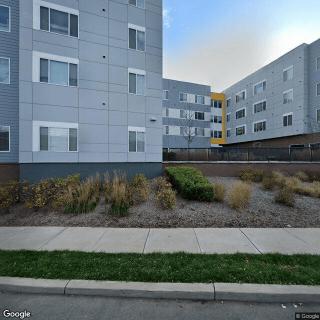
Freedom Village
$1,098 / month24.1 miles away
Overall Review of The Pines at Narragansett
Cons
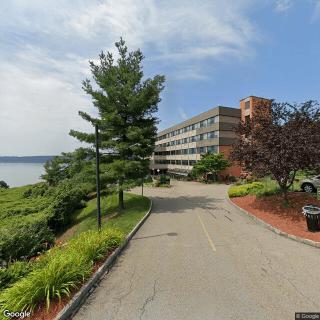
 The home is a nightmare—smelly, drab, cold, old, and unkempt.
- Access requires walking up stairs, giving the building an institutional, scary-movie vibe.
- The price is out of range, especially since there’s no 24-hour security or staff, and no security patrols or calendar of events.
- Overall, the experience feels negative due to lack of security, amenities, and upkeep.
Review
The Pines at Narragansett in Ossining, NY is best suited for seniors who can tolerate an older, no-frills environment and who do not require round-the-clock staff, elevator access, or a robust calendar of social activities. The building’s presentation leans toward a dated, institutional feel, and residents who want bright, modern interiors or consistently fresh upkeep will not find those qualities here. This is a setting that favors independence over intensive assistance; it asks residents to navigate stairs and a structure that some would describe as unwelcoming. For families prioritizing strong daily programming, elevated security, and polished finishes, this option should be crossed off the short list.
Alternatives should be seriously considered by those who place a premium on safety features, accessible design, and regular, engaging programming. If 24-hour staff presence, on-site security, level entry or elevator access, and a full calendar of activities are non-negotiables, this property does not meet expectations. The price point is noted as out of range by prospective residents, especially given the absence of in-apartment security pulls and the lack of visible, structured programming. Mobility concerns further push families toward communities that offer true accessibility and more comprehensive support on a daily basis.
There are virtually no clearly articulated pros to latch onto in the feedback available for The Pines at Narragansett. The few positives that might be inferred are not explicit and are easily outweighed by the negatives. The overall sentiment is dominated by a sense of neglect in atmosphere and maintenance, rather than by any asset that might compensate for those shortcomings. This imbalance makes it difficult to see how even modest cost savings could justify choosing this community over others that deliver cleaner environments, more inviting common spaces, and stronger daily routines.
The most consequential drawbacks center on the environment and the physical plant. Descriptions of the building as smelly, drab, cold, old, and unkempt create a sense of unease and discomfort that directly impacts daily living. The fact residents must enter via stairs compounds accessibility concerns, particularly for those with mobility limitations or during inclement weather. Maintenance appears uneven, and the overall impression is that care standards do not meet what families expect from an assisted-living setting. In practical terms, these conditions erode daily mood, motivation to socialize, and willingness to participate in any programming that might exist.
Security and social programs compound the concern. The absence of 24-hour security or staff supervision, paired with no in-apartment safety features like secure pulls, leaves residents feeling exposed and less protected. A sparse or inconsistent calendar of events means fewer chances for social connection, routine, and meaningful activities, key components of quality of life in assisted living. For a family evaluating risk, this combination translates into a higher burden of self-monitoring and a diminished sense of security about the resident’s day-to-day well-being. The trade-off, if any, does not appear to offset the substantial gaps in safety, engagement, and upkeep.
Bottom line: this community requires a clear, disciplined alignment of needs and tolerance for compromise. If the priority is modern upkeep, robust security, and a lively, predictable program, seek alternatives. Before committing, families should demand a current tour, a concrete sample activities calendar, and candid answers about staff coverage, access to elevators or level entry, and in-unit safety features. Compare thoroughly with places that emphasize clean, well-maintained interiors, visible daily engagement, and reliable safety protocols. When a true sense of home, security, and community life is non-negotiable, The Pines at Narragansett should be considered only after all stronger options have been evaluated.
 Active Adult Communities (55+)
 Independent Living
 Air-conditioning
 Ground floor units
 Kitchenette
 Westchester Cty (10 miles away)
 Guest meals
 BBQs or picnics
 Birthday parties
 Catholic services
 Day trips and outings
 Resident band or musicians
 Convenient location near an independent living community with Medicaid acceptance and extensive amenities.

 Compassionate Conversations: How to Comfort Someone Who Is Grieving
 Home Health Care Aides: Understanding Their Role and Supporting Your Family
 Urinary Tract Infections in Older Adults: Comprehensive Insights on Symptoms, Treatment, and Prevention