
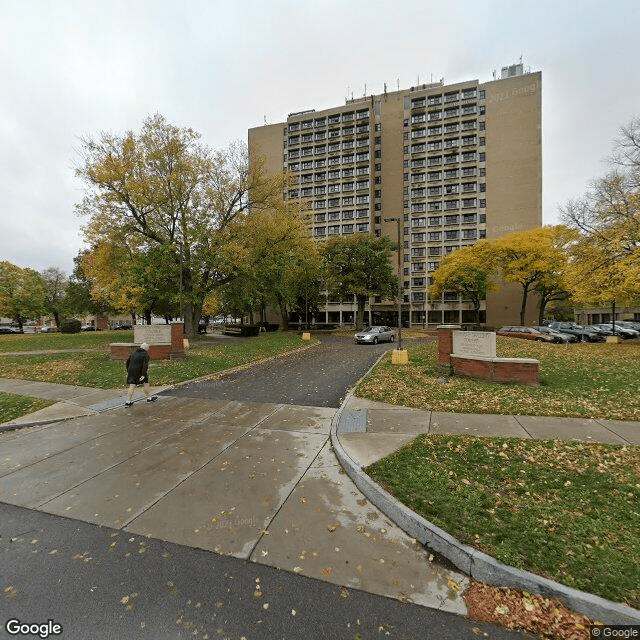
720 10th St, Niagara Falls, NY 14301
To contact a resident: (716) 285-5505
For more information about senior living options: (866) 208-4318
Overall Review of Anthony Spallino Towers
Pros
 They love their apartment; it’s nice and clean, with around-the-clock maintenance.
- The apartment is beautiful and clean, with maintenance staff available around the clock to assist with issues.
- Management and administration are described as highly professional and among the best the reviewer has experienced.
- The apartment is very nice and super clean, with a view to die for.
Cons
 The area is not safe; there are lots of homeless people.
- A mentally disturbing man has been present for three years, and management is covering it up.
- Complaints have gone unanswered and are being hushed up.
Review
Anthony Spallino Towers is best suited for seniors who prize a pristine, well-maintained living space and value a highly professional on-site team. The apartments themselves read as modern and appealing, with residents noting clean, attractive interiors and a maintenance staff that responds promptly, essential for daily comfort and hassle-free living. For someone who wants uninterrupted peace of mind around repairs and a management culture that emphasizes professionalism, this building delivers a reliable, predictable experience at the unit level. Those who prioritize a calm, orderly environment where upkeep is visibly prioritized will find this community aligns well with daily life needs.
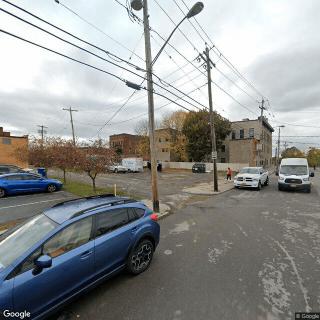
That said, there are clear reasons to consider alternatives. Safety and neighborhood context emerge as the most consequential factors for potential residents and their families. The surrounding area is described as not entirely safe, with mentions of homeless activity that can affect a resident’s sense of security. In addition, a troubling report about a mentally disturbed individual and a perceived attempt by management to hush concerns raises questions about governance, transparency, and how complaints are handled. For families or residents who demand a more secure external environment and a process that treats safety concerns with urgency and accountability, other options may be more suitable.
On the upside, the pros do more than just cushion daily living. The apartments’ beauty and the consistent, around-the-clock maintenance create a dependable baseline of comfort. Residents repeatedly praise the level of professionalism across management and administration, suggesting a governance framework that is organized and responsive in day-to-day operations. Those benefits translate into fewer irritants around repairs, smoother move-in experiences, and a sense that basic services, cleanliness, upkeep, and administrative courtesy, are treated as core commitments. When coupled with appealing views and well-kept interiors, these positives offer real, tangible value in ordinary routines.
Yet the main drawbacks cannot be dismissed as minor inconveniences. The neighborhood safety concerns, fueled by reports of homelessness in the area, intrude on what otherwise could be a serene living environment. More deeply troubling is the claim that ongoing safety issues involving another resident were not adequately addressed, coupled with complaints that went unanswered or were not publicly acknowledged by management. Such perceptions erode trust and undermine the very peace of mind that senior housing typically promises. For residents who need assurance that resident safety incidents will be investigated and communicated transparently, these red flags loom large.
When weighing the pros against the cons, the apartment quality and maintenance reliability push toward a favorable impression for the right resident. A resident who values a polished, low-friction living space and can tolerate, or better, accepts, a potentially vulnerable external environment may find this community perfectly workable. However, for those where safety, proactive problem resolution, and transparent governance are non-negotiable priorities, the negatives are likely to outweigh the positives. The decision hinges on whether the security and governance concerns can be satisfactorily mitigated or explained to the degree that daily life feels consistently safe and responsive.
Prospective residents should approach a visit with clear questions and a plan. Request specifics on security measures for the campus and surrounding streets, and ask for examples of how past safety concerns were handled and communicated. Inquire about the formal complaint process, response timelines, and who reviews escalated cases. Talk to current residents about their sense of safety, the visibility of staff during evenings and weekends, and any changes since the concerns were first raised. If these elements align with a high-trust, well-governed environment, the decision becomes straightforward; if not, it’s prudent to compare with neighborhoods and communities that offer stronger external security and more transparent handling of resident welfare.
 Independent Living
 Buffalo Niagara International (19 miles away)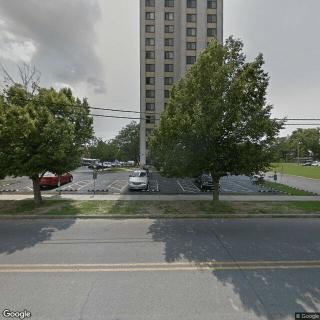


 Exploring the World of Home Health Nurses: Qualifications, Roles, and Hiring Tips
 Navigating Medicare Coverage for In-Home Care Services
 In-Home Care Costs in 2025: A Detailed State-by-State Exploration