Niagara Rehabilitation And Nursing Center in Niagara Falls, NY
Niagara Rehabilitation And Nursing Center is a nursing home community in Niagara Falls, NY.
Information last verified:
822 Cedar Avenue, Niagara Falls, NY 14301
For more information about senior living options: (866) 208-4318
2.7 from 113 reviews
5 stars
39
4 stars
10
3 stars
3
2 stars
3
1 stars
58
Overall Review of Niagara Rehabilitation And Nursing Center
common22 reviews mention this
Staff care is a mixed picture
Residents describe both very caring team members and very concerning staff behavior.
Many reviewers thank specific aides, nurses, and activities staff, describing responsiveness, kindness, and help with daily needs and therapy. Others report rude behavior, poor attitudes toward residents or visitors, and instances where call lights were not answered for long stretches. Several reviews also note that care quality seems inconsistent from one person or floor to another.
caveat18 reviews mention this
Cleanliness and odors are a recurring issue
Multiple reviews raise concerns about cleanliness and persistent odors.
Some visitors say the building looks clean or improved, and they praise a well-kept facility. However, many other reviews describe rooms, hallways, and linens as dirty, with smells they associate with urine or poor sanitation. A few reviewers also mention cleaning concerns that they describe as uneven across floors or times.
caveat16 reviews mention this
Care needs, wound care, and neglect concerns
Several residents and families report gaps in timely care.
A number of reviews mention issues like delayed assistance, residents left in wet diapers, and concerns about bathing or wound care. Some reviewers describe serious outcomes they link to missed or delayed medical attention, including not getting medication or not being taken to appointments. At the same time, there are also reviews that say residents receive good rehab care and get help when needs come up.
differentiator5 reviews mention this
Rehab therapy gets strong praise
Therapy teams earn repeated praise from families and patients.
Several reviewers highlight physical therapy as excellent and describe real progress, including moving from a wheelchair and walking again. Others mention coordinated rehab support like PT and OT, along with dietary and nursing support working together for recovery. Even reviews that are critical overall often still call out the therapy staff as a positive part of the experience.
caveat4 reviews mention this
Food quality and portions are disputed
Dining is another area where reviews disagree.
Some families directly criticize meals as inadequate or unpleasant, including descriptions of portion sizes and food being “horrible” or “nasty.” Others mention dietary support as part of day-to-day care, which aligns with the community offering meal planning for special dietary needs. Overall, reviews suggest dining quality has not been consistent for everyone.
common3 reviews mention this
Activities help residents feel engaged
Activities staff receive compliments for making visits and days better.
Multiple reviewers describe activities leaders as caring and helpful, with names mentioned in thank-you notes. A few reviews also connect the activities team with residents appearing happier and supported. Even among more critical accounts, people specifically call out certain staff members on the activities side as exceptions.
How we summarize
Counts show how many written reviews mention each theme; a review can touch several themes, and only frequently mentioned themes are displayed.
Features
Housing
160 resident community capacity
Types of Care
Skilled Nursing Facility
Amenities
Air-conditioning
Beauty salon
Cable or satellite TV
Computer center
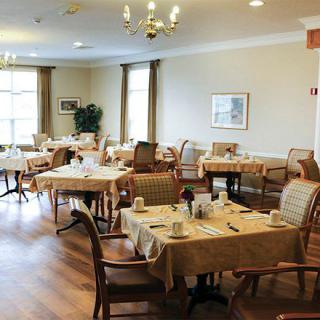
Dining room
Fitness room
Fully furnished
Gaming room
Garden
Housekeeping services
Kitchenette
Move-in coordination
Outdoor space
Private bathrooms
Restaurant-style dining
Small library
Telephone
Wellness center
Wi-Fi/high-speed internet available
Transportation
Buffalo Niagara International (19 miles away)
Community operated transportation
Transportation arrangement
Transportation arrangement (non-medical)
Transportation to doctors appointments
Care Services
12-16 hour nursing
24-hour call system
24-hour supervision
Activities of daily living assistance
Assistance with bathing
Assistance with dressing
Assistance with transfers
Diabetes diet
Meal preparation and service
Medication management
Mental wellness program
Special dietary restrictions
Dining
Diabetes diet
Special dietary restrictions
Activities
Community-sponsored activities
Concierge services
Fitness programs
Planned day trips
Resident-run activities
Scheduled daily activities
Nearby Places of Interest
Pharmacies
Rite Aid (0.6 miles)
Shoppers Drug Mart (1.1 miles)
Hanna Pharmacy (1.7 miles)
Shoppers Drug Mart (2.7 miles)
Shoppers Drug Mart (2.9 miles)
Rite Aid (3.2 miles)
Shoppers Drug Mart (3.7 miles)
Restaurants
Seneca Niagara Casino (0.8 miles)
Hard Rock Cafe (1 miles)
Anchor Bar (1.1 miles)
Falls Avenue Resort (1.1 miles)
Fallsview Indoor Waterpark (1.1 miles)
SPoT Niagara Falls (1.1 miles)
Red Coach Inn (1.1 miles)
Cafes
Starbucks (0.9 miles)
Hard Rock Cafe (1.1 miles)
Tim Hortons (1.4 miles)
Tim Hortons (1.7 miles)
Tim Hortons (1.9 miles)
Starbucks (2 miles)
Panera Bread (4 miles)
Transportation
Niagara Falls Transit Terminal (0.9 miles)
VIA Rail - Niagara Falls Station (1 miles)
Parks
Niagara Falls State Park (1 miles)
Devil's Hole State Park (1.1 miles)
Niagara parkway (1.3 miles)
Niagara Park (1.5 miles)
Whirlpool State Park (1.6 miles)
Hyde Park (1.7 miles)
Queen Victoria Park (1.9 miles)
Hospitals
Niagara Health System, Greater Niagara General Hospital Site (2 miles)
Niagara-On-The-Lake Hospital (10.8 miles)
Degraff Memorial Hospital (10.8 miles)
Physicians
Jackiewicz, Grazyna MD (2.5 miles)
Doctor Luke Bristow O (2.6 miles)
Excelsior Orthopaedics (5.4 miles)
Niagara-On-The-Lake Family Health Team (9.9 miles)
The guide outlines the eligibility criteria for home health care services, emphasizing clinical requirements, insurance options, and application processes. It distinguishes between Medicare's strict and Medicaid's flexible qualifications while addressing challenges families may face in securing necessary care at home.
Elder abuse affects many older adults worldwide and includes physical, emotional, neglectful, and financial harm, with about one in six individuals over 60 experiencing abuse annually. Prevention and intervention strategies focus on awareness, support for caregivers, and mandatory reporting, while recovery necessitates comprehensive support for both physical and emotional needs.
The guide details ten essential responsibilities of senior caregivers, including personal care, mobility assistance, medication management, and emotional support, while emphasizing the importance of safety, nutrition, and maintaining a safe living environment to enhance seniors' quality of life and independence.
Get PricingAsk A QuestionSchedule A TourContact Senior Advisor
By clicking submit, you agree to our Partner's Terms of Use. You
also consent to receive calls and texts, which may be autodialed, from our Partner. Your consent is not a condition to
using our Partner's service. Please visit our Partner's Privacy Policy for information about their privacy practices.

 160 resident community capacity
 Skilled Nursing Facility
 Air-conditioning
 Beauty salon
 Cable or satellite TV
 Computer center
 Dining room
 Fitness room
 Fully furnished
 Gaming room
 Garden
 Housekeeping services
 Kitchenette
 Move-in coordination
 Outdoor space
 Private bathrooms
 Restaurant-style dining
 Small library
 Telephone
 Wellness center
 Wi-Fi/high-speed internet available
 Buffalo Niagara International (19 miles away)
 Community operated transportation
 12-16 hour nursing
 24-hour call system
 Activities of daily living assistance
 Assistance with bathing
 Assistance with dressing
 Assistance with transfers
 Diabetes diet
 Medication management
 Mental wellness program
 Special dietary restrictions
 Concierge services
 Planned day trips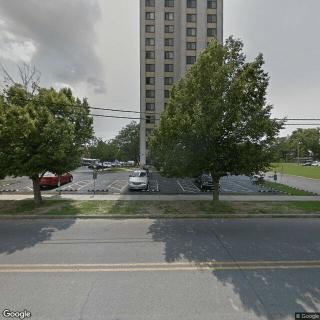
 Excellent access to nearby amenities (pharmacies, physicians, hospital, parks, dining).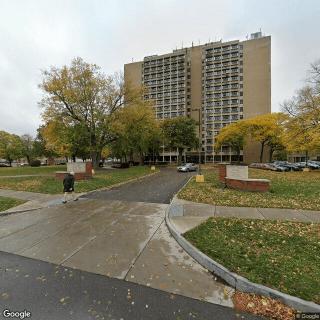


 Comprehensive Guide to Qualifying for Home Health Care Services
 Powerful Realities of Elder Abuse and the Most Effective Ways to Report It
 Ten Vital Duties of a Senior Caregiver: A Comprehensive Guide