
250 Overlook Dr, Middletown, NY 10940
To contact a resident: (845) 342-2555
For more information about senior living options: (866) 208-4318
Overall Review of Overlook Apartments
Cons
 The management is horrible and favors long-tenured tenants.
- They treated the reviewer’s anxiety and panic disorder—diagnosed by a therapist—as a joke.
- They denied the reviewer’s medical accommodation request.
- The renter had to move out because their health concerns were not taken seriously.
- The bathroom features mold, including black mold, and holes appear when poked.
- Maintenance left debris on the floor, forcing the renter to clean it up while caring for a baby and breastfeeding.
- The place is described as being filled with miserable single moms who talk trash about each other, making trust impossible.
- The reviewer gave it a 0/10 and does not recommend.
Review
This community is best suited for tenants who can tolerate a lean management approach and a no-frills living environment, where the potential draw is affordability rather than robust service or proactive care. In practice, the strongest signals point to a residence that relies on self-sufficiency from its residents, rather than a responsive, resident-focused management team. For seniors or families evaluating options with an eye toward support, safety, and predictable problem resolution, this property offers a narrow fit at best. The emphasis appears to be on tenancy stability and low overhead rather than on comprehensive support, compliance, or a safe, well-maintained living space.
Those who should consider alternatives are clear: anyone with health needs requiring accommodation, families with infants or small children, or residents who depend on staff for timely repairs and individualized care. Several accounts allege that medical accommodations were not taken seriously or properly approved, which is a red flag for households with health considerations. The environment described also raises concerns for anyone sensitive to environmental hazards, or who relies on a stable, respectful community culture. In short, health, safety, and responsive management push this property out of the running for most families evaluating assisted-living-adjacent choices.
The real-world pro-con balance here skews decisively to the negative. The few positively framed signals are isolated and do not compensate for the pattern of significant downsides: management that appears inconsistent or unfair, and a resident climate described as tense or unkind. Favoritism toward long-term tenants undermines trust and fairness, while dismissive handling of health requests erodes confidence in safety and overall well-being. The absence of reliable, visible improvements or proactive communication from leadership further weakens the appeal, especially when health and safety are at stake. In practical terms, these factors collectively reduce reliability and predictability, critical elements in long-term housing decisions.
Environmental health emerges as a principal concern. Reports of mold in the bathroom, described as severe and hazardous, elevate risk factors for respiratory issues and for families with infants or individuals vulnerable to allergens. The notion that maintenance left hazardous debris and tenants had to clean up themselves signals systemic neglect and a confused division of responsibilities. When environmental hazards coincide with slow or evasive maintenance responses, the result is a living situation that generates ongoing stress and relocation pressure rather than stability. This combination is simply not acceptable for households prioritizing safety and peace of mind.
The presence of at least one five-star review among a slate of serious concerns underscores a lack of consistent experience, but it does not restore credibility to the overall narrative. The dominant pattern remains: questionable management, health accommodation challenges, and tangible environmental risks. For families prioritizing dependable advocacy, clear policies, and prompt, professional upkeep, these red flags overshadow any marginal positives. The practical takeaway is unmistakable: this property is not a sound match for households needing reliable support, safe air quality, and a respectful community environment.
Bottom-line guidance centers on prioritizing management accountability, health accommodations, and environmental safety. For families evaluating assisted living or long-term housing options, seek communities with transparent accommodation processes, documented maintenance-response times, and verifiable mold remediation histories. Demand recent inspection or clearance reports, direct conversations with on-site managers, and a concrete remediation plan for any environmental concerns. If health needs, infant safety, and consistent, compassionate management are non-negotiable, options with a stronger track record in Middletown or nearby communities deserve priority. This community should be viewed as a cautionary choice rather than a primary recommendation.
 Independent Living
 Stewart (18 miles away)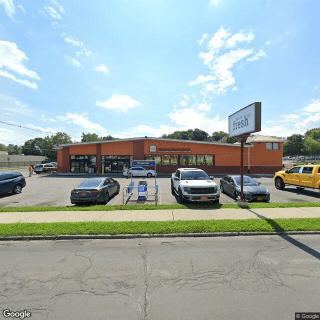
 Excellent access to healthcare, dining, and entertainment nearby.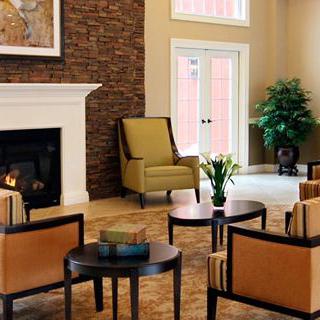

 California's Form 602A: An In-Depth Examination of Senior Care Assessment
 Comprehensive Look at Senior Blood Pressure Charts: Normal and Elevated Levels by Age
 Top Canine Companions for Older Adults