
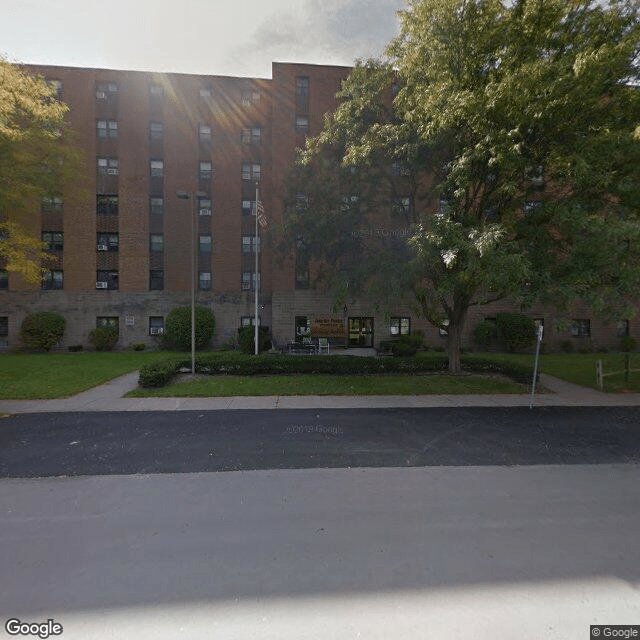
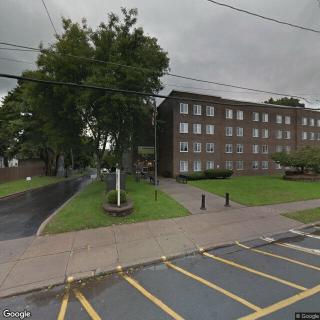
80 E North St, Ilion, NY 13357
To contact a resident: (315) 894-3311
For more information about senior living options: (866) 208-4318
Overall Review of John Guy Prindle Apartments
Pros
 The people are nice.
- The staff is friendly.
- The place is very pleasant.
Cons
 The building has deplorable conditions, code and fire-safety issues, abusive staff, and persistent pipe and water problems.
 - There is an ongoing bed bug infestation, with fears of evacuation and widespread concern among tenants.
- Tenants describe the staff as rude, and report bed bugs, slammed doors, and malfunctioning elevators.
- The building needs an overhaul, as water damage has ruined residents' clothes and sheets, and those on limited incomes cannot replace them.
- The pipes are old, and corporate appears to be absent in addressing ongoing problems.
- Longtime residents report worsening plumbing issues and delays in repairs.
Review
John Guy Prindle Apartments in Ilion is best suited for residents who must keep housing costs very low and can tolerate chronic maintenance failures and notable safety concerns. The property is not a fit for those who rely on dependable safety standards, pest-free living, or reliable infrastructure. In practice, affordability is balanced against persistent problems that disrupt daily life, from plumbing and water issues to pest infestations and inconsistent building upkeep. Those who enter with realistic expectations about maintenance delays and imperfect service might cope, but this is not a residence for someone who expects standard safety and comfort as a baseline. The pattern across accounts shows that cost savings come with a heavy burden of ongoing repairs and safety challenges, making this a budget option at the expense of peace of mind.
Who may want to consider alternatives: Families and individuals with any degree of frailty, mobility dependence, or memory concerns should strongly consider other options. The repeated concerns about bed bugs and the potential need to evacuate highlight real risk. Fire safety codes and overall building conditions are repeatedly described as unsatisfactory, and when maintenance is slow or inconsistent, the risk compounds. Elevators that fail intermittently and plumbing issues that damage clothing underscore reliability problems that can severely affect daily routines. In short, this is a place to avoid if safety, consistent access, and pest control are non-negotiable. For those who can’t tolerate regular disruption or ongoing safety concerns, other options offer more predictable environments and better staff accountability.
How the key pros stack up against the main cons: The lone, recurring positive thread centers on friendly staff and a seemingly decent social environment in some reviews. Yet that minor warmth does not neutralize the core failures. When bed bugs proliferate and water and pipe problems persist, consumer comfort is eroded daily. The perception of pleasant residents or agreeable aides is not a substitute for reliable pest control, safe living conditions, or prompt problem resolution. Even when some staff appear courteous, systemic shortcomings, abusive behavior alleged in some accounts, misalignment between what is promised and what is delivered, and a lack of follow-through from corporate leadership, nullify any perceived upside. The bottom line: the favorable elements are fragile and cannot compensate for the essential needs being unmet.
Safety, codes and maintenance dominate the risk profile: The most troubling descriptions point to deplorable conditions, lapses in fire safety compliance, and persistent building deficiencies. Reports indicate ongoing bed bug infestations and an impression that management knows about high-level issues but fails to correct them. Plumbing problems recur, and the aged infrastructure is not kept current, with long waits for repairs that affect residents’ daily lives. These are not cosmetic issues; they are ongoing reliability and safety failures that threaten comfort and security. The combination of aging pipes, water waste, and reliability problems with essential features like elevators compounds risk, especially for anyone with mobility needs or those who value predictable routines.
Infrastructure and response dynamics: The material history here shows a building that struggles to address routine maintenance in a timely, thorough fashion. The water damage and ruined clothing are tangible costs that fall on residents in a way that language barely captures. Bed bugs, once established, demand persistent, aggressive pest control that appears inconsistent. Elevators that do not always work compromise access and safety, particularly for seniors. The most telling sign is the repeated expectation that corporate or higher management will "get to it when they can," which signals weak accountability and slow response. A resident who has been there many years notes a downward trajectory, underscoring that the problems are not isolated incidents but ongoing, systemic challenges rather than short-term blips.
Practical guidance and next steps: For families evaluating options, the priority should be safety, reliability, and dignity. If considering this property, demand concrete, written commitments on pest control schedules, fire code compliance, and a clear timeline for plumbing and electrical repairs. Verify with local inspectors and current residents about the status of bed bug remediation and the condition of elevators, and ask about the cash-flow or corporate oversight that translates into timely fixes. In most cases, a more stable alternative with better maintenance discipline and more responsive management will deliver greater long-term peace of mind, even if the upfront rent is higher. If choosing Prindle, enter with a strict contingency plan, a plan for housing transitions if the conditions worsen, and a clear understanding of what constitutes a safe, respectful living environment.
 Independent Living



 Understanding Hospice Care at Home: Comprehensive Services, Key Benefits, and Eligibility
 Understanding the Full Cost of 24/7 In-Home Care: A Detailed Overview
 Exploring the World of Home Health Nurses: Qualifications, Roles, and Hiring Tips