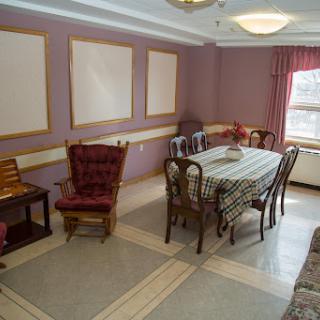

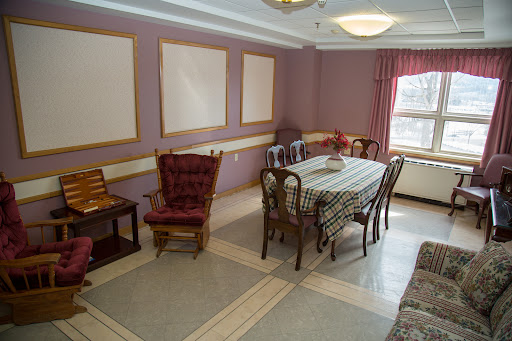
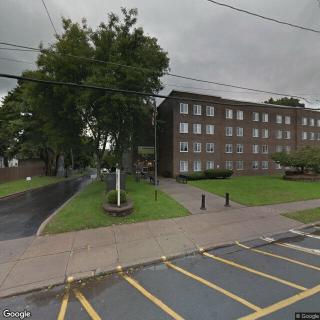
690 West German Street, Herkimer, NY 13350
For more information about senior living options: (866) 208-4318
Overall Review of Valley Health Services
Pros
 The staff are caring.
- Valley Residential Services is an excellent place.
- The dietary staff are attentive to residents' needs.
- The facility is clean, open, and bright.
- The staff on the residential rehab unit are attentive and truly care for the patients.
- Residents have access to recreational opportunities and receive excellent medical care.
- The therapists are knowledgeable and skilled.
Cons
 The staff neglects residents and fails to provide basic care.
 - Residents are left in their own waste for hours.
- The facility is severely understaffed, with about 40 residents per nurse.
- Call lights are not promptly answered, sometimes taking up to two hours.
- Residents have feces under their nails and in between their fingers due to neglect.
- Staff unplug call bells at night to avoid being bothered.
- They fail to provide basic comforts, such as turning on the TV for residents.
Review
Valley Health Services in Herkimer is best suited for seniors who want a smaller, more intimate environment where close daily contact with staff is expected and where reliable dining and routine can feel personal. It can work for families managing moderate assistance needs, such as help with mobility, daily tasks, and social engagement, without requiring aggressive, highly specialized medical or memory-care programming. The setting can reward residents who thrive on structured day-to-day support delivered in a compact, easier-to-navigate footprint, and who prize straightforward communication with a local administrative team. For someone newly transitioning from home with manageable supervision needs, this community can be a practical fit.
That said, there are clear reasons to consider alternatives. Residents with significant incontinence needs, severe cognitive impairment, or physical limitations that demand constant, hands-on supervision may not find adequate coverage here. Understaffing concerns recur in the feedback, and families worried about timely assistance and consistent monitoring will want to compare other options with stronger safety nets and more predictable call-light responsiveness. If a family’s top priority is pristine, uniformly high-quality round-the-clock care across all shifts, it may be wiser to look at larger facilities with documented staffing ratios and more robust oversight.
On the positive side, the strongest argument for Valley Health Services rests with the non-clinical strengths that benefit daily life. Several reviewers highlight attentive dietary service and appealing meals, with the culinary team earning notable praise for quality and variety. The facility’s smaller size, when managed well, offers a level of accessibility and visibility that can translate into more personalized attention, especially in the residential rehab unit where staff are described as watchful and genuinely caring. When care teams function cohesively, residents experience smoother days in which meals, activities, and basic needs feel responsive and human.
However, the most serious concerns repeatedly surface around staffing and consistency. Multiple accounts describe neglectful or delayed assistance, with instances of soiled conditions, unattended call bells, and inadequate hygiene practices. Reports of 40 residents per nurse, delayed cleanups, and staff who appear overwhelmed paint a troubling picture of what can happen when supervision ratios slip and accountability wanes. These issues, paired with reports of unaddressed complaints and limited administrative follow-through, undercut the sense of safety and dignity that families seek in an assisted-living setting.
Those evaluating Valley Health Services must weigh whether the potential benefits, personalized attention in a smaller setting, a la carte dining experiences, and a rehab-focused pathway that some professionals view as solid, outweigh the real risks tied to understaffing and inconsistent care. For families who can tolerate a degree of variability and who plan vigilant oversight, the facility’s strengths may offer meaningful daily life improvements, particularly in food quality and intra-staff communication when the right personnel are present. Yet the recurring, serious accusations of neglect cannot be dismissed and will rightly temper enthusiasm for a long-term stay.
The practical path forward is deliberate and information-driven. Prospective families should insist on current staffing data, request direct conversations with the administrator about supervision protocols, and review the most recent state inspections and any corrective plans. A family should also visit during mealtimes and evening hours to observe response times, call-light handling, and the level of resident engagement across shifts. If a stay is contemplated, framing it as a monitored, temporary arrangement with clear milestones and exit criteria can help manage risk. For high-need residents or those who require unwavering reliability in care, alternatives with stronger staffing guarantees will likely deliver greater peace of mind.
 160 resident community capacity
 Skilled Nursing Facility
 Air-conditioning
 Beauty salon
 Cable or satellite TV
 Computer center
 Dining room
 Fitness room
 Fully furnished
 Gaming room
 Garden
 Housekeeping services
 Kitchenette
 Move-in coordination
 Outdoor space
 Private bathrooms
 Restaurant-style dining
 Small library
 Telephone
 Wellness center
 Wi-Fi/high-speed internet available
 Community operated transportation
 12-16 hour nursing
 24-hour call system
 Activities of daily living assistance
 Assistance with bathing
 Assistance with dressing
 Assistance with transfers
 Diabetes diet
 Medication management
 Mental wellness program
 Special dietary restrictions
 Concierge services
 Planned day trips




 Understanding Home Health Care: A Comprehensive Guide
 Home Health Care Demystified: A Comprehensive Guide for Families and Caregivers
 Seniors and Modern Transportation: Exploring Uber, Lyft, and Other Ride-Hailing Options