

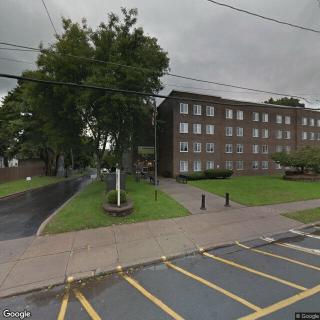
690 W German St, Herkimer, NY 13350
To contact a resident: (315) 866-3330
For more information about senior living options: (866) 208-4318
Overall Review of Valley Health Svc Inc
Pros
 The staff are caring.
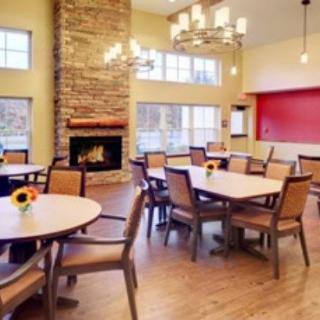
- The place is tremendous, especially the food.
- The dietary staff are attentive to residents' needs.
- The services are helpful and accommodate residents' needs.
- The dietary department receives high praise from residents.
Cons
 The staff neglect residents and fail to provide basic care and attention.
- Residents are left in their own waste for hours, with feces on their bodies.
- CNAs are described as doing nothing and letting residents suffer.
- The facility is severely understaffed, with about 40 residents per nurse.
- Call lights are not promptly answered, sometimes taking up to two hours.
- Administration and social workers do not return calls, leaving families without updates.
- The facility is unsafe and not suitable for loved ones; it is described as a sad place.
- The staff are rude to independent delivery drivers.
Review
Valley Health Svc Inc in Herkimer is best suited for families that are prepared to supervise care closely and advocate consistently. The pattern in the posted experiences shows that reliable daily assistance hinges on persistent oversight, with some meals and services benefiting from attentive staff but care quality fluctuating dramatically without constant monitoring. In practical terms, this community can deliver adequate outcomes only when a family member is on site regularly to push for timely responses and to ensure basic needs are met. For seniors who require dependable nursing, continuous hygiene management, and a consistently clean, respectful environment, this option does not hold up. The clearest takeaway is that vigilance is not optional here; it is essential to any reasonable chance of satisfactory care.
Careful consideration should be given to those evaluating alternatives. Anyone needing steady, professional medical oversight, ongoing continence management, wound care, or robust safety measures should look elsewhere. The reviews repeatedly flag under-staffing, delayed call-light responses, and lapses in personal hygiene and room cleanliness. Potential residents without active family advocacy may experience unacceptable delays or neglect. Similarly, those who value consistent administrative responsiveness, transparent communication from leaders, and a consistently well-maintained environment would be wise to explore other communities. In short, the strongest case for alternatives is built on the expectation of reliable, professional, and timely care rather than episodic attention driven by family presence.
There are a few positive notes worth acknowledging, but they do not balance the larger concerns. Some reviewers commend portions of the dietary program, with meals described as appealing and staff in nutrition and dining as attentive when the setting allows. A separate thread points to certain rehabilitation services as satisfactory at times. Yet these small positives are sporadic and do not address the overarching issues that recur across multiple accounts: employees overwhelmed by caseloads, inconsistent care routines, and a pattern of neglect reported by families who have had to intervene themselves. When weighed against repeated claims of fecal contamination, unaddressed incontinence, and staff who do not respond promptly, the favorable examples feel like isolated exceptions rather than the norm.
The core failings are systemic enough to negate any meaningful offset from the few redeeming aspects. The most urgent risk centers on safety and dignity: prolonged periods in soiled conditions, hands-on care that is delayed or neglected, and routine lapses in basic hygiene. Under-staffing creates a bottleneck where call buttons go unanswered for hours, letting residents endure discomfort or risk without timely assistance. Administrative communication appears unreliable, with families reporting unanswered messages and limited access to leadership to resolve ongoing concerns. Even when some staff demonstrate care, the broader environment signals inconsistent quality, which compounds the anxiety families feel about leaving a loved one in a place where safety cannot be presumed.
For families actively evaluating options, practical steps matter. During visits, observe how many staff are on the floor during evening shifts, test response times by using a call bell, and ask to see recent incident or complaint logs. Request current staffing ratios, especially for nursing and aide coverage, and verify recent state or inspection findings. Speak with direct caregivers about workload and turnover, and talk with residents and their families about night-time routines, cleanliness, and noise levels. Review the facility’s leadership accessibility and their track record in addressing repeated concerns. A clear pattern of avoidance or delayed responses should be a decisive red flag.
Ultimately, the decision hinges on risk tolerance and the willingness to advocate relentlessly. If a loved one cannot tolerate variability in care quality, if clean surroundings and timely assistance are non-negotiable, this community should be crossed off the list. The responsible choice is to prioritize facilities with stronger staffing models, more reliable leadership communication, and demonstrably higher standards of hygiene and resident safety. In practice, a family should reserve Valley Health Svc Inc for scenarios where extensive oversight is guaranteed and where the budget is paired with a readiness to push for rapid, sustained improvements, an arrangement that, in most cases, will demand moving to alternatives to secure peace of mind and a safer daily experience for a vulnerable senior.
 Independent Living




 Fecal Incontinence in Older Adults: A Comprehensive Guide
 Recognizing the Journey: Understanding and Navigating Anticipatory Grief
 Encouraging Participation in Adult Day Care: A Guide to Supporting a Hesitant Parent