
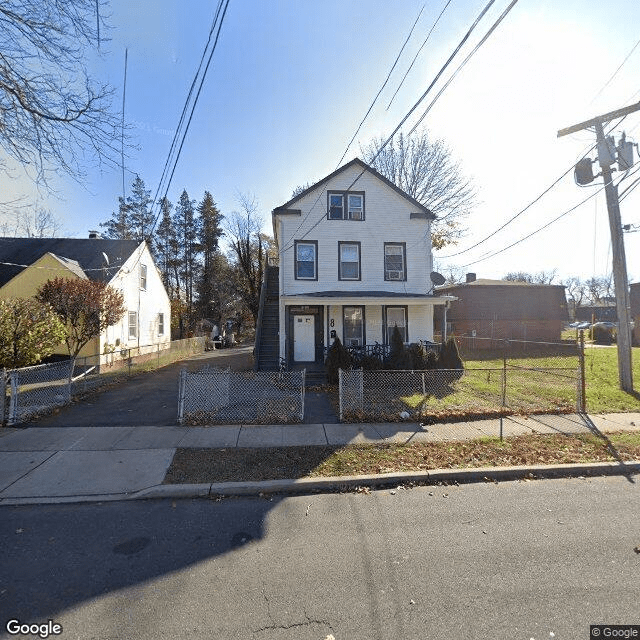
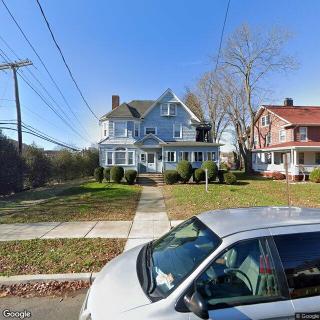
8 Haley St, Freehold, NJ 07728
To contact a resident: (732) 577-1535
For more information about senior living options: (866) 208-4318
Diana's Residential Health Costs & Pricing
Diana's Residential Health offers competitive pricing for its accommodations compared to the broader market in Ocean County and the state of New Jersey. For a studio, residents can expect to pay $2,065 per month at Diana's, significantly lower than the average costs of $4,500 in Ocean County and $5,286 statewide. Similarly, for a one-bedroom unit, the monthly rate of $3,000 is more affordable when measured against the county's average of $4,332 and New Jersey's average of $5,994. The two-bedroom units also reflect this trend; priced at $3,995 at Diana's, they remain below both local ($4,353) and state averages ($6,216). These rates indicate that Diana's Residential Health provides an appealing alternative for those seeking high-quality residential health options without the hefty price tag often found in neighboring areas.
| Floor plans | Diana's Residential Health | Ocean County | New Jersey |
|---|---|---|---|
| Studio | $2,065 | $4,500 | $5,286 |
| 1 Bedroom | $3,000 | $4,332 | $5,994 |
| 2 Bedrooms | $3,995 | $4,353 | $6,216 |
Independent Living communities with a similar price nearby
-
from +$335 / mo
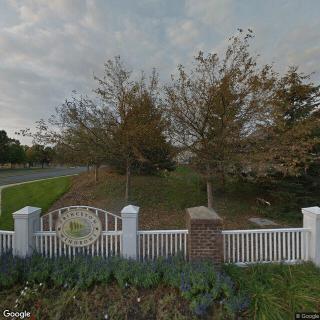
Princeton Windrows
$2,400 / month18.9 miles away -
from +$335 / mo

Waterside Villas
$2,400 to $2,650 / month9.6 miles away -
About the same

The Pines
$2,041 to $3,279 / month22.1 miles away -
from -$365 / mo

Park Lane at Sea View
$1,700 / month24.1 miles away -
from -$65 / mo
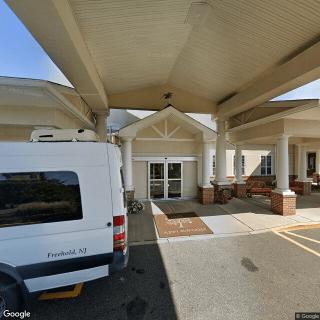
Applewood Estates Assisted Living Residence
$2,000 / month2.1 miles away
Overall Review of Diana's Residential Health
Pros
 The staff were the best and very helpful.
- They took care of the guest's needs.
- They got the guest to where they needed to go.
Cons
 The place is the worst; they lie and take people's money.
- They dragged their feet on refunds and kept $900 for three days.
- They claimed the bag wasn't picked, which makes them appear fraudulent.
- They called 911 after three days and sent her back to the hospital.
- Her luggage was left at Tahanan.
- The manager was not there when she came to pick up, and she was told to come another day.
- They are greedy for money; never go there.
Review
Diana's Residential Health in Freehold, NJ is best suited for families seeking practical, hands-on daily support with highly responsive staff who can handle errands, transportation, and routine care. The standout asset is the ability of frontline caregivers to address immediate needs, move residents to appointments, and provide dependable day-to-day assistance. For families prioritizing clear, attentive help with mobility and personal care over pristine administrative polish, this community delivers in the most tangible, experience-driven way.
Those who should consider alternatives are families with a premium on ironclad financial transparency and flawless administrative processes. One account raises concerns about how money and personal belongings are handled, including delays in refunds and a missed issue of a resident’s luggage, which points to gaps in governance and accountability. In situations involving mental health crises or complex care needs, the risk of administrative friction and equipment or property mishandling can compound stress and disrupt continuity of care. If control over financial and logistical details is non-negotiable, alternative options merit serious consideration.
The strongest pros, notably, staff warmth, attentiveness, and practical help, tend to offset the daily grind of managing care gaps. When a resident’s needs shift, the staff’s readiness to adjust, coordinate transportation, and facilitate access to medical appointments produces real, tangible relief for families and residents alike. This level of hands-on support creates a reliable nucleus of daily life, helping individuals stay engaged, safe, and connected to essential services. The credibility of caregivers in navigating routine challenges should not be underestimated, and it often makes the difference between a stressful routine and a manageable one.
Nonetheless, the principal drawbacks cast a shadow over those advantages. Administrative lapses and questions about money handling, baggage issues, and perceived unavailability of managerial oversight raise legitimate red flags for families planning a longer-term placement. An incident reported as a delayed refund and another involving luggage left at the facility highlight vulnerabilities in policy enforcement and response times. Crisis moments, like an acute psychiatric episode, amplify the impact of such gaps, because families rely on swift, transparent communication and concrete procedures for safeguarding belongings, funds, and resident safety.
From a decision-making standpoint, prospective residents should demand concrete assurances and written policies before committing. Key questions include: What are the exact refund procedures, timelines, and point-of-contact for financial disputes? How are resident belongings tracked and securely stored, with a clear accountability trail? What is the documented crisis-management protocol when a resident experiences a mental health event, and who coordinates hospital transfers? It is also prudent to review staff-to-resident ratios, training standards, and how management tracks and addresses family concerns. Request recent incident reports and a tour that includes conversations with front-line caregivers.
In the end, the calculus favors a practical, adventure-tested approach. For families that prize compassionate, hands-on care, dependable transportation, and real-time responsiveness from frontline staff, Diana’s Residential Health can be a solid fit. For those who cannot tolerate financial opacity, inconsistent property handling, or delayed managerial follow-through, it is prudent to explore alternatives with stronger governance, clearer billing practices, and proven crisis-management procedures. The best path blends reliable, attentive care with transparent, accountable administration, something this community can deliver, provided the governance gaps are closed and trust is reinforced through verifiable policies and consistent leadership accessibility.
 Independent Living






 Effective Strategies for Keeping Seniors' Minds Active: A Deep Dive into Brain Games and Apps
 In-Depth Look at the VA Aid and Attendance Program
 Nurturing Our Loved Ones: A Daughter's Journey in Caring for Her Mother