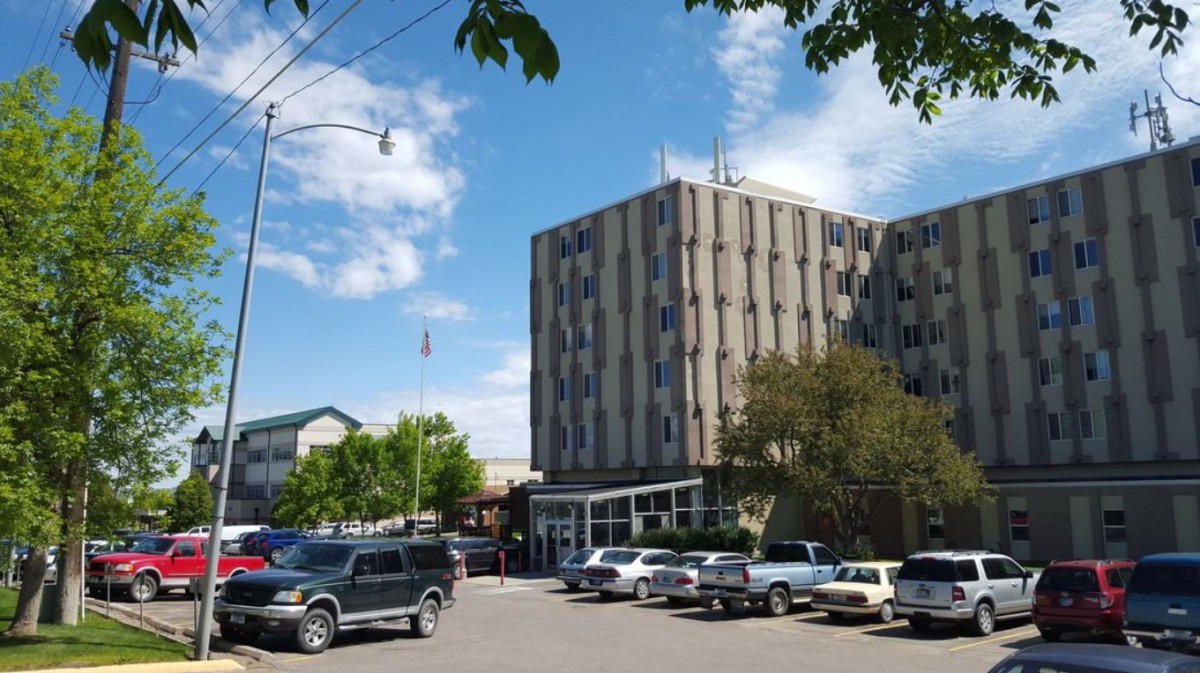
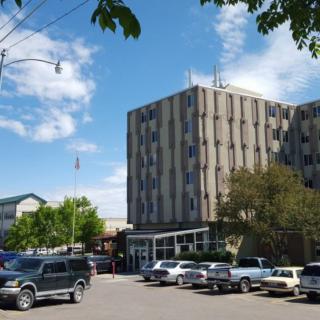
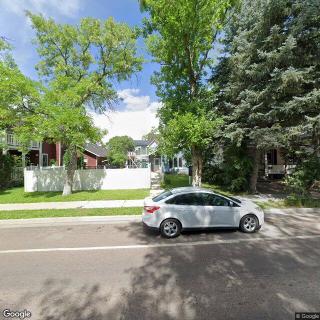
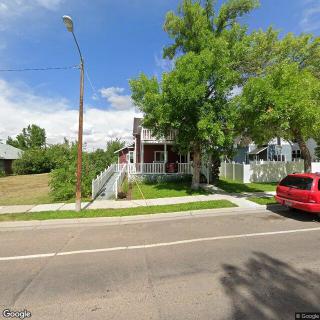
1501 9th Ave S, Great Falls, MT 59405
To contact a resident: (406) 453-6521
For more information about senior living options: (866) 208-4318
Eagles Manor Retirement Community Costs & Pricing
Eagles Manor Retirement Community offers an attractive and affordable living option for seniors, particularly when compared to the broader costs within Cascade County and the state of Montana. For instance, a studio at Eagles Manor is priced at just $662 per month, significantly lower than the county's average of $3,660 and the state average of $3,729 for similar accommodations. One-bedroom units are also competitively priced at $782, whereas their counterparts in Cascade County average around $3,303 and statewide prices hover near $3,468. Even two-bedroom options are more cost-effective at Eagles Manor at $1,054 per month compared to the much higher rates of $5,223 in Cascade County and $4,247 statewide. This substantial cost difference underscores Eagles Manor's commitment to providing quality care and comfortable living spaces while remaining budget-friendly for residents.
| Floor plans | Eagles Manor Retirement Community | Cascade County | Montana |
|---|---|---|---|
| Studio | $662 | $3,660 | $3,729 |
| 1 Bedroom | $782 | $3,303 | $3,468 |
| 2 Bedrooms | $1,054 | $5,223 | $4,247 |
Overall Review of Eagles Manor Retirement Community
Pros
 The care was described as the very best—compassion, excellent care, and clear communication from start to finish.
- The staff were consistently friendly to visitors, making it feel like one big family.
- The family felt their mom received the best possible care at every visit.
- Eagles Manor is portrayed as a community where residents and staff are helpful and friendly.
- The rooms are nice and well-maintained, and the administrator’s 30+ years of experience helps ensure tenants have what they need.
- The facility is highly recommended, with at least one reviewer calling it the best place they’ve ever worked and even nicer than the pictures.
Review
Eagles Manor Retirement Community in Great Falls, MT is best suited for seniors who want a warm, family-like atmosphere with highly personalized, attentive care and straightforward access to a stable, long-tenured leadership team. It shines for residents who value daily kindness from staff, clear communication with caregivers, and a sense of belonging rather than a large, bustling campus. The kind of elder who thrives on predictable routines, easy visitor access, and a close-knit community will feel immediately at home. Families weighing alternatives should note that those seeking expansive programming, modern resort-style amenities, or specialized memory-care environments may want to compare other options before committing.
From the care perspective, the strongest advantages center on compassion, consistency, and access. Visitors repeatedly encounter a friendly, family-first culture where caregivers and med techs are part of the daily rhythm, not distant operators. The administrator’s three-plus decades in place translate into steady policy, reliable response times, and a leadership presence that is easy to approach. Rooms are described as well-maintained and nicely appointed, reinforcing a sense of pride in the facility. This combination, responsive staff, stable leadership, and a welcoming environment, creates a care dynamic that feels trustworthy and deeply personal.
The overall experience reads as a strong offset to any potential downsides because turnover is minimized and communication flows smoothly when the same core team remains engaged. The continuity of leadership and a caregiving group that residents and families clearly trust reduce common friction points like gaps in service or miscommunications about daily needs. The end result is not just care that meets basic expectations but a daily atmosphere of reassurance: families feel confident that medications, routines, and comfort are handled with real attention. In a small sample, there are no notable negatives described; instead, the repeated praise for staff, approachability, and a genuine sense of “family” points to a cohesive, well-run community.
Prospective residents and families should still verify a few practical details to ensure alignment with specific needs. Confirm the levels of care available on-site and how transitions are managed if medical needs change. Inquire about memory or dementia-specific services if relevant, and whether respite stays or temporary arrangements are possible. Request a clear picture of monthly costs, what is included, and how meals, activities, and transportation are organized. Finally, assess whether the campus size and activity calendar match the resident’s energy level and social preferences; the intimate setup that locals praise can feel limiting for those seeking broad, varied engagement.
Operationally, Eagles Manor presents as a stable, resident-centered environment. The long-tenured administrator signals consistent policy and predictable operations, while staff consistently described as helpful and approachable fosters trust for families during transitions. The “one big family” atmosphere is not mere sentiment; it translates into reliable support during daily routines, responsive communication with families, and a palpable sense of safety for older adults who value familiarity. Care team members, particularly med techs, receive specific gratitude, underscoring a culture that prioritizes respectful, hands-on caregiving.
The bottom line is clear: Eagles Manor is a practical choice for families seeking a warm, tightly knit community where care is hands-on, communication is open, and leadership is committed. It is less ideal for those who want a broad array of on-site amenities, high-acuity medical services, or a campus with the scale to offer endless programming. For seniors who prize predictability, personal attention, and a welcoming environment that treats residents like family, Eagles Manor delivers compelling, trustworthy value. Those weighing options should arrange a visit, question specific care needs, and compare cost structures to confirm alignment with goals and budget before deciding.
 Independent Living
 Cats allowed
 Dogs allowed
 Activities off-site
 Bath tubs
 Beautician on-site
 Devotional services off-site
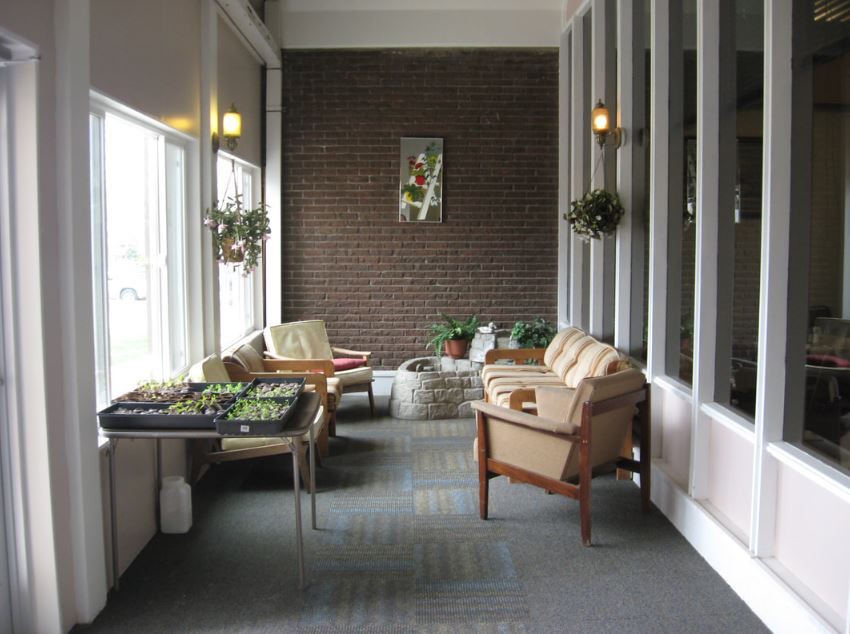
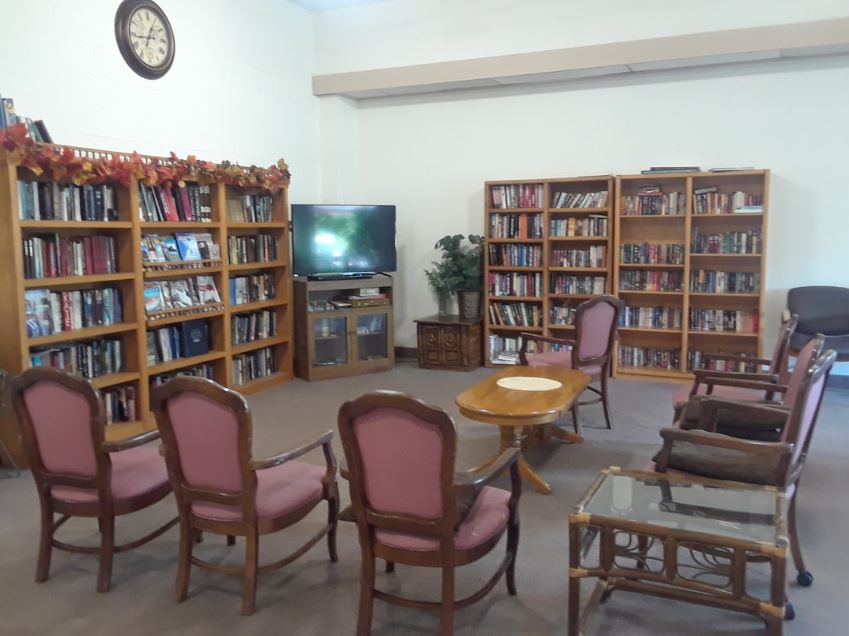
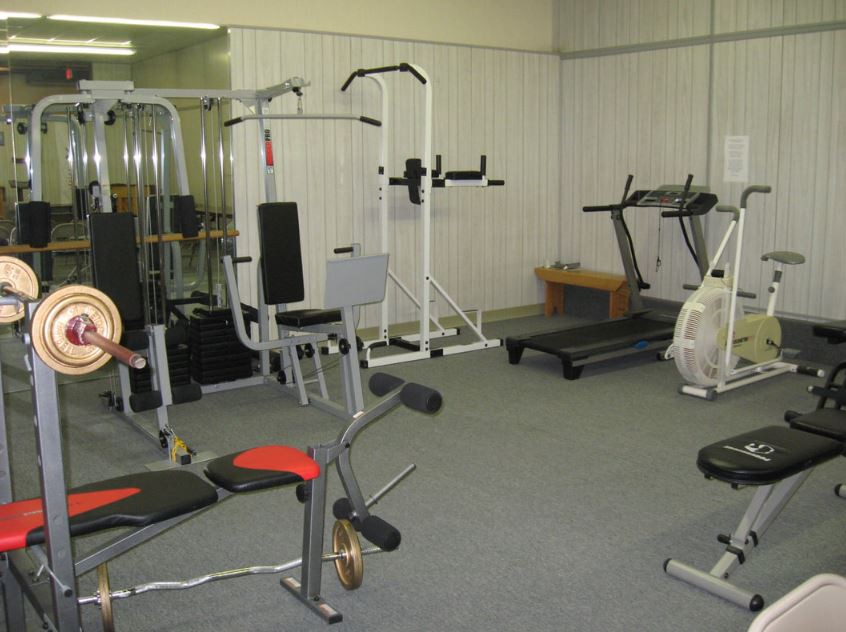
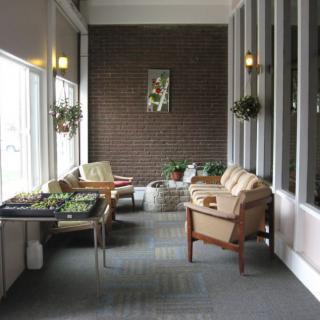
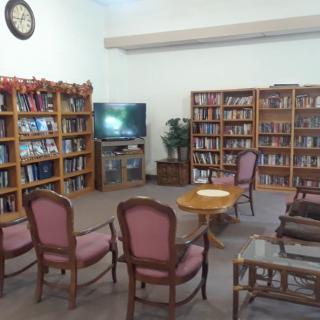
 Indoor common areas
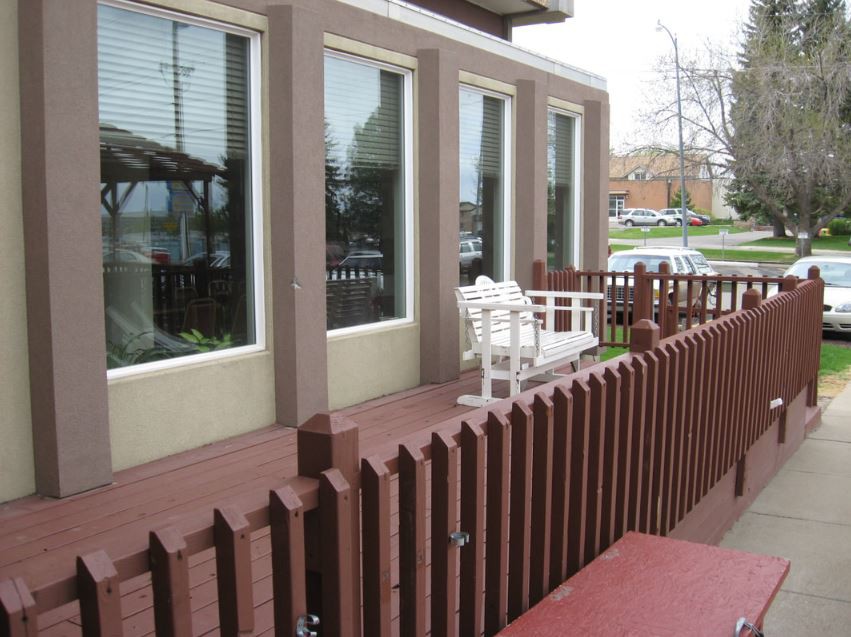
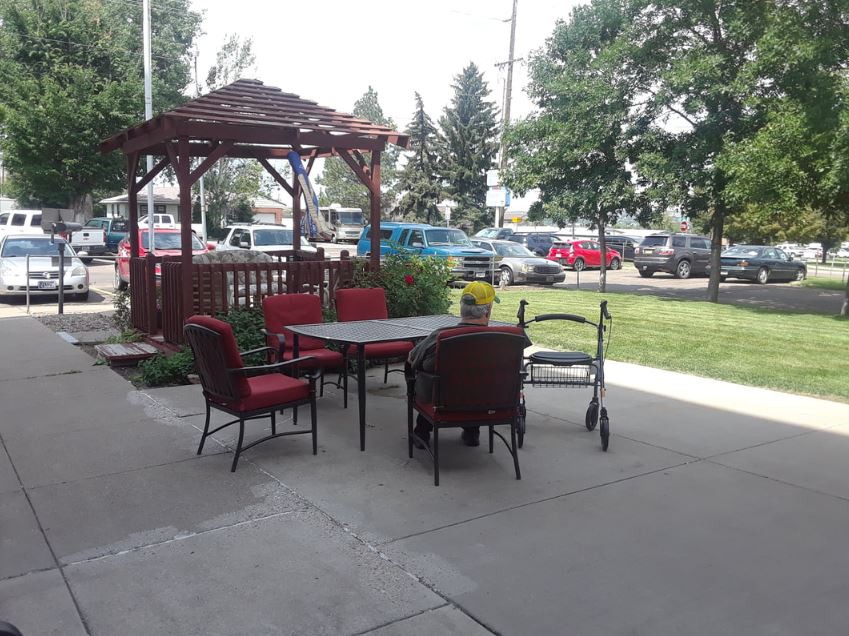
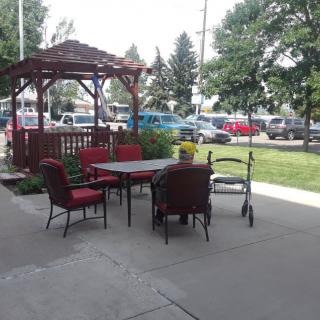
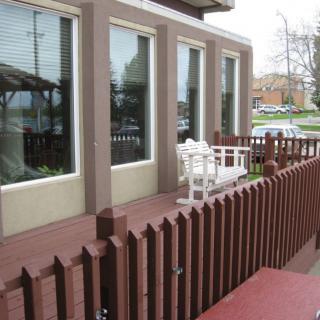
 Outdoor common areas
 Respite or short term stays offered
 Wheelchair accessible showers
 Great Falls International (4 miles away)
 Meals provided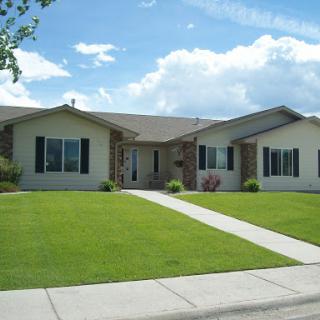
 Fecal Incontinence in Older Adults: A Comprehensive Guide
 Recognizing the Journey: Understanding and Navigating Anticipatory Grief
 Encouraging Participation in Adult Day Care: A Guide to Supporting a Hesitant Parent