
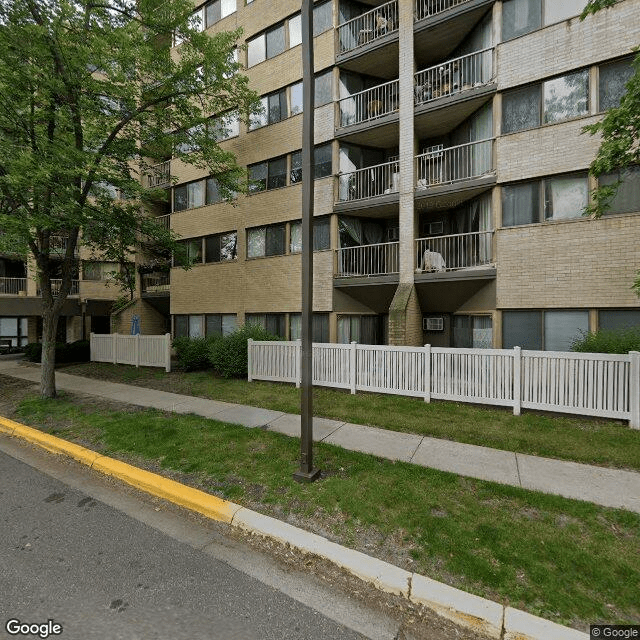
2400 Rhode Island Ave N, Golden Valley, MN 55427
To contact a resident: (763) 544-7710
For more information about senior living options: (866) 208-4318
Overall Review of Dover Hills Apartments
Pros
 Residents describe the complex as very quiet with friendly staff.
- One reviewer says they love living there, noting quietness, pet-friendliness, friendly staff, and quick maintenance (even after hours).
- It is described as a nice place with nice neighbors and free parking.
- The property is viewed as a great place for elderly residents, with grandparents staying there for many years and enjoying it.
- It is described as a sliding-fee apartment complex with a private deck and awesome neighbors, recommended for immigrants.
Cons
 The trash compactor is constantly clogged, causing trash to pile on the floor.
- Trash is left on the floor and mostly not bagged, creating unsanitary conditions.
- Liquids and food sit on the floor and carpets are permanently stained.
- The building smells unsanitary and the odor is horrible.
- The trash chute is constantly clogged, forcing residents to leave piles of garbage outside.
- Pests, especially cockroaches, are pervasive and crawl into units.
- The constant smoke smell from cigarettes and marijuana is overwhelming and unsafe for residents with asthma.
- Management has not addressed pest infestation or garbage problems despite repeated requests.
- Staff are rude and unhelpful, with reports of service hours being unreliable or unresponsive.
- No one answers the phone at the leasing office.
- Paper checks are lost and late fees charged, and getting in touch with someone is impossible.
- There is a wasp/bee infestation on level 6 with no help from management.
- An AC problem during extreme heat went unresolved despite multiple calls, resulting in horrible service.
Review
Dover Hills Apartments in Golden Valley is best suited for very price-sensitive seniors and households who want a quiet, pet-friendly, apartment-style option and can tolerate uneven management and inconsistent maintenance. It often serves residents who value long-term stability and low rent over polish in common areas or flawless upkeep. The community can feel like a familiar, low-cost home where neighbors look out for one another, but that sense of steadiness comes with persistent practical drawbacks that inevitably shape daily life.
Those considering alternatives should recognize who may be left wanting more. If reliable sanitation, meticulous housekeeping of shared spaces, pest control, and proactive management are non-negotiable, this property is unlikely to satisfy. Prospective renters who need quick, consistent fix-it service, clear lines of communication, and timely responses to service requests should look at other options. For families or individuals with health sensitivities to smoke odors, pests, or environmental irritants, a more tightly managed building is typically a safer choice.
The positives do exist and can matter in daily life. Residents frequently praise the quiet environment and the sense of neighborliness that comes with a smaller, low-key complex. The building is described as pet-friendly, with maintenance capable of responding promptly at times, including after hours. Those who value a simple, affordable footprint may also appreciate the private deck option and the general friendliness of staff in moments when concerns are acknowledged. In quieter moments, the place can feel like a steady, low-stress place to live.
Yet the scale of the drawbacks significantly weighs down the experience. Persistent trash chute issues create unsanitary conditions, odors, and clutter near units, undermining basic cleanliness expectations. Pest problems, cockroaches and mice, appear to be recurrent, with reports of infestations entering apartments and widespread frustration over inadequate remediation. A troubling, pervasive smoke smell, cigarettes and marijuana, permeates hallways and common spaces, compounding health concerns for residents with asthma or sensitivities. The property also wrestles with insects like bees and wasps on higher floors, with management largely deemed unresponsive to safety and nuisance concerns. Add in intermittent phone access and occasional mismanagement, lost payments, late fees, and unaddressed facility issues, and the living experience begins to feel out of standardized care.
In this balance, the core strengths fail to offset the most consequential faults. Quiet, neighborly ambiance and pet-friendly policies offer tangible comfort, but those benefits are hollowed by sanitation problems and ongoing pest intrusions that undermine everyday living. When maintenance does occur, it is a relief, yet it does not consistently reach the breadth of issues that define the building’s reality, from climate control failures to address glitches and infrequent, unreliable communication with residents. The result is a practical tension: affordable living that costs residents time, effort, and stress to manage the city’s less desirable maintenance realities.
For decision-makers, the takeaway is concrete. If budget governs the choice and tolerance for repeated maintenance gaps is high, Dover Hills can work as a practical, modestly comfortable home, with caveats. If health, hygiene, and dependable service carry greater weight, or if there is a priority for consistently clean spaces and rapid problem-solving, alternatives deserve serious consideration. Prospective residents should demand a formal remediation plan for pest control, trash management, and climate issues, request written commitments on response times, and verify the current management’s track record before signing. In short, Dover Hills functions as a risky, affordable option, best approached with eyes wide open and a concrete plan to manage what may well become ongoing maintenance and safety concerns.
 Independent Living
 Minneapolis-St Paul International (12 miles away)

 Is a Geriatric Care Manager the Right Choice for Your Family?
 Compassionate Conversations: How to Comfort Someone Who Is Grieving
 Home Health Care Aides: Understanding Their Role and Supporting Your Family